Why Only One of Two Birds Can Come From Youth Season
For many young hunters and their mentors in North Carolina, the excitement of spring turkey season begins with the special youth weekend. It’s a fantastic opportunity to get kids afield before the general season chaos, but it often brings a knot of confusion: why can you only harvest one bird during this early period when the statewide limit is two? It’s a frustrating detail that can muddy plans, making it seem like you're missing out on an opportunity. This guide is here to clear up that specific regulation, explaining why the North Carolina Wildlife Resources Commission (NCWRC) sets the limits the way they do and how to plan a successful spring hunt for your aspiring turkey hunter without running afoul of the rules.
Understanding North Carolina's Youth Turkey Season
North Carolina's youth turkey season is a cherished tradition, designed to introduce the next generation to the joys and responsibilities of hunting. It’s a short, specific window, typically held just before the statewide opener, and understanding its nuances is key to a smooth and legal hunt.
The Purpose of Youth Hunting Opportunities
These special youth seasons aren't just an arbitrary date on the calendar; they're a cornerstone of hunter recruitment and retention efforts. The North Carolina Wildlife Resources Commission, like many state agencies, recognizes that getting kids excited about hunting and providing them with early, less pressured opportunities is vital for the future of conservation. Imagine being a youngster, finally able to head out with a shotgun, knowing the woods aren't yet teeming with adult hunters. That feeling of anticipation, the quiet sunrise, and the potential for a close encounter with a gobbler can ignite a lifelong passion. These seasons provide a lower-pressure environment, allowing mentors to focus on teaching woodsmanship, calling techniques, and ethical hunting practices without the added competition that often comes with opening day of the regular season. It’s about building a foundation of positive experiences, encouraging young people to connect with nature, and ensuring the tradition of hunting continues.
General Rules for the Youth Weekend
The youth turkey weekend in North Carolina usually kicks off the first Saturday in April, running through that Sunday. However, it’s always crucial to check the current year's North Carolina Youth Turkey Weekend Rules provided by the NCWRC, as dates can shift slightly due to calendar alignment or regulatory changes. The age requirement is pretty straightforward: anyone under the age of 18 is eligible to participate.
Mentorship is a critical component of these hunts. A licensed adult hunter must accompany the youth, remaining within sight and hearing distance, ready to provide immediate assistance and guidance. This isn't just about safety; it's about education. The mentor teaches everything from firearm handling to understanding turkey behavior and calling sequences. Legal weapons for the youth season are generally shotguns (typically 20-gauge or 12-gauge are popular choices), bows, and crossbows. Remember, while the youth is the one pulling the trigger or releasing the arrow, the mentor is ultimately responsible for ensuring all rules are followed. It’s a team effort, and resources like GoHunt can be invaluable for cross-referencing regulations and ensuring you’re fully compliant before heading afield.
Deciphering the "One Bird" Rule
Now, let's tackle the heart of the matter: that sometimes-confusing rule about only one bird coming from the youth season. It can feel restrictive, especially when you're hoping for multiple opportunities for your young hunter, but there's a logical reason behind it.
The Statewide Bag Limit for Spring Turkey
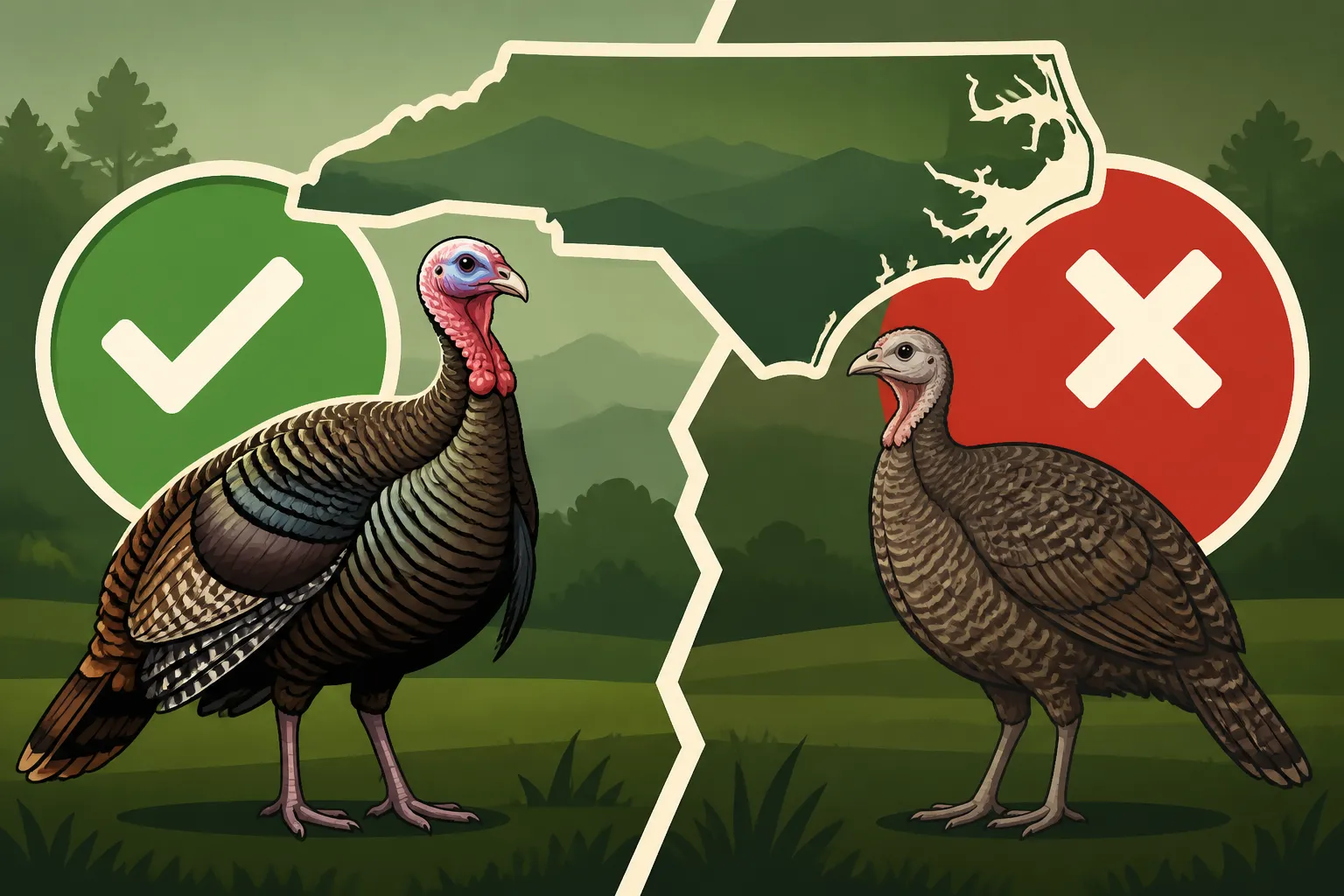
To truly understand the youth season restriction, you first need to be clear on the North Carolina Spring Turkey Bag Limit. For the general statewide spring season, North Carolina hunters are allowed to harvest a total of two (2) gobblers. This isn't a per-day limit or a per-week limit; it's the maximum number of male turkeys an individual hunter can take during the entire spring season, which typically runs from early April through mid-May.
This two-gobbler limit is a carefully set biological target, designed to ensure the health and sustainability of the state's wild turkey population. The NCWRC monitors turkey populations closely, and this limit helps manage harvest pressure across all zones – mountains, Piedmont, and coastal plains – ensuring that enough gobblers remain to breed and contribute to the next year's poult crop. It’s a balance between providing ample hunting opportunity and responsible wildlife management.
How the Youth Season Harvest Counts
Here’s where the "one bird" rule comes into play: any gobbler harvested during the special youth turkey weekend counts directly toward that statewide two-gobbler limit. The youth season isn't an additional opportunity to harvest a turkey beyond the regular two-bird limit; it's simply an early opportunity to take one of those two birds.
Think of it this way: your young hunter has a "two-bird ticket" for the entire spring season. The youth weekend allows them to use one of those tickets a bit earlier than everyone else. If they successfully harvest a gobbler on the youth weekend, they have now filled one of their two allotted tags for the spring. This means they (or their licensed mentor, under the youth's permit) can only harvest one more gobbler during the remainder of the statewide general season. They cannot take a second bird during the youth weekend, and they certainly can't take two during the youth weekend and then two more during the regular season.
This design ensures that the total harvest remains within sustainable limits while still providing that valuable early access for youth. It prevents an overall increase in harvest pressure that might negatively impact turkey populations. For example, if young Jenny calls in and bags a beautiful longbeard on Saturday of the youth weekend in the Piedmont, that’s her first bird. For the rest of the spring season, she's got one more tag to fill. Her hunting strategy for the rest of the season will reflect that, perhaps focusing on a different property or a later part of the season. Platforms like GoHunt can help you manage your hunting plans and keep track of regulations as you move through the season.
Practical Implications and Planning Your Hunt
Understanding the "one bird" rule is one thing, but integrating it into your hunting strategy, especially when hunting with a youth, is another. It requires a bit of foresight and flexibility.
Maximizing Success for Young Hunters
The youth weekend is often characterized by less hunting pressure, especially on public lands. This can be a huge advantage for new hunters. Without hordes of other hunters bumping birds, young hunters have a better chance of hearing gobblers on the roost, making successful calls, and getting into position. This is where good scouting and preparation really pay off. Before the season, take your young hunter out to scout potential areas, looking for roosting trees, strut zones, and fresh sign.
When the youth weekend arrives, focus on making the experience enjoyable and educational, not just harvest-driven. Teach them how to properly set up decoys, especially useful in open areas, or how to Roost Hunting North Carolina Gobblers to get an early jump on the action. Focus on ethical shot placement and the importance of patience. If a bird is taken, that’s fantastic! If not, the experience itself – the quiet woods, the sound of a distant gobble, the camaraderie with a mentor – is what truly builds a hunter. Don't be afraid to try different tactics like Run-and-Gun Turkey Tactics on Public Land if birds are pressured or unresponsive, or consider specific habitat-based approaches like Turkey Tactics for Piedmont Field Edges if you're hunting agricultural areas. The goal is to build positive memories and skills, knowing that there will be other opportunities if a bird isn't harvested on the youth weekend.
Planning for the Regular Season
Once the youth weekend concludes, your planning for the North Carolina Statewide Turkey Opener and beyond will depend on whether a bird was harvested.
Scenario 1: Bird Harvested During Youth Weekend
If your young hunter successfully took a gobbler, congratulations! That’s one of their two statewide birds tagged. For the remainder of the spring season, they have one tag left. This means your focus might shift. You might choose to hunt different properties, explore new public land areas, or simply enjoy the remaining time afield, perhaps focusing more on calling for other hunters or simply observing wildlife. It’s also important to remember the mandatory North Carolina Turkey Checking Requirements. Any harvested turkey must be reported to the NCWRC through their online system or mobile app by midnight on the day of harvest. This is critical for wildlife management data. Tools like the GoHunt app can be immensely helpful for recording harvests and navigating public land boundaries throughout the rest of the season.
Scenario 2: No Bird Harvested During Youth Weekend
If the youth weekend didn't yield a bird, no worries! Your young hunter still has their full two-gobbler statewide limit intact for the regular season. This means they can participate in the statewide season with the full two-bird potential. This can take some pressure off the youth weekend itself, allowing for a more relaxed and educational experience without the intense pressure to "get one." You'll proceed into the general season with all options open, ready to chase those spring longbeards for the duration of the state's season.
It’s truly all about adapting. The youth season offers a fantastic kick-off, but the main event still provides plenty of opportunity.
Spring Turkey Season Limits at a Glance
To help consolidate these rules, here's a quick summary of the North Carolina spring turkey season limits and how the youth weekend harvest affects them:
| Rule Category | Details | Youth Season Impact |
|---|---|---|
| Statewide Bag Limit | Two (2) gobblers per hunter for the entire spring season. | Any bird taken during youth season counts towards this limit. |
| Youth Season Dates | Typically the first Saturday & Sunday in April (always verify current year's dates). | Exclusive hunting period for hunters under 18, accompanied by a mentor. |
| Youth Season Harvest | Limited to one (1) gobbler during the youth weekend. | This one bird fills one of the hunter's two statewide tags. |
| Mentor Requirement | Licensed adult hunter 18+ must accompany youth, within sight/hearing. | Mentor ensures compliance with all regulations, including bag limits. |
| Reporting Harvest | All harvested turkeys must be reported to NCWRC by midnight on the day of harvest. | Applies to birds harvested during both youth and regular seasons. |
| Post-Youth Season | If no bird taken during youth season, hunter still has two tags for regular season. | If one bird taken, hunter has one tag left for regular season. |
| Legal Weapons | Shotgun, bow, or crossbow. | Same weapon rules apply to youth and general seasons. |
Common Questions and Misconceptions
Despite the clear regulations, it’s natural for hunters, especially those new to mentoring youth or to North Carolina's specific rules, to have questions. Let's tackle some of the most common ones.
What if a Youth Doesn't Harvest During the Youth Weekend?
This is a really important point to clarify, as it affects your entire season strategy. If your young hunter spends the youth weekend afield and doesn't manage to harvest a gobbler, that's perfectly fine! They haven't "lost" an opportunity or used up a tag. Their full statewide bag limit of two gobblers remains available for the duration of the regular spring turkey season.
So, if you hunt hard over the youth weekend, and the turkeys are just not cooperating, or maybe your young hunter misses a shot, don't despair. You can simply roll right into the North Carolina Statewide Turkey Opener with the same two-bird potential as any other hunter. This flexibility is designed to encourage participation without adding unnecessary pressure on young hunters to perform immediately. The joy of the hunt, the learning experience, and the time spent outdoors are the primary goals, and the opportunity to fill a tag still exists throughout the entire regular season.
Mentor's Role and License Requirements
The mentor plays a pivotal role in youth hunting, not just for safety and education, but also for ensuring regulatory compliance. According to North Carolina Mentored Youth Hunting Rules, the adult mentor must be at least 18 years old and possess a valid North Carolina hunting license (or be exempt). They must remain within sight and hearing of the youth at all times.
A common misconception is whether a bird harvested by a youth counts against the mentor's bag limit. To be clear: the bird harvested by the youth counts against the youth's statewide bag limit, not the mentor's. For example, if a young hunter takes a gobbler on the youth weekend, and their mentor also has a turkey tag, the mentor can still pursue their own two gobblers during the regular season, completely independent of the youth's harvest. The youth's license allows them to hunt and fill their tags, under the guidance of the mentor. The mentor's presence is supervisory and educational, not a shared tag pool. It's crucial for both the youth and the mentor to understand their individual license privileges and bag limits to avoid any accidental violations. Utilizing resources like GoHunt or checking the NCWRC regulations directly can help clarify any ambiguities about these nuanced rules.
Disclaimer
Please remember that hunting regulations, seasons, and bag limits can change. Always consult the official North Carolina Wildlife Resources Commission (NCWRC) website or the current year's North Carolina Inland Fishing, Hunting & Trapping Regulations Digest before planning and executing any hunt. This guide is for informational purposes only and should not be considered legal advice.