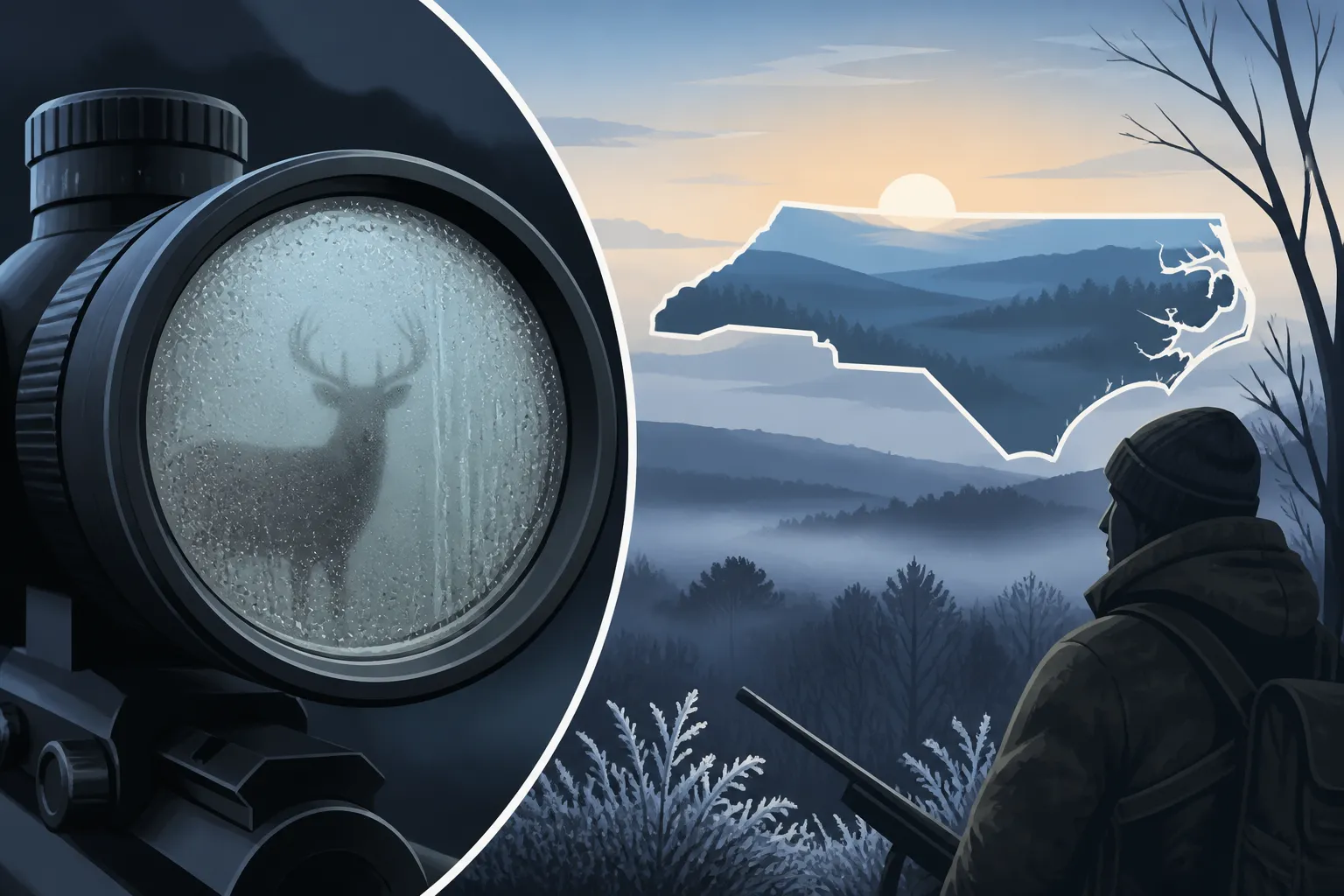
Fogged Optics in North Carolina Cold
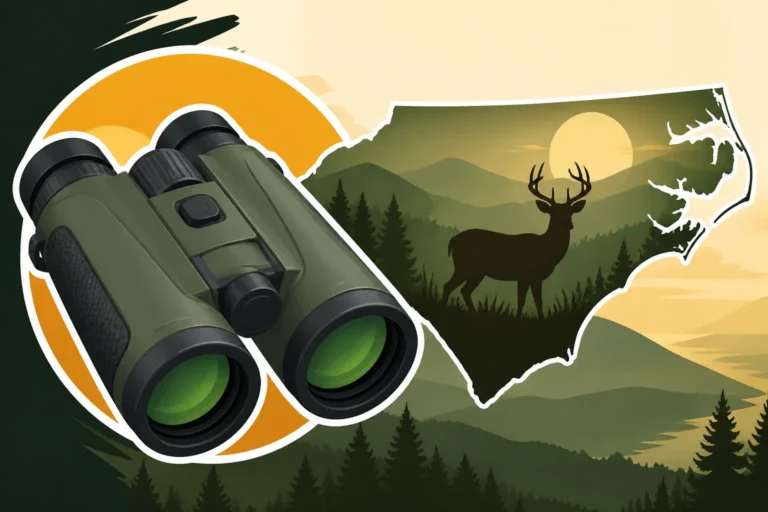
There's nothing quite like the crushing disappointment of finally spotting that elusive deer or getting a bead on a gobbler, only for your optics to betray you with a thick, obscuring fog. We've all been there – one moment you're locked in, the next you're staring at a blurry mess, often right when it matters most. This guide is here to walk you through the frustrating reality of fogged optics in North Carolina's varied cold weather and equip you with practical strategies and gear wisdom to keep your view crystal clear when you're out in the field.
Understanding Why Optics Fog Up: The Science Behind the Frustration
That maddening film that suddenly appears on your scope or binoculars isn't some cruel joke played by the hunting gods; it's a simple, albeit inconvenient, scientific phenomenon. North Carolina's diverse climate, especially during the colder months, creates the perfect storm for optics to fog, leaving you feeling helpless and wondering what went wrong.
Temperature Differentials and Condensation
At its core, fogged optics are a result of condensation, a process you probably remember from a high school science class. It happens when warm, moist air comes into contact with a colder surface. The air rapidly cools, and its water vapor condenses into tiny liquid droplets on that cold surface – in our case, your binocular lenses or rifle scope glass. Think about pulling a cold drink out of the fridge on a humid summer day; the outside of the glass quickly "sweats." It's the same principle at play, but far more frustrating when a trophy buck steps into your shooting lane.
This can happen in a couple of ways. You might bring your rifle, which has been sitting in your warm truck cab, into the frigid morning air of a mountain stand. The sudden exposure to cold causes the external surfaces of your scope lenses to cool rapidly, and the moist ambient air condenses on them. Conversely, if your optics are bone-cold from sitting in your stand all morning, and you breathe on them or bring them into a warm hunting blind or heated vehicle, the warm, moist air inside the enclosed space will hit those cold lenses, and bam—fog. High-quality optics are often nitrogen or argon purged to prevent internal fogging, where moisture gets trapped inside the optical housing. But even the best optics can't prevent external condensation if the conditions are right, and believe me, North Carolina provides those conditions in spades.
North Carolina's Unique Climate Challenges
Our beautiful state might offer incredible hunting opportunities, but it also presents a uniquely challenging environment for optics, particularly when temperatures drop. From the damp, humid coastal plains to the frosty, elevation-driven cold of the mountains, North Carolina throws a lot at us.
On the coast, particularly in areas like the pocosin swamps or around the sounds, even a cold day can have surprisingly high humidity. Morning fogs often cling to the landscape, creating an almost constant vapor in the air that's just begging to condense on your cold lenses. You might be set up in a duck blind on Currituck Sound Diving Ducks, and the cold, damp air off the water will challenge even the most prepared hunter's gear. In the Piedmont, you get a mix: crisp, cold mornings that can quickly turn damp as the sun rises and melts the dew, or sudden cold fronts that bring a rush of chilly, moist air. And then there are the mountains, where temperature inversions can lead to valleys filled with cold, stagnant air while ridge tops are slightly warmer. Descending into a frigid hollow with optics that have been warmed by the sun on a ridge can lead to instant fogging. These rapid temperature changes and consistent moisture levels are why North Carolina hunters constantly battle optics fog.
Immediate On-The-Spot Solutions for Fogged Optics
When that fog rolls in at the worst possible moment, you need solutions now. While prevention is always better, sometimes you just have to react. These aren't perfect, but they can sometimes save the day.
The Breath and Wipe Method (and its limits)
Let's be honest, we've all done it. You bring your binoculars up, they're fogged, and your first instinct is to breathe on them, then wipe them with your shirt sleeve or the corner of a bandana. For a fleeting moment, it might seem to work, clearing a small spot just enough to see. But more often than not, this method is a double-edged sword that can lead to more frustration than clarity.
The problem is, your breath is warm and moist, which initially helps dissipate the existing fog by warming the lens surface. But that warmth is temporary, and as the lens cools again, the moisture from your breath, combined with the ambient humidity, can often cause the lens to re-fog even worse. And here's the kicker: wiping with a shirt or anything not specifically designed for optics is a recipe for disaster. North Carolina dust, pollen, and general grit are everywhere. Wiping a dirty lens with a rough fabric will grind those tiny particles into your delicate lens coatings, potentially scratching them and permanently impairing your vision. Always, always use a dedicated, clean microfiber lens cloth. Keep one in your Packs for a Day on Public Land or your binocular harness pocket, ready for action. If you're going to try the breath method, do it gently, and follow up only with a proper lens cloth.
Body Heat and Gradual Acclimatization
One of the most effective immediate solutions, and a good preventive measure, is to use your own body heat to your advantage. If your optics have become cold and you anticipate needing them, keep them tucked close to your body.
When you're still-hunting through Nantahala Forest ridges or sitting patiently in a stand, try to keep your binoculars or scope beneath your outer layer of clothing, perhaps inside your jacket or chest rig. Your body radiates warmth, which will help keep the optics at a more stable temperature, closer to your core. This minimizes the temperature differential when you pull them out into the cold air. If you've been in a warm truck and are heading into a freezing stand, try to expose your rifle to the cold air gradually before you even get out of the vehicle, if possible. Don't go from a blast of heat to sub-freezing temperatures in an instant. Once you're in the stand, keep your binos tucked away until you need them. This slow acclimatization is often enough to prevent that instant, frustrating whiteout on your lenses. It’s a simple habit, but it can make a huge difference, especially during the colder parts of North Carolina's Gun Deer Season by Zone.
Preventive Measures: Gear, Coatings, and Preparation
The best way to deal with fogged optics is to prevent it from happening in the first place. This involves a combination of smart gear choices, specialized coatings, and a meticulous approach to preparation before you even step foot in the woods.
Anti-Fog Coatings and Treated Lenses
Modern optics technology has come a long way, and many high-quality binoculars and rifle scopes now feature advanced anti-fog or hydrophobic coatings directly applied to the lenses during manufacturing. These coatings work by making the lens surface less hospitable to water droplets, causing moisture to either bead up and roll off or spread out evenly into a thin, transparent film rather than obscuring your view.
While these factory-applied coatings are incredibly effective, they aren't magic and they don't last forever without care. They can wear down over time, especially with improper cleaning. You can also purchase aftermarket anti-fog sprays and wipes designed for optics. These products create a similar, temporary film on your lenses. If you opt for these, make sure to apply them strictly according to the manufacturer's instructions, and always test them out before your hunt. Reapplication might be necessary during a multi-day hunt, especially if you're battling the persistent humidity of the Hunting Coastal Plain Pocosin Swamps. Don't just rely on them blindly; always have a backup plan and a clean lens cloth on hand.
Desiccants and Dry Storage
Moisture is the enemy of clear optics, so keeping your gear dry when not in use is paramount. One excellent preventive measure is to employ desiccants, those little packets of silica gel you often find in new product packaging.
Place several silica gel packets inside your gun case, binocular harness, or even your hunting pack where your optics are stored. These tiny miracles absorb ambient moisture, creating a drier microclimate around your valuable equipment. This helps prevent moisture from accumulating inside the optics (if they aren't perfectly sealed) and reduces the likelihood of condensation forming when you transition from a warmer, humid environment to a colder one. Furthermore, when you return from a wet or damp hunt, always remove your optics from their cases and let them air dry completely in a climate-controlled environment before putting them back into storage. Never store damp optics in a sealed case, as this will trap moisture and invite not only fogging issues but potentially mold growth.
Lens Caps and Protection
This might seem incredibly basic, but something as simple as using your lens caps can drastically reduce fogging incidents. When you're not actively glassing or about to take a shot, keep those caps on!
Lens caps act as an insulating barrier, protecting the glass surfaces from sudden temperature changes and direct exposure to cold, moisture-laden air. They also keep dust, dirt, and rain off the lenses, which means less wiping (and thus less potential for scratching) and a clearer view when you finally remove them. Imagine hiking through a chilly, damp Piedmont morning. Your binoculars are hanging on your chest, uncovered. Every gust of wind, every brush against dew-laden foliage, is cooling those lenses down and depositing moisture. If you keep the caps on, the lenses stay slightly warmer and drier, ready for action. It's such a small habit to adopt, but it provides significant protection against the elements.
Choosing Quality Optics and Accessories
While not always budget-friendly, investing in quality optics is one of the best preventive measures against fogging. Reputable brands purge their optical tubes with inert gases like nitrogen or argon, then seal them with O-rings. This process removes all internal moisture and prevents it from entering, making the optics virtually immune to internal fogging.
Cheaper optics might not be properly purged and sealed, meaning moisture can slowly seep inside, leading to persistent internal fogging that cannot be wiped away. When looking for new glass, always check for "nitrogen purged," "argon purged," or "waterproof/fogproof" ratings. Beyond the optics themselves, consider your carrying system. A good binocular harness, like those favored by serious hunters who use mapping tools like GoHunt, not only keeps your binos secure and accessible but also holds them close to your body. This proximity helps maintain a more stable temperature, reducing the shock when you bring them up to your eyes on a cold morning. A well-designed harness can be a crucial accessory in the fight against fog.
Field Strategies for North Carolina's Diverse Terrain
North Carolina's varied landscapes each present unique challenges when it comes to keeping your optics clear. Tailoring your strategy to the specific environment you're hunting can make all the difference.
Mountain Hunting Tactics
Hunting in the Blue Ridge or Great Smoky Mountains is an incredible experience, but the rapid elevation changes and fickle weather can make optics fogging a constant battle. Cold air tends to settle in valleys and coves, creating dense pockets of moisture, especially in the mornings. As you climb, you might pass through warmer air, only to descend into a frosty hollow where your optics immediately chill.
When you're making those long climbs up steep slopes, keep your binoculars and scope protected. Tuck your binoculars inside your jacket, close to your chest, or keep your scope covered. This helps prevent them from getting bone-chillingly cold while exposed to the wind. Before you settle into your stand or still-hunt a ridge, try to expose your optics gradually to the ambient temperature. If you've been carrying them warm, pull them out a few minutes before you need them, letting them slowly equalize with the outside air. Pay attention to Wind and Thermals on a Blue Ridge Slope; understanding how air moves can give you clues about where moisture might be pooling or dissipating, informing where and when you might encounter fogging.
Coastal Plain and Swamp Considerations
The coastal plain and its extensive pocosin swamps, river bottoms, and marshes are notorious for their persistent humidity, even on cold days. Early morning dew, fog banks rolling in from the coast, and water vapor rising from wet ground create an environment ripe for optics fog.
For coastal hunters, a waterproof binocular harness is almost a necessity, not just for protection against rain but for keeping your optics as dry as possible. When sitting in a blind, avoid leaving your binoculars or rangefinder sitting exposed on a wet railing or cold surface. Keep them in your pack or inside your jacket, pulling them out only when needed. If you're hunting Waterfowl Hunting Currituck Sound and the Coast, you’re almost guaranteed to deal with dampness. Consider a small, soft, waterproof bag specifically for your optics that you can quickly grab and use, then reseal. The goal is to minimize the amount of time your lenses are exposed to the cold, humid air.
Piedmont Farmland and Woods
The Piedmont region, with its mix of agricultural fields, mature hardwoods, and smaller woodlots, presents a blend of challenges. Cold, crisp mornings can quickly give way to sun-warmed afternoons, leading to temperature fluctuations that stress optics. Humidity can also be a factor, especially near creeks or low-lying areas.
When hunting a Piedmont field edge, especially in the morning, those optics are going to get cold. If you're sitting in a ground blind, you might be shielded from the wind, but the internal temperature of the blind can still fluctuate, creating condensation if you bring a cold scope inside. The key here is consistency. Try to keep your optics at a stable temperature, ideally close to your body temperature. If you're moving from a vehicle to a stand, try to open windows to equalize temperatures before stepping out. When you're on stand, use lens caps religiously and keep binoculars tucked away in a closed pocket or harness until you spot movement. It's about being patient and deliberate with your gear.
Strategic Placement in Stands and Blinds
Where you position your optics while waiting can have a significant impact on whether they fog up. It's not just about what you do, but where you put them.
Avoid leaving your rifle scope or binoculars exposed on a cold metal stand rail, the dash of your truck, or the window sill of a blind for extended periods. These surfaces can quickly conduct cold, chilling your optics down to ambient temperature or even lower. Instead, keep your binoculars in their harness, preferably under your outer layer. If you're in a ground blind, keep your rifle resting on a padded gun rest or leaning against a fabric wall, rather than directly against a cold window frame or exposed to a draft. If you need to make a long sit, consider bringing a small, sealable plastic bag with some desiccant packets specifically for your binoculars; pop them in there when you're not using them. It might seem like overkill, but when a deer steps out at first light on a frigid Hunting the North Carolina Rut by Zone morning, a clear view is absolutely priceless.
Here's a quick reference for common fogging scenarios and practical solutions:
| Scenario | Environment | Why it Fogs | Immediate Fix | Preventive Measure |
|---|---|---|---|---|
| Cold Optics to Warm Breath/Air | Anytime, especially moving from cold to warm | Warm, moist air hits cold lens, causes condensation | Gentle breath & wipe (with clean cloth) | Keep optics near body to warm gradually, use lens caps |
| Warm Optics to Cold Outside Air | Anytime, especially leaving warm vehicle/cabin | Cold air chills warm lens, causes condensation | Gradual acclimatization | Store cold, keep lens caps on, minimize temperature shock |
| Humid Morning Fog/Dew on Cold Lens | Coastal Plain, River Bottoms, low-lying areas | Ambient moisture condenses on exposed cold lens | Body heat, careful wipe | Anti-fog coatings, desiccants, waterproof protection, lens caps |
| Rapid Temperature Drop (e.g., Mountain Descent) | Mountain Coves, changing elevation | Lens rapidly cools below dew point of ambient air | Keep optics tucked, slow exposure to air | Quality sealed optics, use lens caps during movement |
| Internal Fogging (rare with good optics) | High humidity, extreme temperature swings | Moisture trapped inside optic condenses internally | N/A (usually requires factory service) | Invest in nitrogen/argon purged, sealed optics |
Conclusion
The challenge of fogged optics in North Carolina's cold weather is a universal frustration among hunters, but it doesn't have to ruin your hunt. By understanding the simple science behind condensation, adopting smart habits like keeping your optics warm and dry, and utilizing the excellent technology available in anti-fog coatings and sealed optics, you can significantly reduce those agonizing blurry moments. Preparation is key, whether it's having a clean microfiber cloth always at the ready, carefully choosing your gear, or simply remembering to keep those lens caps on. Stay sharp out there, and here's to crystal-clear views when it matters most!
Disclaimer
This article is for general informational purposes only and does not constitute professional advice. Laws, prices and regulations vary by location and change over time. Consult a qualified professional for guidance on your specific situation.