Nantahala National Forest Hunting
Hunting the vast, rugged expanses of western North Carolina can feel like stepping into a different world, far removed from the tidy field edges of the Piedmont or the coastal swamps. The Nantahala National Forest, with its towering peaks, deep valleys, and sprawling tracts of timber, presents an incredible opportunity for the adventurous hunter, but it also comes with a unique set of challenges that can overwhelm the unprepared. This comprehensive guide is designed to help you understand the lay of the land, navigate the specific regulations, and develop the strategies and gear necessary to successfully hunt deer, bear, turkey, and small game in the majestic, yet demanding, wilderness of Nantahala.
Understanding Nantahala National Forest
Nantahala National Forest is a magnificent beast, stretching across the southwestern mountains of North Carolina. It’s a place of breathtaking beauty, but also of incredible scale and ruggedness, which makes hunting here a truly immersive, and often physically demanding, experience.
Geography and the Nantahala Ranger District
The Nantahala National Forest encompasses over half a million acres, making it the largest of North Carolina's four national forests. Its name, "Nantahala," comes from the Cherokee word meaning "Land of the Noonday Sun," a fitting description for the deep gorges and narrow valleys where sunlight only penetrates for a few hours around noon. This isn't your flat, easy-to-read country. We're talking about steep slopes, dense rhododendron thickets, high-elevation hardwood ridges, and swift mountain streams. Elevations can range from about 1,200 feet along the Hiwassee River up to over 5,800 feet on peaks like the Standing Indian Mountain.
Within this massive area, you'll find various ranger districts, each with its own character. For hunters, understanding the sheer scale of the landscape is crucial. You're not just looking at a property line; you're often contemplating entire drainages and mountain ranges. The terrain itself dictates game movement, visibility, and even how far you can comfortably walk in a day. Think about how those steep hollows funnel deer, or how a broad, mature oak ridge offers prime feeding opportunities for bears and squirrels alike. Topography is truly your first and most important map here.
Game Lands Regulations and Permit Requirements
While Nantahala National Forest is federal land, hunting within it is managed by the North Carolina Wildlife Resources Commission (NCWRC) under their "Game Lands" program. This means that in addition to your standard North Carolina hunting license and big game privileges, you’ll also need a North Carolina Game Lands License. This extra permit grants you access to hunt on these designated public lands and helps fund their management and conservation efforts. It's a small investment for such vast opportunity.
Beyond the general requirements, specific regulations apply to particular game species or areas within the forest. For example, some sections might have archery-only rules, or specific dates for muzzleloader or gun season that differ slightly from surrounding private lands. Always, and I mean always, check the current NCWRC regulations digest for the most up-to-date information before you head out. These regulations ensure sustainable hunting practices and the safety of all forest users. It's also vital to be aware of any temporary closures, prescribed burns, or timber operations that might impact access or hunting conditions. Checking the NCWRC website for public land updates is a non-negotiable step in your pre-hunt planning.
The Sheer Scale and Physical Demands of Mountain Hunting
Let's not sugarcoat it: hunting Nantahala is physically demanding. This isn't a stroll through a manicured woodlot. You'll be climbing, descending, and often bushwhacking through dense undergrowth. The sheer scale means that parking along a forest road often means committing to a significant hike, sometimes miles, just to get to where you want to hunt. Carrying a stand, your pack, and potentially a harvested animal out of these mountains is a true test of endurance.
Many hunters underestimate the energy required for navigating steep slopes, especially with a load. Elevation changes mean burning more calories and placing more strain on your muscles and joints. Consider the physical conditioning required before the season even begins. Regular hikes, stair climbing, and strength training will pay dividends here. Beyond physical fitness, mental toughness is key. When you're miles back, deep in a cove, and realize you still have a long, uphill climb back to the truck, that mental grit will be what gets you through. It’s an experience that truly separates the casual hunter from the dedicated mountain enthusiast.
Pursuing Whitetails in Nantahala
Deer hunting in Nantahala National Forest offers a rewarding challenge for those willing to put in the effort. These mountain whitetails are often sparser than their Piedmont or Coastal Plain cousins, but they are hardy, wary, and often older animals that have learned to survive in tough country.
Decoding Mountain Deer Movement and Food Sources
Unlike agricultural areas where deer patterns often revolve around crop fields, mountain deer movements are primarily dictated by food availability, terrain, and security cover. In Nantahala, acorns are king. White oaks, red oaks, and chestnuts (where they still exist) will draw deer from all over. If you find a productive oak flat on a ridge or a series of benches where mast is dropping, you’ve found a hotspot. These areas become crucial during the early and mid-season.
As fall progresses and mast is consumed, deer will shift to browse like greenbrier, honeysuckle, and the tender new growth in clear-cuts or storm-damaged areas. Water sources, especially during dry spells, also become important funneling points. Look for springs, seeps, and creek bottoms. Deer often use benches and saddles along ridge lines as travel corridors, moving between bedding areas on south-facing slopes (where they can catch the sun) and feeding areas in lower coves or on adjacent ridges. Learning to Reading a Ridge for Mountain Zone Deer is essential here. Understanding how deer use these micro-habitats within the vast forest is key to intercepting them.
Effective Still-Hunting and Stand Placement Strategies
Still-hunting is perhaps the most effective tactic in Nantahala's dense, rugged terrain. Moving slowly, stopping frequently to glass and listen, and covering ground methodically allows you to adapt to the ever-changing conditions. You’re not just looking for deer; you’re looking for sign: rubs, scrapes, fresh tracks, and disturbed leaves. Focus on moving into the wind, ideally during light rain or fog when visibility is reduced, and the woods are quiet. Use binoculars to pick apart thickets and look for horizontal lines (a deer's back) in a world of vertical trees. This kind of hunting is all about patience and keen observation. You can learn a lot from Still-Hunting Nantahala Forest Ridges.
For stand placement, think about funnel points and transition zones. A saddle between two ridges that deer use to cross, a bottleneck along a creek bottom, or the edge of a mature timber stand adjacent to a thick clear-cut can be ideal. Portable stands, like lightweight hang-ons or saddle hunting setups, are often preferred due to the need for mobility and the varied tree types. Climbing sticks are almost a necessity for accessing suitable trees on steep slopes. Remember, you might need to carry your stand a significant distance, so portability is a major factor. Always prioritize safety, especially when hanging a stand on a steep mountainside.
Capitalizing on the Western Zone Rut
Nantahala National Forest falls entirely within North Carolina's Western Deer Hunting Zone. This means a later opening date for gun season compared to the Eastern and Central zones, and crucially, a later rut. The peak of the rut in the Western Zone typically occurs in mid-to-late November, often extending into early December. This is prime time to be in the woods, as bucks are actively seeking does and are more likely to move during daylight hours. Hunting the Rut in the Western Zone involves understanding this timing.
During the rut, bucks become more careless, responding to grunt calls and rattling more readily. Focus your efforts on doe bedding areas and travel corridors between them. Look for fresh rub lines and active scrapes. A mature buck might not show himself until the peak, but once he does, he’ll be covering ground. This is when those long, hard hikes deep into the mountains can truly pay off, as you might encounter a buck that hasn't seen much pressure all season. Patience and persistence are your best friends during this exciting, but often cold, time of year.
Chasing Black Bears in the Mountain Wilderness
North Carolina is renowned for its black bear population, and the Nantahala National Forest is a prime example of their mountain habitat. These powerful animals offer an exhilarating hunting experience, but they demand respect and specialized tactics.
Locating Bear Habitat and Sign
Bears in Nantahala are often found where food is abundant and cover is dense. During the early fall, like deer, they are heavily focused on mast crops. Mature oak ridges and coves producing acorns are magnets. Look for torn-up logs where they’ve rooted for grubs, overturned rocks, and scat filled with acorn hulls or berry seeds. Areas with dense rhododendron or mountain laurel thickets provide crucial bedding and security cover, especially after feeding. Water sources are also important, particularly in warmer weather.
Later in the season, as natural foods become scarcer, bears might move to lower elevations or areas with persistent food sources. Identifying these patterns is key. Scouting before the season, either physically hiking or using mapping software like onX Hunt to identify potential food sources and dense cover, is paramount. Bears have large home ranges, so you're often looking for broad patterns of use rather than a single, specific spot. Understanding their seasonal movements between denning areas, feeding grounds, and water is crucial for success.
Still-Hunting, Drives, and Baiting Rules
Still-hunting for bears in Nantahala is similar to deer, but with a few key differences. Bears are incredibly smart and have an amazing sense of smell. You must be even more meticulous about wind direction and scent control. Focus on moving quietly through known food-producing areas or along transition lines between thick cover and more open timber. Listen for the sounds of a bear foraging – a branch snapping, leaves rustling, or even the distinct clack of jaws crunching acorns.
Deer drives are generally not effective for bears, but organized bear drives using multiple hunters can be legal and successful in some areas, though they require careful planning and coordination for safety. It's imperative to consult current NCWRC regulations regarding bear hunting methods, as rules for specific game lands or districts can vary. For example, baiting for bears is strictly prohibited on National Forest lands, so hunters must rely on natural food sources and tracking skills. This makes the hunt even more challenging and rewarding.
The Role of Hounds and Special Regulations
Bear hunting with hounds is a deeply ingrained tradition in many parts of the North Carolina mountains, including areas within Nantahala. It's an incredibly exciting, and often grueling, pursuit that involves tracking bears with specially trained dogs. This method often requires a separate "bear dog privilege" license in addition to your standard hunting license and big game privileges.
Houndsmen will release their dogs on a fresh bear track, and the dogs will pursue the bear, eventually cornering it in a tree (treed) or bringing it to bay on the ground. Hunters then follow the chase, often on foot, sometimes for miles through extremely rough terrain, using GPS collars on their dogs to track their progress. This is a highly specialized form of hunting that requires significant investment in dogs, equipment, and time. If you're considering Hunting the Mountain Bear Zones with hounds, be sure to connect with experienced local clubs and thoroughly understand all applicable regulations, including those pertaining to dog training, GPS collar use, and bag limits.
Spring Gobblers in the High Country
Spring turkey hunting in Nantahala offers some of the most beautiful and challenging experiences a hunter can ask for. Mountain gobblers are notoriously wary and can be frustratingly quiet, but the reward of calling in a mature tom amidst the blossoming hardwoods is unparalleled.
Identifying Roosting Areas and Strut Zones
Like deer and bears, turkeys in Nantahala often gravitate towards specific terrain features. Roosting sites are typically mature, tall trees – often pines or large hardwoods – on ridge lines, spurs, or overlooking steep drainages. These spots provide security from predators and good visibility. Locating these roosts during late evening fly-up or early morning fly-down is a critical first step. Listening for distant gobbles at dawn is your best clue.
Strut zones are generally more open areas where gobblers can display for hens, such as logging roads, old clearings, ridgetop flats, or even wide, relatively flat benches. Turkeys will often use these areas repeatedly. Look for tracks, wing drags, and droppings. Hens will gather in these areas to feed and breed, and gobblers will visit them to seek receptive hens. Understanding these patterns is key to setting up your ambush or knowing where to Roost Hunting North Carolina Gobblers.
Mastering Calling Techniques for Mountain Turkeys
Calling mountain turkeys can be particularly challenging. Their calls often echo and carry great distances, making it hard to pinpoint their exact location. Furthermore, gobblers on steep terrain can be hesitant to move downhill to a call, preferring hens to come to them. Soft, subtle calling often works best. Start with conservative clucks and yelps, listening intently for a response. If a gobbler answers, try to get a bearing on his location and move closer, using terrain features to mask your approach.
If a bird is hung up, try subtle changes in your calling sequence or volume. Sometimes, going quiet for a while and then offering a few soft purrs can pique his curiosity enough to make him move. Different calls – slate, box, diaphragm – offer varied tones, and having a selection can be beneficial. Consider the environmental conditions: a wet slate call won't perform well, so having a waterproof option or a mouth call is a good backup. The key is to be patient and adapt to the bird's mood and the challenging acoustics of the mountains.
Run-and-Gun Tactics for Covering Ground
Given the vastness of Nantahala, run-and-gun tactics are often necessary to locate and engage gobblers. This involves moving quickly and efficiently through likely turkey habitat, stopping periodically to call and listen. Focus your efforts on ridge lines, logging roads, and along benches where birds are likely to travel. Run-and-Gun Turkey Tactics on Public Land means covering a lot of ground, especially if birds are quiet.
When you get a gobble, use the terrain to your advantage to close the distance. Try to get on the same elevation as the bird, or even slightly above him if possible. Set up quickly against a large tree for concealment and safety, and then begin your calling sequence. If the bird hangs up, don't be afraid to pull up your stakes and reposition, especially if you can get around him or closer without being detected. This aggressive approach requires good physical conditioning and the ability to read the terrain quickly, but it can be incredibly effective when birds are on the move.
Small Game and Upland Bird Opportunities
While big game often takes center stage, Nantahala National Forest offers excellent opportunities for small game and upland bird hunting, providing a different pace and often a more relaxing experience.
Squirrel Hunting the Nantahala Hardwoods
Nantahala’s vast tracts of mature hardwoods, particularly oak and hickory, provide prime habitat for gray and fox squirrels. During good mast years, you can find high concentrations of squirrels cutting nuts, especially in the early morning and late afternoon. Look for areas with a mix of mature timber and dense undergrowth, which provides both food and cover. Creek bottoms and draws often hold plenty of big trees and are excellent places to focus your efforts.
Hunting squirrels can be a fantastic way to introduce new hunters to the woods, teaching them valuable skills like reading sign, moving quietly, and practicing patience. A .22 rifle or a small-gauge shotgun (like a .410 or 20 gauge) are ideal for squirrel hunting. Pay attention to the cuttings at the base of trees, listen for the tell-tale thump of a dropping nut, or the bark-bark of a squirrel sounding the alarm. Squirrel Hunting North Carolina Bottomland Hardwoods can be incredibly productive and a fun way to spend a fall day in the mountains.
The Elusive Ruffed Grouse Challenge
For the dedicated upland bird hunter, Nantahala National Forest holds a special allure: the ruffed grouse. These "thunder chickens" are one of the most challenging game birds to hunt, known for their explosive flushes and preference for dense, unforgiving cover. Grouse habitat in Nantahala typically consists of young, regenerating timber, clear-cuts, thick mountain laurel and rhododendron thickets, and areas with aspen or birch growth. These areas provide the dense cover grouse need for protection from predators and severe weather.
Hunting grouse requires strong legs, a good shotgun (often an open-choked 20 gauge or 12 gauge for quick, close shots), and sometimes a good bird dog. You'll spend a lot of time walking, often through very difficult terrain, to flush birds. The sound of a grouse exploding from cover is enough to make any hunter's heart pound. Finding success means understanding their preferred coverts and being ready for a split-second shot. It's an addicting pursuit for those who embrace the challenge of the mountains.
Essential Gear and Strategic Planning for Nantahala
Success and safety in Nantahala National Forest hinge on meticulous preparation and carrying the right gear. The mountains are unforgiving, and being unprepared can quickly turn a memorable hunt into a dangerous situation.
Navigation Tools and Backcountry Safety
In a forest the size of Nantahala, reliable navigation is non-negotiable. While old-school paper maps and a compass are always essential backups, modern GPS devices and smartphone apps have revolutionized backcountry navigation. Applications like onX Hunt and GoHunt allow you to download offline maps, mark waypoints (your truck, stand locations, fresh sign), track your movements, and identify property boundaries with incredible accuracy. This is invaluable when you're miles deep in a maze of hollows and ridges, especially when darkness falls. Always carry spare batteries or a portable charger.
Beyond navigation, a comprehensive first-aid kit is crucial. Minor scrapes and sprains are common, and a serious injury far from a road could be life-threatening. Tell someone where you are going and when you expect to return. Carry a whistle for signaling, a headlamp with fresh batteries, a fire-starting kit, and enough water and high-energy snacks for more than just a day's hunt. Communication can be spotty; don't rely on cell service. A satellite messenger device can literally be a lifesaver for emergency communication in remote areas. Your safety is your responsibility.
Clothing Systems and Footwear for Rugged Terrain
North Carolina mountain weather can change rapidly. A warm sunny morning can quickly turn into a cold, driving rain, or even snow, especially at higher elevations. Layering is key. Start with a moisture-wicking base layer, add an insulating mid-layer (fleece or synthetic down), and top it with a waterproof and windproof outer shell. Wool is an excellent choice for insulation as it retains warmth even when wet. Avoid cotton, which absorbs moisture and can lead to hypothermia.
Footwear is arguably the most critical piece of gear for Nantahala. You need sturdy, waterproof boots with excellent ankle support and aggressive traction. You'll be crossing streams, climbing steep, rocky slopes, and navigating muddy or leaf-covered trails. Blisters can quickly end a hunt, so make sure your boots are well broken in. Consider Boots for North Carolina Swamps and Ridges if you also plan to hunt lower, wetter areas, but for deep mountain hunting, dedicated hiking boots are generally preferred. Gaiters can also be useful for keeping debris and moisture out of your boots.
Firearms, Optics, and Pack Loadouts
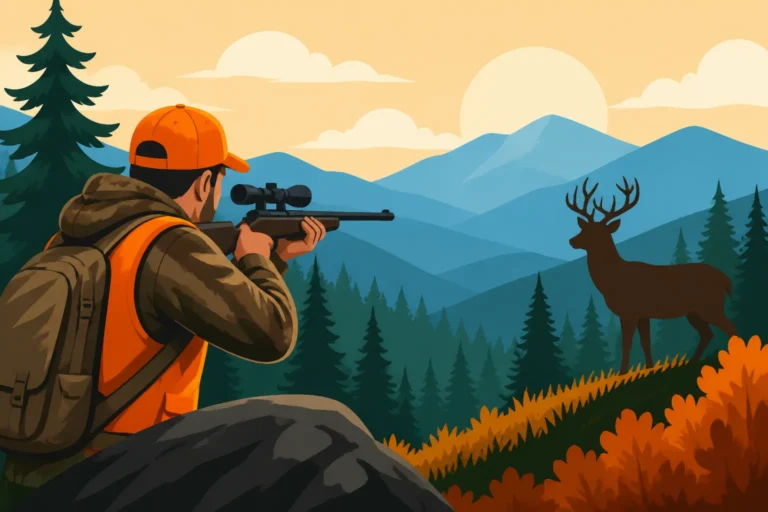
For deer in Nantahala, a versatile rifle chambered in a caliber like .270, .308, or 6.5 Creedmoor is a solid choice. These calibers offer a good balance of knockdown power and relatively flat trajectories for potential longer shots across hollows, while still being effective in thick timber. For black bear, you might consider slightly heavier calibers like a .30-06 or .300 Win Mag. For bowhunters, ensuring your setup is tuned for precise, close-range shots is paramount given the dense cover. Rifle Setups for North Carolina Deer Hunting can give you more insights.
Optics are also vital. Quality binoculars (8x or 10x) will help you pick apart distant cover and identify game in low light. A reliable rifle scope with good low-light gathering capabilities is also a must. A rangefinder can be invaluable for confirming distances in unfamiliar terrain, especially when shots might be across a ravine. Your pack choice should reflect the need for carrying essential gear for a full day, or even overnight. Look for a comfortable pack with good weight distribution, enough capacity for extra layers, food, water, and emergency supplies. Consider a Packs for a Pisgah Forest Day Hunt type of setup, as Pisgah shares many similar characteristics with Nantahala.
Access, Ethics, and Overcoming Hunting Pressure
Nantahala is huge, but it still sees hunter pressure, especially during opening weekends and the peak rut. Smart hunters learn how to mitigate this by understanding access, respecting the land, and seeking out less-traveled areas.
Navigating Forest Roads and Trail Systems
Accessing Nantahala National Forest typically involves a network of paved and gravel forest roads. Many of these roads are well-maintained, but some can be rough, requiring a high-clearance vehicle, especially after heavy rains. Always be aware of gates; some roads are seasonal and close to vehicles after a certain date, requiring you to park and walk. The NCWRC and Forest Service websites will have updated information on road conditions and closures.
Beyond vehicle access, an extensive system of hiking trails crisscrosses the forest, including portions of the Appalachian Trail. While these trails provide excellent foot access, be mindful that they are shared with hikers, backpackers, and other recreational users. Always wear blaze orange during gun season, even if you are an archery hunter, for visibility and safety. Treat all users with respect and consideration. Remember that your goal is to minimize your impact and leave the forest as pristine as you found it.
Dispersed Camping and Minimizing Your Impact
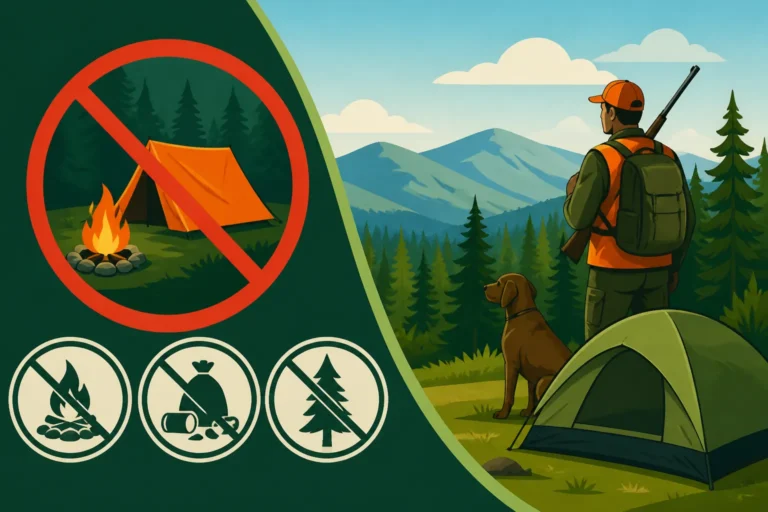
Dispersed camping is generally allowed throughout Nantahala National Forest, unless otherwise posted, offering hunters the chance to truly immerse themselves in the backcountry. This means camping away from developed campgrounds, often packing in all your gear and packing out all your waste. This is an incredible opportunity for multi-day hunts, allowing you to be deep in prime hunting areas at first light and stay until last light.
When dispersed camping, follow Leave No Trace principles. Camp at least 200 feet from water sources, trails, and roads. Pack out everything you pack in, including food scraps. Bury human waste properly. Keep your camp low-impact and discreet. Fire restrictions might be in place, especially during dry periods, so always check local conditions. By being a responsible backcountry user, you help ensure that these opportunities remain available for future generations and maintain the wild character of the forest.
Finding Seclusion and Respecting Other Users
Despite its vastness, key access points and easily accessible areas of Nantahala can see significant hunting pressure, especially on opening weekend. To find seclusion and undisturbed game, you'll need to work for it. This often means walking farther than most hunters are willing to go. Look for areas that are difficult to access – beyond gates, deep in drainages, or on top of remote ridges. Use your mapping apps to identify these areas and scout them before the season. Finding Ground Others Walk Past is a principle that applies perfectly here.
Respect for other hunters is paramount. Give other hunters a wide berth, especially if you see their vehicle parked along a road. If you encounter another hunter in the woods, a simple nod or quiet greeting is usually sufficient; avoid loud conversations that could disturb game. Always be aware of your surroundings, identify your target definitively, and know what's beyond it. Nantahala National Forest is a shared resource, and ethical, respectful behavior ensures a positive experience for everyone.
Disclaimer
This article is for general informational purposes only and does not constitute professional advice. Laws, prices and regulations vary by location and change over time. Consult a qualified professional for guidance on your specific situation.