North Carolina Turkey Population Estimate
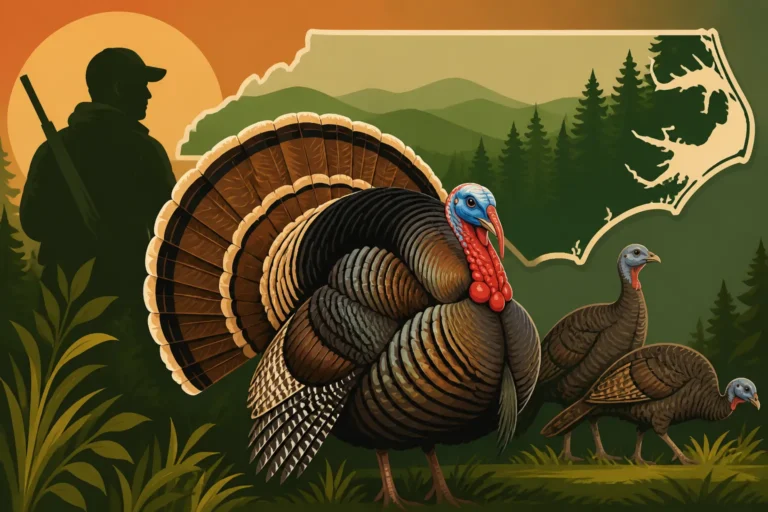
It can sometimes feel like you're playing a guessing game trying to figure out exactly how many wild turkeys roam the diverse landscapes of North Carolina. You might hear a chorus of gobblers on a crisp spring morning in the Piedmont, or spot a lone hen scratching in a mountain hollow, but what does that truly mean for the overall health of the population? This guide aims to pull back the curtain on how wildlife biologists estimate our state's wild turkey numbers and what factors influence these vital statistics, giving you a clearer picture of the birds we all cherish.
Understanding the North Carolina Turkey Population Estimate
Let's be real, counting every single wild turkey across our vast state, from the mountains to the coast, is an impossible task. They don't stand still for roll call! So, when we talk about a "population estimate," it's crucial to understand that it's just that—an educated guess, a scientific approximation based on a variety of data points. Wildlife agencies, like our dedicated folks at the North Carolina Wildlife Resources Commission (NCWRC), employ a suite of sophisticated techniques to get as close as possible to the real numbers.
One of the primary methods involves annual harvest data. Every time a hunter checks in a turkey, that information provides a crucial data point. This includes the county of harvest, the date, and sometimes even the sex and age of the bird. Over time, these harvest numbers, when combined with hunter effort data (like how many hunters were out, which can sometimes be estimated through license sales or surveys), can paint a picture of population trends. A rising harvest trend often suggests a healthy, growing population, while a decline might signal concerns. However, it's not a perfect one-to-one correlation, as harvest numbers can also be influenced by weather conditions during the season or changes in hunter participation.
Beyond harvest, biological surveys play a huge role. These often involve specific observation efforts by NCWRC staff and even citizen scientists. Think about brood surveys during the summer, where observers record the number of hens and the poults (young turkeys) they've successfully raised. This "poult-to-hen ratio" is a critical indicator of reproductive success, which directly impacts future population numbers. If hens are only bringing a few poults to maturity, that's a red flag. If they're showing up with large broods, that's great news for the population's growth potential. These intensive data collection methods allow biologists to model population growth, estimate survival rates, and ultimately provide those statewide and regional estimates we often hear about. These estimates are never static; they're constantly refined and updated as new data comes in, reflecting the dynamic nature of wild turkey populations. You can often find reports on North Carolina Turkey Population Trends from the NCWRC website.
Factors Influencing North Carolina Turkey Numbers
Wild turkeys, like all wildlife, are incredibly sensitive to their environment. Their numbers aren't just a random count; they're a direct reflection of how well they're navigating a complex web of ecological factors. Understanding these influences can help us appreciate the challenges our turkey populations face and why their numbers might fluctuate from year to year.
Habitat is, without a doubt, king when it comes to supporting healthy turkey populations. Turkeys need a diverse landscape that provides everything from nesting cover to roosting trees and abundant food sources. This means a mix of mature hardwood forests, open woodlands, agricultural fields, and brushy edges. In North Carolina, we have a fantastic variety of these habitats, but changes within them can have a profound impact. Forest fragmentation, for example, where large tracts of timber are broken up by development, can reduce prime habitat. Conversely, responsible forestry practices, including prescribed burns, can create ideal conditions by opening up the understory for bugging and promoting herbaceous growth that turkeys love. Access to quality habitat is something many hunters think about, and tools like GoHunt can provide invaluable mapping insights into public and private land features that influence turkey distribution.
Weather patterns, especially during the crucial spring and early summer nesting and brooding periods, are another massive variable. A cold, wet spring can be devastating for turkey poults. Young turkeys are highly susceptible to hypothermia in their first few weeks, and heavy, prolonged rains can wipe out entire broods. A series of mild, dry springs can lead to booming poult survival and a subsequent population surge. Droughts, on the other hand, can reduce insect populations, which are a critical protein source for growing poults. These weather events are completely out of human control, making population management a continuous dance with Mother Nature.
Predation also plays a natural, yet significant, role in turkey dynamics. While predators are a vital part of a healthy ecosystem, a surge in predator numbers, especially nest predators like raccoons, opossums, and coyotes, can put pressure on turkey populations, particularly during nesting season. Nest Predation and North Carolina Turkey Hatches are closely monitored by biologists. Bobcats and great-horned owls are also known turkey predators, though their impact is often less significant than that of smaller, more opportunistic nest raiders. Hunters who participate in predator control on private lands often cite the benefit to ground-nesting birds like turkeys and quail. Disease outbreaks, though less common than habitat or weather impacts, can also occur. Avian pox or blackhead disease can affect turkey health, especially in areas of high bird density, but widespread, catastrophic outbreaks are fortunately rare.
Table: Key Factors Influencing North Carolina Wild Turkey Populations
| Factor | Impact on Turkey Population | Geographic Variance | Management Implications |
|---|---|---|---|
| Habitat Quality | Provides food, cover, nesting sites; crucial for survival. | High | Forest management, prescribed burns, habitat restoration. |
| Weather (Spring) | Cold, wet springs reduce poult survival. | Moderate | No direct control, but good habitat provides some resilience. |
| Predation | Nest and poult predation can limit recruitment. | Moderate | Predator management (where legal/appropriate), habitat design. |
| Food Availability | Influences hen health, poult growth, winter survival. | High | Mast crop fluctuations, agricultural practices, food plots. |
| Disease | Can cause localized die-offs; less common widespread. | Low | Monitoring sick birds, carcass removal. |
| Hunting Pressure | Regulated harvest ensures sustainable numbers. | Moderate | Season length, bag limits, youth seasons. |
Regional Differences in North Carolina Turkey Populations
North Carolina is a state of incredible ecological diversity, and it's no surprise that wild turkey populations reflect these regional differences. What works for a gobbler in the rugged mountains isn't necessarily what sustains a flock in the coastal plain swamps. Understanding these variations helps both hunters and biologists focus their efforts.
In the Mountain Zone, turkeys thrive in the vast, continuous forests of the Appalachian chain. Areas within Pisgah National Forest and Nantahala National Forest offer extensive hardwood stands, diverse understories, and abundant mast crops (acorns, hickory nuts) that turkeys rely on, especially for winter survival. While populations here are generally robust, the steep terrain and heavy timber can make for challenging hunting conditions, often spreading out hunter pressure. Winter severity can also play a larger role here, as deep snows can limit food access. Still, the sheer amount of contiguous habitat allows for strong populations, and it's where you might find some of the state's most challenging hunts. Learning to Read a Ridge for Mountain Zone Deer can also apply to finding turkey sign in these areas.
Moving eastward into the Piedmont, the landscape becomes a mosaic of forests, farmlands, and growing urban areas. Turkeys in the Piedmont are often found where timbered creek bottoms and woodlots meet agricultural fields. These areas provide excellent food sources, with corn, soybeans, and other crops supplementing natural forage. The challenge here is balancing development with maintaining adequate habitat corridors. While some suburban areas might even see turkeys, the highest densities are typically found in the more rural counties where large farms are interspersed with significant woodlands. Hunting Piedmont Farmland Deer often means you're in good turkey country too. The "edge effect"—where two different habitats meet—is very strong here, providing diverse food and cover.
Finally, in the Coastal Plain and Sandhills, turkeys adapt to an entirely different set of conditions. This region is characterized by extensive pine forests, pocosin swamps, and vast agricultural operations. Turkeys here utilize the longleaf pine savannas, often benefiting from prescribed fire that keeps the understory open and productive. They also thrive along the edges of pocosin swamps and river bottoms, which offer dense cover and varied food sources. While the terrain might be flatter, the vegetation can be incredibly thick, making birds here notoriously elusive. The sheer scale of some of these timbered and agricultural tracts allows for significant turkey populations, though hunters might need to adjust tactics for the unique cover. For specific areas, places like Holly Shelter Game Land offer a unique turkey hunting experience, often requiring different strategies than those employed in the mountains or Piedmont.
Regardless of the region, the general principles of Where North Carolina Turkeys Are Densest often boil down to areas with a good mix of mature timber for roosting, open areas for feeding and strutting, and dense cover for nesting and protection from predators. Hunters often use mapping tools to identify these habitat types before hitting the woods.
What Hunters Can Do to Support Turkey Conservation
As hunters, we have a vested interest and a direct role in ensuring healthy wild turkey populations for generations to come. Our contributions, both financial and observational, are absolutely vital to the ongoing success of turkey conservation in North Carolina. It's not just about pulling the trigger; it's about being an active steward of the resource.
First and foremost, participate in harvest reporting. This might seem like a minor step, but every checked turkey contributes to the data used by NCWRC biologists to make informed management decisions. If turkeys aren't reported accurately, the population models become less reliable, potentially leading to incorrect season structures or bag limits. It's a simple, mandatory step that has a huge impact. Reporting a deer through North Carolina's app is a similar process for turkeys, and it's quick and easy. Additionally, if you're lucky enough to harvest two birds in a season, remember the North Carolina Turkey Daily Bag Limit rules and check them both in appropriately.
Secondly, support conservation organizations. Groups like the National Wild Turkey Federation (NWTF) are on the front lines, working with landowners and state agencies to fund habitat improvement projects, conduct research, and advocate for sound wildlife management policies. A portion of your hunting license dollars also directly funds these efforts, showcasing how North Carolina Hunting Licenses and What They Cost is an investment in the future of hunting. These funds go towards things like prescribed burning to enhance habitat, planting beneficial food sources, and even public land acquisitions that expand hunting opportunities. Consider attending local NWTF chapter meetings; you'll learn a ton and connect with like-minded individuals.
Finally, be an ethical and knowledgeable hunter. Understanding North Carolina Spring Turkey Season Rules and adhering to them strictly is non-negotiable. This includes knowing legal shooting hours, permissible methods of take, and respecting private property boundaries. Educating yourself on effective hunting tactics, whether it's Calling a North Carolina Gobbler Off the Roost or perfecting your Run-and-Gun Turkey Tactics on Public Land, allows you to be more successful while still maintaining ethical standards. Passing on a questionable shot, knowing when to call it a day, and always prioritizing safety are hallmarks of a responsible hunter. By continually learning, whether through hunter education courses or by mentoring new hunters under North Carolina Mentored Youth Hunting Rules, we reinforce the positive image of hunting and ensure its future. Your presence in the woods, your observations, and your responsible actions all contribute to the overall health and perception of North Carolina's wild turkey resource.
Disclaimer
This article is for general informational purposes only and does not constitute professional advice. Laws, prices and regulations vary by location and change over time. Consult a qualified professional for guidance on your specific situation.