North Carolina Deer Vehicle Collisions
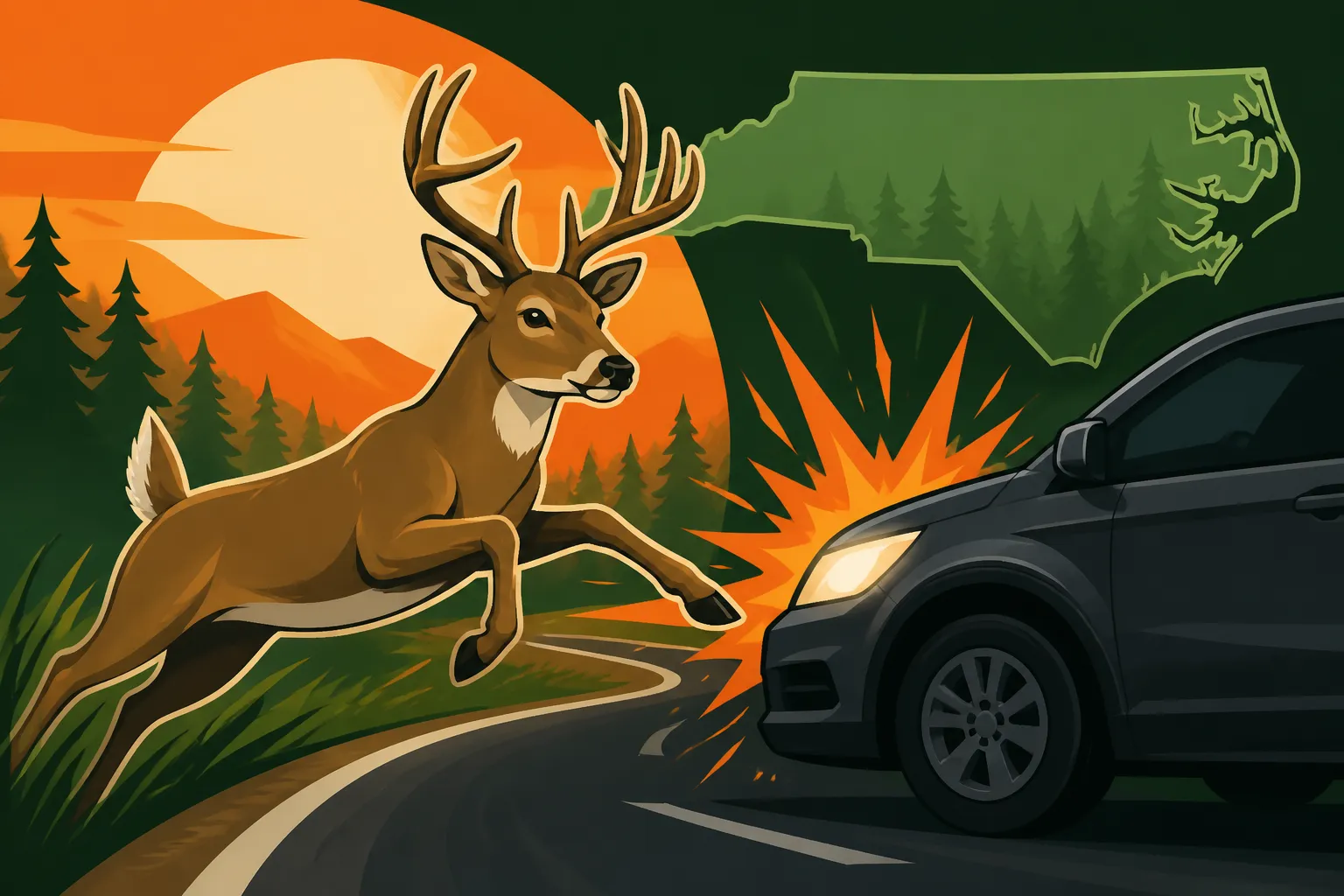
The sudden sight of a deer on a winding North Carolina road is a common, heart-stopping terror for many drivers, often leading to costly and dangerous collisions that can throw your entire day, or even your year, into disarray. It’s a situation no one wants to face, yet it's an unfortunate reality across our state. This guide will delve deep into why these encounters happen, when and where you're most at risk, what crucial steps to take if you unfortunately hit a deer, and most importantly, practical strategies to help you avoid these potentially devastating incidents on our beautiful Tar Heel State roadways.
The Alarming Reality of Deer Vehicle Collisions in North Carolina
If you’ve driven North Carolina roads for any length of time, you’ve likely either seen the aftermath of a deer collision, had a close call yourself, or know someone who has hit a deer. It's a frustrating, expensive, and sometimes dangerous aspect of sharing our highways with abundant wildlife. Our state is blessed with a thriving white-tailed deer population, which is fantastic for hunters and wildlife enthusiasts, but it also presents a significant challenge for drivers as human development continues to expand.
Our Growing Deer Population Meets Expanding Infrastructure
For decades, North Carolina has seen its deer population grow and expand into areas where they were once rare or absent. This success story in wildlife management means more deer are present across all three of our distinct regions – the Mountains, Piedmont, and Coastal Plain. As suburban sprawl pushes further into what was once agricultural land or undeveloped timber, roads inevitably cut through traditional deer habitat. These roadways become necessary crossings for deer moving between food sources, bedding areas, and water, or simply as they establish new home ranges. It’s a classic case of increasing interface between human activity and wildlife, leading directly to a higher probability of interaction, and unfortunately, collision. Many wildlife agencies actively track deer population numbers, and if you look at resources like the North Carolina Deer Population Estimate or even historical North Carolina Deer Harvest Records, you can see the upward trend in overall deer numbers, which directly correlates to more deer on our roads.
This isn't just a rural issue anymore. While country roads through vast timber tracts and farmlands are notorious, we’re seeing more and more deer venturing into the fringes of our towns and cities. Think about subdivisions in Raleigh, Charlotte, or Greensboro that back up to creek bottoms or small woodlots. These areas provide food and cover, and deer adapt surprisingly well to human presence. The challenge is, they often have to cross busy thoroughfares to get from one patch of cover to another, or to access a particularly tasty patch of landscaping in someone’s yard. It creates a collision risk that many urban and suburban drivers might not expect.
The Frustration and Cost for North Carolina Drivers
Beyond the immediate danger, hitting a deer carries a significant emotional and financial burden. The sudden impact is terrifying, and the damage to your vehicle can range from a dented fender to a completely totaled car. Anyone who’s had to deal with the aftermath knows the frustration: the tow truck, the rental car, the insurance claims, and the often lengthy repair process. It's not uncommon for repairs to run into the thousands of dollars, pushing deductibles and potentially increasing insurance premiums. Even if you're lucky enough to avoid a serious accident, the constant vigilance and anxiety of driving through "deer country" after dark can be exhausting. It’s a real and valid concern for North Carolinians, and one that demands our attention and proactive measures.
Pinpointing When and Where Deer Encounters are Most Probable
To avoid deer vehicle collisions, understanding when and where deer are most active is your absolute best defense. Deer aren’t randomly crossing roads; their movements are dictated by biological needs, seasonal changes, and habitat features. By knowing these patterns, you can adjust your driving habits to significantly reduce your risk.
Seasonal Surges: The Rut, Dispersal, and Beyond
Without a doubt, the fall months, particularly October through December, represent the absolute peak for deer vehicle collisions in North Carolina. This period coincides directly with the white-tailed deer breeding season, commonly known as the rut. During the rut, bucks are intensely focused on finding does, and does are trying to avoid or manage the attention of bucks. Their usual cautious behavior goes right out the window. They're moving more, often at odd times, and are simply less aware of their surroundings, including oncoming traffic. If you've ever wondered When the North Carolina Rut Peaks by Zone, you'll know that this varies slightly across the state, but generally, late October into November is prime time for this heightened deer activity everywhere.
Beyond the fall rut, there's another peak of activity in late spring and early summer. This is when yearling deer, born the previous year, are often pushed out by their mothers who are preparing to birth new fawns. These young deer, often inexperienced and navigating unfamiliar territory, are dispersing to find their own home ranges. This can lead to increased road crossings and a higher risk of collision. Also, throughout the year, deer are constantly moving between food and water sources. If a new timber cut opens up fresh browse, or a landowner plants a green field, deer will alter their movements to access these resources, potentially increasing road crossings.
The Critical Hours: Dawn, Dusk, and Low Visibility
If you’re driving anywhere in North Carolina, the most dangerous times for deer collisions are consistently during dawn and dusk. This isn't a coincidence; it's when deer are naturally most active, moving from their daytime bedding areas to nighttime feeding grounds, and vice-versa. At these times, visibility is naturally low. The sun can be in your eyes during sunrise or sunset, and the ambient light is just enough to make it difficult to see dark-colored deer against shadowed backgrounds, but not enough to effectively use your high beams without blinding other drivers.
Consider a typical evening commute in the Piedmont: You're driving home after work, and the sun is dipping below the tree line. The shadows lengthen, and suddenly, a deer steps out from the woods lining the road. Your eyes are adjusting to the fading light, and the deer's natural camouflage makes it incredibly difficult to spot until it's too late. This combination of increased deer movement and reduced driver visibility creates a perfect storm for accidents.
Mapping the Hotspots: Understanding Geographic Risks
While deer are widespread, certain areas of North Carolina consistently report higher numbers of collisions. Generally, rural roads, especially those that wind through or border large tracts of woods, agricultural fields, or undeveloped land, are high-risk areas. The Piedmont region, with its mix of suburban development, sprawling farms, and significant deer populations, often sees a large share of these incidents. However, the Coastal Plain, with its vast pocosin swamps and agricultural areas, and even the Mountain region, where deer navigate steep terrain and narrow valleys, also have their notorious hot spots.
To get a better sense of local risk, consider using resources that map wildlife activity. While designed for hunters to locate game, tools like GoHunt provide mapping layers that can help you visualize habitat and understand general deer movement patterns in specific areas. Understanding things like Deer Density by North Carolina Zone or knowing which Finding Which Zone Your County Sits In can give you a better idea of overall deer numbers in your immediate surroundings. A higher deer density often correlates with a higher chance of encountering one on the road. For example, if you're driving through a county known for Why the Piedmont Grows Older Bucks, chances are you're in an area with a healthy and active deer population, and that means being extra cautious. Similarly, if you're navigating roads adjacent to areas where hunters are focused on Hunting Coastal Plain Pocosin Swamps, you can bet there's a good number of deer in the vicinity.
Here's a quick overview of key risk factors:
| Factor | High Risk Period/Location | Why It Matters |
|---|---|---|
| Season | Oct-Dec (Rut) | Deer actively seeking mates, less cautious, moving more |
| April-June (Fawn dispersal) | Yearlings moving to new territories, inexperienced | |
| Time of Day | Dawn & Dusk | Deer most active, low visibility for drivers |
| Location | Rural roads, wood edges | Roads intersect natural deer habitat |
| New developments | Habitat reduced, deer forced to cross | |
| Speed | High speeds | Less reaction time, greater impact force |
Navigating the Aftermath: What to Do If You Hit a Deer
No one wants to hit a deer. It's a traumatic and often dangerous event. But knowing what to do in the moments and hours after a collision can make a significant difference in your safety, the legal repercussions, and the insurance process. Don't panic, but do act decisively and cautiously.
Immediate Safety and Injury Assessment
Your absolute first priority is always safety. If you strike a deer:
- Stay Calm and Pull Over Safely: As soon as you can, safely pull your vehicle to the side of the road, away from traffic. Turn on your hazard lights immediately to alert other drivers. If possible, get your vehicle completely off the main roadway.
- Check for Injuries: First, assess yourself and any passengers in your vehicle. Are you or anyone else injured? Even minor bumps and bruises should be noted. If there are serious injuries, call 911 immediately.
- Do Not Approach the Deer: It's a natural instinct to want to check on the animal, but a wounded deer can be incredibly dangerous. It might kick, bite, or try to run, potentially putting you in harm's way or causing another accident. It's best to keep your distance.
You might be shaken, angry, or sad, but maintaining a clear head for these initial steps is paramount. The safety of yourself, your passengers, and other motorists outweighs any concern for the vehicle or the animal at this immediate moment.
Contacting Authorities and Meeting Reporting Requirements
Once you're safe, the next step is to involve law enforcement.
- Call Law Enforcement: Contact local police, the sheriff's office, or the North Carolina Highway Patrol. Even if the damage seems minor, having an official report is crucial for insurance purposes. They can also assist with traffic control, remove the deer from the roadway, and determine if any further action is needed regarding the animal.
- Reporting the Collision: North Carolina has specific guidelines for reporting deer collisions. You'll want to adhere to North Carolina Deer Reporting Requirements. Generally, it's recommended to report any deer killed in a vehicle collision to the North Carolina Wildlife Resources Commission (NCWRC) or the local law enforcement agency involved.
- Carcass Retrieval: This is an important point for many North Carolinians. If you hit and kill a deer with your vehicle, you are permitted to take possession of the carcass. However, you must notify the NCWRC or the law enforcement officer responding to the scene within 24 hours of the collision. This ensures proper documentation and adherence to wildlife regulations. Don't just load it up and go without making that official contact. This rule is in place to manage the resource and prevent illegal harvest under the guise of a collision.
Law enforcement will document the incident, which provides an official record for your insurance company and helps the state track wildlife collision data. Don't skip this step.
Dealing with Insurance and Vehicle Damage
After the immediate danger has passed and authorities have been contacted, your focus will shift to your vehicle and insurance.
- Document Everything: Take clear photos of your damaged vehicle, the scene if safe to do so, and any relevant road signs. Note the exact location, time, and weather conditions. Get the name and badge number of the responding officer, and the incident report number.
- Contact Your Insurance Company: As soon as possible, report the incident to your insurance provider. Comprehensive coverage typically covers damage from deer collisions, but it’s essential to understand your policy’s specifics, including your deductible. Provide them with all the documentation you collected.
- Arranging for Repairs or Towing: Follow your insurance company's guidance for getting your vehicle repaired or towed. They will likely send an adjuster to assess the damage. It can be a lengthy process, especially if parts are hard to come by, but having all your ducks in a row with documentation will help streamline it.
Defensive Driving and Awareness: Your Best Defense Against Collisions
While we can't completely eliminate the risk of deer vehicle collisions, there's a lot we can do as drivers to drastically reduce our chances of an encounter. It boils down to a combination of defensive driving, heightened awareness, and understanding the natural world around us.
Proactive Driving Habits for Deer Country
The most effective way to avoid hitting a deer is to adjust your driving behavior, especially in high-risk areas and during peak times.
- Slow Down, Especially at Dawn and Dusk: This is non-negotiable. Reducing your speed gives you more time to react if a deer suddenly appears. At 55 mph, it takes significantly longer to stop than at 45 mph. This is especially true on unlit, winding country roads.
- Use High Beams When Safe: When there's no oncoming traffic, use your high beams to increase your visibility of the road ahead and the ditches on either side. Deer eyes will often reflect in the headlights, giving you an early warning. However, dim them immediately for oncoming vehicles to avoid blinding other drivers.
- Scan the Road and Shoulders Constantly: Don't just stare straight ahead. Actively scan the edges of the road, the ditches, and any areas where deer might emerge from cover. Deer often freeze in headlights, or they might dart out unexpectedly. Remember, deer rarely travel alone; if you see one, assume there are more nearby. Many experienced hunters will tell you that after you see one deer cross, always expect a second, third, or even more to follow, especially if it's a doe with fawns or a group during the rut.
- Be Extra Vigilant Near Waterways, Field Edges, and Woodlots: These are natural travel corridors and feeding areas for deer. If you're driving along a river bottom or where a field meets a patch of woods, your collision risk is higher. Even if you don't hunt, understanding these basic principles of wildlife movement, which hunters often learn through resources like GoHunt, can make you a safer driver. For instance, knowing how to approach Reading a Ridge for Mountain Zone Deer gives insight into how deer move through mountainous terrain, which translates directly to where they might cross a road in those areas.
Leveraging Data and Local Knowledge for Awareness
Staying informed about local deer activity can also give you an edge. Many local news outlets report on seasonal deer activity, and state wildlife agencies often provide updates.
- Heed Warning Signs: When you see a "Deer Crossing" sign, take it seriously. These signs aren't placed randomly; they indicate areas where deer are known to frequently cross the road.
- Utilize Community Alerts: Some communities have local apps or social media groups where people report deer sightings or collision hotspots. Stay engaged with local information to know if there's a sudden surge in activity in your area.
- Understand Local Trends: If you live in an area with a high North Carolina Deer Population Estimate, or specifically high Deer Density by North Carolina Zone, you need to be constantly aware. Tools and apps that hunters use, such as GoHunt's mapping features for game activity, can give you a better understanding of where deer are likely to be present, even if you’re just driving through. This kind of spatial awareness, often honed by those who spend time in the woods, can be incredibly valuable for drivers too.
Long-Term Solutions and Community Involvement
Beyond individual driving habits, there are broader efforts to reduce deer vehicle collisions. These include wildlife exclusion fencing along highways, deer crossing reflectors (though their effectiveness is debated), and even overpasses or underpasses designed specifically for wildlife. As a citizen, supporting initiatives that explore these long-term solutions, or reporting collision hotspots to your local Department of Transportation, can contribute to safer roads for everyone. Ultimately, a combination of cautious driving, heightened awareness, and community-level solutions is key to reducing the frustrating and dangerous reality of deer vehicle collisions in North Carolina.
Disclaimer
This article is for general informational purposes only and does not constitute professional advice. Laws, prices and regulations vary by location and change over time. Consult a qualified professional for guidance on your specific situation.