When the North Carolina Rut Peaks by Zone
There’s nothing quite as frustrating as feeling like you've missed the peak of the deer rut, spending countless hours in the stand only to see does and fawns while the big bucks remain ghosts. Understanding when the North Carolina rut truly peaks in your specific hunting zone is crucial for maximizing your chances and experiencing those thrilling moments of deer chasing and seeking. This comprehensive guide is here to shed light on the nuances of the whitetail breeding season across our diverse state, helping you pinpoint the best times to be in the woods.
Understanding the Rut and North Carolina's Zones
The rut, or breeding season, is the most anticipated time of year for many deer hunters. It’s when bucks are most active, often throwing caution to the wind in pursuit of receptive does. But what exactly defines the rut, and why does its timing vary so much even within a single state like North Carolina? It all comes down to a combination of biological factors and geographical differences.
What is the Rut and Why Does it Matter?
At its core, the rut is the period of sexual activity in deer, driven primarily by photoperiod – the amount of daylight in a 24-hour cycle. As days shorten in the fall, a doe's body produces melatonin, signaling her reproductive system to prepare for estrus. Bucks, on the other hand, are driven by rising testosterone levels, prompting them to shed velvet, create rubs and scrapes, and begin actively seeking does. This seeking and chasing phase is often what hunters refer to as the "peak rut" because it's when bucks are most visible and vulnerable.
However, it's important to differentiate between the peak of breeding activity and the peak of observed buck movement. While the majority of does might be bred in a relatively short window, the entire rut encompasses several phases: the pre-rut (when bucks are making sign and beginning to cruise), the seeking/chasing phase (often seen as the "peak" for hunters), the breeding phase (when bucks are locked down with does), and the post-rut (when bucks are worn out but still occasionally looking for unbred does). For hunters, understanding these phases is key to Rattling and Grunting in North Carolina effectively and knowing what behavior to expect.
North Carolina's Deer Hunting Zones
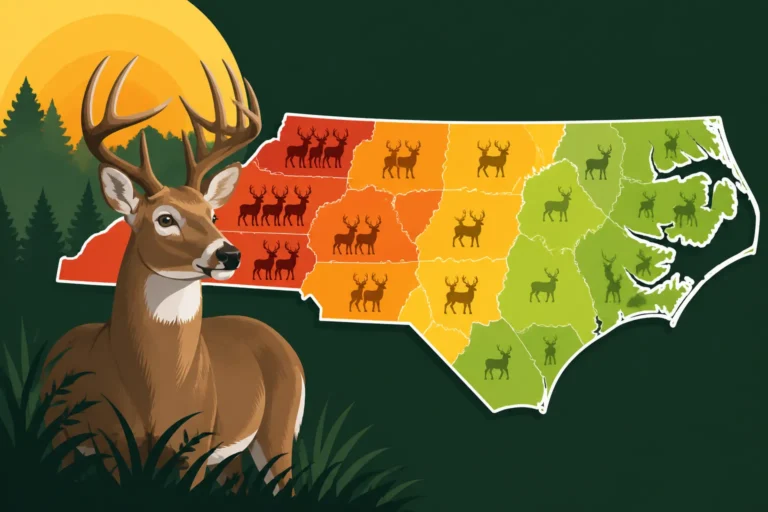
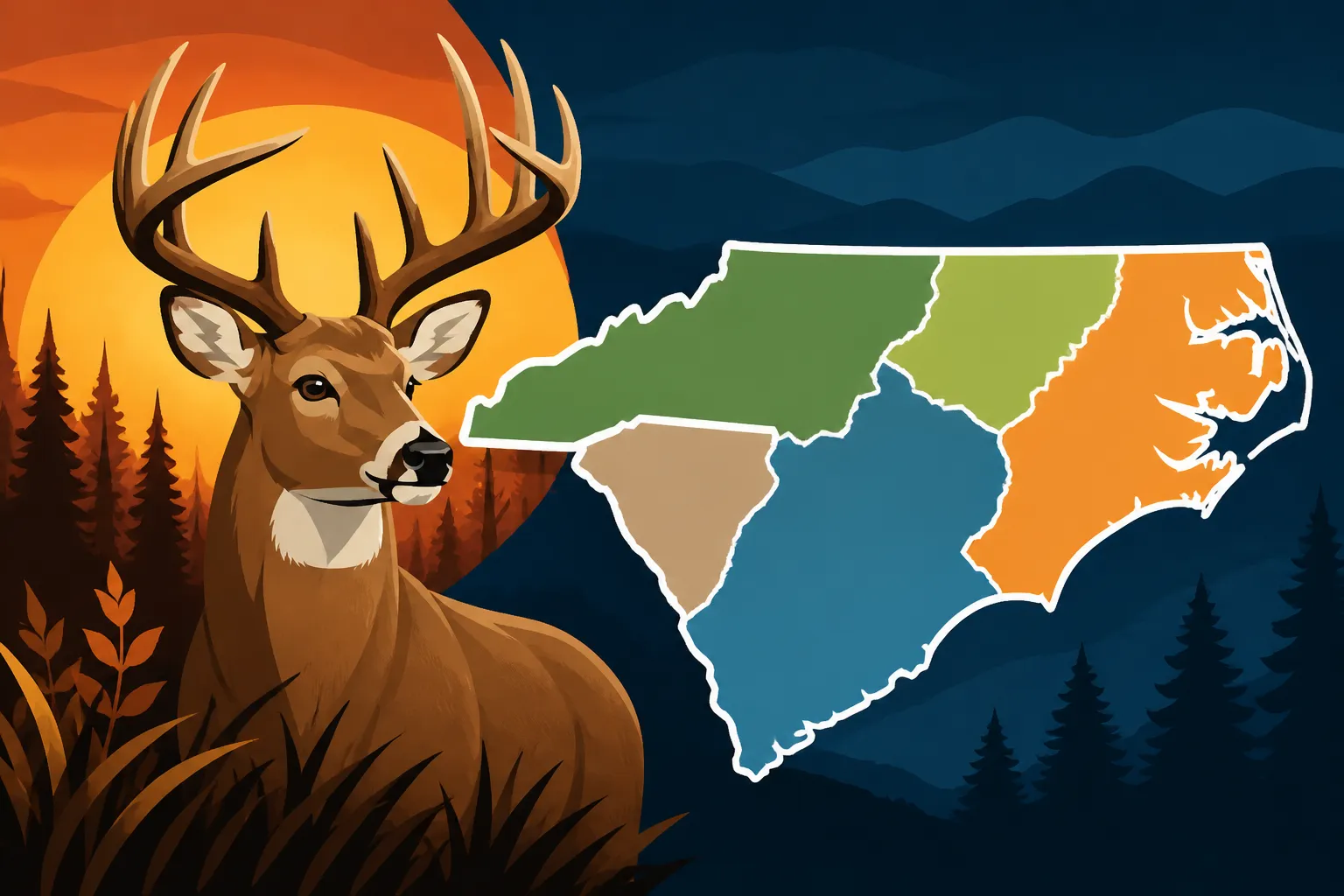
North Carolina is a long state, stretching from the Atlantic Ocean to the Appalachian Mountains, encompassing vast differences in climate, terrain, and deer populations. To manage deer effectively, the state is divided into distinct deer hunting zones, each with its own season dates and, critically, its own general timing for the rut. If you're unsure which zone your hunting grounds fall into, it's essential to consult the official regulations or online resources. Our state’s deer season structure is clearly outlined in guides like North Carolina's Four Gun Deer Zones and North Carolina Deer Season Structure Explained.
These zones — Eastern, Central, and Western — account for the ecological variations that subtly shift the deer's biological clock. While photoperiod is the primary driver, local factors like herd health, nutrition, and even hunting pressure can influence the intensity and observable peak of the rut within these broader windows. For example, a healthier deer herd with a balanced buck-to-doe ratio might experience a more intense, compressed rut. Hunters who diligently Scouting North Carolina Public Land Before Season will often note earlier or later signs depending on local conditions.
Eastern Zone Rut Peak: Coastal Plain Dynamics
The Eastern Zone covers a significant portion of North Carolina's flat, often swampy Coastal Plain, extending from the coast westward. Here, the rut tends to be one of the earliest and often most visible in the state, offering fantastic opportunities for those willing to brave the unique challenges of the terrain.
Early Action in the Coastal Plain
In the Eastern Zone, hunters typically start seeing significant rut activity, particularly the seeking and chasing phases, from late October through mid-November. This is often when you'll witness bucks actively scent-checking scrapes, making rubs, and dogging does across fields and through the dense pocosin swamps. The peak breeding, when most does are actually bred, usually occurs in the first two weeks of November. This earlier timing sets the Eastern Zone apart from its counterparts to the west.
Many seasoned hunters in the Eastern Zone will tell you that the last week of October and the first two weeks of November are prime time for encountering a buck on its feet during daylight hours. This is especially true for those big, mature coastal bucks that have been nocturnal for most of the early season. You might see a younger buck chasing a doe at breakneck speed through a cut cornfield, or spot a heavy-antlered deer slowly cruising a pine plantation edge, nose to the ground, looking for the tell-tale scent of a receptive doe. This is the period when tactics described in Hunting the Rut in the Eastern Zones become most effective.
Key Factors Influencing the Eastern Rut
The relatively early rut in the Eastern Zone is consistent across much of the southeastern Coastal Plain, believed to be an adaptation to allow fawns to be born earlier in the spring, benefiting from emerging forage before the full heat and insect load of summer arrive. The sheer abundance of thick cover, from dense pine plantations to impenetrable river bottoms and pocosin swamps, means deer often have excellent sanctuary, but also that bucks are forced to cover a lot of ground to find does, making them more visible.
Local food sources can also influence specific hotspots during the rut. Areas with persistent soft mast or late-season food plots can concentrate does, which in turn draws bucks. Hunting travel corridors between these food sources and bedding areas, especially with a favorable wind, can be incredibly productive. Keep in mind that pressure from North Carolina's Gun Deer Season by Zone can also influence deer movement, pushing them deeper into cover, but the biological drive of the rut often overrides some of these pressures. Hunters using tools like GoHunt often overlay satellite imagery with observed sign to pinpoint these key travel routes, helping them understand how deer are using the landscape during this intense period.
Central Zone Rut Peak: Piedmont's Powerful Window
Moving west into North Carolina's Central Zone, encompassing the rolling hills and agricultural landscapes of the Piedmont, we see a slightly later and often more compressed rut peak compared to the Eastern Zone. This area offers a fantastic mix of habitat, from small woodlots to vast farmlands.
The Piedmont's Prime Period
In the Central Zone, the peak of deer rut activity typically occurs from the second week of November through the last week of November. This is often considered the classic "Thanksgiving rut" for many North Carolina hunters, and for good reason. During this period, bucks are highly active, exhibiting strong seeking behavior, chasing, and tending does. The actual breeding peak usually falls in the middle two weeks of November.
This mid-November timeframe is when you want to be in your stand or blind as much as possible. It's when those mature bucks, which may have been reclusive for weeks, are suddenly on their feet during daylight hours, often responding well to calls and decoys. You might witness a tense standoff between two bucks over a doe, or watch a cruising buck pause to work a fresh scrape line. Areas where you've done your homework, like Setting Up on a Piedmont Field Edge, can be absolute hotspots as bucks check for receptive does feeding in or around agricultural areas.
Rut Behavior in Central Farmland and Forests
The Piedmont's mix of farmland, scattered woodlots, and suburban fringes creates a unique rutting environment. Bucks here often have to cross open areas between cover patches to find does, increasing their visibility. However, heavy hunting pressure in some areas can push them towards nocturnal activity earlier in the season. During the rut, however, that biological imperative often takes over, making even pressured bucks move during the day.
Scouting for fresh rubs and scrapes becomes paramount in the weeks leading up to this peak. Bucks will be laying down a lot of sign, and identifying active scrape lines can be a major indicator of buck travel routes. Many hunters rely on tools like GoHunt to analyze historical harvest data or track localized observations, often finding that public land areas or larger private tracts consistently produce good rutting activity year after year. The relatively healthy deer population, as indicated by North Carolina Deer Population Estimate, combined with excellent forage, contributes to strong rutting behavior here, with this region producing some of the Best North Carolina Counties for Big Bucks.
Western Zone Rut Peak: Mountain Timing and Terrain
Finally, we head west into the rugged and beautiful Appalachian Mountains, covering the Western Zone. Here, the rut is typically the latest in the state, influenced by cooler temperatures and vastly different terrain. Patience is a virtue for mountain hunters.
Mountain Magic: Later Rut Timing
For hunters in the Western Zone, the peak of rut activity usually occurs from late November through the first week or two of December. It's a later show compared to the rest of the state, often coinciding with colder temperatures and even some early snow in the higher elevations. This means hunters often experience a classic "cold rut," with crisp air and potentially beautiful, snow-dusted landscapes. The peak breeding window here often falls in the last week of November and the first week of December.
This later timing is typical for deer populations in more northern latitudes or higher elevations. Bucks, though often smaller-bodied than their coastal cousins, are just as driven during this period. They will be methodically working ridge tops and coves, following scent trails, and responding aggressively to calls. Understanding Reading a Ridge for Mountain Zone Deer becomes incredibly important, as deer often travel along these contours during the rut. This is prime time for hunters who prefer to brave the colder conditions and enjoy the solitude of mountain hunting, following tactics often employed during Hunting the Rut in the Western Zone.
Adapting to Terrain and Pressure
Hunting the mountain rut requires a different approach than hunting the flatlands. The sheer scale of the terrain, combined with lower deer densities in some areas, means covering ground and being patient are key. Bucks will often cruise parallel to benches and along saddles, checking for does below them or moving between drainages. Finding areas with good acorn crops or other late-season mast can be crucial, as does will congregate there, drawing bucks.
Hunting pressure on some of the popular public lands can be significant during this late-season peak, but the vastness of the national forests (like Pisgah and Nantahala) still offers plenty of opportunities for solitude. Using a platform like GoHunt, you can sometimes cross-reference publicly available data with anecdotal reports to identify areas that might see less pressure, or areas with historical buck activity. Thermal hubs – south-facing slopes that get more sun – can also be key during cold spells, attracting deer looking for warmth. This late-season rut in the Western Zone truly tests a hunter's endurance but offers some of the most rewarding experiences.
North Carolina Rut Peak by Zone Summary
To give you a quick overview, here's a table summarizing the general peak rut periods across North Carolina's three major deer hunting zones. Remember, these are general windows, and local conditions can cause slight variations. Always stay tuned to local reports and, most importantly, be in the woods whenever you can!
| Hunting Zone | Primary Rut Activity (Seeking/Chasing) | Peak Breeding Window (Approximate) | Key Influences |
|---|---|---|---|
| Eastern | Late October – Mid-November | First two weeks of November | Photoperiod, Coastal Plain ecology |
| Central | Mid-November – Late November | Second and third weeks of November | Photoperiod, Piedmont habitat, food |
| Western | Late November – Early December | Last week of November – First week of December | Photoperiod, elevation, colder temperatures |
Remember, these are guidelines, and the precise day a buck decides to show up is always up to the deer. The best way to catch the rut is to spend as much time as possible in the woods during these windows, paying close attention to fresh sign and deer behavior.
Disclaimer
This article is for general informational purposes only and does not constitute professional advice. Laws, prices and regulations vary by location and change over time. Consult a qualified professional for guidance on your specific situation.