North Carolina’s Historic Quail Decline
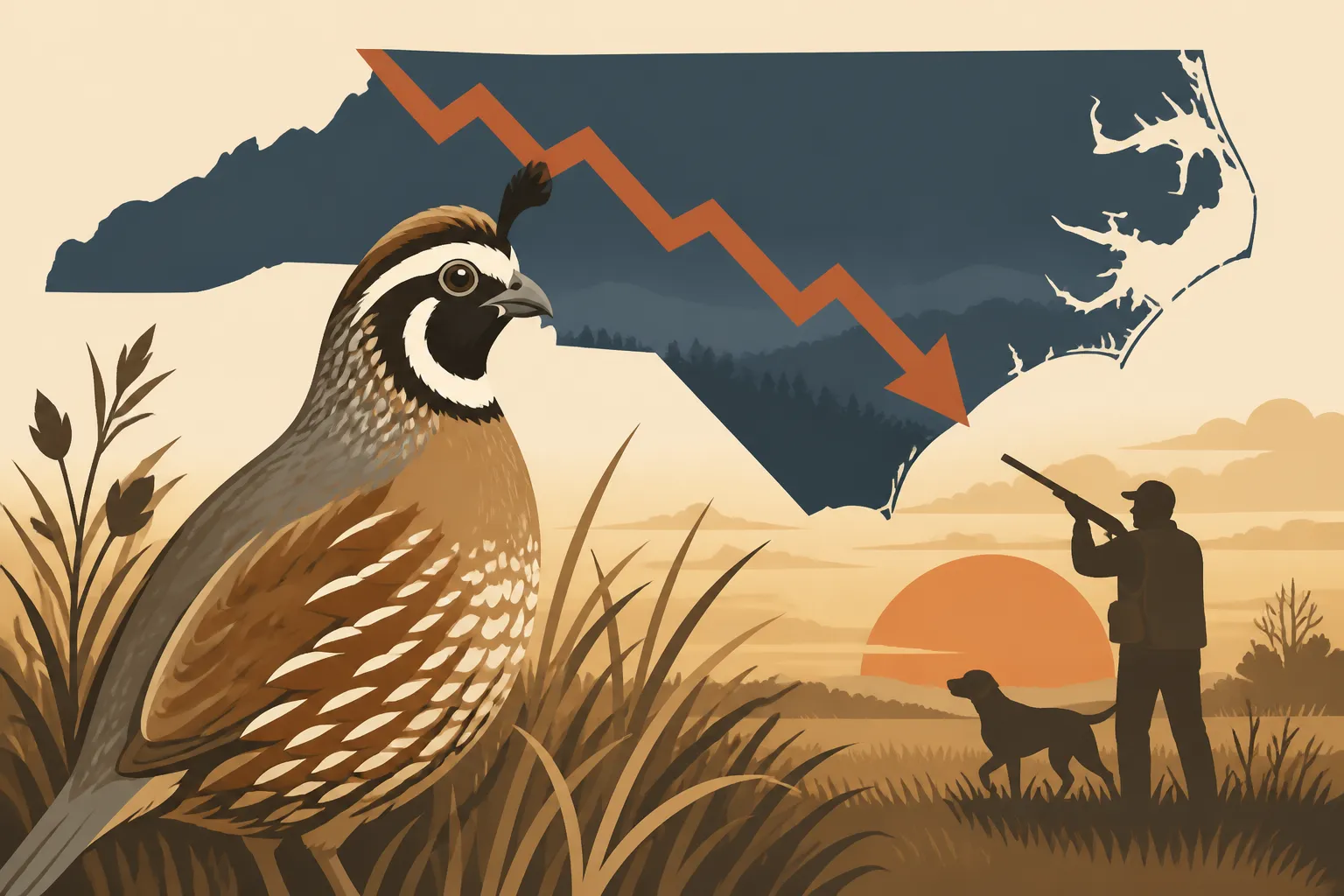
For many of us who grew up in North Carolina, the sound of a bobwhite quail covey erupting from a hedgerow was the very soundtrack of autumn. It was a sound that sparked joy, anticipation, and a deep connection to the land. But walk those same fields today, and that iconic whistle is often replaced by a silence that speaks volumes, a silence that many long-time hunters and conservationists find heartbreaking. This guide will delve into the profound and historic decline of the bobwhite quail population across our beautiful state, exploring the root causes, the ecological impact, and the dedicated efforts underway to bring back this cherished bird.
The Golden Age and the Fading Echoes – A Look Back at North Carolina's Quail Legacy
There was a time, not so long ago in the grand scheme of things, when North Carolina was a quail hunter's paradise. Grandfathers would tell stories of coveys numbering in the dozens, flushed from every second field edge. It's tough for younger hunters today to even imagine such abundance, but it was a very real part of our state's rich hunting heritage.
The Abundance of Yesteryear
Imagine a North Carolina landscape mosaic: small farms with diverse crops, meandering hedgerows thick with blackberry and sumac, fallow fields growing up in ragweed and broomstraw, and small patches of timber. This was the world our bobwhite quail thrived in. They were everywhere, from the Coastal Plain’s sandy soils to the rolling Piedmont hills and even in the lower elevations of the mountains. Quail hunting wasn't just a pastime; it was a deeply ingrained cultural tradition, a social event bringing families and communities together.
Hunters would typically walk fields behind a good bird dog, perhaps a pointer or a setter, and expect to find multiple coveys in a morning's outing. The dogs, bred for generations to find and hold these birds, were magnificent to watch. The seasons were generous, reflecting the healthy populations, and a successful day meant a heavy game bag and a satisfied heart. Many of us who remember those days feel a pang of nostalgia, wishing we could transport the younger generation back to witness it firsthand. It wasn't just about the hunt; it was about the experience, the camaraderie, and the wildness of it all.
The Slow Slide – Early Signs of Trouble
The changes didn't happen overnight; it was a gradual, insidious shift that, in hindsight, became painfully obvious. Farmers began planting fence row to fence row, maximizing every inch of tillable ground. Small woodlots were cleared, and the fencerows that provided vital cover and food for quail were torn out to make way for larger, more efficient farming equipment. Hunters, particularly those who consistently worked the same properties, started noticing fewer flushes. The coveys were smaller, and the gaps between finding birds grew longer.
Initially, these observations might have been dismissed as an "off year" or bad weather, but as the trend continued through the 70s, 80s, and into the 90s, it became impossible to ignore. The familiar whistle of the bobwhite became rarer, replaced by the persistent drone of tractors and the sterile monoculture of vast agricultural fields. What was once a subtle concern blossomed into a full-blown alarm for conservationists and bird hunters alike. We started asking ourselves, "Where have all the quail gone?" and the answers, unfortunately, were complex and deeply rooted in large-scale changes to our environment.
Unraveling the Whys – Key Factors Behind the Decline
Pinpointing a single cause for the bobwhite quail's decline is like trying to untangle a ball of yarn after a kitten has played with it for hours – it's complicated, with many threads interwoven. However, scientists and conservationists have identified several primary drivers that, when combined, created a perfect storm for quail populations.
Habitat Loss and Fragmentation
This is unequivocally the most significant factor in the quail's disappearance. Quail are creatures of early successional habitat – young, brushy cover, often found at the edges of fields and forests. They need a diverse mix of food sources (seeds, insects), nesting cover (tall grasses), and escape cover (dense shrubs and briars) within a small home range, ideally no larger than 20-40 acres.
The face of North Carolina agriculture and development has changed dramatically. Smaller family farms, with their mosaic of diversified crops, hedgerows, and brushy borders, have largely given way to larger, industrial agricultural operations that prioritize vast, unbroken fields of a single crop, often corn or soybeans. These operations tend to eliminate the "edge habitat" that quail depend on. Gone are the weedy turn rows, the brushy creek bottoms, and the small, unkempt corners that provided essential refuge. Suburban sprawl also plays a role, gobbling up prime habitat for housing developments and commercial spaces, leaving behind fragmented patches of land that are too small and isolated to support viable quail populations. Even timber management practices that favor dense, closed-canopy forests over open, early successional pine stands have contributed to the problem.
Predation Pressure and Its Role
The role of predators in quail decline is often a hotly debated topic among hunters and biologists. While predators like raccoons, opossums, snakes, and raptors have always been a part of the quail's natural environment, their impact has intensified as habitat has dwindled. When quail habitat is fragmented and sparse, birds become more vulnerable. They have fewer places to hide, fewer safe nesting sites, and often have to travel further between patches of suitable cover, exposing them to greater risk.
Think of it this way: if a quail covey is forced to live in a small, isolated patch of cover surrounded by open, agricultural desert, they are much easier for a hawk to spot, a coyote to track, or a raccoon to raid their nests. In a healthy, expansive habitat, the sheer volume of suitable hiding spots, combined with the quail's natural wariness and camouflage, helps them evade predators. It's not necessarily that there are more predators overall (though some, like coyotes, have certainly expanded their range), but rather that the remaining quail populations are forced into situations where they are exceptionally vulnerable. This ecological imbalance means that even normal levels of predation can have a disproportionately negative effect on already struggling populations.
Disease, Weather, and Other Environmental Stressors
Beyond habitat loss and predation, other environmental factors can deliver severe blows to quail populations, especially those already teetering on the edge. Harsh weather, for instance, can be devastating. Prolonged periods of cold, wet weather during nesting and brooding seasons can lead to high chick mortality. Conversely, severe droughts can reduce insect populations (a crucial food source for young quail) and shrink available water sources.
Diseases and parasites can also take a toll. While not always as obvious as a mass die-off, endemic diseases or high parasite loads can weaken birds, making them more susceptible to predation or less capable of reproducing successfully. The widespread use of pesticides and herbicides in agricultural areas is another silent threat. While often not directly fatal to adult quail, these chemicals can reduce the insect populations that young quail rely on for protein, impacting their growth and survival rates. Furthermore, herbicides eliminate the very weeds that produce seeds, a staple food source for adult quail, effectively sterilizing the land of its natural bounty for these birds. It’s a multi-pronged assault that makes the quail’s fight for survival incredibly challenging.
The Ripple Effect – More Than Just a Bird
The decline of the bobwhite quail isn't just a sad story for bird enthusiasts or hunters; it represents a significant ecological and cultural loss for North Carolina. When a species as historically abundant and ecologically vital as the quail struggles, it sends ripples through the entire landscape and into our communities.
Impact on Hunters and Local Economies
For generations, quail hunting was a cherished tradition, a rite of passage for many young hunters. It fostered a deep connection to the land and taught patience, observation, and the value of a good bird dog. The disappearance of wild quail means that this tradition is slowly fading. Many hunters who once pursued quail have either given up or shifted their focus to other game species. This impacts not only the individual hunter's experience but also the broader hunting culture of our state.
Economically, the decline has had a noticeable effect, particularly in rural areas. Less quail hunting means less spending on hunting licenses, gear, dog food, fuel, and lodging in small towns. Guide services, once a thriving niche, have dwindled. Even if you're not a hunter yourself, the cumulative loss of revenue from a once-vibrant hunting activity has consequences for local businesses. It's another example of how changes in our natural world can quietly erode the fabric of rural life. When talking about scouting new areas, a tool like GoHunt, while primarily focused on big game, can still be valuable for understanding public land access and identifying landscape features that might be suitable for habitat restoration, even if it's not currently quail-rich.
Ecological Implications – A Bellwether Species
The bobwhite quail is often referred to as an "indicator species" or "bellwether species." This means that their health and population trends are a reliable barometer for the overall health of the ecosystem they inhabit, particularly the diverse early successional habitats that are critical to so many other species. If quail are thriving, it suggests that the landscape offers a healthy mosaic of native grasses, wildflowers, insects, and protective cover.
When quail populations decline, it signals broader issues within the environment. Many other species, including grassland songbirds, rabbits, and even certain pollinators, rely on similar habitats. Their decline could mean that the habitat necessary for these species is also disappearing or being degraded. The loss of quail habitat points to a reduction in biodiversity, a decrease in the natural resilience of the land, and a worrying trend for the future of our rural ecosystems. Bringing back the quail means bringing back a healthier, more vibrant landscape for countless other creatures, too.
Fighting for the Future – Conservation Efforts and Hope
Despite the somber reality of the quail's decline, there is a strong, dedicated movement in North Carolina to reverse the trend. Conservation organizations, state agencies, and passionate individuals are working tirelessly to restore habitat and bring back the bobwhite's iconic call. It's a long, uphill battle, but one filled with hope and determination.
Habitat Restoration – Bringing Back the Brush
The cornerstone of all quail recovery efforts is habitat restoration. Since habitat loss is the primary driver of the decline, recreating those diverse early successional landscapes is paramount. This involves a variety of techniques, often implemented on private and public lands across the state. One of the most promising strategies involves the reintroduction and management of North Carolina Longleaf Pine and Quail Habitat. Longleaf pine ecosystems, when properly managed with regular prescribed burns, create an open, grassy understory that is ideal for quail.
Other techniques include planting native warm-season grasses, establishing field borders and hedgerows, creating native wildflower plots for insect production, and managing timber stands for open-canopy conditions. The goal is to provide that critical mix of dense nesting cover, abundant food sources, and escape cover, all within a small, accessible area for a covey. Organizations like Quail Forever and the North Carolina Wildlife Resources Commission (NCWRC) provide technical guidance and resources to landowners interested in these practices. Many are also implementing How Managed Pine Could Restore North Carolina Quail strategies which focus on thinning and burning timber to create the needed understory.
Landowner Incentives and Partnerships
Given that much of North Carolina's land is privately owned, engaging landowners is absolutely critical to quail recovery. Many farmers and foresters are interested in conservation but need assistance with the costs and technical know-how. Various state and federal programs offer financial incentives and expertise to private landowners who commit to implementing quail-friendly habitat practices. These might include cost-share programs for planting native grasses, creating field borders, or conducting prescribed burns.
Partnerships between government agencies, non-profits, and landowners are key. For instance, the NCWRC works with landowners to develop habitat management plans tailored to their specific property, often leveraging grants and other funding sources to help offset expenses. This collaborative approach recognizes that large-scale recovery requires widespread participation and a shared vision for the landscape. Understanding local conditions and land ownership patterns can be aided by tools like GoHunt, which helps visualize property boundaries and public land tracts where such partnerships might be focused.
Research and Monitoring – Understanding the Path Forward
Conservation efforts are guided by science. Ongoing research and monitoring are essential to understand the effectiveness of different habitat management techniques, track quail population trends, and identify new threats or opportunities. Biologists conduct quail call counts, flush counts with pointing dogs, and sometimes even trap and band birds to gather data on survival rates, reproductive success, and movement patterns.
This data helps refine conservation strategies, ensuring that resources are allocated to the most impactful projects. For example, if research indicates that a particular predator is having an outsized impact in a specific area, management efforts might be adjusted. Or if certain habitat types consistently yield higher quail densities, those methods can be prioritized. Long-term monitoring also allows agencies to track the overall health of the North Carolina Quail Season Status and make informed decisions about hunting regulations, ensuring sustainable populations moving forward.
What You Can Do – Practical Steps for the Passionate Hunter
It's easy to feel helpless when faced with such a massive conservation challenge, but every individual can contribute to the quail's recovery. As hunters, conservationists, or simply lovers of North Carolina's natural heritage, our actions matter, whether on our own land or through our support for broader initiatives.
Private Land Management Strategies
If you own land in North Carolina, even a small acreage, you have a direct opportunity to make a difference. The goal is to create or enhance early successional habitat. This might involve:
- Establishing Field Borders: Instead of planting right to the edge, leave a strip of native grasses and weeds around crop fields. These provide crucial nesting cover and insect forage.
- Managing Hedgerows and Fencerows: Allow these linear features to grow dense with native shrubs, briars, and small trees. They act as travel corridors and escape cover. Think about letting those old, brushy fencerows grow up like they did decades ago. For insights on managing these linear features, you might look at strategies for Rabbit Hunting North Carolina Fencerows, which also benefit quail.
- Prescribed Burning: If appropriate for your property and done safely and legally, controlled burns can thin out dense undergrowth, promote native seed production, and stimulate insect activity. It's a powerful tool, but always consult with experts and ensure you have proper permits and firebreaks. Learning about Prescribed Burns and North Carolina Hunting Closures can help you understand the benefits and regulations.
- Timber Stand Improvement: If you have woodlands, thin out pine plantations to create more open conditions, allowing sunlight to reach the forest floor and encourage ground-level vegetation important for quail.
- Planting Native Warm-Season Grasses: Converting fescue or other non-native grasses to native species like switchgrass, indiangrass, and big bluestem provides excellent nesting cover and brood-rearing habitat.
Even small efforts, when aggregated across many private landowners, can create significant habitat improvements. Don't underestimate the power of thoughtful land stewardship. When trying to scout for areas with this type of habitat, even on a new private tract, mapping tools can be useful. While GoHunt's primary focus is often western states, its mapping capabilities for understanding topography and land features can still help you identify areas with potential for Reading Aerial Photos for Piedmont Deer or quail habitat.
Supporting Conservation Organizations
Not everyone owns land, but everyone can support the organizations doing the heavy lifting for quail recovery. Groups like Quail Forever, Audubon North Carolina, and the NCWRC rely on volunteers, donations, and membership fees to fund their habitat restoration projects, research, and outreach programs. By becoming a member, volunteering your time, or making a financial contribution, you directly support efforts to:
- Fund Habitat Projects: Your donations literally help plant native grasses, conduct prescribed burns, and create crucial cover.
- Support Research: Contributions aid in scientific studies that provide the data needed to make informed conservation decisions.
- Advocate for Policy: These organizations work to influence land use policies and secure funding for conservation at state and federal levels.
It's also important to stay informed about local initiatives. Attend public meetings, read newsletters, and engage in discussions about land management in your area. The collective voice of concerned citizens is powerful. We need to remember that the future of North Carolina's wild quail depends on a unified effort, from the largest landowners to the smallest individual contributions.
Table: Key Habitat Components for Bobwhite Quail and Their Benefits
| Habitat Component | Description | Quail Benefit |
|---|---|---|
| Native Warm-Season Grasses | Switchgrass, Indiangrass, Big Bluestem | Excellent nesting cover, escape cover from avian predators, insect habitat for chicks. |
| Brushy Hedgerows/Thickets | Sumac, Blackberry, Privet, Wax Myrtle, small oaks | Thermal cover in winter, escape cover from ground predators, travel corridors, some food (berries). |
| Weedy Field Edges | Ragweed, Partridge Pea, Beggar's Lice, Croton | Crucial seed production for adult quail food, insect habitat, brood-rearing cover. |
| Open-Canopy Pine Stands | Longleaf, Loblolly, Shortleaf with sparse understory | Foraging areas, roosting cover, good visibility for predator detection. Often managed with Prescribed Burns and North Carolina Hunting Closures. |
| Crop Residue/Fallow Fields | Leftover corn/soybean stubble, old herbaceous growth | Foraging opportunities for seeds, cover during winter, dusting areas. |
| Water Sources | Puddles, dew, moist vegetation, creeks | Direct hydration, important for insect production (chicks). |
This diverse tapestry of habitat elements is what North Carolina needs to once again hear the distinctive call of the bobwhite quail across its fields and forests.
Disclaimer
This article is for general informational purposes only and does not constitute professional advice. Laws, prices and regulations vary by location and change over time. Consult a qualified professional for guidance on your specific situation.