Prescribed Burns and North Carolina Hunting Closures
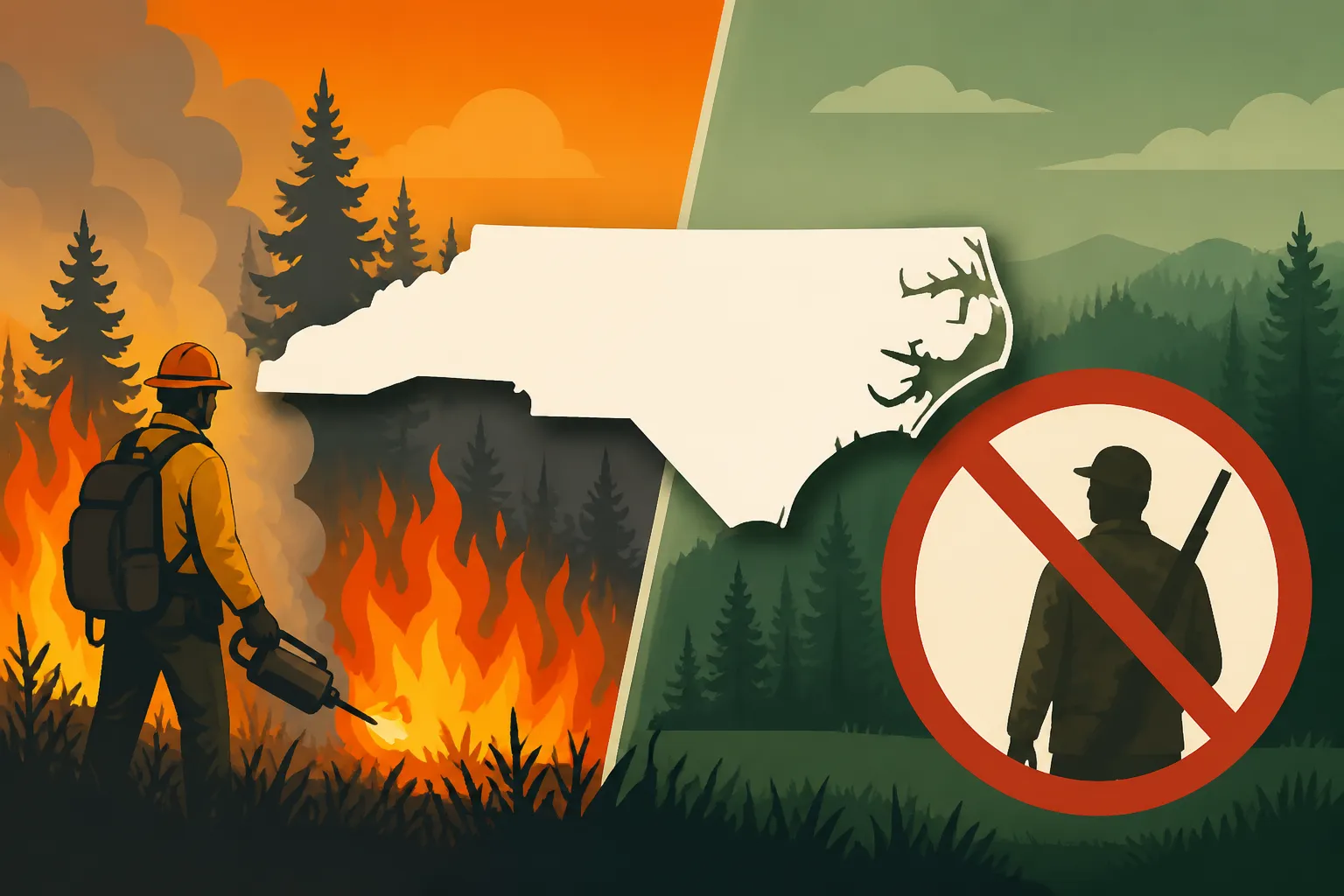
There’s nothing quite as frustrating as meticulously planning a hunting trip, driving hours to your chosen spot on public land, only to find a "CLOSED" sign due to a recent or active prescribed burn. It's a real punch to the gut when you've invested time, gas, and anticipation into a hunt that suddenly vanishes. This guide is here to help you understand why these burns happen, how they benefit wildlife, and most importantly, how to stay informed about potential closures so you can adjust your plans and keep your hunting season on track.
The Vital Role of Prescribed Burns in North Carolina Wildlife Management
You might look at a recently burned area and think, "Well, that's ruined for hunting for a while!" And initially, it can look a bit stark. But prescribed burns, also known as controlled burns, are one of the most powerful and important tools wildlife and forest managers have in North Carolina. They're not just random fires; they are carefully planned operations conducted under specific weather conditions to achieve very deliberate ecological goals.
Restoring Natural Habitats and Promoting Healthy Forests
North Carolina's natural landscapes, particularly our longleaf pine ecosystems in the Sandhills and Coastal Plain, evolved with fire. Historically, natural wildfires, often started by lightning, played a crucial role in maintaining these open, diverse habitats. Without fire, these areas become choked with dense undergrowth, hardwoods encroach, and sunlight can't reach the forest floor. This dense, often monocultural, environment isn't ideal for many of our beloved game species.
Think about quail, for example. They need open understories with plenty of native grasses and forbs to nest, feed, and escape predators. When the woods get too thick, quail populations suffer. Prescribed burns clear out that woody undergrowth, reduce competition, and stimulate the growth of beneficial forage plants. Deer and turkey benefit greatly from this regeneration, as fresh, nutritious sprouts emerge from the newly enriched soil. It's like a reset button for the forest, bringing it back to a more vibrant, productive state for wildlife. You'll often find deer absolutely hammering new growth in a burn area once it starts to green up.
Reducing Wildfire Risk and Protecting Communities
Beyond habitat management, prescribed burns are incredibly important for public safety. We've all seen the devastating news stories about massive, uncontrolled wildfires out West, or even smaller but dangerous blazes here in the Southeast. Much of that catastrophic fire behavior is fueled by the accumulation of "ladder fuels" – dense undergrowth, dead leaves, and small trees that can carry a small ground fire up into the tree canopy, turning it into an inferno.
By intentionally burning off these accumulated fuels under controlled conditions, land managers drastically reduce the risk of future, much larger, and more destructive wildfires. This protects not only the forests and wildlife within them but also surrounding homes, businesses, and infrastructure. So, while it might temporarily close a hunting area, it's a necessary step to prevent a much worse scenario down the road. It also means that when you're hunting in areas like Croatan National Forest Hunting or parts of the Pisgah, you're less likely to encounter uncontrolled fires that could spread quickly.
Staying Informed: How to Find Prescribed Burn Information and Closures
The inconvenience of a hunting closure is real, but thankfully, there are several ways to stay ahead of the game and avoid showing up to a burned-out or closed-off hunting spot. Planning is key, and knowing where to look for information will save you a lot of headache and heartache.
Official Agency Websites and Public Notices
The primary sources for prescribed burn information are the agencies that manage the land. If you're hunting on National Forest land, like Pisgah or Nantahala, you'll want to check the U.S. Forest Service website for the specific forest and ranger district. They typically post burn plans and active burn notifications well in advance, or at least as soon as a burn is initiated. These sites often have dedicated "fire information" sections.
For North Carolina Game Lands, the North Carolina Wildlife Resources Commission (NCWRC) website is your go-to. They’ll often have news releases or specific game land advisories regarding burns. Sometimes, they’ll even have maps indicating planned burn units. Don't just check once; these plans can change rapidly based on weather conditions, so make it a habit to check closer to your hunt date, too. It’s always smart to check the NC Wildlife Map Tool before heading out.
Using Mapping and Scouting Applications
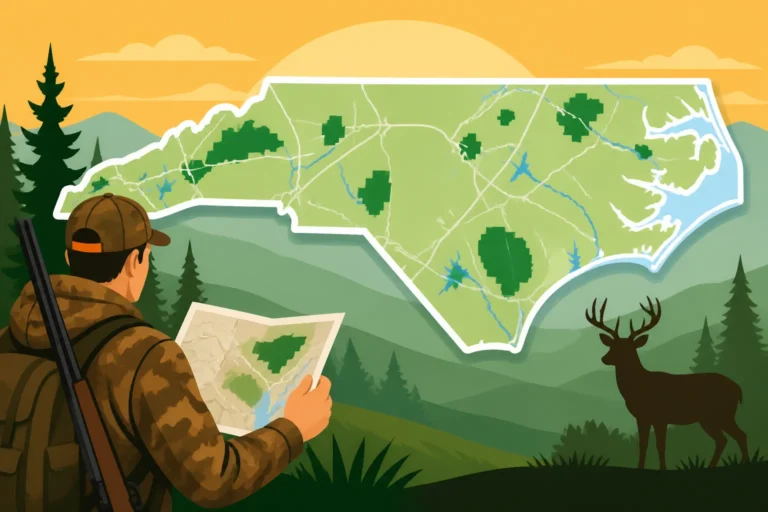
Modern technology has made staying informed about land conditions much easier. Mapping apps designed for hunters are invaluable tools here. Many folks rely on platforms like onX Hunt, which can display land ownership, public land boundaries, and even sometimes have overlays for special use areas or closures. While onX Hunt might not have real-time burn updates directly embedded, you can use it to pinpoint the specific public land tract you plan to hunt and then cross-reference that with official agency websites. For example, if the Forest Service announces a burn in a specific section of Pisgah National Forest, you can use onX Hunt to see exactly where that section is relative to your planned stand location or entry point. This helps you visualize the impact of the burn.
Additionally, some apps and websites allow users to add notes or report observations. While not official, seeing recent activity reported by other hunters in a specific area could be a clue to check official sources more diligently. For serious habitat management research, some hunters might also consult resources like those occasionally found on platforms like GoHunt, which often delves into habitat work across the country, giving a broader understanding of why certain land management practices, like prescribed burns, are implemented.
Local Signage and On-Site Verification
Even with all the digital tools, don't underestimate the power of physical signage. Agencies will almost always post notices at access points, parking areas, and trailheads if a burn is active or a section of land is closed due to recent burn activity. Keep your eyes peeled for these signs, as they are the final, definitive word on whether an area is safe and legal to enter.
It’s also important to realize that a burn might be active but contained to a specific unit, leaving adjacent areas open. However, smoke can be a major issue. Sometimes, areas are closed not because of active fire in your immediate hunting spot, but due to heavy smoke making conditions unsafe or visibility poor. When in doubt, a quick call to the local ranger district or game land manager is always a good idea if you're not seeing clear signage or online updates.
Here's a quick reference for common agencies and where to find their burn info:
| Land Management Agency | Primary Information Source | Type of Information |
|---|---|---|
| NC Wildlife Resources Commission | NCWRC Website, Game Lands Section, News Releases | Planned burns, active burns, game land closures, habitat notes |
| U.S. Forest Service | National Forest Websites (e.g., Pisgah, Nantahala, Croatan) | Burn plans, active fire incidents, forest closures, specific district updates |
| NC Forest Service | NC Forest Service Website, Local District Offices | State forest burns, wildfire prevention, general fire danger alerts |
| National Park Service | National Park Websites (e.g., Great Smoky Mountains National Park) | Specific burn info for park lands (hunting is limited/different) |
| Local Counties/Municipalities | County/City Websites, Local Parks & Rec | Burn notices for local parks or designated natural areas |
Hunting Post-Burn: Safety and Strategic Considerations
So, you've found an area that recently had a prescribed burn, and it's now open for hunting. What next? Hunting in a post-burn environment can be incredibly rewarding, but it also comes with its own set of safety concerns and strategic adjustments.
Understanding the Safety Implications of Recently Burned Areas
First and foremost, safety. Even after the flames are out, a recently burned area can pose hazards. Stumps can smolder for days or even weeks, especially in dry conditions. The ground might be uneven, with ash pits that can be surprisingly deep and hot. Ash and soot can also make footing slippery and obscure hazards like roots or rocks.
Visibility might be different, too. With underbrush cleared, you might be able to see further, which is great for spotting game, but it also means game might spot you more easily. Always wear adequate blaze orange, even beyond the legal requirements, when moving through any public land, especially if conditions are smoky or visibility is reduced. Remember, your safety is paramount, and understanding North Carolina's Blaze Orange Requirements is crucial for every hunter.
Adapting Your Hunting Strategy to Burned Habitat
From a strategic standpoint, hunting a burned area can be fantastic. Deer and turkey, in particular, are drawn to the fresh, nutritious green-up that follows a burn. Within weeks, sometimes even days if conditions are right, new growth will emerge, providing a vital food source that often isn't available in unburned, choked areas. Look for the edges where the burn stops and unburned cover begins; these "transition zones" are often hot spots for game movement. Deer will browse the fresh sprouts in the burn, then retreat to the thicker cover for bedding and security.
Your scouting efforts will be different. Instead of looking for traditional browse lines in dense cover, you’ll be looking for tracks and droppings in the ash, and fresh nibbles on emerging greenery. Pay close attention to any areas that didn't burn, like small pockets of unburned hardwoods or thickets that might have provided a fire break; these can become temporary sanctuaries for displaced wildlife. It's a great opportunity to apply skills like Reading Aerial Photos for Piedmont Deer to identify these untouched pockets or green areas within a larger burned landscape.
A good example might be an early archery season hunt in a coastal pocosin area. A burn might have cleared out acres of dense undergrowth. While the initial appearance might be desolate, within weeks, you’d see tender shoots of gallberry, bay, and even some herbaceous plants popping up. Deer will flock to these. Setting up a ground blind or a strategically placed treestand on the unburned edge of such an area, particularly near a fresh water source, could put you right in the action. Just be sure to check the Treestand Rules on North Carolina Public Land for any specific regulations on the game land you're hunting.
Planning for the Unexpected: Flexibility is Your Best Hunting Tool
Ultimately, being a successful hunter in North Carolina often comes down to adaptability. While we love to plan every detail, Mother Nature and land managers sometimes have other ideas. Prescribed burns are a perfect example of this.
Having Backup Hunting Spots
Because burn schedules can shift, and closures can pop up with little notice, having a Plan B (and even a Plan C) is a smart move. Instead of putting all your eggs in one basket, scout multiple public land areas or private land spots if you have access. This way, if your primary area is impacted by a burn, you've got other options to explore. This kind of flexibility is crucial, especially when you consider Hunting Pressure on North Carolina Public Land, which can push game around even without burns.
Spend time scouting areas in different parts of the state or on different types of public land. Maybe you have a favorite spot in the Uwharries, but also a good backup on a Coastal Plain game land. Knowing the nuances of Public Hunting Land in North Carolina and having several areas in mind will greatly increase your chances of success and reduce frustration.
Embracing the Dynamic Nature of North Carolina's Ecosystems
Think of prescribed burns not as an obstacle, but as part of the natural rhythm of North Carolina's wild places. They are a sign of active, responsible land management that ultimately benefits the game animals we pursue. The landscapes we hunt are not static; they are constantly changing, and prescribed fire is a powerful driver of that change.
Learning to understand and even anticipate these changes makes you a more knowledgeable and effective hunter. It pushes you to improve your scouting skills, utilize mapping tools like onX Hunt more effectively, and become more attuned to the subtle shifts in habitat that influence animal behavior. So next time you see a "Prescribed Burn" sign, instead of a sigh of frustration, try to view it as an opportunity to learn, adapt, and explore new hunting possibilities in a revitalized landscape.
Disclaimer
This article is for general informational purposes only and does not constitute professional advice. Laws, prices and regulations vary by location and change over time. Consult a qualified professional for guidance on your specific situation.