North Carolina’s Recovering Bobcat Population
For so many years, seeing a bobcat in North Carolina felt like glimpsing a ghost. They were there, you knew it, but they were so incredibly rare and elusive that a sighting was truly a once-in-a-lifetime event for most folks. It could be disheartening to spend so much time in the woods and never encounter one of these magnificent, secretive predators. But I've got some wonderful news for all of us who cherish North Carolina's wild places: our bobcat population is not just surviving, it's making a significant comeback, and this guide will walk you through their fascinating journey, their role in our ecosystem, and what it means for hunters and nature enthusiasts today.
Bobcat Biology and Habitat in North Carolina
Bobcats ( Lynx rufus ) are one of North Carolina's most intriguing native predators. For a long time, their presence was more whispered legend than common knowledge, but these fierce, adaptable felines are thriving once again in our diverse landscapes. Understanding their basic biology and preferred habitats is key to appreciating their remarkable recovery.
Physical Characteristics and Adaptations
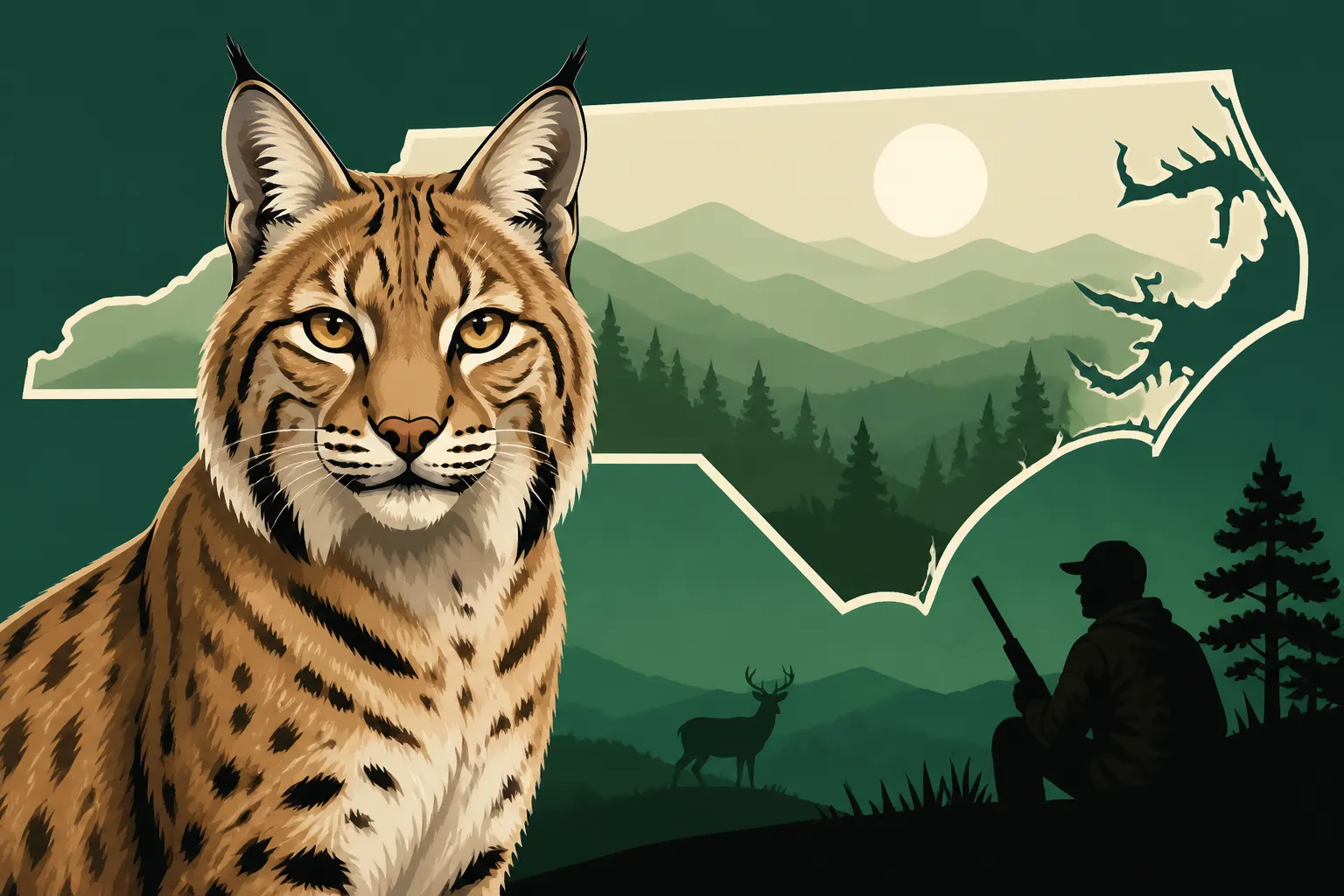
When you picture a bobcat, you're likely imagining a creature that looks like a miniature lynx, and you're not far off. These medium-sized wild cats typically weigh between 15 and 30 pounds, though some males can push 40 pounds or more, especially in areas with abundant food. Their coats range from tawny brown to reddish-brown, often adorned with distinctive black spots and streaks that offer superb camouflage in dense undergrowth. What truly sets them apart, of course, is their "bobbed" tail—short, usually six inches or less, with a black tip and a white underside. Their ears are often tufted, and they possess keen eyesight and hearing, essential for their nocturnal and crepuscular hunting habits.
Their strong, muscular bodies and relatively long legs are perfectly adapted for short bursts of speed and incredible agility, allowing them to navigate tangled woods, climb trees with ease, and pounce on unsuspecting prey. Unlike their larger, more visible cousin, the coyote, bobcats are solitary animals, preferring to move stealthily through their territories, relying on their stealth and camouflage rather than pack dynamics. You rarely hear a bobcat, and their silent movements are part of why they can be so hard to pin down, even when their numbers are healthy.
Preferred Habitats Across North Carolina
One of the reasons bobcats have adapted so well across North Carolina is their ability to utilize an incredibly wide range of habitats. From the rugged peaks and dense forests of the Appalachian Mountains to the vast pine savannas of the Sandhills and the sprawling pocosins and maritime forests of the Coastal Plain, bobcats call it all home. They particularly favor areas with a mosaic of dense cover for denning and concealment, interspersed with more open areas for hunting. This often includes thickets, swamps, rocky outcrops, abandoned farmlands, and areas with heavy undergrowth along forest edges.
In the mountains, you might find them in mature hardwood forests, utilizing rock crevices and fallen logs for shelter. In the Piedmont, they're often found along creek bottoms, brushy fencerows, and the edges of agricultural fields, finding refuge in the small woodlots and riparian zones that break up development. Down east, the vast expanses of the Croatan National Forest and Holly Shelter Game Land, with their dense pine and pocosin swamps, provide ideal habitat where these cats can disappear into the thick cover. Their adaptability even sees them venturing into suburban fringe areas, often without anyone even realizing they're there, following greenways and wooded corridors. This wide range of suitable terrain is a testament to their resilience and a major factor in their population's resurgence.
Diet and Hunting Behavior
Bobcats are opportunistic predators, and their diet reflects the bounty of North Carolina's diverse wildlife. They are primarily carnivores, with rabbits and hares often topping their menu. They'll also readily prey on mice, voles, squirrels—which you can find in abundance, especially after a good acorn year in a North Carolina oak ridge—and other small rodents, along with birds, particularly ground-nesting species. In areas where they overlap with other predators, they'll occasionally take fawns, especially during the spring when young deer are most vulnerable. While they prefer smaller prey, they are powerful enough to take down an adult deer if conditions are right, often ambushing from a concealed position.
Their hunting style is one of patience and stealth. A bobcat will often stalk its prey, moving slowly and quietly, before delivering a quick, powerful pounce. They are solitary hunters, relying on their acute senses and natural camouflage to ambush unsuspecting animals. They are most active at dawn and dusk, though they can hunt at any time of day or night. This crepuscular nature contributes to their elusive reputation, as most people are not out and about during their peak activity periods. Observing a bobcat in the wild is truly a treat, a glimpse into a master of the hunt.
Historical Decline and Conservation Efforts
The story of the North Carolina bobcat isn't just one of current recovery; it's a testament to the power of conservation and the natural resilience of wildlife. For many decades, these magnificent felines faced significant challenges that led to a dramatic reduction in their numbers.
Factors Leading to Past Declines
Like many predators in North America, bobcats in North Carolina experienced significant population declines throughout the 19th and much of the 20th centuries. Several factors contributed to this unfortunate trend. Habitat loss and fragmentation were major culprits. As settlers moved into the state, forests were cleared for agriculture, timber, and development, shrinking the wild spaces bobcats needed to thrive. The vast expanses of undisturbed wilderness that once characterized much of North Carolina began to shrink, making it harder for these solitary animals to maintain healthy territories.
Furthermore, bobcats were historically viewed as varmints or threats to livestock and poultry. This perception led to unregulated hunting and trapping, with bounties sometimes even placed on them to encourage their eradication. Without proper management or understanding of their ecological role, their numbers dwindled. The fur trade also played a role, with demand for their spotted pelts contributing to hunting pressure. It was a perfect storm of environmental change and human persecution that pushed the bobcat to the brink in many areas.
Early Conservation and Protection Measures
Fortunately, attitudes began to shift, and the value of native predators in maintaining a healthy ecosystem became more widely recognized. North Carolina, like many other states, started implementing measures to protect and manage its wildlife populations. For bobcats, this meant moving away from the "varmint" designation and towards a more regulated approach to hunting and trapping. Seasons and bag limits were established, ensuring that harvest levels were sustainable and didn't jeopardize the recovering population.
The establishment of public lands, such as our national forests and game lands, also played a critical role. These protected areas provided vital refuges where bobcats could live relatively undisturbed. Places like Nantahala National Forest and Pisgah National Forest, with their vast stretches of contiguous habitat, became strongholds for bobcat populations, allowing them to rebound. These efforts, coupled with the natural adaptability of the bobcat, laid the groundwork for the impressive recovery we see today.
The Role of Habitat Restoration
While direct protections were crucial, the slow but steady restoration and re-establishment of suitable habitat have been equally vital to the bobcat's comeback. Forest management practices that encourage diverse undergrowth, controlled burns that create open patches and thickets, and efforts to reconnect fragmented landscapes have all benefited bobcats. The abandonment of some marginal farmlands in the Piedmont, for instance, has allowed brushy areas and young forests to reclaim the land, creating ideal conditions for rabbits, rodents, and, subsequently, the bobcats that prey on them.
Wetland restoration projects, particularly in the Coastal Plain's pocosin swamps, also provide excellent bobcat habitat. These dense, often impenetrable areas offer both concealment and a rich food base. The growth of suburban greenways and conservation corridors, while not extensive enough for large territories, can sometimes provide pathways for bobcats to move through developed areas, even if they're still largely invisible. When we talk about How North Carolina Quail Numbers Fell Since the 1960s, it highlights how habitat loss can impact species, making the bobcat's story a positive contrast in terms of habitat adaptation and recovery.
Current Population Status and Range
It's truly exciting to talk about North Carolina's bobcat population today, because it's a success story. These once-rare animals are now considered common throughout much of the state, a testament to effective wildlife management and their own incredible resilience.
Estimating Bobcat Numbers and Density
Pinpointing exact numbers for a secretive, solitary animal like the bobcat is always a challenge. They don't congregate in herds like deer, nor do they vocalize frequently like coyotes. Wildlife biologists rely on a variety of methods to estimate their populations and gauge their density. These include track and sign surveys, scat analysis, trail camera surveys (which are increasingly common and effective), and scent station surveys where bobcats might leave tracks or hair. Harvest data from regulated trapping and hunting seasons also provides valuable insights into population trends and health.
What these studies consistently show is a healthy and stable, if not increasing, bobcat population across all three major regions of North Carolina—the mountains, Piedmont, and Coastal Plain. While precise figures fluctuate, the consensus is that bobcats are widespread and abundant enough to sustain regulated harvest, which is a significant indicator of a thriving species. It's a far cry from the lean decades when sightings were anecdotal at best.
Geographic Distribution in North Carolina
Today, bobcats are found in every single county in North Carolina. That's right—from the highest peaks in Swain County, which is also a stronghold for North Carolina's Black Bear Population, to the barrier islands and coastal marshes of Dare and Currituck counties, these adaptable felines have reclaimed their ancestral range. While their density might be slightly lower in heavily urbanized cores like Charlotte or Raleigh, they are still present in the green spaces and rural outskirts of even our most populous areas.
They are particularly abundant in areas with extensive cover, such as large tracts of forest, brushy wetlands, and mountainous terrain. The state's vast game lands, national forests, and even the extensive managed timberlands provide ideal conditions. Even in the highly fragmented Piedmont, the network of river bottoms, utility corridors, and brushy woodlots allows them to persist and thrive, often going unnoticed by the human population around them.
Population Trends and Future Outlook
The trend for North Carolina's bobcat population is overwhelmingly positive. Data collected over the past few decades indicates a steady increase in their numbers, which has led to their removal from the state's "fur-bearing species in need of management" list. This isn't to say they're overpopulated, but rather that their status has improved to a point where they are self-sustaining and robust.
Looking ahead, the outlook for bobcats in North Carolina remains bright. Continued responsible habitat management, coupled with regulated hunting and trapping seasons, will ensure their long-term health. As our landscape continues to evolve, understanding and adapting to human-wildlife interfaces will be key. Tools that help hunters and wildlife enthusiasts understand habitat, such as aerial and topo mapping from platforms like GoHunt, can further aid in appreciating their distribution and movements, even if you're not actively hunting them. This recovery story is a source of pride for North Carolina's wildlife conservation efforts, showing that with careful management, species can indeed bounce back.
Here's a quick overview of some bobcat facts:
| Characteristic | Description |
|---|---|
| Scientific Name | Lynx rufus |
| Average Weight | 15-30 lbs (males often larger) |
| Average Length | 28-47 inches (including tail) |
| Tail Length | 4-7 inches (distinctive "bobbed" appearance) |
| Coat Color | Tawny, reddish-brown to grayish-brown, often with black spots/streaks; white belly. |
| Habitat | Highly adaptable: forests, swamps, mountains, agricultural lands, suburban fringes – anywhere with dense cover and prey. |
| Diet | Primarily rabbits, rodents, birds; occasionally fawns, small domestic animals. |
| Activity Pattern | Crepuscular (most active at dawn/dusk), but can be active day or night. |
| Social Structure | Solitary. |
| Conservation Status | Stable and recovering in North Carolina; not considered endangered or threatened. |
Hunting and Management Regulations
With a healthy and growing population, bobcats in North Carolina are managed as a game species. This means there are specific regulations in place for their harvest, designed to ensure sustainability while providing opportunities for hunters and trappers. For those interested in North Carolina Small Game and Furbearers, bobcats represent a challenging and rewarding pursuit.
North Carolina Bobcat Hunting Season and Limits
In North Carolina, bobcats are classified as a furbearer, and there are specific hunting seasons and bag limits in place. Generally, the bobcat hunting season opens in the fall and extends into the winter months, often coinciding with other small game seasons. This provides ample opportunity for hunters to pursue them. The bag limits are typically generous, reflecting the healthy population, but it's always crucial to check the latest regulations from the North Carolina Wildlife Resources Commission (NCWRC) annually, as dates and limits can change based on biological data and management goals.
Hunting bobcats often involves calling, where hunters use distress calls mimicking rabbits or other small prey to draw the curious cats into range. It requires patience, camouflage, and a good understanding of bobcat behavior. While not as common as deer or turkey hunting, it offers a unique challenge. Successful bobcat hunters often spend time scouting, using tools like GoHunt to understand terrain and cover, much like someone would when Reading North Carolina Mud for Fresh Deer Movement, looking for signs like tracks or scat, which are telltale signs of their presence.
Trapping Regulations and Practices
Trapping has historically been, and continues to be, a significant method for harvesting bobcats in North Carolina. Like hunting, trapping is highly regulated to ensure ethical practices and sustainable harvest. Trapping seasons generally align with hunting seasons, allowing for the harvest of furs when they are prime in the colder months. Trappers must adhere to specific rules regarding trap types, placement, and checking intervals. For instance, foothold traps and snaring devices are common, but they must meet size and design specifications to minimize injury to the animal and prevent the capture of non-target species.
Anyone engaging in trapping must possess the appropriate North Carolina Trapping License Requirements, which often includes a basic hunting license and specific furbearer permits. Trapping requires significant skill, knowledge of animal behavior, and a deep understanding of the land. Trappers play a role in managing furbearer populations and contributing to data collection that helps biologists monitor the species' health. It's a method that requires dedication and adherence to a strict code of ethics.
Reporting and Data Collection
Accurate data is the backbone of effective wildlife management. For bobcats, like other game species in North Carolina, hunters and trappers are often required to report their harvests. This might involve an online reporting system or checking stations, similar to what's required for deer and bear harvests. This information, including the date, location, and sex of the harvested bobcat, provides invaluable data for wildlife biologists.
This data helps the NCWRC track population trends, assess the impact of harvest, and make informed decisions about future regulations. It allows them to understand population dynamics, reproductive rates, and overall health of the bobcat population across different regions. This collaborative effort between hunters, trappers, and wildlife agencies is essential for the continued success of North Carolina's bobcat recovery and ensures that future generations will also have the opportunity to appreciate these beautiful animals in the wild.
Coexistence with Bobcats and Public Perception
As bobcat populations continue to thrive and expand their range, interactions between humans and these once-elusive felines are becoming more common. This brings with it both fascination and, occasionally, concern. Learning to coexist peacefully is an important part of living in a state rich with wildlife.
Addressing Conflicts with Livestock and Pets
With an increased bobcat presence, particularly in areas bordering rural and suburban landscapes, there's a natural concern about potential conflicts with livestock and pets. While bobcats primarily prey on small wild animals, an opportunistic bobcat might occasionally target chickens, domestic fowl, or even small pets like cats or small dogs if left unsupervised, especially in remote or rural settings. These incidents, while rare, can be distressing for homeowners.
The best way to mitigate these conflicts is through preventative measures. Secure enclosures for poultry and small livestock are paramount. Fencing that is tall, sturdy, and extends underground to prevent digging can be highly effective. Bringing pets indoors, especially at night or during dawn and dusk, or supervising them closely when outside, significantly reduces their vulnerability. Remember, a bobcat is simply seeking an easy meal; removing those easy opportunities is the most effective deterrent. Just as managing North Carolina Feral Hog Regulations aims to reduce agricultural damage, proactive measures for bobcats help maintain harmony.
Understanding Bobcat Behavior
Most bobcats are incredibly shy and secretive animals that prefer to avoid human contact. If you are lucky enough to spot one, it's likely to be a fleeting glimpse as it quickly disappears into cover. They are not typically aggressive towards humans and generally pose no threat. However, like any wild animal, they should be given their space and never approached. A bobcat that appears unafraid of humans, is acting erratically, or is seen frequently during the day without retreating, could potentially be sick or injured, in which case you should contact the NCWRC or local animal control.
Understanding that these animals are part of our natural heritage is crucial. Their presence indicates a healthy ecosystem. They play an important role in controlling rodent and rabbit populations, which can benefit agriculture and reduce disease vectors. Appreciating their role helps shift public perception from one of fear to one of respect and admiration for their wildness.
Public Education and Awareness
Continued public education is vital for fostering coexistence with North Carolina's recovering bobcat population. Many people might not even realize bobcats live nearby, or they might mistake them for larger, more problematic predators like coyotes. Clear and accurate information can dispel myths and reduce unnecessary fear. The NCWRC, local conservation groups, and even enthusiastic bloggers like me, play a role in sharing facts about bobcat ecology, behavior, and the benefits they bring to our environment.
By promoting understanding and responsible practices, we can ensure that North Carolina remains a welcoming home for bobcats and all its diverse wildlife. Seeing a bobcat isn't a cause for alarm; it's a reason to marvel at the success of conservation efforts and the enduring wild spirit of our state. The more we learn, the better we can appreciate these elusive, beautiful predators and share our natural spaces with them respectfully.
Disclaimer
This article is for general informational purposes only and does not constitute professional advice. Laws, prices and regulations vary by location and change over time. Consult a qualified professional for guidance on your specific situation.