North Carolina Waterfowl on the Atlantic Flyway
For many hunters in North Carolina, the first crisp breath of fall ignites a deep longing for windswept marshes and the distant whistle of wings. Yet, chasing migratory waterfowl can feel incredibly daunting, a world apart from deer hunting the same familiar woods. You're trying to figure out where the ducks are, when they'll arrive, and what it even takes to set up for a successful hunt. This comprehensive guide is here to unravel the mysteries of North Carolina's waterfowl hunting, from understanding the mighty Atlantic Flyway to mastering the tactics that put birds in the bag.
The Allure of North Carolina Waterfowl Hunting
There’s something uniquely captivating about waterfowl hunting in North Carolina. It’s a pursuit steeped in tradition, echoing the calls of market hunters from centuries past, yet it remains intensely relevant and challenging today. The sheer diversity of our state’s landscapes, from the vast coastal sounds to the tranquil inland rivers and farm ponds, creates a dynamic environment that draws in a breathtaking array of species. It's not just a hunt; it's an immersive experience in some of the state's most wild and beautiful places.
A Rich History and Diverse Landscape
North Carolina's waterfowl hunting heritage is as old as the state itself, with a history deeply intertwined with its geography. From the early days when subsistence hunters and market gunners plied the waters of Currituck Sound, to today's conservation-minded sportsmen, the pursuit of ducks and geese has shaped communities and traditions. The sheer scale of huntable water is mind-boggling, encompassing everything from the vast, open waters of Pamlico Sound, where diving ducks raft by the thousands, to the intricate maze of pocosin swamps and flooded timber that hold secretive wood ducks.
This geographical diversity means that a waterfowl hunter in North Carolina can experience vastly different hunts within a single season. One week might find you hunkered down in a layout blind on a cut cornfield in the Piedmont, waiting for Canada geese, and the next you could be battling waves in a boat blind on the Outer Banks, targeting bluebills and redheads. This ever-changing landscape demands adaptability and a deep understanding of bird behavior, adding layers of challenge and reward that keep hunters coming back year after year. It's a testament to the state's incredible natural resources and the dedication of its hunting community that such varied opportunities exist.
The Atlantic Flyway's Crucial Role in North Carolina
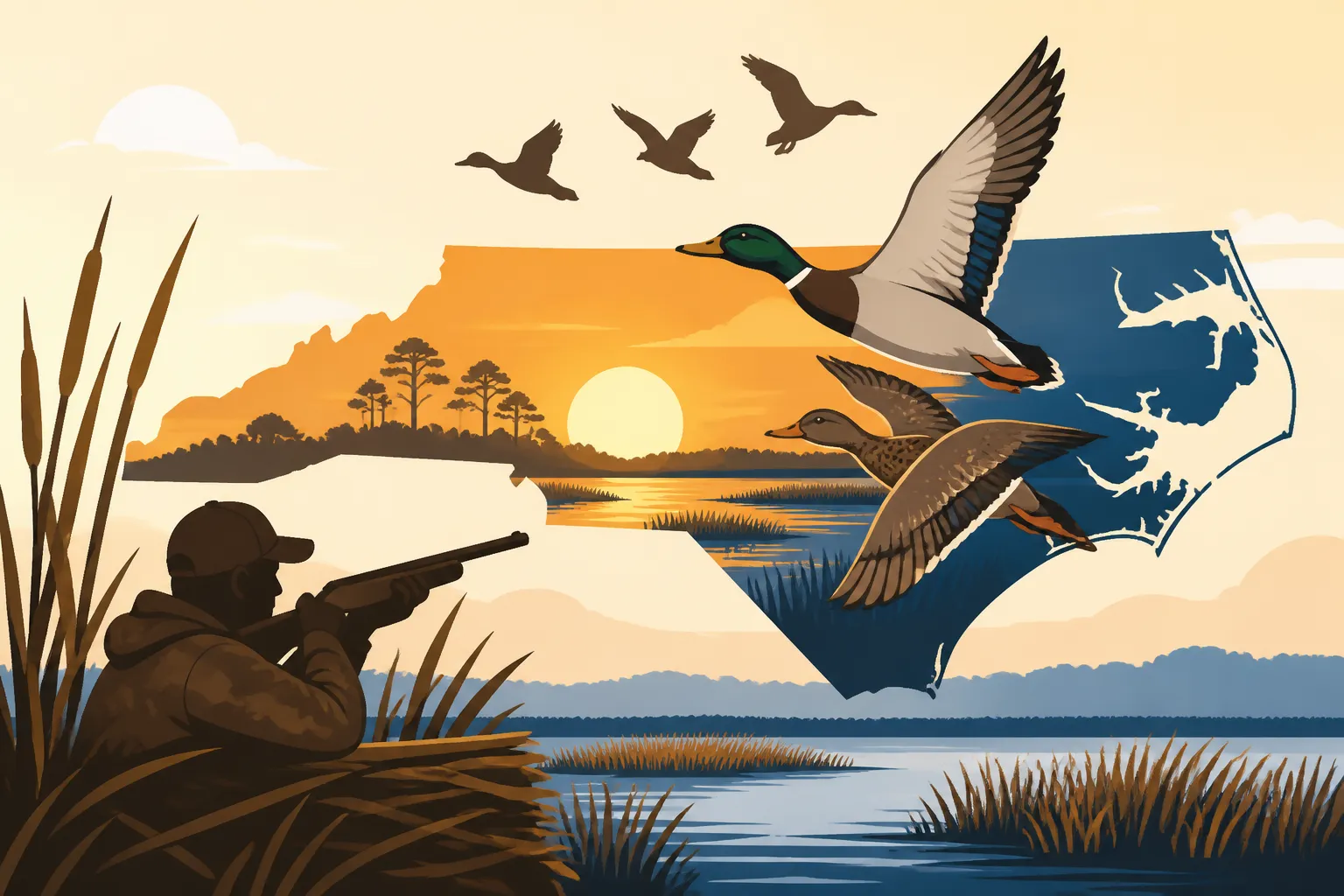
North Carolina’s position squarely within the Atlantic Flyway is not just a geographical fact; it's the very foundation of our waterfowl hunting opportunities. This massive migratory superhighway funnels millions of birds from their northern breeding grounds in Canada and the northeastern United States down to warmer wintering areas, with a significant portion choosing North Carolina as their temporary home. Understanding the rhythm of the Atlantic Flyway is paramount for any serious waterfowler. The timing of cold fronts, the availability of food sources along the migration path, and even distant weather patterns can all influence when birds arrive and where they concentrate within our borders.
Think of the flyway as an invisible river in the sky, guiding waterfowl along predictable routes. For us on the ground, this means that while some birds are year-round residents, the bulk of the hunting season relies on these transient visitors. Areas like Currituck Sound, Mattamuskeet, and the sprawling agricultural lands of the Coastal Plain become crucial staging and wintering grounds, offering vital food and sanctuary. Knowing when to expect the first push of green-winged teal or the massive influx of tundra swans can dramatically impact your scouting and hunting efforts. For example, a severe cold snap far to our north can push huge numbers of birds south overnight, transforming a quiet marsh into a bustling avian hub, offering incredible opportunities for those who are ready and waiting.
Understanding North Carolina's Waterfowl Zones and Seasons
Navigating the rules and regulations for North Carolina waterfowl hunting can sometimes feel like trying to untangle a particularly stubborn knot. The North Carolina Wildlife Resources Commission (NCWRC) meticulously manages seasons and bag limits to ensure sustainable populations, and these rules often vary by geographical zone. It's not a one-size-fits-all approach, and understanding these nuances is crucial to stay legal and make the most of your time afield. Forget to check the specific zone, and you could find yourself out of season or exceeding limits without even realizing it.
Navigating the Coastal and Inland Zones
North Carolina divides its waterfowl hunting opportunities into distinct zones to account for variations in migratory patterns and population distributions. Primarily, we're talking about the "Coastal Zone" and the "Inland Zone." These designations are critical because they dictate different season opening and closing dates, as well as sometimes differing bag limits for certain species. For instance, the Coastal Zone, which generally includes counties east of U.S. 17 and some other specifically designated areas, often has a later opener to align with the arrival of more migratory ducks and geese on our sounds and bays.
The Inland Zone covers the majority of the state, including the Piedmont and Mountain regions, and its seasons are tailored to the earlier arrival of some dabbling ducks on smaller water bodies and the presence of resident Canada geese. Failing to grasp which zone you're hunting in is a common pitfall. Before you even think about packing decoys, consult the official NCWRC regulations map or their handy online tool to confirm the zone for your specific hunting location. This step is non-negotiable, whether you’re planning to hunt North Carolina Waterfowl Zones and Seasons on private land or a public game land. The distinctions between these zones are vital for planning when and where you can pursue different species legally.
Key Season Dates and Bag Limits
Once you've nailed down your zone, the next step is to familiarize yourself with the specific season dates and bag limits for the species you intend to hunt. Waterfowl seasons are often structured in "splits," meaning there might be an early season, a mid-season break, and then a later season. This helps maximize opportunity while still giving birds a break from pressure. For example, North Carolina usually has an early teal season in September, then a primary duck season that might open in October, close for a period, and reopen through January or early February. Geese also have their own specific season dates, which might run concurrently or separately from duck seasons.
Bag limits are equally critical and can be quite specific. The general daily bag limit for ducks often includes stipulations for certain species, like only two mallards (with specific hen limitations), two canvasbacks, one pintail, or one black duck. These regulations are designed to protect vulnerable populations and ensure long-term hunting viability. It’s not just about the total number of ducks, but the species composition. For geese, limits vary by species too, with Canada geese often having a more generous limit than smaller species like snow geese. Keep in mind that you'll also need a valid hunting license, a federal duck stamp, and a North Carolina Migratory Bird Certification (HIP) to legally hunt migratory birds. Always check the current year's regulations before heading out, as dates and limits can change annually based on federal frameworks and population surveys. It’s also wise to know your North Carolina Duck Daily Bag Limit and North Carolina Goose Season Dates before you commit to a hunt.
| Species Group | Typical Habitat in NC | Primary Diet | Distinguishing Features |
|---|---|---|---|
| Diving Ducks | Large open water, sounds, bays, deep rivers | Submerged vegetation, small fish, invertebrates | Ride low in water, dive completely to feed, heavy bodies, small wings |
| Dabbling Ducks | Shallow marshes, ponds, flooded fields, creeks | Seeds, grains, aquatic plants, invertebrates on surface | Tip up to feed, spring directly off water, lighter bodies, larger wings |
| Geese | Agricultural fields, open water, large ponds | Grains, grasses, aquatic plants | Larger than ducks, longer necks, walk well on land |
| Swans | Open water, shallow estuaries, agricultural fields | Submerged vegetation, waste grain | Very large, long white neck, often protected (except by permit) |
Key Waterfowl Species You'll Encounter
North Carolina is a crossroads for an incredible variety of waterfowl species, each with its own preferred habitats, dietary habits, and flight patterns. Knowing your birds is not just about legal compliance; it's about being a more effective hunter. Identifying species on the wing, understanding their behavior, and knowing where they're likely to be found are all crucial pieces of the waterfowling puzzle. It’s easy to just think of them as “ducks,” but each species presents its own unique challenge and reward.
Diving Ducks Versus Dabbling Ducks
The first, and arguably most important, distinction to make is between diving ducks and dabbling ducks. This difference dictates everything from where you hunt them to how you set your decoys.
Diving Ducks: These hardy birds, like canvasbacks, redheads, scaup (bluebills), ring-necked ducks, and buffleheads, prefer large, open bodies of water. They literally dive beneath the surface to feed on submerged aquatic vegetation, mollusks, and small fish. When they take off, they tend to run across the water before gaining altitude. You'll find them primarily on the vast, windswept sounds of eastern North Carolina, like Currituck, Pamlico, and Albemarle, or on deep, wide rivers. Setting up for divers often involves large spreads of decoys in open water, sometimes far from shore, and using boat blinds or layout blinds designed to blend with the vastness of the water. Their flight is fast and low over the water, and they decoy head-on into the wind, often setting their wings from a distance before dropping in. This is why Hunting Currituck Sound Diving Ducks is such a specialized pursuit.
Dabbling Ducks: In contrast, dabblers are surface feeders, "dabbling" or tipping their heads down to graze on seeds, grains, and insects in shallow water. Species like mallards, wood ducks, green-winged teal, black ducks, and gadwalls fall into this category. They can be found in a much wider array of habitats: flooded timber, shallow marshes, small creeks, farm ponds, and agricultural fields. When taking flight, they spring vertically directly off the water, making for quick, unexpected flush shots. Hunting dabblers often involves hiding in natural cover along a pond edge, in a flooded swamp, or brushing in a blind on a field edge. Decoy spreads tend to be smaller and more natural-looking, mimicking a feeding flock. Understanding their different behaviors is key to choosing the right location and tactics; a wood duck in a flooded cypress swamp behaves very differently from a canvasback on the open sound.
Geese and Other Migratory Birds
Beyond ducks, North Carolina is a significant wintering ground for several species of geese and other fascinating migratory birds, offering additional hunting opportunities.
Canada Geese: These iconic birds are abundant in North Carolina, with both migratory populations arriving from the north and a significant resident population that breeds within the state. You'll find them primarily in agricultural areas, feeding on waste grain in cut corn or soybean fields, as well as on large open bodies of water. Hunting Canada geese often involves elaborate decoy spreads in fields, sometimes using dozens or even hundreds of decoys, and requires exceptional concealment in layout blinds or natural field edges. Their impressive size and distinctive honking make them a thrilling target. Knowing how to set up for them on open ground is key, which is why topics like Layout Blind Hunting Coastal Plain Fields are so popular.
Snow Geese: While not as widespread as Canadas in many areas, snow geese can show up in huge numbers, particularly on the eastern Coastal Plain. They are notoriously wary and often travel in massive flocks that can number in the thousands. Their feeding habits in agricultural fields can be quite destructive, and special conservation seasons, often with extended hours and electronic calls, are sometimes in place to help manage their populations. Their sheer numbers and vocal presence make for an unforgettable, if challenging, hunt.
Tundra Swans: North Carolina hosts the largest wintering population of Tundra Swans on the Atlantic Flyway, particularly in the Pocosin Lakes and Mattamuskeet areas. While these magnificent birds are largely protected, a limited number of special hunting permits are issued each year through a lottery system. If you're lucky enough to draw one, it's a truly unique experience.
Other Migratory Birds: While not typically targeted for hunting, you'll encounter a myriad of other migratory birds, from sandhill cranes to various shorebirds, all using the same flyway. Even species like coots and mergansers are fair game under specific regulations, though they aren't often the primary target. Understanding the full spectrum of migratory life in North Carolina enhances the entire hunting experience and underscores the importance of the Atlantic Flyway to our state's biodiversity.
Essential Gear and Setup for North Carolina Waterfowling
Stepping into the world of waterfowl hunting requires a different gear list than what you might be used to for deer or turkey. The harsh environments—cold water, biting wind, mud, and rain—demand specialized equipment that is robust, reliable, and designed for concealment and comfort. Trying to make do with insufficient gear in a coastal marsh is a recipe for misery, if not outright danger. Investing in the right tools makes all the difference in your enjoyment and success.
Shotguns, Ammunition, and Decoy Spreads
Your shotgun is your primary tool in the duck blind, and selecting the right one is paramount. Most waterfowl hunters opt for 12-gauge shotguns, as they offer the most versatility in terms of ammunition loads and patterns. While 20-gauge can be effective for closer shots, the 12-gauge truly shines when you need to reach out to high-flying geese or fast-moving divers. Semi-automatic shotguns are popular for their quick follow-up shots, while pump-action models are renowned for their reliability in adverse conditions. Whichever action you choose, ensure it's chambered for 3-inch or even 3.5-inch shells for maximum payload, and critically, it must be capable of handling non-toxic shot.
Speaking of ammunition, federal law mandates the use of non-toxic shot for all waterfowl hunting. Steel shot is the most common and economical choice, but alternatives like bismuth, tungsten-iron, or pure tungsten offer superior density and performance, albeit at a higher cost. Matching your shot size to the target species is important: larger shot (like BB or 2 for geese) for bigger birds and longer ranges, and smaller shot (like 3 or 4 for ducks) for closer-range ducks. You'll also want to consider your choke tube. Modified or improved modified are good all-around choices for waterfowl, offering a balance of pattern density and spread.
Decoy spreads are the art and science of waterfowling. The number and type of decoys you deploy will depend heavily on the species you're targeting and the environment you're hunting. For dabblers in a small pond or flooded timber, a dozen realistic mallard or wood duck decoys might be plenty. However, for divers on a big sound, you might need a spread of 50-100 decoys, incorporating multiple species like bluebills, redheads, and canvasbacks to create a truly convincing raft of birds. Motion decoys, such as spinning-wing or jerk-cord decoys, can add lifelike movement that often seals the deal for wary birds. Don't forget confidence decoys like swans or geese if legal in your area; they can make your spread appear safer and more appealing to passing flocks. The strategy behind your Decoy Spreads for Currituck Sound Divers is a huge part of being successful.
Waders, Blinds, and Cold-Weather Comfort
The environment itself is a major factor in waterfowl hunting, and your personal gear needs to stand up to the challenge. Waders are perhaps the most essential piece of clothing. Chest waders, preferably insulated neoprene or breathable GORE-TEX, are critical for setting out decoys, retrieving birds, and walking through shallow water or mud. Make sure they fit well and are durable enough to withstand brush, barbed wire, and abrasive terrain. You'll be spending hours in them, so comfort and warmth are paramount. When considering your Waders for Sound-Side Marsh Hunting, think about layers underneath for ultimate warmth and mobility.
Concealment is key, and whether you're using natural cover or a manufactured blind, it needs to be effective. Permanent blinds are common on private impoundments or leased waters, but for public land or more mobile hunts, portable solutions are necessary. Layout blinds, low-profile shelters designed for lying down in fields, are ideal for hunting geese and ducks over agricultural stubble. Boat blinds, built into or attached to your duck boat, provide concealment on open water. For marsh edges or flooded timber, simply cutting and arranging natural vegetation (grasses, reeds, branches) can create an incredibly effective hide. The key is to blend in completely with your surroundings, breaking up your outline and eliminating any shine or unnatural shapes.
Finally, never underestimate the importance of cold-weather comfort, especially on those late-season hunts when temperatures plummet and winds howl. Layering is your best friend. Start with moisture-wicking base layers, add insulating mid-layers like fleece or wool, and top it off with a waterproof, windproof outer shell. Insulated gloves, a warm hat that covers your ears, and waterproof, insulated boots are non-negotiable. Chemical hand warmers can be a lifesaver on bitter mornings. Staying warm and dry not only makes the hunt more enjoyable but also allows you to focus and remain alert for longer periods. Tools like the GoHunt app can even help you predict weather conditions, wind direction, and potential bird movements, which are crucial for planning your layering system and blind placement.
Top Waterfowl Hunting Locations Across North Carolina
North Carolina offers an incredible array of waterfowl hunting locations, each with its own unique character and target species. From the vast, open waters of the coast to the more intimate settings of inland rivers and agricultural fields, there's a spot for every type of waterfowler. The challenge, of course, is knowing where to focus your efforts. Public lands, particularly our national wildlife refuges and game lands, provide fantastic access, while private opportunities often revolve around leased agricultural fields or managed impoundments.
Coastal Sound Systems and Impoundments
When most people think of North Carolina waterfowl hunting, their minds immediately drift to the legendary coastal sounds. These immense bodies of water, including Currituck Sound, Pamlico Sound, and Albemarle Sound, are truly the heart of diving duck country. Here, you'll find massive rafts of bluebills, redheads, canvasbacks, and buffleheads. Hunting these open waters often requires a sturdy boat, a large spread of decoys, and a boat blind or layout blind to withstand the elements. Public access points are available, and many guides operate in these areas, offering the chance to experience these iconic hunts. The sheer scale and number of birds can be breathtaking, but so too can the challenges of weather and vastness. The Waterfowl Hunting Currituck Sound and the Coast experience is something every hunter should try at least once.
Beyond the sounds, the Coastal Plain is also home to numerous managed impoundments—artificially flooded fields designed to attract and hold waterfowl. These can be found on both private lands and public game lands, particularly within national wildlife refuges like Mattamuskeet, Pocosin Lakes, and Alligator River. These impoundments are often managed for dabbling ducks like mallards, green-winged teal, and wood ducks, as well as geese. Access to public impoundments is often managed through permit draws or daily sign-in systems due to high demand. Hunting these areas can be incredibly productive, as the birds become accustomed to the readily available food sources. Scouting these spots beforehand is crucial, and mapping tools often found on platforms like GoHunt can help identify potential areas to investigate.
Inland Rivers, Swamps, and Farm Fields
Don't make the mistake of thinking North Carolina's waterfowl hunting is solely a coastal affair. The inland regions, particularly the Piedmont and even parts of the Mountains, offer fantastic opportunities for those willing to seek them out. Rivers like the Roanoke, Tar, Neuse, and Cape Fear, with their associated oxbows, backwaters, and smaller swamps, can be magnets for dabbling ducks, especially wood ducks, mallards, and teal. Hunting Flooded Timber for Wood Ducks along these river systems is a classic North Carolina experience, offering fast-paced, close-range shooting. These hunts often involve setting up in natural cover or a small ground blind, with a dozen or so decoys.
Agricultural fields across the Piedmont and eastern North Carolina are prime locations for Canada geese and often dabbling ducks like mallards and pintails. These fields, particularly cut corn, soybeans, or winter wheat, provide abundant food sources. Securing permission on private farmland is often key for these hunts. Once permission is granted, hunting over a large spread of goose decoys from a layout blind can be incredibly effective. Even small farm ponds and beaver swamps, often overlooked, can hold good numbers of resident wood ducks and mallards, especially in the early season. These smaller, more intimate hunts can be incredibly rewarding and require less gear than a full-blown coastal trip. Before heading out, consider using the GoHunt platform to pinpoint land ownership and identify potential access points or areas with significant agricultural activity that might attract geese.
Strategies and Tactics for Success on North Carolina Waterfowl
Successful waterfowl hunting is rarely a matter of pure luck; it's a blend of diligent scouting, strategic setup, and effective execution. The birds are constantly moving, responding to weather, food availability, and hunting pressure. The best hunters are those who adapt, learn, and put in the time to understand their quarry. It’s an ongoing education, and every hunt offers new lessons.
Scouting and Reading Waterfowl Movement
Scouting is, without a doubt, the single most important factor in consistent waterfowl hunting success. You simply cannot expect to consistently find birds if you haven't put in the legwork to locate them. This means driving backroads at dawn and dusk, looking for birds flying into or out of fields, or spotting them on ponds and impoundments. Pay attention to "loafing" areas—spots where birds rest during the day—and feeding areas. Use a good pair of binoculars or a spotting scope to identify species and estimate numbers without disturbing them. Public lands, particularly refuges, often have designated observation areas or roads that allow for effective scouting without pushing birds out.
Reading waterfowl movement involves more than just spotting birds. It means understanding why they are where they are. Is it a calm, sunny day, and they're loafing on open water? Or is a cold front pushing them into protected coves? Are they hitting a freshly cut cornfield, or are they feeding in a shallow marsh? Pay attention to wind direction, as birds almost always land and take off into the wind. This dictates where you should set your decoys and position your blind. The GoHunt platform can be a fantastic tool here, offering satellite imagery that allows you to identify potential feeding fields, water bodies, and flight paths from home, saving you countless hours of blind driving. Moreover, local knowledge, talking to farmers, or observing general migration reports can provide invaluable insights into the current bird activity.
Calling, Decoying, and Blind Concealment
Once you've scouted your location, the next critical steps are calling, decoying, and concealment.
Calling: A well-used duck or goose call can be the difference between birds flaring and birds committing. However, calling is an art, not just noise-making. It's about sounding like the birds you're trying to attract and using the right calls at the right time. For ducks, a basic quack, feed call, and greeting call are essential. For geese, honks, clucks, and murmurs will get their attention. Practice is key, and it's always better to call less and sound realistic than to call too much and sound fake. Watch how birds respond; if they turn your way, ease off the call; if they drift away, try to get their attention back. Never call at birds directly overhead; they've already seen your spread.
Decoying: Your decoy spread should look natural and inviting. For ducks, a j-hook or U-shape spread with an open landing zone in front of your blind is often effective. For geese, a spread resembling a family group with a few "sentinels" standing guard can be convincing. The number of decoys needed varies, but generally, the more open the water or field, the more decoys you'll want to use to grab attention. Ensure your decoys are clean, free of unnatural shine, and properly rigged to avoid tangles. For example, when you're considering Layout Blinds and Marsh Boats for a setup, remember that the decoys are just as important as your hide. Motion decoys, as mentioned earlier, can add that crucial element of realism.
Blind Concealment: This is where many hunts are made or broken. Birds, especially in heavily hunted areas, are incredibly wary and can spot anything out of place. Your blind must blend seamlessly with its surroundings. Whether it's a permanent blind, a portable layout blind, or natural cover, take the time to brush it in thoroughly with local vegetation. Break up sharp lines, cover your face and hands (even a glint of skin can flare birds), and stay absolutely still when birds are approaching. If hunting on water, ensure your boat blind is well-camouflaged. On land, a quality layout blind meticulously covered with stubble or grass is critical. If birds are flaring consistently, reassess your concealment first. Even a tiny gap or an unnatural shape can be enough to send them packing, leaving you wondering what went wrong.
Conservation and Ethical Hunting Practices
Waterfowl hunting in North Carolina, like all hunting, carries a profound responsibility. Our ability to pursue these magnificent birds is a direct result of decades of conservation efforts, funded largely by hunters themselves. Understanding and upholding ethical practices and contributing to conservation is not just a suggestion; it's a fundamental part of being a waterfowler. This ensures that future generations will have the same opportunities we enjoy today.
Supporting Waterfowl Habitat and Research
The health of North Carolina's waterfowl populations is intrinsically linked to the availability and quality of their habitats, both here and along the entire Atlantic Flyway. Hunters play a vital role in funding and supporting these habitats. Every time you purchase a hunting license, a federal duck stamp, or even ammunition, a portion of that money goes directly towards conservation initiatives. The Federal Duck Stamp, a mandatory purchase for all migratory bird hunters, has conserved millions of acres of wetlands across the country. Groups like Ducks Unlimited, Delta Waterfowl, and the North Carolina Waterfowl Association are tireless advocates and implementers of habitat restoration projects, from creating managed impoundments to restoring crucial wetland ecosystems.
Beyond direct funding, hunters often volunteer their time for habitat projects, participate in bird banding programs, or submit harvest data, all of which contribute to critical research and management decisions. Understanding the importance of habitat is also about our personal actions. Respecting sensitive areas, minimizing disturbance outside of hunting hours, and practicing responsible land stewardship on private lands all contribute to the broader conservation picture. The future of North Carolina Waterfowl Migration Timing and population health depends on these ongoing commitments.
Respecting Regulations and Fellow Hunters
Ethical hunting begins with a deep respect for the regulations established by the North Carolina Wildlife Resources Commission and federal agencies. These rules, covering everything from season dates and bag limits to methods of take, are in place for a reason: to ensure sustainable populations and fair chase. It is every hunter's responsibility to know and follow these laws, without exception. This includes accurately reporting your harvest, which provides crucial data for biologists. Ignoring regulations not only harms the resource but also casts a negative light on the entire hunting community.
Respect for fellow hunters is equally important. Waterfowl hunting often takes place in close proximity to others, especially on popular public lands. This means practicing blind etiquette, respecting established distances between hunting parties, and avoiding "sky-busting"—shooting at birds far out of range, which often only scares them away from other hunters. Being courteous at boat ramps, sharing information (when appropriate), and offering help when needed fosters a positive and supportive hunting community. It’s also crucial to remember that public land is a shared resource. Pack out everything you pack in, leave no trace, and ensure your presence has no lasting negative impact on the environment or the experience of others.
The Future of North Carolina Waterfowling
As with all outdoor pursuits, waterfowl hunting in North Carolina is not static. It faces ongoing challenges and opportunities that will shape its future. From adapting to changing environmental conditions to ensuring the continuation of our hunting heritage, the waterfowling community must remain vigilant and proactive.
Adapting to Changing Climate and Migratory Patterns
One of the most significant long-term challenges for North Carolina waterfowl hunting is the specter of climate change. Warmer winters, altered precipitation patterns, and rising sea levels could profoundly impact coastal wetlands and agricultural landscapes, disrupting traditional migratory patterns and food sources. For instance, if winter temperatures remain consistently mild further north, birds might not feel the same migratory push south to North Carolina, altering their numbers and distribution within the state. Sea-level rise could threaten vast stretches of critical coastal marsh habitat, necessitating innovative conservation and restoration strategies.
Hunters and wildlife managers are already observing shifts and adapting. This might mean adjusting season dates, focusing habitat efforts on more resilient ecosystems, or exploring new management techniques. Staying informed about scientific research, participating in conservation discussions, and supporting organizations that are on the front lines of climate adaptation will be crucial. Our ability to be flexible and proactive in the face of these environmental shifts will determine the long-term health of both waterfowl populations and our hunting traditions.
Passing on the Tradition to the Next Generation
Ultimately, the future of North Carolina waterfowling rests on the shoulders of the next generation. If we fail to recruit new hunters, the funding for conservation dwindles, and the knowledge, skills, and ethics that define our sport risk being lost. Mentorship is key. Taking a new hunter, especially a young person, out to experience the magic of a duck marsh or a goose field is one of the most important things we can do. This isn't just about teaching them how to shoot or identify birds; it's about instilling a deep appreciation for nature, the importance of conservation, and the ethical responsibilities that come with hunting.
Making hunting accessible, understandable, and enjoyable for newcomers is paramount. This might involve simplifying gear requirements for beginners, starting with easier hunts, and emphasizing the camaraderie and natural beauty of the experience. Programs like the North Carolina Mentored Youth Hunting Rules are designed to facilitate this process, allowing new hunters to gain experience under the guidance of seasoned mentors. By sharing our passion, knowledge, and dedication to conservation, we ensure that the vibrant tradition of North Carolina waterfowl hunting on the Atlantic Flyway continues for many decades to come, enriching lives and safeguarding our precious wildlife resources.
Disclaimer
Please note that hunting regulations, season dates, and license requirements are subject to change. Always consult the most current North Carolina Wildlife Resources Commission (NCWRC) regulations before planning any hunting trip. This guide is for informational purposes only and should not be considered a substitute for official legal documents.