North Carolina Elk Viewing Only Status
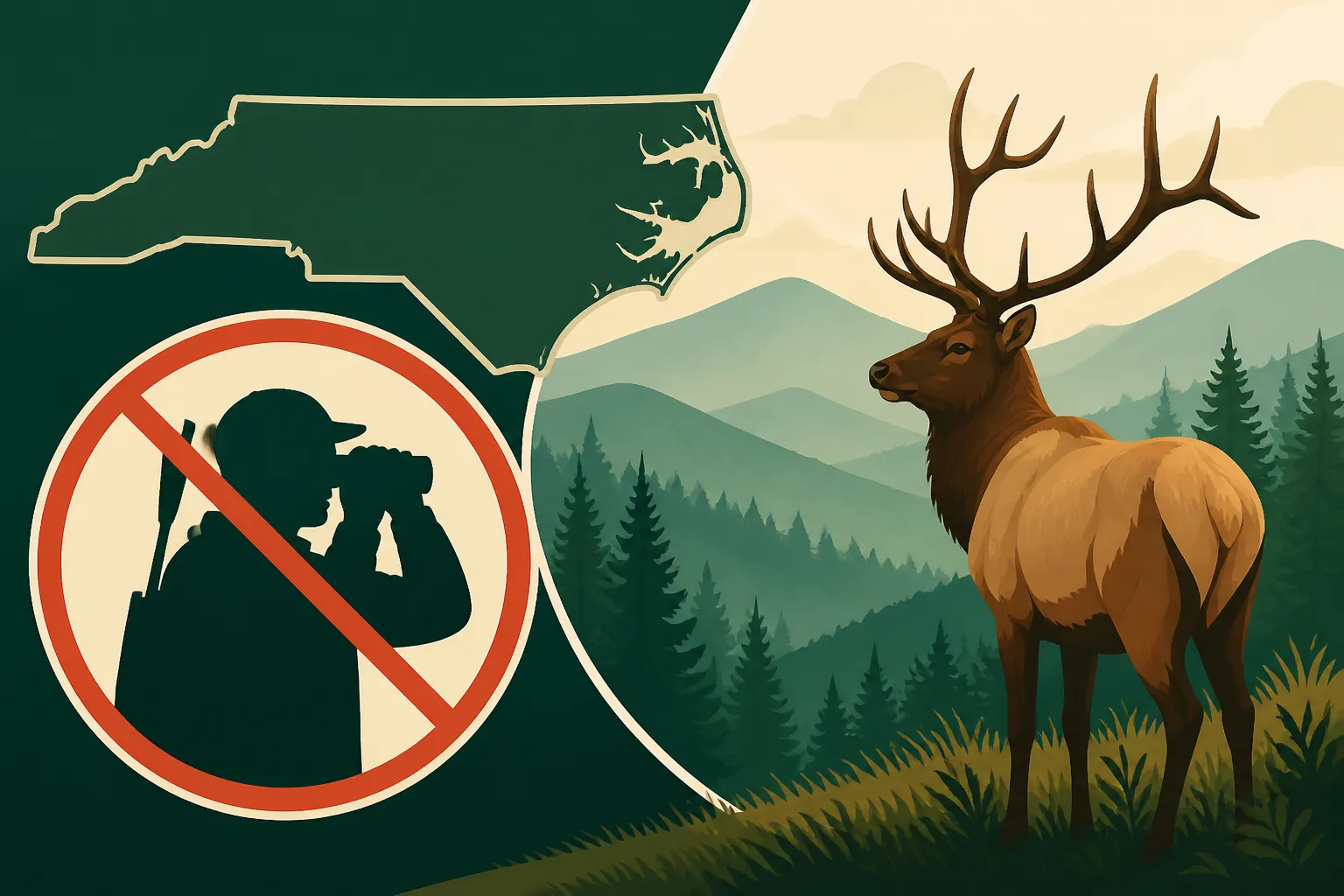
Many North Carolina hunters dream of the day they might draw an elk tag, envisioning bugling bulls echoing through our western mountains. It’s a powerful image, but the current reality is that North Carolina elk are strictly for viewing, not for hunting. This guide will walk you through why that’s the case, where these magnificent animals call home, and how you can experience them ethically in the wild.
Understanding North Carolina's Elk Viewing Only Status
For many, the idea of elk in North Carolina might sound like a new phenomenon, but these majestic animals once roamed our state's mountains centuries ago. Their return has been a journey of careful conservation, leading to their current protected status as a viewing-only species.
The Historical Return of Elk to North Carolina
The story of elk in North Carolina is one of remarkable restoration. By the late 18th century, unchecked hunting and habitat loss had completely eradicated the native Eastern elk subspecies from the Appalachian region. For nearly two centuries, our mountains were silent of their iconic bugle. Fast forward to 2001, when the National Park Service, in cooperation with the NC Wildlife Resources Commission (NCWRC) and other partners, began a bold reintroduction program. Fifty-two elk from Kentucky and Canada were released into the Great Smoky Mountains National Park, specifically in the Cataloochee Valley area.
These animals were not just released; they were carefully monitored, protected, and given every chance to re-establish a foothold. The initial years were fraught with challenges, from adapting to a new environment to navigating human interactions. However, the resilience of these elk, combined with dedicated conservation efforts, allowed the population to slowly but steadily grow. What started as a small herd in the Cataloochee Valley has now expanded, with elk occasionally venturing beyond the park boundaries into surrounding national forest lands, including parts of the Pisgah National Forest. This successful reintroduction is a testament to what focused conservation can achieve, turning a lost species into a thriving, visible component of our state's wildlife once again. If you're interested in the details of their return, you can learn more about North Carolina Elk Reintroduction in the Smokies.
Why Hunting Remains Closed for North Carolina Elk
The primary reason elk hunting remains closed in North Carolina is directly tied to the reintroduction program's overarching goal: to establish a robust, self-sustaining population. While the herd has grown significantly since 2001, the numbers are still relatively low compared to states with established hunting seasons. The NCWRC's primary focus continues to be on population expansion, genetic diversity, and ensuring the long-term health and stability of the herd. Introducing a hunting season prematurely could jeopardize these delicate efforts, potentially setting back decades of hard work.
Another critical factor is the spatial distribution of the elk. The core of North Carolina's elk population resides within the protected boundaries of the Great Smoky Mountains National Park, where hunting is prohibited by federal law. While elk do wander onto adjacent national forest and private lands, their presence outside the park is not yet widespread or consistent enough to support a managed hunting season without significant risk to the entire population. The NCWRC continuously monitors the population, their movements, and overall health to make informed management decisions, always prioritizing the species' recovery over any potential harvest opportunities. The conservation blueprint for North Carolina's black bears, for instance, offers a glimpse into how successful management leads to sustainable populations and hunting opportunities, but elk are simply not at that stage yet.
Current Population and Range
North Carolina's elk population is concentrated primarily in the western part of the state, with the Great Smoky Mountains National Park serving as their stronghold. The Cataloochee Valley, a picturesque area within the park near Maggie Valley, is often cited as the heart of the herd. Here, the elk find abundant forage, water, and relatively undisturbed habitat, allowing them to thrive and expand. While the majority of the elk spend their lives within the park, their natural curiosity and drive for new resources mean they periodically venture beyond these federal boundaries.
You might spot elk in areas of the Pisgah National Forest adjacent to the park, or even occasionally on private lands in counties like Haywood and Swain. The population estimates vary, but generally hover in the range of several hundred animals, a remarkable comeback from zero just over two decades ago. These animals are slowly expanding their range, exploring new territories as their numbers increase. However, this expansion is gradual, and their presence outside the immediate vicinity of the park remains somewhat sporadic. The NCWRC, along with partners like the National Park Service, continuously tracks these movements, utilizing various methods to understand the herd's health and distribution. This ongoing monitoring helps ensure that any future management decisions are based on the most accurate and up-to-date scientific data available, giving us a clearer picture of their progress across the landscape.
Where and How to Experience North Carolina Elk
While you can't hunt them, seeing a wild elk in North Carolina is an unforgettable experience, akin to stepping back in time. Knowing where to look and how to behave is key to making the most of your viewing adventure.
Prime Elk Viewing Locations in Western North Carolina
If you're looking to catch a glimpse of North Carolina's magnificent elk, your best bet will undoubtedly be within or immediately surrounding the Great Smoky Mountains National Park. Two locations stand out as prime viewing areas: Cataloochee Valley and the Oconaluftee Visitor Center area near Cherokee.
Cataloochee Valley: This valley, nestled deep within the park, is perhaps the most famous and reliable spot. It's a bit of a drive to get there, involving winding mountain roads, but the reward is often spectacular. The open fields of Cataloochee are where the reintroduction program began, and the elk frequently graze here, especially during dawn and dusk. Early morning or late afternoon are prime times, as the elk move out of the timber to feed. During the fall rut (mid-September to October), the valley comes alive with the sounds of bugling bulls, offering a truly immersive wildlife experience. Just be prepared for crowds during peak viewing times, especially in autumn.
Oconaluftee Visitor Center: Located just outside Cherokee along US-441, this area offers more accessible viewing opportunities. The fields around the visitor center and the Mountain Farm Museum are often frequented by a smaller, but still impressive, herd of elk. Being right off a main road, it's easier to access for many visitors. Similar to Cataloochee, early mornings and late afternoons are the best times, though they can sometimes be seen throughout the day. The convenience here makes it a popular stop, and park rangers are often on hand to provide information and ensure safe viewing distances.
Beyond these two main hubs, elk are occasionally spotted in other parts of the Pisgah and Nantahala National Forests, particularly in areas bordering the national park. These sightings are less predictable, but for adventurous souls, scouting these more remote spots can lead to a more solitary, wilder encounter. Utilizing tools like GoHunt, typically used by hunters for mapping and scouting, can also be invaluable for identifying potential travel corridors or habitat features where elk might be present outside the main viewing areas, even if your purpose is purely observational. Remember, these are wild animals, so every encounter is a gift! For those venturing into these mountain areas for other activities, like Treestand Setups in Pisgah National Forest, keeping an eye out for elk sign can be an exciting bonus.
Essential Tips for Ethical Elk Viewing
Experiencing elk in their natural habitat is a privilege, and it comes with the responsibility of ethical viewing. The most crucial rule is to maintain a safe and respectful distance. Elk are large, powerful animals, and while they may appear calm, they are still wild and can be unpredictable, especially dominant bulls during the rut or cows with calves. The National Park Service recommends staying at least 50 yards (the length of half a football field) from elk. Never approach them for a closer photo, and absolutely never attempt to feed them. Feeding wild animals habituates them to humans, which can lead to dangerous encounters for both the animals and people, and is often illegal.
It's also vital to respect their space and behavior. If an elk changes its behavior due to your presence – for instance, if it stops feeding, raises its head, or starts to move away – you are too close. Move back slowly and quietly. Use binoculars, spotting scopes, or telephoto lenses to get "close-up" views without disturbing the animals. During the rut, bull elk can be particularly aggressive, so exercise extreme caution. Moreover, be mindful of where you park and walk, especially in popular viewing areas. Stay on designated roads and trails, and avoid trampling vegetation or disturbing sensitive habitats. Respecting private property signs and park boundaries is paramount; straying onto private land without permission can lead to legal issues. These practices not only keep you safe but also contribute to the long-term well-being of the elk population and preserve the wild nature of their habitat. Adhering to these guidelines helps ensure everyone can enjoy these magnificent animals for years to come, avoiding situations that might lead to North Carolina Wildlife Violation Penalties.
Safety Considerations in Elk Country
While the allure of majestic elk is undeniable, venturing into their territory, especially in North Carolina's rugged western mountains, demands a heightened awareness of safety. Elk are powerful animals, and even without direct intent, can pose a risk. Bull elk, in particular, become highly territorial and aggressive during the fall rut (mid-September through October). They can charge humans, cars, and even other animals if they feel threatened or perceive you as a rival. Always be aware of your surroundings, listen for bugles, and never place yourself between a cow and her calf. If an elk starts to stomp its hooves, lower its head, or pin its ears back, these are clear warning signs that you are too close and need to slowly back away.
Beyond the elk themselves, you're in prime black bear country. Encounters, while often harmless, require knowledge and preparedness. Secure all food, never approach a bear, and know what to do in case of an aggressive encounter. Learning about Bear Encounters Around Mountain Cabins is a good preparation. Coyotes are also present, though they generally pose little threat to humans. The mountain terrain itself can be unforgiving. Weather can change rapidly, with sunny mornings turning into cold, rainy, or even snowy afternoons. Always carry appropriate gear for varying conditions, including layers of clothing, rain gear, plenty of water, and navigation tools. Inform someone of your hiking plans and expected return time. Cellular service can be spotty in remote areas, so don't rely solely on your phone for navigation or emergencies. Being prepared for any eventuality will ensure your elk viewing adventure is memorable for all the right reasons.
The Future of Elk in North Carolina: A Hunter's Hope?
The return of elk to North Carolina has been a monumental conservation success, and their continued well-being is a priority. For many, the natural question arises: will we ever see a hunting season for elk in the Old North State?
Ongoing Research and Monitoring Efforts
The NCWRC, in close collaboration with the National Park Service and other conservation partners, maintains a rigorous and ongoing program of research and monitoring for North Carolina's elk population. This isn't a "set it and forget it" reintroduction; it's a dynamic, science-driven process. Biologists track elk movements using GPS collars, conduct aerial surveys to estimate population numbers, and analyze health metrics to understand disease prevalence and overall herd vitality. They also monitor birth rates, survival rates of calves, and the expansion of the elk's range beyond the initial release sites.
This extensive data collection is critical for making informed management decisions. It helps biologists understand how the elk are adapting to the North Carolina landscape, what challenges they face (like habitat fragmentation or vehicle collisions), and how they interact with other wildlife and human populations. Every piece of information gathered contributes to a comprehensive picture of the herd's status. It's a testament to the dedication of these wildlife professionals that the elk are not just surviving, but slowly thriving. Understanding these biological realities is paramount before any discussion of hunting could even begin. Planning a viewing trip? Tools like GoHunt can provide useful topographic and public land data, helping you to understand the terrain and plan your approach, similar to how one might prepare for Scouting North Carolina Public Land Before Season.
Potential Scenarios for Future Elk Management
While the current status of North Carolina's elk is strictly viewing-only, the long-term success of the reintroduction naturally sparks discussion about potential future management scenarios. It's important to understand that any move toward a hunting season would be a distant prospect, contingent on several critical factors and extensive public and scientific input. First and foremost, the elk population would need to reach a level of sustained growth and stability that ensures its long-term viability, even with a limited harvest. This isn't just about having "enough" elk, but about having a robust, genetically diverse, and geographically widespread population that can withstand natural fluctuations and a controlled harvest.
Secondly, significant habitat challenges and human-wildlife conflicts would need to be thoroughly addressed. As elk expand their range, they inevitably encounter agricultural areas and residential developments, potentially leading to crop damage or vehicle collisions. Effective strategies for mitigating these issues would need to be firmly in place. Finally, there would need to be broad public support and acceptance for a hunting season. The elk have become a cherished symbol of conservation success in North Carolina, and any change to their protected status would involve extensive public discourse and careful consideration. Should these prerequisites ever be met, a highly regulated, limited permit hunt – likely focused on specific zones and very small quotas – would be the most probable scenario. However, for the foreseeable future, the focus remains firmly on fostering the continued recovery and expansion of North Carolina's magnificent elk herd.
| Viewing Location | Accessibility | Best Time to Visit | Typical Experience | Notes |
|---|---|---|---|---|
| Cataloochee Valley | Moderate (winding roads) | Dawn, Dusk (especially during rut) | Large herds grazing in open fields, bugling (fall), excellent photography opportunities | Can be crowded, requires patience, often features ranger-led programs; Camping Rules on North Carolina National Forest Land apply nearby. |
| Oconaluftee Visitor Center | Easy (off US-441) | Dawn, Dusk | Smaller herds, more accessible, often seen near the museum/visitor center, less remote feel | Good for families, convenient for quick stops, parking available; less of a deep wilderness feel than Cataloochee. |
Disclaimer
The information provided in this guide is for general informational purposes only and is subject to change. Hunting regulations, wildlife management strategies, and public land access rules are dynamic and can be updated by the North Carolina Wildlife Resources Commission and other governing bodies. Always consult the official NCWRC website and relevant government agencies for the most current and accurate information before planning any hunting or wildlife viewing activities. Adhering to all laws and ethical guidelines is your responsibility.