North Carolina Senior Hunting License Discounts
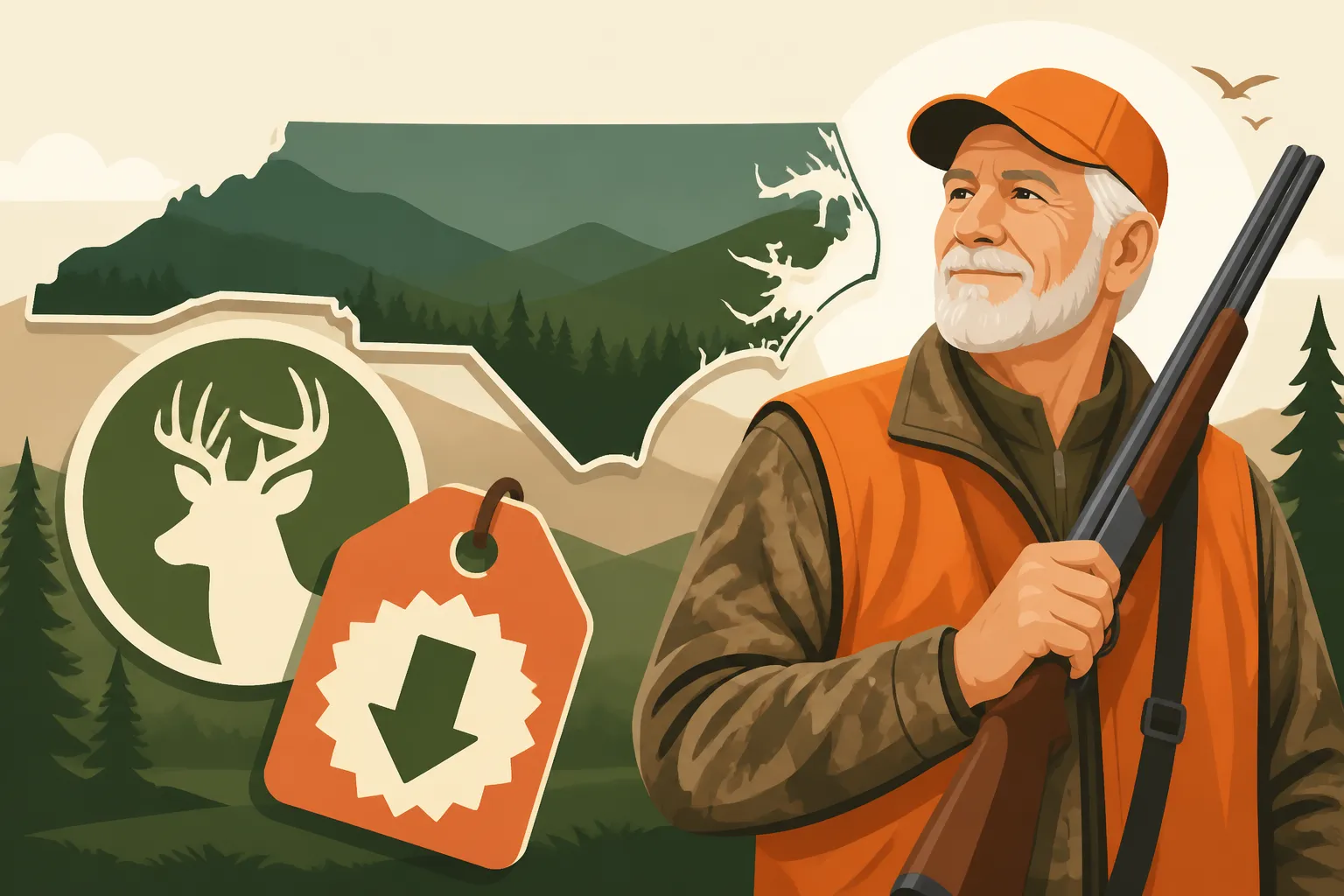
For many North Carolina hunters, the thought of continuing their passion well into their golden years is a cherished dream. However, navigating the ever-changing landscape of licenses and regulations, especially with a fixed income, can feel like trying to track a ghost buck through thick fog. This comprehensive guide is specifically designed to demystify North Carolina’s senior hunting license discounts, helping seasoned outdoors enthusiasts understand their options, save money, and keep enjoying the rich hunting heritage of our great state.
Navigating the Landscape of North Carolina Senior Hunting Discounts
It’s no secret that the cost of hunting can add up, from gear and fuel to tags and licenses. For those who've dedicated a lifetime to the woods and waters of North Carolina, the idea of having to cut back due to rising expenses is truly disheartening. Thankfully, the North Carolina Wildlife Resources Commission (NCWRC) recognizes the invaluable contributions of our older hunters and offers specific discounts to help ensure they can continue their traditions. These aren't just small token gestures; they are substantial savings designed to keep hunting accessible for seniors.
Understanding the Age Requirements
The primary factor for accessing senior hunting license discounts in North Carolina is, naturally, age. To qualify for the most common senior license options, you generally need to be 70 years of age or older. This threshold is a key point, and it's essential to plan accordingly as you approach this milestone. Many hunters look forward to their 70th birthday not just for the celebration, but for the financial relief it brings to their annual hunting budget. It's a well-deserved benefit for years spent in the field.
For example, imagine a hunter, let's call him Frank, who has been buying a comprehensive annual hunting license for decades. As he nears 70, he starts to feel the pinch a little more keenly, especially with rising grocery prices and other fixed expenses. Knowing that significant savings are just around the corner at age 70 can be a huge motivator and a comfort, allowing him to anticipate many more seasons pursuing white-tailed deer or chasing wild turkeys without undue financial strain. This age requirement applies consistently across various senior license types, making it straightforward to determine eligibility.
Benefits of Senior-Specific Licenses
The benefits of securing a senior hunting license extend far beyond just cost savings, though that's certainly a major perk. These licenses are designed to encompass a broad range of hunting opportunities, often consolidating what would otherwise require multiple stamps or privileges into a single, affordable package. This simplifies the entire licensing process, reducing the administrative hassle that can sometimes deter older hunters from getting out as much as they'd like.
For instance, a standard senior hunting license will typically cover all the basic hunting privileges, allowing you to pursue most game species without needing to purchase separate licenses for deer, turkey, or even small game. This can be a significant convenience. Additionally, some senior licenses offer lifetime validity, which is arguably the biggest benefit. Imagine never having to worry about renewing your hunting license again, year after year. This peace of mind is priceless, allowing you to focus entirely on scouting, preparing your gear, and enjoying your time outdoors. Even with advanced mapping tools like GoHunt aiding your strategy, securing the right license is always the first, most fundamental step. It ensures that every moment spent in the field is legitimate and worry-free, a true gift for those who've spent a lifetime contributing to North Carolina's hunting legacy.
Breaking Down North Carolina's Senior License Options
North Carolina offers several pathways for senior hunters to obtain discounted licenses, each with its own structure and benefits. Understanding these options is crucial to choosing the one that best fits your individual hunting habits and long-term plans. The goal here is to get you the most bang for your buck, or rather, the most hunting for your well-earned retirement savings.
Annual Senior Hunting Licenses
While lifetime options are often the most appealing, annual senior hunting licenses also exist and serve a valuable purpose, especially for those who might prefer a year-to-year commitment or are just dipping their toes into the senior license pool. These licenses typically offer a substantial discount compared to the general annual hunting licenses, making them a very attractive short-term solution. They provide the same hunting privileges as their full-price counterparts, covering various game species without requiring a piecemeal approach.
For example, if you just turned 70 and want to try out the new benefits before committing to a lifetime option, an annual senior license could be perfect. It allows you to confirm it meets all your needs for the upcoming season, perhaps for a focused effort on Squirrel and Small Game Hunting in North Carolina or for the general deer season. The cost is significantly reduced, usually a fraction of the regular annual hunting license fee. This flexibility is great for hunters who might be transitioning into retirement or have fluctuating health that affects their hunting frequency. It’s also a good choice if you're uncertain about your long-term residency in North Carolina, although a nonresident senior option is usually much pricier. For residents, this annual discounted license ensures that year after year, the cost isn't a barrier to enjoying the outdoors.
Lifetime Senior Hunting Licenses
This is often the holy grail for eligible senior hunters. North Carolina offers a Resident Lifetime Sportsman's License at a significantly reduced rate for individuals 70 years of age or older. This license is an incredible value, providing comprehensive hunting and fishing privileges for the rest of your life. It means no more annual renewals, no more keeping track of expiration dates, and no more worrying about price increases. Once you have it, you're set for good.
The Resident Lifetime Sportsman's License for seniors typically includes basic hunting, big game (deer, bear, turkey), waterfowl, and fishing privileges. This covers virtually all the game you’d want to pursue in North Carolina, from Spring Turkey Hunting in North Carolina to chasing deer in the fall. The upfront cost, while still an investment, is a mere fraction of what you'd pay for a standard lifetime sportsman's license purchased at a younger age. For instance, as of my last check, a senior lifetime sportsman's license might cost around $150-$200, whereas a similar license purchased at birth or as an adult can run well over $500 or even $1,000. This is a monumental saving that underscores the state's commitment to its senior outdoors enthusiasts. It’s a fantastic way to ensure you can continue to experience White-Tailed Deer Across North Carolina or any other pursuit for as long as you wish, without financial burden. Many hunters consider this one of the best investments they can make, allowing them to focus on the pure joy of the hunt.
Here’s a quick overview of typical license costs (prices are approximate and subject to change by NCWRC):
| License Type | Age Group | Approximate Resident Cost (as of recent data) | Key Inclusions |
|---|---|---|---|
| Annual Basic Hunting | 16-69 | $26 | Small game, furbearers, migratory birds |
| Annual Comprehensive Hunting | 16-69 | $45 | Basic + Big Game, Waterfowl, Game Lands |
| Annual Senior Hunting | 70+ | $16 | Basic + Big Game, Waterfowl |
| Lifetime Sportsman's | 0-1 | $275 | All hunting & fishing (incl. big game, GL) |
| Lifetime Sportsman's | 1-12 | $400 | All hunting & fishing (incl. big game, GL) |
| Lifetime Sportsman's | 13-69 | $700 | All hunting & fishing (incl. big game, GL) |
| Lifetime Sportsman's (Senior) | 70+ | $150-$200 | All hunting & fishing (incl. big game, GL) |
Note: These prices are illustrative and can change. Always check the official NCWRC website for the most current information.
The Application Process and Staying Compliant
Getting your senior hunting license in North Carolina is designed to be a relatively straightforward process, but like anything involving official documentation, a few key steps and considerations will make it much smoother. You don't want to get all excited about planning your next outing, perhaps even plotting detailed routes using an app like GoHunt, only to realize your license isn't valid!
How to Purchase or Upgrade Your License
The easiest and most common way to purchase or upgrade to a senior hunting license is through the official NCWRC website. They have a dedicated online portal where you can manage your licenses, purchase new ones, and even report your harvests. You’ll typically need to create an account or log in if you already have one. Be ready to provide personal identification information, including your date of birth, which is crucial for verifying your eligibility for senior discounts.
Alternatively, if you prefer a more personal touch or have questions, you can visit a licensed wildlife agent in person. These agents are usually found in sporting goods stores, bait and tackle shops, and even some convenience stores across the state. They can guide you through the process, answer questions, and print your license on the spot. Make sure to bring a valid North Carolina driver’s license or other state-issued identification that clearly shows your age. For those opting for a lifetime license, ensure all your privileges are correctly noted on the printed document before you leave. It's much easier to correct an error at the point of purchase than after you're already out in the field.
Reporting Requirements and Other Rules
Even with a discounted senior license, all hunters in North Carolina are still subject to the same important regulations designed to manage wildlife populations and ensure safety. This includes mandatory harvest reporting for big game species like deer, bear, and turkey. The NCWRC utilizes this data to make informed decisions about bag limits and season dates. Failing to report a harvest can result in penalties, so it’s critical to remember this step.
Most hunters report their harvest online through the NCWRC website or via their mobile app, which is quite user-friendly. You'll need your customer ID and the tag number from your license. Remember, even if you’re using a mapping tool like GoHunt to find your way through Hunting North Carolina's Year-Round Feral Hogs or a quiet spot in Public Hunting Land in North Carolina, those digital tools won’t submit your harvest report for you. Other rules also remain in effect, such as North Carolina Blaze Orange Requirements during gun season, adherence to bag limits, and respecting property lines, especially if you're hunting near private lands. Staying informed and compliant ensures you contribute positively to North Carolina's hunting community and enjoy your sport without incident.
Beyond the Basic License: Additional Considerations for Senior Hunters
While your senior hunting license covers a vast array of opportunities, there are still a few additional considerations and common questions that frequently arise. Being prepared for these nuances will ensure your hunting experience is as smooth and enjoyable as possible, whether you’re planning a trip to a local game land or venturing into the vastness of the national forests.
Game Lands Permits and Special Opportunities
Even with a comprehensive senior lifetime sportsman's license, if you plan to hunt on North Carolina's extensive system of Game Lands, you will still need a Game Lands Use Permit. This permit is separate from your basic hunting license and helps fund the management and maintenance of these crucial public hunting areas. It's a small additional cost, usually around $15-$20 for an annual permit, but it's essential. For lifetime license holders, you’ll purchase this annually.
Many senior hunters find solace and excellent opportunities on Game Lands, from the mountainous terrains of Pisgah National Forest to the coastal swamps of Croatan. Knowing the specific rules for each Game Land is also important, as some may have special regulations, such as sign-in requirements, specific weapon restrictions, or even quota hunts for certain species. Using the NCWRC's excellent online mapping tool or a third-party app like GoHunt that incorporates Game Lands boundaries can be incredibly helpful for planning your trips to areas like North Carolina Game Lands or identifying prime locations for Hunting the North Carolina Mountains. Don't overlook these details; they are key to a successful and legal hunt on public property.
Chronic Wasting Disease and Carcass Movement
The presence of Chronic Wasting Disease (CWD) in North Carolina, particularly in areas like Surry and Yadkin counties, introduces an important layer of responsibility for all deer hunters, including seniors. If you hunt in a CWD Management Area, there are specific rules regarding the movement of deer carcasses and mandatory testing requirements. These rules are critical for preventing the spread of the disease and protecting North Carolina's deer herd.
Before you head out, especially if you plan to hunt in or near one of the designated CWD counties, familiarize yourself with the current regulations. This might involve knowing where to find a CWD sampling station or understanding what parts of a deer carcass can and cannot be transported out of the CWD zone. The NCWRC provides detailed information on North Carolina's Chronic Wasting Disease Areas and specific guidelines for hunters. These regulations are not just for younger hunters; they apply to everyone, and staying informed is part of being a responsible steward of our wildlife. Even if you've hunted your entire life, diseases like CWD are a relatively new challenge, and adapting to the latest science and regulations is vital.
Final Thoughts on Senior Hunting in North Carolina
North Carolina values its senior hunters, and the discounted license options are a testament to that. Whether you opt for an annual senior license or invest in a lifetime sportsman's privilege, these programs ensure that age doesn’t become a barrier to enjoying the great outdoors. From tracking down a mature buck in Hunting the Piedmont Farmland Deer to calling in a wary gobbler, the woods and fields of North Carolina remain open and accessible for those who have dedicated their lives to the pursuit. Remember to always check the most current regulations with the NCWRC, stay safe, and cherish every moment spent afield.
Disclaimer
The information provided in this guide is for general informational purposes only and is subject to change. While we strive to keep the content up-to-date, North Carolina hunting regulations, license costs, and season dates are determined by the North Carolina Wildlife Resources Commission (NCWRC) and can be modified at any time. Always consult the official NCWRC website or their current regulations digest for the most accurate and up-to-date information before engaging in any hunting activities.