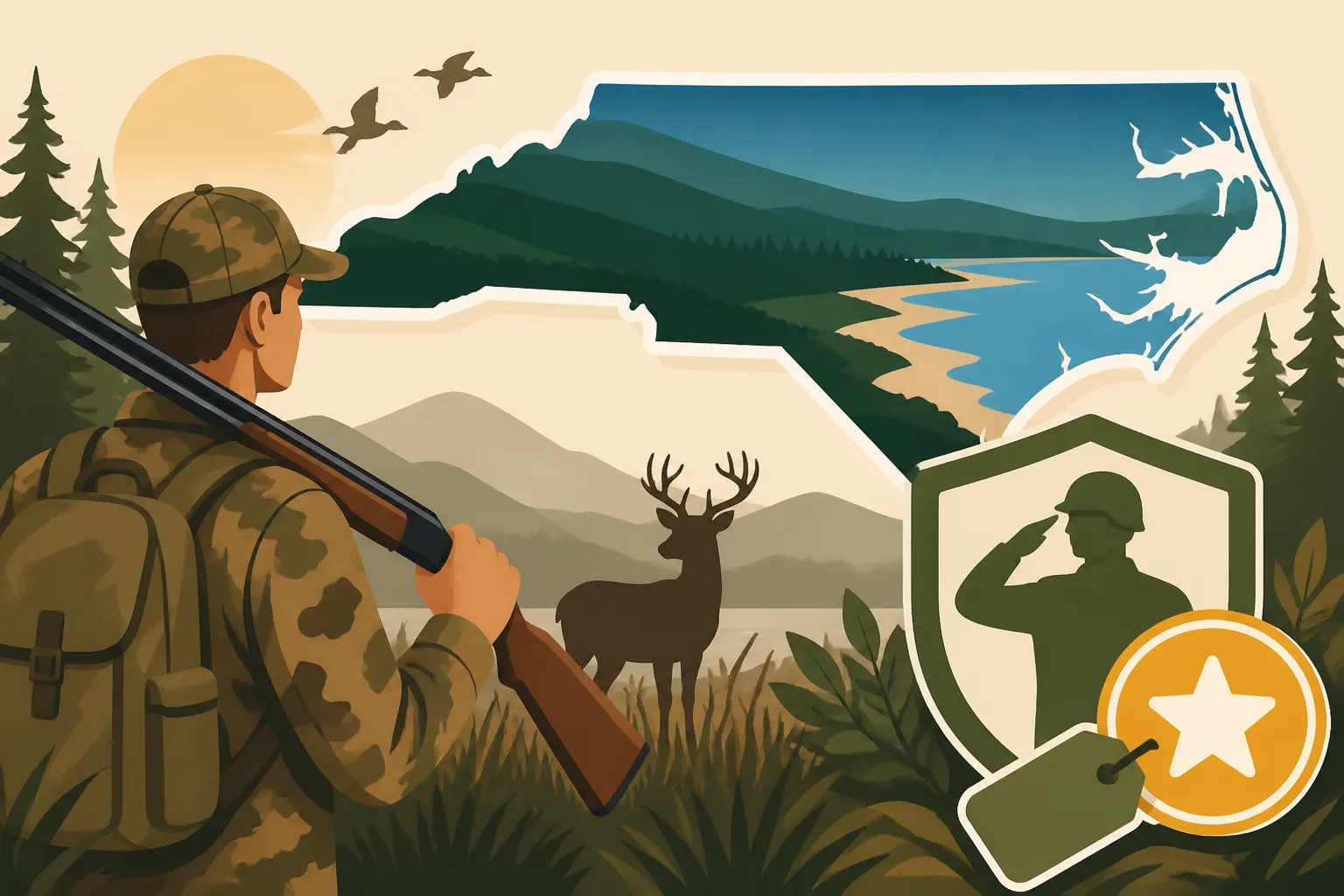
North Carolina Military Hunting License Discounts
For many service members and veterans in North Carolina, the cost of pursuing their passion for hunting can feel like just another hurdle after dedicating so much to our nation. Between active duty deployments, moving to new stations, or transitioning back to civilian life, keeping up with state-specific regulations and license fees can be a real headache. This comprehensive guide is here to untangle the complexities of North Carolina's military hunting license discounts, ensuring you can enjoy the woods and waters you've fought to protect without unnecessary financial strain.
Understanding North Carolina's Commitment to Service Members
North Carolina has a long, proud history of supporting its military community, and that commitment extends to outdoor recreation, particularly hunting. The state acknowledges the profound sacrifices made by active-duty personnel, reservists, National Guard members, and veterans. Providing discounted hunting licenses isn't just a gesture of gratitude; it’s a tangible way to ensure that those who have served, and continue to serve, have affordable access to the rich hunting heritage and abundant wildlife North Carolina offers. It’s about recognizing that hunting often provides much-needed solace, connection to nature, and a sense of normalcy for many service members and their families. It’s more than a discount; it’s an investment in their well-being.
Who Qualifies for Military Discounts
Navigating the specifics of who qualifies can sometimes feel like deciphering a classified document, but it's actually pretty straightforward once you know the categories. Generally, North Carolina extends these benefits to three main groups, each with slightly different criteria. First, active-duty members of the U.S. Armed Forces, including the Coast Guard, stationed in North Carolina, are typically eligible for resident rates, even if their permanent home state is elsewhere. This is a huge benefit, as North Carolina Nonresident Hunting License Options can be significantly more expensive. All they usually need is their military ID and proof of being stationed in the state.
Second, bona fide North Carolina residents who are also active-duty members, reservists, or National Guard members usually qualify for resident licenses at a reduced rate or even a lifetime option, depending on the specific program. This covers those who call North Carolina home and are actively serving.
Third, and this is where many veterans find a significant advantage, certain permanently disabled veterans (typically those with a service-connected disability of 50% or more, as determined by the Department of Veterans Affairs) are often eligible for special lifetime hunting and fishing licenses at a heavily discounted rate, or even free. The exact percentage and criteria can vary, so it's always worth checking the most current regulations. Additionally, former prisoners of war who are North Carolina residents also typically qualify for these special lifetime privileges. Each of these categories is designed to honor service members across different stages of their military journey, making the outdoors more accessible.
The Different Types of Licenses Available
North Carolina offers a robust suite of hunting licenses, and many of these are available at reduced costs for eligible military personnel and veterans. The flagship offering for most hunters is the Unified Sportsman/Coastal Recreational Fishing License. This comprehensive package covers hunting and inland fishing, as well as coastal recreational fishing, and is generally the most economical way to get all your bases covered. For military members, the annual cost of this license is significantly lower than the standard resident fee, which is already a great deal compared to North Carolina Hunting Licenses and What They Cost.
Beyond the annual options, the state really shines with its lifetime license offerings for military and veterans. These are truly a game-changer. For active-duty service members stationed in North Carolina, there's often an opportunity to purchase a lifetime hunting and fishing license at the resident rate, which is a considerable saving over the long haul. Imagine never having to worry about renewing your license again! For permanently disabled veterans and former POWs, the lifetime licenses are either free or available at a nominal fee, providing unparalleled access to hunting for the rest of their lives. These include privileges for hunting all game species, including big game, and often come with additional blanket permissions that would otherwise require separate stamps, like the North Carolina Big Game Privilege Requirements. It's designed to be a one-and-done solution, simplifying access and maximizing enjoyment for those who have given so much.
Navigating the Application Process for Military Discounts
Applying for your military hunting license discount in North Carolina doesn't have to be a bureaucratic nightmare. The North Carolina Wildlife Resources Commission (NCWRC) has worked to streamline the process, though like any official documentation, it requires attention to detail. Thinking of it like a mission briefing can help – understand your objective, gather your intel (documents), and follow the steps. The goal is to make sure you have everything in order to get out in the woods as quickly and pain-free as possible.
Required Documentation
The key to a smooth application is having all your ducks in a row when it comes to paperwork. For active-duty military members, you'll generally need:
- Valid Military Identification Card (CAC Card): This verifies your active-duty status.
- Official Orders or Letter from Your Commanding Officer: This should verify you are permanently stationed in North Carolina. A utility bill or lease agreement showing a North Carolina address might also be accepted as proof of residency while stationed here.
- Proof of North Carolina Residency (if applicable): If you're a resident active-duty member, a North Carolina driver's license or state ID card will work.
For veterans seeking the disabled veteran or former POW lifetime licenses, the documentation is slightly different and crucially important:
- Official VA Disability Letter: This document from the Department of Veterans Affairs must clearly state your service-connected disability rating (typically 50% or more for the full discount).
- DD Form 214 (Certificate of Release or Discharge from Active Duty): This form verifies your honorable discharge and service.
- Proof of North Carolina Residency: A valid North Carolina driver's license or state ID is essential, as these particular lifetime licenses are often tied to resident status.
- Proof of Former POW Status: Specific documentation from the VA or Department of Defense verifying this status.
Always make sure you have original documents or certified copies, as some locations may not accept photocopies without verification. Double-checking the most current NCWRC guidelines or giving them a quick call before you head out can save you a lot of time and frustration, ensuring you're ready to hit the trails for White-Tailed Deer Across North Carolina or Spring Turkey Hunting in North Carolina.
Online, In-Person, and Mail-In Options
North Carolina offers several convenient ways to apply for your hunting license, including those with military discounts. This flexibility is a huge plus, catering to different schedules and preferences.
The most popular method, especially for those comfortable with technology, is often the online portal. You can access the NCWRC's official website, and navigate to their licensing section. Here, you can select the appropriate military or veteran license option. You'll typically need to upload digital copies of your required documentation. The system is designed to walk you through the steps, making it a fairly straightforward process. Many hunters use resources like GoHunt to stay on top of regulations and plan their seasons, and the NCWRC website integrates seamlessly with that kind of planning by providing easy access to licensing. Using the Buying a License on the NC Wildlife Portal is often the quickest way to get your license in hand.
For those who prefer face-to-face interaction or need help with their documents, in-person options are widely available. You can visit authorized license agents located across the state, which include many sporting goods stores, bait and tackle shops, and some county government offices. These agents are trained to process licenses and can often verify your documents on the spot. This can be especially helpful if you have unique circumstances or just prefer a human touch.
Finally, while less common these days, mail-in applications are still an option for certain license types, particularly some of the lifetime veteran licenses that might require more detailed review. You'll need to download the appropriate application form from the NCWRC website, fill it out completely, attach copies of your required documentation, and mail it to the address provided. Keep in mind that mail-in applications will naturally take longer to process than online or in-person methods, so plan accordingly, especially if you're eyeing a specific season opener. Regardless of the method you choose, getting your license is the first step to enjoying North Carolina's diverse hunting opportunities.
Verifying Eligibility and Common Pitfalls
Even with all your documentation, sometimes things don't go as smoothly as planned. It's crucial to understand that the NCWRC will rigorously verify your eligibility for military discounts, and for good reason—these are valuable privileges.
A common pitfall for active-duty members is a lack of clear proof that they are "permanently stationed" in North Carolina. Temporary duty orders, training rotations, or even living just across the state line won't cut it. You need official documentation showing your permanent change of station (PCS) to North Carolina. For veterans, the most frequent issue revolves around the VA disability rating. The NCWRC often requires the official VA letter explicitly stating the service-connected disability percentage. Sometimes, a general VA benefits letter might not be sufficient if it doesn't specify the exact rating or connection to service. Always double-check that your VA documentation meets the specific requirements outlined by NCWRC.
Another potential hiccup can be related to residency. While active-duty military members stationed in North Carolina can claim resident status for licensing purposes, veterans seeking lifetime discounts must be bona fide residents of North Carolina, meaning they truly live here, often for a specified period. Don't assume your military affiliation automatically grants you resident status for all licenses if you haven't established legal residency in the state.
If your application is delayed or denied, don't get discouraged. The NCWRC staff are generally very helpful. Reach out to them directly, explain your situation, and ask precisely what additional information or clarification is needed. Sometimes, it's just a matter of providing one more piece of paper or having a specific phrase in your documentation. A little persistence and clear communication can resolve most issues and get you set up for North Carolina Deer Season Structure Explained in no time.
Comparing Military Discounts to Standard Licenses
The value of North Carolina's military hunting license discounts becomes incredibly clear when you compare them to the standard offerings. These aren't just token gestures; they represent substantial savings and streamlined access, making a real difference in a hunter's annual budget or long-term planning. For both annual and lifetime options, the financial benefits are undeniable, especially for those who regularly participate in various hunting seasons across the state.
Cost Savings Over Time
Let's put some numbers to this. Consider a standard North Carolina resident, non-military hunter who wants to enjoy deer, turkey, and small game. They'd typically purchase a Unified Sportsman license, which includes basic hunting and fishing privileges, and then potentially add a North Carolina Big Game Privilege Requirements for deer and bear, and a turkey stamp. This adds up annually.
Now, compare that to an active-duty military member stationed in North Carolina. They can acquire an annual Unified Sportsman license at a significantly reduced rate, often paying less than half of what a civilian resident pays for the same privileges. Over several years of being stationed in North Carolina, these savings accumulate quickly. For example, if a standard Unified Sportsman license costs around $65 (including a big game privilege), and the military discounted version is, say, $25, that's $40 saved each year. Over four years, that's $160—enough for a new stand or a few boxes of premium ammo.
For permanently disabled veterans or former POWs, the savings are even more dramatic, as their lifetime licenses are often free or exceptionally low-cost. A non-military resident looking for a lifetime comprehensive hunting and fishing license might pay hundreds of dollars, if not more, depending on their age and inclusions. For a qualifying veteran, this cost is erased, representing a lifelong saving that easily runs into the thousands. It’s a profound benefit that ensures access to the outdoors is never hampered by cost.
| License Type | Standard Resident Annual Cost (Approx.) | Active Duty Military Annual Cost (Approx.) | Disabled Veteran Lifetime Cost (Approx.) |
|---|---|---|---|
| Unified Sportsman | $65.00 | $25.00 | – |
| Lifetime (Comprehensive) | $250 – $450 (age-dependent) | $250 – $450 (resident rate) | Free or Nominal Fee ($10-20) |
| Big Game Privilege (included) | Yes | Yes | Yes |
| Game Lands (included) | No (separate permit needed) | No (separate permit needed) | Yes (often included) |
Note: Prices are illustrative and subject to change by the NCWRC. Always check current regulations.
This table clearly illustrates the considerable financial advantage these discounts provide. It’s not just about saving a few bucks; it's about making hunting a sustainable and accessible pursuit for those who've served.
Long-Term Benefits of Lifetime Licenses for Veterans
While annual discounts are great, the true pinnacle of North Carolina's military benefits lies in its lifetime hunting and fishing licenses for qualifying veterans. This isn't just about saving money in a given year; it's about making a lifelong commitment to providing outdoor access without the hassle of yearly renewals or fluctuating fees.
Imagine never having to think about your hunting license again. No more scrambling online at the last minute before Opening Weekend Tactics for the Eastern Zones, no more worrying about price increases, and no more deciphering which stamps you need for different species. Once you have a lifetime license as a disabled veteran or former POW, you're set for life, often with comprehensive privileges that include hunting all types of game and even public land access through a North Carolina Game Lands License Requirements inclusion.
This long-term security is invaluable. It frees up mental energy to focus on scouting, gear, and actual hunting, rather than administrative tasks. For veterans who might be managing other challenges related to their service, this simplification of access to a beloved pastime can be incredibly beneficial for mental well-being and a sense of continuity. It's an enduring "thank you" from the state, acknowledging that their service has earned them a permanent place in North Carolina's rich outdoor tradition. Using tools like GoHunt or the NC Wildlife App for scouting becomes solely about finding game, not worrying if your paperwork is in order. This is one of the most impactful North Carolina Lifetime License Options available.
Additional Perks and Considerations
Beyond the direct cost savings, North Carolina's military and veteran hunting licenses come with some excellent, often overlooked, perks and important considerations. For instance, many of the lifetime veteran licenses often include the "Game Lands Use Permit" automatically. This permit, normally a separate purchase for other hunters, is essential for accessing and hunting on North Carolina’s vast network of public game lands. This is a significant added value, allowing seamless access to diverse hunting grounds, whether you're chasing deer in Pisgah National Forest or turkeys in the Uwharrie.
Another key consideration, especially for new hunters or those new to North Carolina, is the state's hunter education requirements. Generally, anyone born on or after July 1, 1988, must complete a hunter education course to hunt without supervision. However, North Carolina offers a North Carolina Apprentice Hunter License Rules which allows individuals to hunt under the direct supervision of a licensed adult without prior hunter education. This can be a great way for military families, or veterans new to hunting, to get started. While military status doesn't exempt you from hunter education, the state makes it easy to comply, and discounted licenses encourage participation.
It's also worth noting that while your license grants you the right to hunt, it doesn't exempt you from specific season dates, bag limits, or species-specific regulations. For example, even with a lifetime license, you'll still need to be aware of the daily and seasonal bag limits for White-Tailed Deer Across North Carolina and report your harvest according to state law. The NCWRC website and resources like GoHunt are excellent for staying up-to-date on these details. Always verify the specifics of your license and any additional regulations that apply to the game you're pursuing.
Maximizing Your Hunting Opportunities with a Military Discounted License
Getting your North Carolina military hunting license discount is more than just a purchase; it's your passport to an incredible array of outdoor experiences. Once you have it in hand, the real fun begins: planning your adventures and making the most of the diverse hunting opportunities North Carolina has to offer. This license empowers you to explore, learn, and connect with the state's natural beauty in a unique and profound way.
Accessing Public Hunting Lands
One of the greatest advantages of having a comprehensive North Carolina hunting license, especially one that includes game lands privileges, is the access it grants to vast tracts of public hunting land. North Carolina boasts millions of acres of game lands, national forests, and national wildlife refuges that are open to public hunting. Whether you're looking for the challenge of hunting the steep slopes of Pisgah National Forest Hunting for elusive deer and bear, or prefer the vast, swampy pocosins of Croatan National Forest Hunting for coastal black bears and hogs, your license unlocks these opportunities.
However, access sometimes comes with specific rules. For some federal lands, like certain National Wildlife Refuges, you might need to apply for an additional, often free, refuge permit, or participate in quota hunts. The NCWRC website and the specific refuge websites are invaluable resources for understanding these nuances. Utilizing mapping applications like the GoHunt app or other reputable hunting apps can show you public land boundaries, access points, and even help you identify potential hunting areas before you ever set foot in the woods. These tools, combined with your valid license, make scouting and planning trips to these public lands much more efficient, ensuring you spend less time confused and more time hunting.
Understanding Bag Limits and Seasons
While your military discounted license grants you the privilege to hunt, it doesn't alter the fundamental rules of the game. You'll still need to adhere strictly to all North Carolina's hunting regulations, including season dates, legal hunting hours, and species-specific bag limits. These regulations are in place to ensure sustainable wildlife populations and fair chase for all hunters.
For instance, the North Carolina Deer Season Structure Explained varies significantly by zone (Eastern, Central, Western, and Northwestern), with different opening and closing dates for archery, muzzleloader, and gun seasons. A lifetime license means you don't need to buy a new deer tag each year, but you absolutely must know which zone you are in and which specific dates are open for the weapon you choose. The same applies to Spring Turkey Hunting in North Carolina, which has its own specific bag limits and season dates.
Always carry a copy of the current North Carolina Inland Fishing, Hunting & Trapping Regulations Digest, either a physical copy or the digital version available on the NCWRC app. This digest is your ultimate authority on legal hunting practices. Additionally, platforms like GoHunt provide updated regulation summaries and season dates, which can be invaluable for cross-referencing and planning your trips. Staying informed isn't just about avoiding a ticket; it's about ethical hunting and contributing to the conservation efforts that make these opportunities possible.
Planning Your Hunts and Utilizing Resources
With your military discounted license secured, it's time to transform that privilege into actual hunting adventures. Effective planning is crucial, and North Carolina offers a wealth of resources to help you succeed.
Start by identifying the species you want to pursue. Are you hoping for a trophy buck in the Piedmont? A gobbler in the mountains? Or perhaps some small game like squirrels in the bottomland hardwoods? Each species and region will have different habitat requirements and hunting tactics. The NCWRC website provides excellent information on game species, populations, and general distribution.
Next, consider where you'll hunt. If you're focusing on public lands, familiarize yourself with specific game lands or national forests. Use detailed maps (both digital like GoHunt and physical) to identify potential access points, terrain features, water sources, and cover areas. Scouting, whether in person or via aerial imagery, is vital. Remember to check for any specific game land regulations that might differ from statewide rules, such as special managed hunts or access restrictions.
Finally, leverage the tools available to you. The NCWRC's official mobile app is fantastic for checking regulations, reporting harvests, and even finding public lands. GoHunt and other reputable online platforms can provide detailed maps, weather forecasts, and community forums where you can learn from other hunters (though always take online advice with a grain of salt and verify against official regulations). Don't forget the importance of North Carolina Hunter Education Requirements for foundational knowledge and safety. Combine your dedication with these resources, and your military discounted license will lead to countless rewarding experiences in the North Carolina outdoors.
Disclaimer
The information provided in this guide is for general informational purposes only and is subject to change. Hunting regulations, license costs, and eligibility criteria are set by the North Carolina Wildlife Resources Commission (NCWRC) and may be updated periodically. While we strive to provide accurate and up-to-date information, it is the individual hunter's responsibility to verify all current laws, regulations, and requirements directly with the NCWRC or other appropriate authorities before hunting. This guide does not constitute legal advice or an official interpretation of hunting regulations.