North Carolina Federal Duck Stamp Requirement
It’s a common scenario for many North Carolina hunters: you’ve meticulously planned your waterfowl outing, gathered your gear, and bought your state hunting license, only to realize you might be missing a crucial federal requirement. The truth is, navigating the layers of hunting regulations, especially for migratory birds, can feel like a maze. This guide is here to untangle the specifics of the North Carolina Federal Duck Stamp requirement, making sure you’re fully compliant and ready for the blinds.
Understanding the Federal Duck Stamp
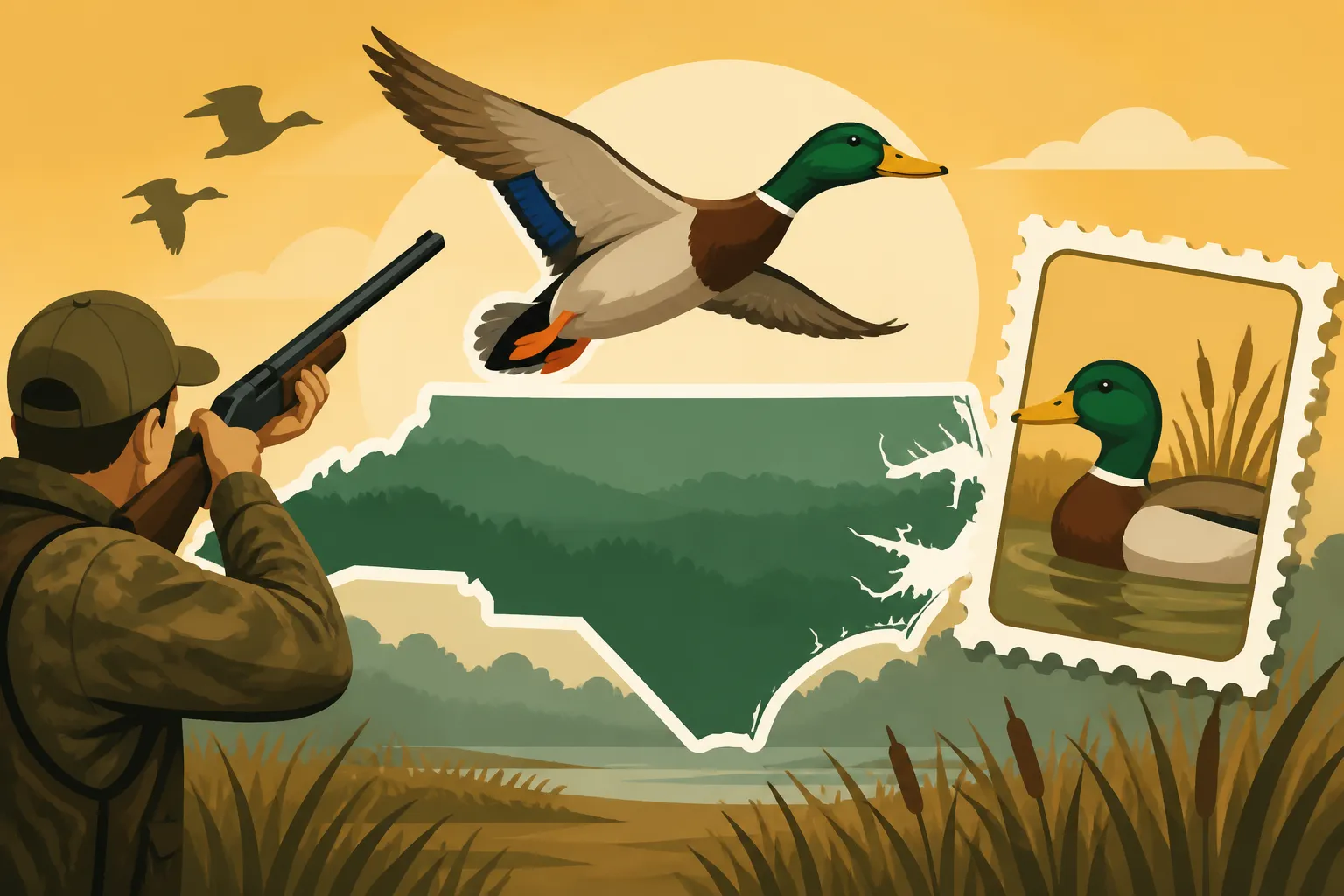
The Federal Duck Stamp, officially known as the Migratory Bird Hunting and Conservation Stamp, is often one of those overlooked details that can trip up even experienced hunters. It’s an essential piece of the puzzle for anyone planning to hunt ducks, geese, or other migratory waterfowl in North Carolina, or anywhere else in the U.S., for that matter.
What the Federal Duck Stamp Is and Why It Matters
Let's be honest, it can feel like you're constantly adding another license or stamp to your hunting portfolio, and sometimes it's hard to keep track of what each one is for. But the Federal Duck Stamp is different, and its purpose is incredibly vital. Since 1934, this small stamp has been a cornerstone of wetland conservation across the nation. When you buy a Federal Duck Stamp, 98 cents of every dollar goes directly to the Migratory Bird Conservation Fund. This fund is then used to acquire and protect wetland habitat and easements for the National Wildlife Refuge System. These are the very lands that provide critical breeding, migration, and wintering grounds not just for waterfowl, but for countless other wildlife species, too.
Think about the vast marshes of the North Carolina coast or the vital inland swamps and impoundments where you pursue ducks and geese. Much of that habitat has benefited, directly or indirectly, from the funds generated by these stamps. It's more than just a regulatory hurdle; it's a direct investment in the future of the sport we love and the health of the ecosystems these birds depend on. Without the Duck Stamp program, many of the places we enjoy hunting, and the robust populations of birds we pursue, simply wouldn't exist in the same way. It's a genuine conservation success story that hunters have been funding for generations.
Who Needs to Purchase a Federal Duck Stamp
Now, let's get down to brass tacks: who actually needs to buy one of these stamps? The rule is pretty straightforward, but there are a couple of nuances. If you are 16 years of age or older and intend to hunt migratory waterfowl – which includes ducks, geese, and swans – you are required by federal law to possess a valid Federal Duck Stamp. This applies whether you're hunting on private land, public game lands, or federal wildlife refuges. There’s no distinction based on where you plan to hunt; if you're targeting those species, you need the stamp.
An important exemption to remember is for youth hunters. If you're taking a young hunter, say your 14-year-old son or daughter, out for their first duck hunt, they do not need to purchase a Federal Duck Stamp. The requirement kicks in only once they turn 16. However, even if they don't need the federal stamp, they will likely still need a North Carolina Resident Hunting License Options and potentially a North Carolina Migratory Bird Certification, depending on their age and specific circumstances. It's always a good idea to double-check all state and federal requirements before heading out, especially for new hunters.
Many hunters assume that if they only plan to hunt Canada geese, they might be exempt, but this is a common misconception. Geese are absolutely considered migratory waterfowl under the law, so if you're chasing them, you need that stamp just as much as if you were after mallards or teal. The stamp is specifically for the hunting of migratory game birds. For other game like doves or woodcock, while they are migratory birds, they generally fall under different certification requirements through your state license, not the Federal Duck Stamp.
How to Purchase Your Federal Duck Stamp in North Carolina
Getting your hands on a Federal Duck Stamp in North Carolina is thankfully a pretty simple process, especially with modern technology. You have a few convenient options, whether you prefer to do things online or in person. Understanding the process will save you any last-minute headaches before a crucial hunt.
Online and Retail Purchase Options
The most common way for hunters to purchase a Federal Duck Stamp these days is through the electronic format, often referred to as an "E-Stamp." When you purchase an E-Stamp online through the NC Wildlife Resources Commission's Go Outdoors North Carolina portal, or through a licensed retailer like a Walmart or local sporting goods store that offers NCWRC licenses, you'll receive an immediate authorization number. This number is your temporary proof of purchase and is valid for 45 days. You can print this out and carry it with you, or simply have the confirmation accessible on your phone, though a printed copy is always a smart backup in areas with spotty cell service.
Within that 45-day window, the actual physical Federal Duck Stamp will be mailed to you by the U.S. Fish and Wildlife Service. Once you receive the physical stamp, you are required to sign it across the face and carry it with you while hunting migratory waterfowl. This two-step process—temporary e-stamp followed by a physical, signed stamp—ensures you're compliant almost immediately after purchase. For those who prefer the traditional route, you can also purchase the physical stamp directly from many U.S. Post Office locations. It’s always best to call ahead to ensure they have them in stock, especially right before opening weekend for North Carolina Waterfowl Zones and Seasons.
Linking Your Stamp to Your NC Hunting License
One of the great conveniences of the E-Stamp system in North Carolina is how it integrates with your existing state hunting license. When you purchase your E-Stamp through the NCWRC system, it's typically linked to your customer account. This means wildlife enforcement officers, when checking your license, can often see that you've purchased the necessary federal stamp. However, don't let this convenience make you complacent. You still need to ensure you have that temporary authorization number or, eventually, the signed physical stamp in your possession.
Imagine you're out on the water, maybe Hunting Currituck Sound Diving Ducks, and a wildlife officer pulls up. They'll ask for your state hunting license and your Federal Duck Stamp. Being able to quickly show your printed E-Stamp authorization or the signed physical stamp makes the interaction smooth and hassle-free. If you're using a digital license or E-Stamp on your phone, remember to keep your device charged and protected from the elements. There's nothing worse than a dead battery when an officer asks for proof of compliance. Tools like GoHunt can help you keep track of all your licenses and permits digitally, making it easier to confirm your compliance status before heading afield. It’s a small step that can save you a lot of grief.
The Broader Impact of Your Federal Duck Stamp Purchase
Beyond simply meeting a legal requirement, purchasing a Federal Duck Stamp has a profound and far-reaching impact. It's a tangible way for hunters to directly contribute to conservation, not just locally in North Carolina, but across the entire flyway. When we invest in these stamps, we're doing more than just buying a permit; we're actively participating in the preservation of vital ecosystems.
Funding Conservation Efforts in North Carolina and Beyond
The funds generated from Federal Duck Stamp sales are a critical lifeline for wetland ecosystems. In North Carolina, these dollars contribute significantly to maintaining and enhancing habitats found within our national wildlife refuges and other protected areas. For instance, sections of Mattamuskeet National Wildlife Refuge, which is a key wintering ground for enormous numbers of waterfowl, have benefited from these funds. These monies support projects like dike maintenance, water level management in impoundments, and restoring native vegetation – all crucial elements for providing food and shelter for migrating birds.
It’s not just the big, well-known refuges either. These funds also support smaller, lesser-known but equally vital wetlands along the North Carolina Waterfowl on the Atlantic Flyway. These areas act as critical stopovers for ducks and geese making their long migrations, allowing them to rest and refuel. By purchasing a stamp, you're directly helping to ensure that future generations of hunters and wildlife enthusiasts will have healthy populations of waterfowl and pristine habitats to enjoy. This direct link between hunter dollars and on-the-ground conservation is one of the most effective funding models for wildlife management in the world, and it speaks volumes about the conservation ethic of hunters.
Common Misconceptions and Compliance Tips
Despite its long history and clear purpose, some common misunderstandings about the Federal Duck Stamp persist. One we touched on earlier is the belief that if you're only hunting certain species, like geese, you might be exempt. To reiterate, any migratory waterfowl hunting requires the stamp. Another misconception is that if you're hunting on private land, federal rules don't apply. This is incorrect; federal regulations, including the Duck Stamp requirement, apply universally regardless of land ownership.
To ensure full compliance and a stress-free hunt, always remember to sign your physical Federal Duck Stamp once it arrives. An unsigned stamp is not considered valid. Carry it with you, along with your valid North Carolina hunting license and your North Carolina Migratory Bird Certification, whenever you are hunting ducks or geese. For those participating in special youth weekends or mentoring new hunters, be mindful of the age requirements for the stamp, as well as state-specific rules like the North Carolina Youth Turkey Weekend Rules if you're doing a crossover hunt.
Using modern mapping and regulatory tools, such as the GoHunt app or website, can be incredibly helpful. These platforms often aggregate state and federal regulations, making it easier to verify requirements like the Federal Duck Stamp and North Carolina Duck and Goose Bag Limits for your specific hunting zone. Being informed and prepared is your best defense against accidental violations. After all, the goal is to enjoy the hunt, not stress about paperwork.
Here’s a quick overview to help keep things clear:
| Requirement | Who Needs It | Where to Buy | Cost (Approx.) | Validity | Key Purpose |
|---|---|---|---|---|---|
| Federal Duck Stamp | Hunters 16+ for migratory waterfowl | Online (E-Stamp), USPS, authorized retailers | $25 | July 1 to June 30 (annual) | Wetland conservation & habitat acquisition |
| NC Hunting License | All hunters (state-specific) | NCWRC Go Outdoors online, authorized retailers | Varies | Annual or multi-year | State wildlife management & enforcement |
| NC Migratory Bird Cert. | All migratory bird hunters (state-specific) | NCWRC Go Outdoors online, authorized retailers | Included/Free | Annual | Federal tracking of migratory bird hunters |
Making sure you have the correct stamps and licenses is part of being a responsible hunter. It not only keeps you on the right side of the law but also actively contributes to the health and future of North Carolina's incredible waterfowl resources and beyond. Whether you're in a Layout Blind Hunting Coastal Plain Fields or pushing through the thick cover of Hunting the Outer Banks Marsh, knowing you're fully compliant lets you focus on the hunt itself.
Disclaimer
Please remember that hunting regulations, license requirements, and season dates can change. While this guide provides comprehensive information, it is crucial to consult the official North Carolina Wildlife Resources Commission (NCWRC) regulations and the U.S. Fish and Wildlife Service websites for the most current and accurate information before planning any hunt. This content is for informational purposes only and should not be considered legal advice.