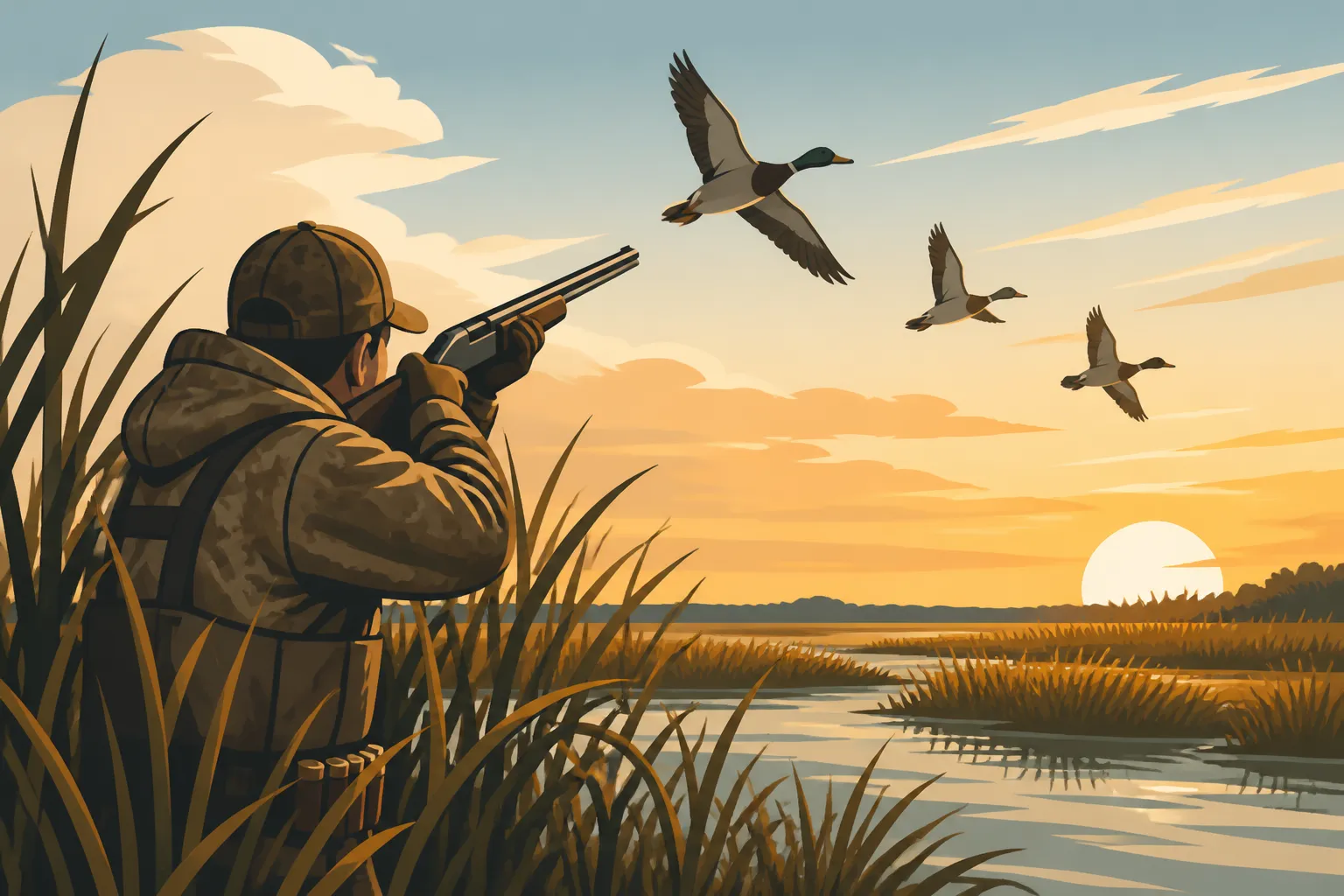
Hunting the Outer Banks Marsh
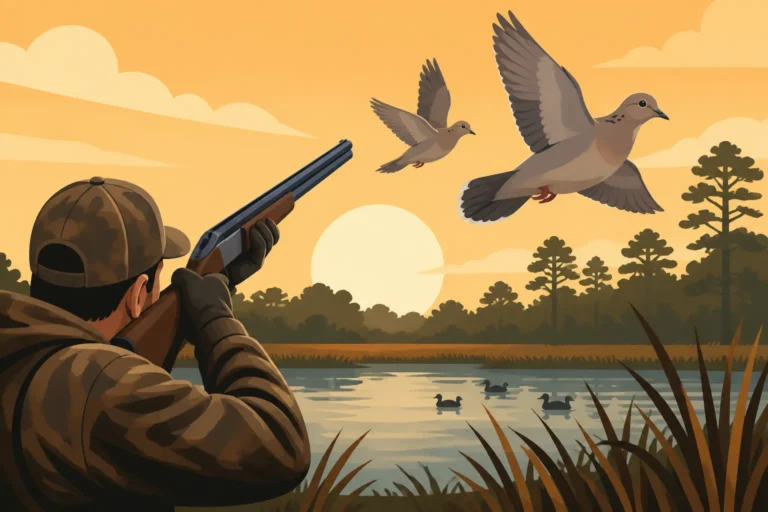
If you've ever dreamt of waterfowling along North Carolina's iconic Outer Banks, you know the allure is strong, but the reality of actually hunting those vast, intricate marshes can feel incredibly daunting. From unpredictable tides to challenging access and elusive birds, it’s a whole different ballgame compared to a farm pond or flooded timber. This guide is here to demystify the process, helping you understand the unique challenges and arming you with the knowledge to pursue ducks and geese in one of the state's most storied waterfowl regions.
Navigating the Unique Environment of the Outer Banks Marsh
The Outer Banks marsh is a truly distinct ecosystem, and understanding its nuances is the first step toward successful hunting. This isn't your typical swamp or inland lake; you're dealing with a dynamic environment shaped by the Atlantic Ocean, Pamlico Sound, Currituck Sound, and a host of smaller estuarine systems. The constant push and pull of water, the specialized vegetation, and the sheer vastness make it a demanding, yet incredibly rewarding, place to hunt.
Understanding Tides and Water Movement
One of the biggest factors that sets Outer Banks marsh hunting apart is the tide. While not as dramatic as ocean tides, the sounds experience significant wind-driven tides and lunar influences that can drastically change water levels throughout the day. What might be a perfectly navigable channel in the morning could be a mud flat or barely submerged grass bed by afternoon. This impacts everything from where ducks feed to how you access your hunting spot. You absolutely have to pay attention to tide charts and, more importantly, recent wind patterns. A strong northeast wind can push water levels up for days, flooding areas usually dry, while a persistent southwest wind can pull water out, exposing mud and making travel difficult. This constant change means yesterday's hot spot might be bone dry today, or vice versa. Always check multiple sources for tide predictions and local conditions before heading out, as discrepancies can exist, and real-time wind observations are often more critical than astronomical tides.
Identifying Key Marsh Features
The Outer Banks marsh isn't just a flat expanse of grass. It's a complex mosaic of channels, guts, potholes, islands, and varying types of vegetation. Knowing what to look for, and what different features mean for waterfowl, is crucial. For instance, shallow open water surrounded by dense Spartina grass often holds dabbling ducks like teal and mallards. Deeper channels and open sound waters, especially those with submerged aquatic vegetation (SAV), are more likely to attract diving ducks like buffleheads, redheads, and canvasbacks. Small, isolated potholes within a vast grass marsh can be goldmines, acting as sheltered feeding areas, especially on windy days. These are the places birds feel safe and can feed without expending too much energy fighting the wind. Using tools like the NC Wildlife Map Tool or a robust mapping application like GoHunt can help you identify these features from afar, allowing for better pre-hunt scouting and navigation. Don't forget to study historical satellite imagery, as it can reveal changes in vegetation and water flow over time, hinting at potential patterns.
Essential Gear for Successful Marsh Hunting
Hunting the Outer Banks marsh demands specialized gear. This isn't just about your shotgun and shells; it's about having the right tools for access, survival, and comfort in a wet, often windy, and sometimes unforgiving environment. Trying to make do with less will not only lead to frustration but could also put you in a dangerous situation.
Boats and Navigation Equipment
Access is paramount on the Outer Banks, and a reliable boat is often your most critical piece of equipment. Shallow-draft vessels like Jon boats, skiffs, or even kayaks and canoes are staples. The type of boat depends on how deep you plan to venture and how much gear you're hauling. A Jon boat with a reliable mud motor or outboard is often ideal for covering larger distances and navigating shallow channels. For more remote, smaller potholes, a kayak or canoe might be the only way in, allowing for silent approach and access where bigger boats can't go. Whatever your choice, ensure it's well-maintained and you're comfortable operating it in shallow, often debris-filled water. Navigation is equally important. GPS devices, whether standalone units or reliable apps like GoHunt on your phone, are non-negotiable. The marsh can look incredibly uniform, especially in the dark or fog, and getting lost is a real concern. Always carry a compass and physical map as a backup. When considering your vessel, remember that you may be dragging it through mud or over oyster beds, so durability and ease of handling are key.
| Boat Type | Pros | Cons | Ideal Use Case |
|---|---|---|---|
| Jon Boat | Stable, good cargo, motor options | Can get stuck in very shallow mud, noisy | Covering distance, open water, larger spreads |
| Kayak/Canoe | Silent, access very shallow areas | Limited cargo, slower, less stable | Sneak attacks, small potholes, remote spots |
| Skiff | Good stability, handles chop better | Heavier, needs more water depth than Jon | Larger sound crossings, open marsh edges |
| Airboat | Unmatched shallow water access, fast | Expensive, noisy, specialized maintenance | Professional guides, large, very shallow marsh areas |
Decoys and Blind Setups
Your decoy spread needs to be robust and realistic to draw in wary coastal birds. A mix of dabblers (mallards, pintails, teal) and divers (canvasbacks, redheads, bluebills) is often effective, depending on the area you're hunting and the specific species prevalent at that time. Think about motion decoys, like spinning wing decoys, to add lifelike movement, especially on calm days. For divers, longer lines or Texas rigs are common to deal with deeper water and strong currents. When it comes to blinds, natural concealment is often best. Brushing in a layout blind on a marsh edge or setting up among natural vegetation can be incredibly effective. Sometimes, a simple marsh stool tucked into thick grass is all you need. However, for open water areas or cut-over fields adjacent to the marsh, a more substantial blind or even a layout blind hunting a cut cornfield could be necessary. The key is to blend in completely with your surroundings, as these ducks are often pressured and highly observant.
Weather-Appropriate Clothing and Waders
The weather on the Outer Banks is famously unpredictable. A warm, sunny morning can quickly turn into a cold, windy, rainy afternoon. Layering is crucial. Start with good base layers, add insulating mid-layers like fleece or wool, and top it off with waterproof and windproof outerwear. Investing in quality waders is non-negotiable. Breathable chest waders are often preferred for comfort and mobility, but neoprene can offer more warmth in colder conditions. Make sure your waders are durable, puncture-resistant, and have good traction on the boots, as you'll be slogging through mud, over oyster shells, and across slippery grass. Don't forget waterproof gloves, a warm hat (you lose a lot of heat through your head!), and a waterproof backpack to keep extra layers, snacks, and important electronics dry. Your boots for North Carolina swamps and ridges might be similar in needed characteristics to marsh boots, focusing on waterproofness and grip.
Access Points and Scouting Strategies
Finding the birds and getting to them efficiently and safely requires careful planning and effective scouting. Public access isn't always obvious, and the best spots are often found through diligent research and on-the-ground reconnaissance.
Identifying Public Hunting Areas
North Carolina offers excellent public hunting opportunities, even in the coastal marsh. Game Lands like the Currituck Banks, J. Morgan Futch, and North River Game Lands provide extensive marsh habitat. Understanding the specific rules and regulations for each Game Land is critical, as some may have special draws, access restrictions, or even require specific permits beyond your standard hunting license. Before you head out, use resources like the NC Wildlife App or the online Game Lands map to pinpoint legal access points, boundaries, and any specific regulations for the area you're interested in. Many of these areas are part of the larger network of North Carolina Game Lands and often overlap with the state's North Carolina Waterfowl Zones and Seasons. For specific regulations and season dates, ensure you review the current year's North Carolina Coastal Duck Zone Rules.
Scouting the Marsh Effectively
Scouting the Outer Banks marsh is quite different from scouting for deer in the woods. You'll rely heavily on aerial photos, mapping applications, and observation from a distance. Tools like GoHunt or other satellite imagery providers are invaluable for identifying open water, dense grass, potholes, and channels. Look for patterns in water movement, areas where currents might deposit food, or sheltered spots that offer refuge from strong winds. Driving along coastal roads at dawn or dusk, observing where birds are flying, sitting, and feeding, can give you huge clues. Don't be afraid to put boots on the ground (or waders in the water) during the off-season or on non-hunting days to explore potential spots, check water depths, and identify natural concealment options. Look for signs of bird activity: droppings, feeding craters in the mud, or disturbed vegetation. Remember that a good spot can change from year to year depending on habitat conditions, so continuous scouting is essential. This also gives you a chance to truly understand reading a sound-side marsh for a morning flight, learning the subtle cues that signal bird movement.
Effective Waterfowl Tactics for the Coastal Zone
Once you've done your homework on the environment and your gear is dialed in, it's time to put those plans into action. Coastal waterfowl hunting requires specific tactics, from calling to decoy placement and retrieving downed birds, all designed to overcome the challenges of the marsh.
Decoy Spreads and Calling Strategies
For dabbling ducks in shallower marsh, a relaxed, open spread mimicking feeding birds can be effective. Consider placing a "landing zone" in front of your blind, free of decoys, to give birds a clear place to commit. For diving ducks on larger bodies of water, longer lines and larger numbers of decoys often work best, creating a visible mass that signals safety and food. Think about using a "J" hook or "V" formation, with the open end facing into the wind, guiding birds directly into your shooting lane. When it comes to calling, less is often more with pressured Outer Banks birds. Learn to use realistic feeder chuckles, soft contented quacks, and subtle greeting calls. Reserve loud hail calls for birds at a distance. Watch how the birds respond and adjust your calling volume and cadence accordingly. Often, a few soft quacks are enough to bring a curious flock within range. Understanding decoy spreads for Currituck Sound diving ducks is a skill refined over many seasons.
Setting Up for the Shot
Your blind setup needs to be absolutely rock-solid against the unpredictable coastal winds. Make sure your blind is well-anchored and brushed in thoroughly. Position your blind so that the prevailing wind is at your back or quartering, as ducks almost always land into the wind. This gives you a better shot presentation and often puts the birds closer to your decoys. Pay attention to the sun's position – you want the sun at your back, not in the birds' eyes, or worse, in yours! Be patient. Birds on the Outer Banks are smart and will circle multiple times, looking for anything out of place. Stay absolutely still until the very last moment, when they commit and drop their feet. This requires discipline, but it pays off handsomely. It’s a similar patience to still-hunting Nantahala Forest ridges, just a different landscape.
Retrieving Downed Birds
Retrieving birds in the marsh can be challenging. A good retriever dog is an invaluable asset, not just for fetching birds but also for reducing crippling loss. If you don't have a dog, a sturdy boat with a push pole is essential. Mark your bird's fall clearly, and head directly to it. The current and waves can carry a downed bird quickly, and losing a bird you've legally harvested is a terrible feeling. Always prioritize retrieving your bird, even if it means missing a shot opportunity at another incoming flock. Remember, hunters also need to be mindful of the North Carolina Duck and Goose Bag Limits, and ensure they have their North Carolina Migratory Bird Certification and a North Carolina Federal Duck Stamp.
Safety Considerations for Outer Banks Marsh Hunts
Hunting in such a dynamic and remote environment comes with inherent risks. Prioritizing safety is not just good practice; it's essential for coming home safe after a day on the marsh.
Weather and Water Conditions
As mentioned, Outer Banks weather can change on a dime. Always check the forecast before you leave, and be prepared for worse conditions than predicted. High winds can quickly make travel across open water dangerous, creating choppy conditions that can swamp small boats. Fog can roll in fast, disorienting even experienced navigators. If conditions deteriorate, don't hesitate to pull out early. Your life is not worth a duck. Always let someone know where you're going and when you expect to return. Carry extra clothing, a fire starter, and plenty of water, even on short trips. Knowing what to do in a sudden squall could be the difference between a minor inconvenience and a life-threatening situation.
Navigation and Emergency Preparedness
Beyond GPS, carry a fully charged phone in a waterproof case, along with a portable charger. Consider a satellite messenger device for truly remote areas where cell service is unreliable, which is common in many parts of the Outer Banks marsh. Always wear your life jacket, especially when moving in your boat. Carry a first-aid kit, a whistle, and a bright light. Know how to use your equipment and practice emergency procedures. If you're hunting alone, be extra cautious. If you hunt with others, establish clear communication protocols. Getting stranded in the marsh at night, especially in cold weather, can turn dangerous very quickly. Always be aware of your surroundings and any potential hazards, such as submerged stumps, oyster beds, or fast-moving currents.
Disclaimer
Please remember that hunting regulations and conditions can change. Always consult the latest North Carolina Wildlife Resources Commission (NCWRC) regulations before heading afield. Safety should always be your top priority.