North Carolina Spring Turkey Bag Limit
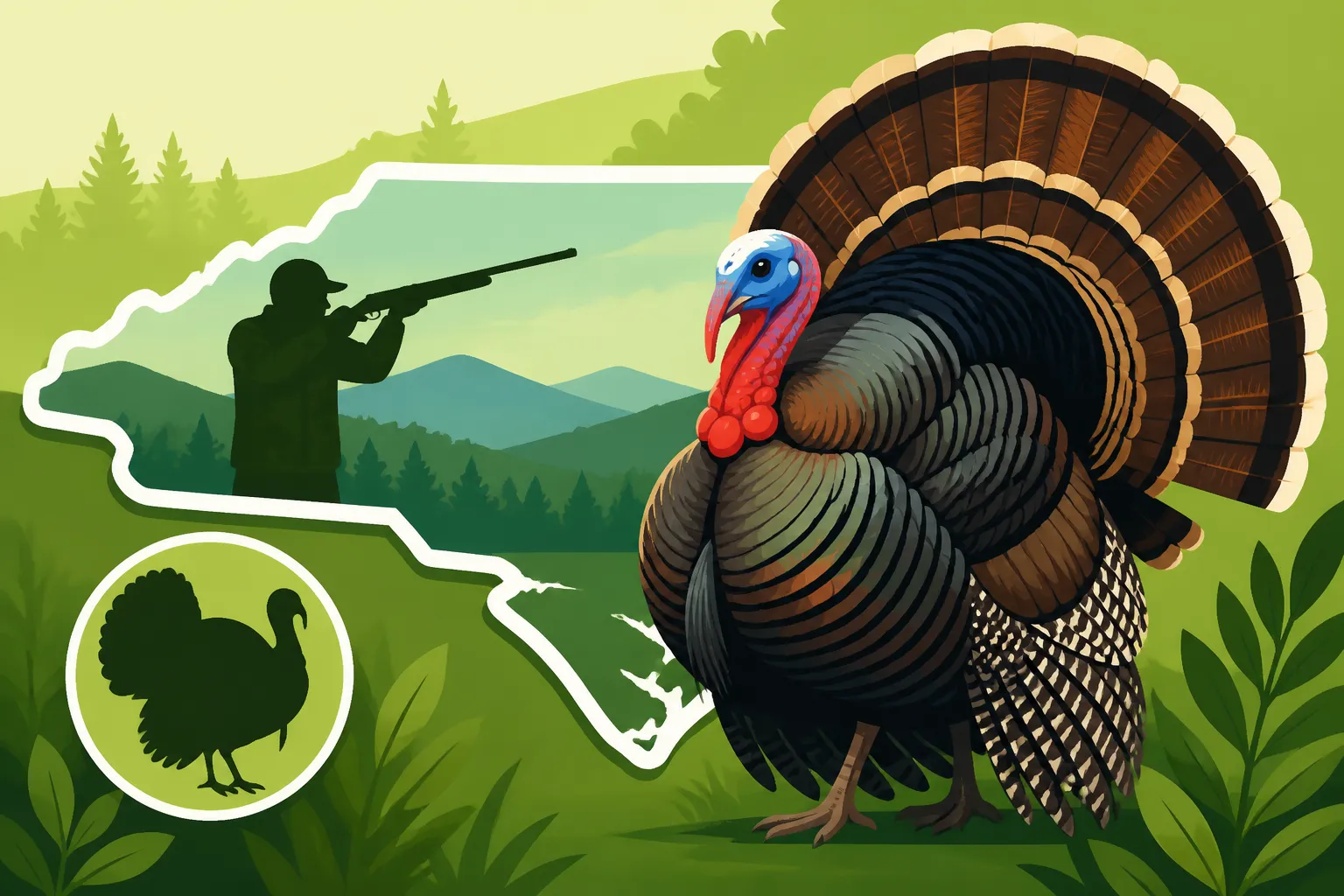
Nothing quite matches the adrenaline rush of hearing a booming gobble echo through an early morning fog in the North Carolina hardwoods. However, navigating the state’s specific game laws, youth quotas, and harvest limits can quickly get confusing for both novice hunters and seasoned veterans. This comprehensive guide breaks down the North Carolina spring turkey bag limit regulations, daily harvest rules, tagging duties, and tactical advice so you can hunt confidently and lawfully.
Understanding the North Carolina Spring Turkey Harvest Limits
Stepping into the spring woods with a turkey tag in your pocket brings a unique blend of excitement and responsibility. North Carolina provides incredible opportunities for spring gobbler hunting across its diverse landscapes, from the flat coastal pocosins to the rolling red clay hills of the Piedmont and the steep hardwood ridges of the Blue Ridge Mountains. However, the state maintains strict harvest limits designed to protect the wild turkey population while distributing hunting opportunity fairly among all sportspeople. Before you head out to set up on a roosted bird, you must thoroughly understand how the seasonal quota operates, what qualifies as a legal bird, and how daily caps affect your hunting strategy.
The Two-Bird Season Bag Limit Breakdown
In North Carolina, the total spring turkey bag limit is capped at two birds per hunter per season. This overall limit applies across all land types combined, meaning any gobbler harvested on private land, leased acreage, or public game lands counts toward your same two-bird master quota. There are no separate tags or extra allowances provided for hunting different regions or public properties. Once you notch your second tag, your spring turkey hunting in the state is officially finished for the year, regardless of how many open weeks remain on the calendar.
Your seasonal big game privilege authorization comes equipped with these tag allocations, and keeping precise track of them is a legal requirement. Whether you use paper harvest report cards or digital electronic tagging options, those two tags represent your entire seasonal allowance. It is helpful to remember that these tags are strictly non-transferable. You cannot fill a tag for a hunting partner, child, or family member, nor can anyone else notch a tag for a bird that you harvested with your own firearm or archery equipment.
Knowing your limits before the season begins helps you make smarter decisions in the field. When you have a bird down early in the season, the pressure changes on your second tag. Many experienced hunters choose to be far more selective with their remaining tag, holding out for a mature gobbler with a long beard and sharp spurs rather than filling their season quota immediately on a young bird. Staying informed on all North Carolina Spring Turkey Season Rules ensures you remain compliant from opening morning through the final afternoon of the split.
Daily Restrictions and the One-Bird Limit Rule
While the season limit is set at two birds, North Carolina law enforces a rigid North Carolina Turkey Daily Bag Limit of one bird per hunter per calendar day. This rule means that even if you are having the hunt of a lifetime and a flock of tom turkeys comes striding into your decoy spread, you may legally shoot only one. Taking a second turkey on the same calendar day—even if it is hours later during an afternoon hunt on a completely different property—is a direct violation of state wildlife regulations.
This daily cap serves a critical biological and ethical purpose. It prevents over-harvest on localized roosts and forces hunters to slow down, encouraging sustainable pressure across public and private tracts alike. Imagine a scenario where two gobblers march side-by-side into your setup, double-gobbling at every soft cluck you make. It can be incredibly tempting to try for a double if both birds line up cleanly, but under North Carolina law, you must pick the single best bird, make a clean shot, and immediately begin your harvest reporting process.
If you are hunting with a partner, the one-bird daily rule applies individually to each properly licensed hunter. Two hunters sitting in the same ground blind can each take a bird on the same day, provided each person shoots their own turkey and attaches their own legal tag. However, if you drop a bird early in the morning, your gun or bow must remain cased or unloaded for the remainder of that day regarding turkey hunting. You cannot continue calling for yourself, though you are welcome to sit beside a hunting buddy and call birds in for them, provided you do not carry a weapon intended for taking game.
Male vs Bearded Turkey Definitions
North Carolina regulations explicitly state that only male turkeys or turkeys possessing a visible beard may be harvested during the spring season. The presence of a beard—a tuft of modified, hair-like feathers protruding from the center of the breast—is the primary visual identifier required to make a bird legal to harvest. In the vast majority of cases, this rule translates directly to adult gobblers (toms) and juvenile males (jakes).
While male turkeys almost universally display beards, it is biologically possible for a small percentage of hen turkeys to grow beards as well due to elevated hormone levels. Under North Carolina game code, a bearded hen is technically legal to harvest because the law specifies “bearded turkeys.” However, state wildlife biologists and veteran conservationists strongly encourage hunters to pass on bearded hens during the spring season. Spring is the primary nesting and brood-rearing period, and taking a hen—bearded or not—directly removes her potential offspring from the local turkey population, impacting future bird numbers in your local coverts.
Identifying your target clearly before pulling the trigger is paramount. Do not rely solely on seeing a beard through thick brush or low-light conditions. Look for a combination of male characteristics: a bright red, white, and blue head, full strutting behavior, dark iridescent body plumage, and a thick beard standing out against the breast feathers. Taking those extra few seconds to verify that you are aiming at a mature male turkey ensures you are making a clean, legal, and biologically sound harvest.
Youth Season Regulations and How They Count Toward Your Tag Limit
Mentoring young hunters during the spring wild turkey season is one of the most rewarding traditions in North Carolina’s outdoor heritage. To encourage youth participation and teach ethical hunting practices without competition from the broader hunting public, the state designates a dedicated early hunting window specifically for junior sportspeople. However, the state has specific restrictions governing how many birds a youth can take during this special window and how those birds fit into the overall annual bag limit.
| Regulation Element | Youth Turkey Hunting Window | General Statewide Spring Season |
|---|---|---|
| Season Timing | Held prior to general opener | Runs through mid-spring weeks |
| Age Requirement | Under 16 years of age | All licensed hunters |
| Maximum Harvest Limit | 1 bearded turkey total | Up to 2 bearded turkeys total |
| Adult Escort Requirement | Mandatory licensed adult escort | Optional / Independent |
| Tag Allocation Source | Counts toward 2-bird annual limit | Counts toward 2-bird annual limit |
The Youth Turkey Weekend Rules and Structure
The youth spring turkey season is designed to give young hunters an uncrowded, low-pressure introduction to turkey hunting. Held in the week leading up to the general North Carolina Statewide Turkey Opener, this special period allows youth under the age of 16 to get out into the field before birds have been bumped, spooked, or call-shy from heavy public land pressure.
To participate, youth hunters must be accompanied by an adult who is at least 21 years of age. The accompanying adult must maintain direct control and visual contact at all times. On public game lands, this early access period offers young hunters a fantastic advantage, as gobblers are often still actively working their winter strutting grounds and responding aggressively to basic calling setups.
When planning a youth hunt, digital mapping apps make a massive difference in identifying accessible terrain. Many mentors utilize mapping tools like GoHunt to evaluate public game land boundaries, locate accessible parking areas, and scout gentle walking routes suited for younger hunters. Identifying roosting habitat along hardwood bottoms or field edges using GoHunt aerial imagery helps ensure the youth’s morning setup is comfortable, well-positioned, and close to active birds.
The One-Bird Youth Season Limit Cap
A critical nuance that often catches mentors off guard is the specific restriction placed on the number of turkeys a youth hunter can harvest during the early youth window. Under state regulations, a youth hunter may take only one single bird during the designated youth hunting week.
Understanding Why Only One of Two Birds Can Come From Youth Season helps clarify the state’s management strategy. By capping the youth window harvest at one bird, wildlife managers prevent disproportionate pressure on gobbler populations before the general public season even begins. The youth’s second seasonal tag remains valid, but it can only be filled once the general statewide season officially opens for all hunters.
If a youth hunter is fortunate enough to harvest a bird on the very first morning of the youth week, their hunting for that specific week is finished. They cannot harvest a second turkey during the remainder of the youth framework. However, they can continue to join adult mentors during the general season to pursue their second gobbler, applying the skills they learned during their initial outing.
Mentorship, Tagging, and Adult Chaperone Responsibilities
The role of the adult mentor during the youth season is strictly focused on safety, education, and guidance. The accompanying adult is not permitted to carry a firearm or bow while guiding a youth during the youth-only window. The adult’s job is to call, scout, assist with decoy setups, and help the youth make a safe, ethical shot decision.
When a youth hunter successfully harvests a gobbler, the tagging obligation rests squarely on the youth’s big game authorization or youth license card. Mentors must ensure that the harvest is properly tagged and recorded before the bird is moved from the spot of the kill.
Step-by-Step Youth Harvest Checklist:
- Verify the bird is fully expired and safe to approach.
- Confirm legal status (male or bearded turkey).
- Validate the youth hunter’s harvest card or digital app profile.
- Fill out tag information or complete initial digital tag notch before moving the bird.
- Record confirmation number following mandatory harvest reporting within 24 hours.
Mentors should walk young hunters through each step of this process, turning the tagging and reporting requirement into a valuable lesson in hunter responsibility and conservation ethics.
Mandatory Tagging, E-Checking, and Harvest Reporting Protocols
Filling a spring turkey tag in North Carolina is an incredible achievement, but your legal obligations do not end when the bird is in your hands. North Carolina enforces strict tagging and harvest reporting protocols that supply state wildlife biologists with critical population data. Failing to tag or report your bird correctly can lead to substantial fines and loss of hunting privileges.
Tagging Your Gobbler in the Field Immediately
The moment you retrieve your harvested turkey, state law requires you to attach a valid harvest tag or log the kill digitally before the carcass is moved from the site of the harvest. If you are using physical paper tags provided with your big game license, you must punch out or cut the designated date and harvest notch on the paper card immediately.
If you choose to use the digital harvest reporting features available through the state’s official mobile application, you must initiate the check-in process on your device prior to moving the turkey. The key legal threshold is physical movement: once you lift the bird to carry it back to your truck, camp, or ATV, it must already be legally tagged or recorded.
Keeping a fine-point permanent marker, zip ties, and a small plastic bag in your turkey vest ensures that physical tags remain readable and attached during a long hike out of the woods. If you are hunting dense, wet cover like coastal pocosin swamps, protecting your paper harvest card from moisture damage is essential for maintaining a legal paper trail.
Digital Reporting via the Wildlife App or Phone System
After the initial field tagging, hunters must complete the formal harvest reporting process within 24 hours of the harvest, and prior to any field dressing or butchering beyond basic gutting. North Carolina provides multiple convenient ways to report your bird:
- Official Mobile App: Complete reporting directly on your smartphone, even in areas with limited cell reception (data syncs once service restores).
- Online Web Portal: Access your hunter profile from a computer or tablet to submit harvest details.
- Toll-Free Telephone System: Call the automated reporting hotline to log harvest details using touch-tone prompts.
When reporting, you will be asked to provide key information including the county of harvest, land type (public vs. private), weapon used, and whether the turkey was an adult tom or a jake. Once submitted, the system generates a unique authorization number.
You must write this authorization number down on your physical harvest card or save it within your app profile. This authorization code serves as your legal proof that the harvest was officially registered with state authorities. Reviewing the complete North Carolina Turkey Checking Requirements before your hunt helps prevent costly oversight when you are tired after a hard pack-out.
Possession, Transportation, and Tag Transfer Restrictions
When transporting a harvested turkey from the field to your home, processor, or taxidermist, specific evidence of sex and identity must remain attached. The head and beard of the turkey must remain naturally attached to the carcass during transport until the bird reaches its final destination or processing facility.
This rule allows game wardens and wildlife enforcement officers to easily verify that the harvested bird matches the legal definition of a male or bearded turkey. If you plan to field dress your bird in camp, you may remove the internal organs, but you must leave the skin, feathers, head, and beard fully intact on the main carcass.
Additionally, turkey tags are strictly non-transferable. You cannot tag a bird shot by someone else, nor can you let another hunter use your remaining tag to harvest a turkey. If you have already filled your seasonal two-bird limit, your turkey hunting for the season is complete, and carrying a hunting firearm in turkey cover while attempting to take birds for others is illegal.
Tactical Spring Turkey Hunting Within Legal Frameworks
Understanding bag limits and harvest regulations provides the legal boundaries for your hunt, but filling those tags requires sound woodsmanship, patience, and tactical adaptability. Pressured birds, changing weather patterns, and shifting habitat conditions present ongoing challenges throughout the spring season.
Managing Pressured Gobblers on Public Game Lands
North Carolina’s public game lands offer millions of acres of prime turkey habitat, but they also attract significant hunting pressure, particularly during the first two weeks of the general season. When hunting heavily pressured ground, gobblers quickly become call-shy and wary of high-visibility setups.
To find success where others struggle, you need to alter your approach:
- Avoid Over-Calling: Soft clucks, purrs, and subtle leaf-scratching often work far better on educated public land birds than aggressive cutts and yelps.
- Escape the Crowds: Walk past easily accessible field edges and scout deep into hard-to-reach terrain features like oxbow creek bottoms or steep mountain benches.
- Use Advanced Mapping Tools: Platforms such as GoHunt allow you to analyze terrain elevation layers, forest cover types, and road closures, helping you locate isolated pockets of public ground that receive minimal foot traffic.
- Adapt Your Mobility: Be prepared to employ Run-and-Gun Turkey Tactics on Public Land when birds refuse to move toward static field setups.
Roosting and Setup Strategies to Maximize Tagged Birds
Locating where gobblers roost the evening before a hunt gives you a massive tactical advantage for the morning fly-down. Eastern wild turkeys prefer roosting in tall trees overlooking open understory, river corridors, or steep slopes that allow for an easy launch at daybreak.
Slipped into position roughly 100 to 150 yards from a roosted bird before first light requires stealth and accurate spatial awareness. Using owls or crow calls during dusk hours can trigger shock gobbles that reveal exact roost trees without alarming the birds. Master the basics of Roost Hunting North Carolina Gobblers to position yourself along the bird’s natural line of drift when he hits the ground.
Once in position, practice soft Calling a North Carolina Gobbler Off the Roost. A few gentle tree yelps followed by a convincing fly-down slap on your hunting pants can convince a hesitant tom that a hen is waiting on the forest floor.
Decoy Spreads and Calling Adjustments After First Bird
Tagging your first gobbler of the season is a major milestone, but pursuing your second bird often requires a tactical shift. As the spring season progresses into late April and early May, foliage thickens, hens begin sitting on nests for longer stretches, and remaining gobblers become increasingly selective.
Early in the season, high-visibility setups featuring strutting jake decoys paired with receptive hen decoys work exceptionally well. However, late-season gobblers that have already survived encounters with hunters may shy away from aggressive decoy spreads.
Early-Season vs. Late-Season Tactical Adjustments:
Early Season:
- High-visibility field setups
- Strutting jake + feeder hen decoys
- Frequent yelping and aggressive cutting
- Focus on primary strutting zones
Late Season:
- Concealed woods setups in dense cover
- Single subtle hen decoy or NO decoys
- Soft purrs, clucks, and leaf scratching
- Focus on travel corridors near nesting cover
Refining your Decoy Placement for Pressured North Carolina Birds by switching to a single, relaxed feeding hen—or dropping decoys entirely—often prompts cautious late-season toms to step into range. Additionally, using GoHunt to identify dense nesting cover and green briar thickets near water sources helps you locate where late-season gobblers spend their midday hours.
Comparing North Carolina Turkey Bag Limits with Regional Neighbors
Evaluating how North Carolina’s spring turkey regulations stack up against neighboring Southeastern states provides valuable context for regional hunters. Game management agencies across the South continually adjust season lengths, tag allocations, and bag limits based on regional turkey brood survival rates and population trends.
North Carolina vs Southeast States Comparison Table
State wildlife agencies across the Southeast share similar management goals, but individual state bag limits reflect local turkey population densities, hunter numbers, and historical harvest data.
| State | Spring Season Bag Limit | Daily Limit | Youth Season Allowance | Mandatory Electronic Check Required? |
|---|---|---|---|---|
| North Carolina | 2 Bearded Turkeys | 1 per day | 1 bird max during youth week | Yes (App, Web, or Phone) |
| Virginia | 3 Bearded Turkeys | 1 per day | Counts toward total season limit | Yes |
| South Carolina | 3 Male Turkeys (Game Zone variations) | 1 per day (first 10 days) | 1 bird max during youth weekend | Yes |
| Tennessee | 2 Male Turkeys | 1 per day | Counts toward total season limit | Yes |
| Georgia | 2 Gobblers total (Public land caps apply) | 1 per day | Counts toward total season limit | Yes |
As shown in the table above, North Carolina’s two-bird seasonal limit aligns closely with modern conservation standards across the region. While states like Virginia and South Carolina historically allowed higher seasonal totals, many agencies have adjusted bag limits downward in recent years to support long-term population stability.
How Tag Allocation Impacts Management and Harvest Data
The structure of spring tag allocations directly influences wildlife agency data collection and habitat conservation funding. When hunters record accurate harvest information through state e-check systems, biologists gain crucial insights into annual hatch success, gobbler age ratios, and regional population health.
For multi-state hunters planning spring road trips across the Southeast, staying updated on state-by-state rule changes is essential. Utilizing platforms like GoHunt simplifies out-of-state planning by providing updated summaries of season structures, public land access rules, and license requirements across different state jurisdictions.
By respecting seasonal limits, fulfilling mandatory tagging duties, and practicing ethical woodsmanship, North Carolina hunters play a vital, direct role in preserving Eastern wild turkey populations for generations to come.
Disclaimer
This article is for general informational purposes only and does not constitute professional advice. Laws, prices and regulations vary by location and change over time. Consult a qualified professional for guidance on your specific situation.