Hunting Standing Cover Left After Harvest
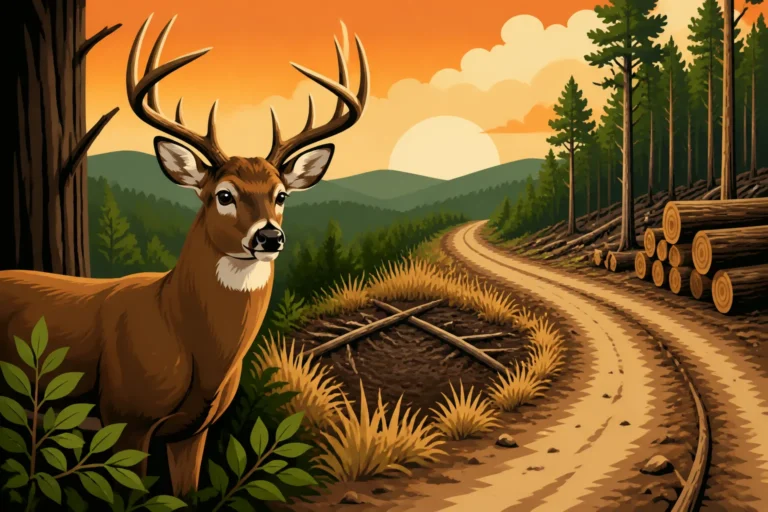
It's late season in North Carolina, and if you're like many hunters, you might be staring out at fields that look, well, empty. The corn is down, the soybeans are combined, and what's left often seems like a barren wasteland. But here's the thing: those seemingly "empty" fields, especially those with standing cover left after harvest, are often hidden sanctuaries for whitetails seeking refuge from pressure and a reliable bite to eat. This guide will walk you through how to pinpoint these overlooked havens and develop strategies to successfully hunt them, turning those "nothing" spots into hot zones.
Why Standing Cover is a Deer Magnet After Harvest
When the combines roll through, the landscape changes dramatically. What was once dense, concealing cover can become wide open, leaving deer exposed. This is precisely why any remaining standing cover, no matter how small, becomes incredibly valuable to whitetails. They're looking for security, thermal protection from the elements, and often, residual food sources that were missed or are now more accessible.
Uncut Fields and Crop Residue
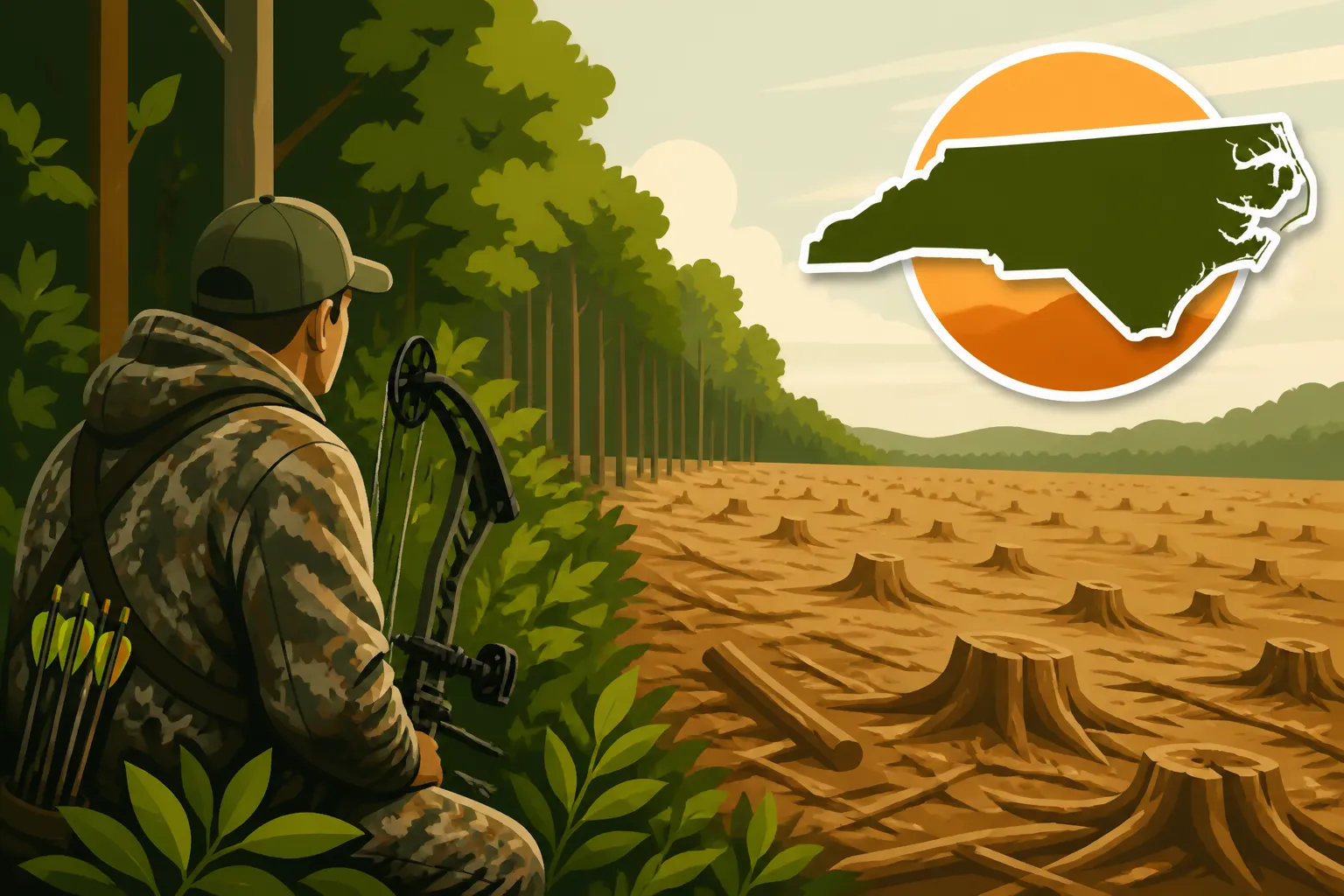
Sometimes, for various reasons, a farmer might leave a section of a field unharvested. Maybe it's a low-lying area, a section with poor yield, or a strategic buffer. These untouched pockets of corn, soybeans, or even small grains become immediate magnets. Deer will stage in these areas before moving into open fields to feed at night, and they'll bed deeply within them during the day. Think of it as a vertical thicket offering maximum concealment. Even after harvest, the leftover stubble and shattered grain provide excellent cover. A deer can lie down in a cut cornfield, and that two-foot-high stubble, combined with the scattered leaves and stalks, can obscure them remarkably well, especially if they bed downwind. They're not completely hidden, but it breaks up their outline and makes them feel secure. This residual cover also offers a surprising amount of forage, as deer will browse on leftover kernels, beans, or even the stalks themselves.
Natural Thickets and Edges Adjacent to Fields
Beyond the crops themselves, deer often gravitate towards the natural thickets, fencerows, and overgrown edges that border agricultural fields. These areas might consist of briar patches, honeysuckle, saplings, or dense pines. After a harvest, these thick natural covers become even more critical because the surrounding openness makes them stand out as prime security spots. Deer will use these natural covers as staging areas, bedding grounds, and travel corridors between different food sources or more extensive wooded areas. A narrow band of woods, often dismissed as too small to hold deer, can become a highway when it offers the only reliable cover between a bedding area and a preferred food source. It's about relative security in a suddenly exposed world.
Thermal and Security Advantages
One of the biggest benefits of standing cover, especially in the late season, is its ability to offer thermal protection. A dense stand of unharvested corn, for instance, can act like a wall, blocking biting winds and trapping what little warmth the sun provides. For a deer trying to conserve energy in cold weather, this is invaluable. Snow and ice might accumulate less within such cover, offering a more comfortable bedding site. From a security standpoint, the visual obstruction is paramount. Deer feel safe when they can't be easily seen, and when they can detect threats by scent, sound, and a limited visual window. Standing cover provides just that: enough visibility for them to see an approaching hunter, but enough density to hide them effectively until the last moment, giving them an escape route. This sense of security is what draws them in, making these areas ideal for hunting.
Scouting Strategies for Post-Harvest Cover
You can’t just walk into a recently harvested field and expect to find deer, or even know where to set up. Effective scouting is absolutely crucial here, and it requires a different mindset than hunting big timber. You're looking for subtle signs in what might initially appear to be a chaotic landscape.
Reading the Edges and Entry Points
Deer are creatures of habit, and even in changing environments, they'll stick to established patterns if they feel safe. Start by meticulously walking the perimeter of any standing cover or harvested field. Look for distinct entry and exit points. These are often funnel points where deer prefer to cross, perhaps a low spot in a fence line, a narrow gap in a briar thicket, or a well-worn path through tall weeds. You're looking for fresh tracks, droppings, and rubbed saplings or small trees, especially on the edges. The edges themselves are transition zones where deer feel comfortable enough to emerge from thick cover but still close enough to bolt back in if threatened.
Pay close attention to where these trails lead. Do they head into a dense woodlot? Towards a creek bottom? Or do they disappear into the seemingly uniform expanse of crop stubble? Sometimes, a faint trail might lead right into a small island of cover within the field itself. These areas become prime ambush points. Using tools like the onX Layers for North Carolina Land Status can really help you visualize these transitions from above, identifying subtle topographical changes or isolated pockets of cover you might miss from the ground. Many hunters find platforms like GoHunt invaluable for this type of detailed aerial scouting, allowing them to mark potential entry points and bedding areas before even stepping foot on the property.
Locating Hidden Food Sources
While the main crop might be gone, there's often residual food that deer are keenly aware of. In a cut cornfield, thousands of kernels are inevitably left on the ground. For soybeans, spilled beans can be a goldmine. Even in winter wheat or rye fields, deer will graze on the tender sprouts that emerge. You need to look for areas where these residual foods are concentrated.
Sometimes, a patch of missed turnips or an unharvested section of brassicas within a larger field can be a late-season hot spot. Deer will work these areas intensely, especially during periods of cold weather when other natural food sources like acorns might be depleted or buried under snow. You might need to get on your hands and knees to truly assess the amount of leftover food. Look for pawed-up areas in corn stubble or signs of browsing on remaining plants. Don't forget about nearby natural food sources either. While you're primarily focused on the fields, deer will still hit Late-Season Food Sources for North Carolina Whitetails in adjacent timber, like lingering acorns or green browse, so factor those into their travel patterns.
Using Technology for Smart Scouting
In today's hunting world, technology is your best friend for uncovering these post-harvest secrets. Satellite imagery on apps like GoHunt is invaluable. Zoom in and look for color variations in harvested fields. A slightly darker patch might indicate unharvested crops, taller weeds, or a wet spot with different vegetation. Contour lines can reveal subtle elevation changes that offer deer better drainage for bedding or a slight rise that allows them to scan their surroundings.
Another great trick is to use trail cameras. Place them on prominent trails leading into and out of standing cover, especially on field edges. Don't just stick them on obvious trails; try to anticipate where deer might feel safest entering or exiting. Consider placing a camera facing into a field if you suspect deer are browsing on residual crops. The data you collect – time of day, direction of travel, and even specific deer – will be critical for fine-tuning your hunting strategy. This digital scouting can save you countless hours of tromping through fields and potentially spooking deer. It’s like having a team of silent, tireless scouts working for you 24/7.
Effective Hunting Tactics for These Areas
Once you've done your scouting homework and identified those prime post-harvest spots, it's time to put a plan into action. Hunting these areas requires a blend of patience, stealth, and adapting your traditional hunting methods to the unique environment of agricultural fields.
Stand Placement for Field Edges and Interior Pockets
The golden rule for stand placement around standing cover is to have an entry and exit strategy that doesn't spook deer. For field edges, you're often looking to intercept deer moving from dense cover to feed, or vice-versa. Think about a stand positioned on the downwind side of a well-used trail that skirts a field's edge, allowing you to catch deer as they transition. Consider Setting Up on a Piedmont Field Edge where a fencerow meets a woodlot. This forms a natural funnel that deer will almost certainly use.
Don't be afraid to hunt inside the standing cover if the situation allows. If you find a dense pocket of unharvested corn, for example, and there's a distinct trail leading into a small interior opening or a known bedding area, a carefully placed ground blind can be incredibly effective. A pop-up blind brushed in with surrounding vegetation can allow you to get extremely close to deer that feel secure within the cover. Just remember to get your blind set up well in advance, giving deer time to get accustomed to its presence.
Still-Hunting Through Standing Stems
Still-hunting is often overlooked in open country, but it can be incredibly effective in standing cover, especially in cut corn or soybean stubble. The key is to move exceptionally slowly, pausing every few steps to scan, listen, and glass. The stubble provides sound-dampening qualities and visual breaks, allowing you to slip through without being immediately detected. Take advantage of any wind to carry your scent away and move into the wind.
Think of it like Still-Hunting Nantahala Forest Ridges, but instead of trees, you're navigating stalks. Focus on moving towards areas where you've found fresh sign or where you suspect deer are bedding. Pay extreme attention to your foot placement to minimize noise. If you jump a deer, odds are it won't run far within the standing cover; it will often simply circle or lay back down a short distance away, allowing for a second chance if you're patient and vigilant. This method requires a lot of stealth and keen observation.
The Role of Wind and Thermals
Understanding wind and thermals is paramount when hunting standing cover, just as it is in any hunting scenario, but with unique considerations. Wind dictates your approach. Always hunt with the wind in your favor, carrying your scent away from where you expect deer to be. In open fields or areas with low, sparse cover, the wind can swirl more unpredictably, so paying close attention to a wind checker is vital.
Thermals play a significant role at dawn and dusk, especially where fields meet timber or changes in elevation. As the sun rises, thermals lift, carrying scent upwards. In the evening, as the air cools, thermals drop, carrying scent downwards. If you're hunting an elevated position near a field edge, understand how these shifting thermals will affect your scent cone. A morning hunt on a field edge, for example, might require you to be positioned above where deer are expected to move, allowing your scent to rise over them. Conversely, an evening hunt might call for a lower position as thermals drop. Understanding these principles, like those discussed in Wind and Thermals on a Blue Ridge Slope, even in a different terrain context, is critical for successful hunting in these exposed environments.
Gear and Considerations for Hunting Tight Cover
Hunting standing cover, whether it's unharvested crops or just thick stubble, presents its own set of challenges and demands specific gear considerations. From your weapon choice to how you retrieve your game, thinking ahead will make your hunt more successful and enjoyable.
Firearm and Ammunition Choices
In these types of environments, shots are often relatively close and can be quick. If you're still-hunting through standing corn, for example, your visibility might be limited to 20-30 yards. For this reason, a fast-handling firearm is often preferred. A shotgun with slugs, a lever-action rifle, or a crossbow can be excellent choices. Many hunters in North Carolina opt for a .30-30 or a .45-70 in such situations, offering ample stopping power at close range. If you're sitting on a field edge, your shots might be longer, so a flat-shooting rifle like a .270 or .308 with appropriate optics is a good choice.
Ammunition choice is also critical. You want a bullet that expands reliably on deer at close to moderate ranges without over-penetrating too much. Consider choosing a slightly heavier bullet weight in your caliber for better brush penetration, though remember, no bullet is truly "brush-busting." For bowhunters, fixed-blade broadheads might offer a slight edge in tough-to-track situations, though modern mechanical broadheads are incredibly reliable. Regardless of your choice, ensure you've practiced shooting from various positions, including off-hand, to simulate the quick, unexpected shots you might encounter.
Stealth and Scent Control
Stealth is absolutely non-negotiable when hunting standing cover. The open nature of harvested fields means that any movement, sound, or scent will carry further and be more easily detected by wary deer. Invest in quiet clothing – wool or fleece are excellent choices – and layer up so you can remove layers as you warm up to prevent sweating. Scent control becomes even more important. Deer will often try to circle downwind to get a whiff of danger, so eliminating your scent as much as possible is crucial. This means showering with scent-free soap, using scent-eliminating sprays, and storing your hunting clothes in airtight containers.
Even if you're Using a Ground Blind on North Carolina Public Land, scent control is still vital. The goal is to be as undetectable as possible. Pay attention to your entry and exit routes to avoid leaving a scent trail where deer are likely to be. If you're walking through wet stubble, your boot prints will leave a strong scent, so try to approach from a direction that keeps your trail out of the primary deer movement zones. This might involve walking along a ditch or a creek bank to your setup.
Egress and Game Recovery
Once you've made a successful shot, the challenge often shifts to game recovery. Deer shot in standing cover or on its edge might run back into the thickest part of it, making tracking difficult. This is where having a clear plan for Tracking a Deer Through North Carolina Leaf Litter – or in this case, stubble – becomes essential. Mark the exact spot of the shot and the deer's last known direction of travel. Give the deer adequate time, especially if it was a marginal hit.
When you begin tracking, move slowly and systematically, looking for any sign of blood, disturbed vegetation, or broken stalks. Having a good headlamp is critical, particularly if you're tracking as dusk approaches. For really tough tracks, a blood trailing light can often highlight blood not visible to the naked eye. Consider having a buddy on standby to help. Dragging a deer out of a dense, mucky, or uneven field can be exhausting, so a deer cart or sled can be a lifesaver, especially if you're hunting alone. Always be mindful of property lines and landowner permissions if the deer runs onto adjacent land.
Disclaimer
Please note that hunting regulations, seasons, and licensing requirements can change. Always consult the official North Carolina Wildlife Resources Commission (NCWRC) regulations for the most current and accurate information before planning your hunt. This guide is for informational purposes only and does not replace official state regulations.