Reading a Sound-Side Marsh for a Morning Flight
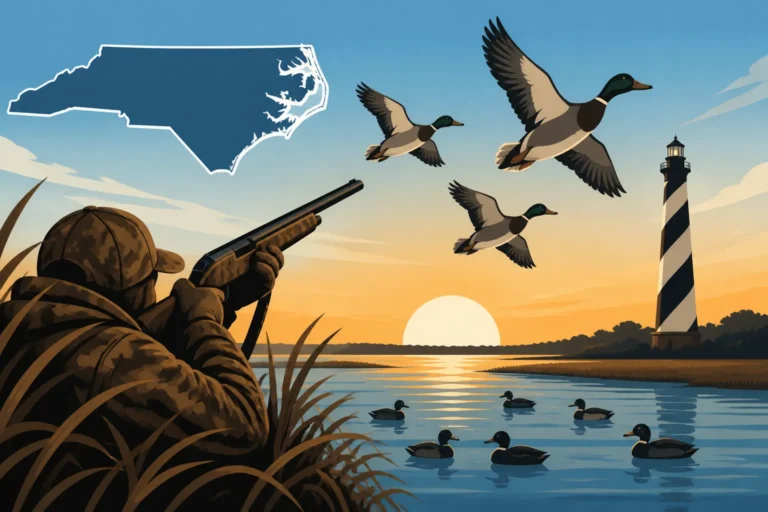
There’s nothing quite as frustrating as waking up before dawn, hauling your gear through a dark, mucky sound-side marsh, setting your decoys, and then watching wave after wave of ducks fly past your spread to land a hundred yards away. You wonder what secret signal they’re reading that you’re missing. This guide is all about helping you decode those subtle environmental cues and bird behaviors so you can anticipate a successful morning flight in North Carolina’s unique coastal waterfowl habitats.
Understanding the Dynamics of Sound-Side Marshes
Hunting North Carolina’s sound-side marshes is a completely different beast compared to hunting flooded timber or even agricultural fields. The dynamic environment, constantly shifting with tides, wind, and the availability of food, demands a keen understanding from the waterfowl hunter. You can’t just set up in the same spot every time and expect consistent success; the marsh rarely cooperates with a set routine.
Tides, Wind, and Water Level Influence
The rhythmic push and pull of the tides are arguably the most critical factor influencing waterfowl movement in sound-side marshes. High tide might flood new feeding grounds, pushing birds deeper into the spartina grass to dabble for submerged vegetation or small invertebrates. Conversely, a low tide can expose mud flats, concentrating birds in deeper channels or creating new opportunities for them to feed on exposed aquatic plants. You need to pay attention to not just if the tide is high or low, but when it’s shifting. Ducks and geese often move with the changing water, following the edges of the flooding or receding water as new food becomes accessible or inaccessible.
Wind is another powerful, often underestimated, force. Waterfowl prefer to take off and land into the wind, much like an airplane. A strong north wind might push birds down a specific channel or into sheltered pockets of the marsh, while a gentle southerly breeze could mean they’re more dispersed. Knowing the wind direction helps you strategically place your blind for concealment and your decoy spread to give incoming birds the most natural landing strip. A strong chop on the water from a brisk wind can also make your decoys look more lifelike, adding crucial motion without the need for additional mechanical devices. When you're considering your setup for a morning hunt, always check the predicted wind direction and how it might interact with the prevailing tides. This is key to successfully Hunting the Outer Banks Marsh.
Primary Food Sources for Waterfowl
Ducks and geese aren’t just flying around for fun; they’re primarily driven by the search for food and safe resting areas. In North Carolina’s sound-side marshes, these food sources are diverse and often specific to certain waterfowl species. Dabbling ducks like mallards, pintails, and widgeon will be looking for submerged aquatic vegetation (SAV), seeds, and invertebrates in shallow waters. Think about sago pondweed, wild celery, and various grasses that thrive in brackish water. Divers, on the other hand, such as bluebills, redheads, and canvasbacks, will be seeking out deeper waters where they can dive for mollusks, crustaceans, and the roots of certain plants.
Understanding what’s growing or living in a particular section of marsh can give you a huge advantage. Are there beds of eelgrass? Are the mudflats riddled with small snails or clams? Ducks will gravitate to areas where these specific food items are abundant. This often means doing a bit of scouting, even walking through potential areas at low tide, to see what’s available. A lack of preferred food sources, especially in high-pressure areas, will push birds to find new, quieter feeding grounds, no matter how remote. For detailed insights into species behavior, remember that North Carolina Duck Migration Timing can significantly affect what food sources are most appealing at different times of the season.
The Role of Cover and Roosting Areas
Beyond food and water, waterfowl need cover. This isn't just for concealment from predators, but also for protection from harsh weather and for undisturbed loafing and roosting. Tall marsh grasses, dense stands of reeds, or even small islands within the sound can serve as crucial cover. Birds will often roost in these protected areas overnight, only moving out to feed once legal shooting light arrives. Identifying these primary roosting areas is critical, as it allows you to anticipate their flight path to feeding grounds.
However, you generally don't want to set up in a roosting area, as this will only spook birds for future hunts. Instead, look for flight corridors or feeding flats that birds will visit after leaving their roost. These might be sheltered coves, areas with dense aquatic vegetation, or even open water adjacent to thick cover where divers feel safe. Understanding how ducks utilize different parts of the marsh for cover versus feeding is fundamental to developing a successful strategy. It's a delicate balance of being close enough to intercept them, but not so close that you disturb their patterns or push them out of the area entirely.
Key Elements to Scout Before Your Hunt
Successful waterfowl hunting in a sound-side marsh isn't just about showing up on opening morning. It’s an ongoing process of observation, research, and adaptation. Pre-hunt scouting is arguably the most critical phase, allowing you to develop a strategic plan rather than just hoping for the best.
Identifying Flyways and Entry/Exit Points
Just like deer have their trails, waterfowl have their flyways—established routes they use to travel between roosting areas, feeding grounds, and loafing spots. In a marsh, these might be dictated by prevailing winds, the layout of islands and channels, or even obstacles like treelines or power lines further inland. Before you ever step foot in the marsh, you can often identify potential flyways by observing bird activity from a distance. Spend an evening watching where ducks pitch down into the marsh at sunset, or where they lift off at first light.
Entry and exit points are equally important. Birds will often use specific channels, breaks in the marsh grass, or open water leads to move in and out of an area. These are prime locations to set up, as you're intercepting birds already on the move. Look for areas where the marsh funnels down, creating natural pinch points, or where a deep channel meets a shallow feeding flat. Remember that these routes can shift due to hunting pressure, so what worked last season might not work this year. Tools like a good mapping app can be invaluable here. Using a platform like GoHunt to analyze satellite imagery can help you identify these topographical features, even highlighting potential hidden channels or breaks in vegetation that might not be obvious from the ground.
Deciphering Bird Sign and Activity
Ducks and geese leave plenty of clues about their presence, even when you don't see them. Look for fresh droppings along shorelines or on exposed mudflats. These indicate recent activity. Feather piles can point to a recent predator kill or a favorite preening spot. The most telling sign, however, is disturbed mud or vegetation from active feeding. Dabbling ducks will leave distinct “muck holes” or churned-up bottom, while divers might leave tell-tale tracks or impressions where they’ve been pulling up roots.
These signs are like breadcrumbs leading you to the current buffet. The fresher the sign, the more recent the activity, and therefore, the higher the probability that birds will return. Pay attention to the types of vegetation that are being eaten; this can help you confirm the species of duck that is frequenting the area. If you find plenty of fresh sign but no birds, it could mean you've identified a feeding area, but perhaps the birds are being pushed out by hunting pressure or have moved on due to tide shifts. Always note the tide level when you find fresh sign; this helps you predict when the birds will return.
Leveraging Technology for Pre-Hunt Intelligence
In today's hunting world, technology can be a game-changer, especially for scouting complex environments like sound-side marshes. Satellite imagery from apps like GoHunt is an absolute must-have. You can zoom in on aerial views to identify subtle changes in vegetation, hidden channels, and potential island blind locations. Look for darker areas indicating deeper water, or lighter patches that might be mudflats or submerged vegetation beds. Mapping tools also allow you to mark potential roosting areas, flight lines, and access points, making your physical scouting more efficient.
Beyond mapping, weather apps are crucial. They provide real-time and forecasted data on wind speed and direction, tide charts, and even moon phases, all of which influence bird behavior. Combine this with historical harvest data or local forums to get an idea of migration patterns and successful areas. While no app can replace boots-on-the-ground scouting, it can certainly guide your efforts, helping you narrow down vast stretches of marsh into manageable, high-potential areas. Before heading out, make sure you understand all the North Carolina Waterfowl Zones and Seasons relevant to your chosen area, as dates and regulations can vary.
In-Hunt Observations and Adjusting Your Setup
Even the most meticulously planned hunt needs flexibility. The marsh is a living, breathing environment, and birds don't always read the script. Being able to adapt on the fly, interpreting subtle cues during your hunt, can often turn a slow morning into a successful one.
Recognizing Bird Behavior During the Hunt
Once you're set up, your eyes and ears become your primary scouting tools. Watch how birds are reacting to your spread and the surrounding environment. Are they flaring consistently at a certain point? This could indicate a problem with your blind, a gap in your concealment, or even a decoy placed incorrectly. Are they committing hard, but landing just out of range? Perhaps your spread isn't positioned optimally for the wind or current. Pay attention to how distant birds are flying. Are they high and fast, indicating they're just passing through, or are they low and slow, looking for a place to put down?
Listen for subtle calls and wing beats. Sometimes, ducks will be chattering among themselves before you even see them, giving you a heads-up to their approach. If you see birds consistently working a certain area away from your spread, it might be time for a subtle repositioning, if possible, or at least a mental note for future hunts. Sometimes, just a slight adjustment of your decoys or moving a few yards along a marsh edge can make all the difference. For hunters targeting specific species, understanding how Hunting Currituck Sound Diving Ducks might differ in behavior from dabblers is vital for in-hunt adjustments.
Adapting Decoy Spreads to Conditions
Your decoy spread isn't a static arrangement; it should be a dynamic tool that you adjust based on the day's conditions and the birds' reactions. On a calm day, a tight, feeding spread might work well, mimicking contented birds. If the wind is howling and the water is choppy, a more spread-out pattern with lots of movement (perhaps from jerk cords or motion decoys) can be more effective, making your spread stand out and appear more active. The specific species you're targeting also plays a role. Are you targeting divers? A large raft of mixed species, including a high count of diver decoys, is often key. For dabblers, a more realistic, smaller spread near vegetation might be better.
The direction of your spread relative to the wind is crucial. Birds want to land into the wind, so your open "landing zone" should always be upwind of your blind. If the wind shifts, consider moving some decoys to re-orient your landing zone. Similarly, if birds are consistently circling a particular part of your spread before flaring, try adjusting that section. Sometimes, less is more; other times, a larger spread is needed to grab attention. There are many ways to configure Decoy Spreads for Currituck Sound Divers or other marsh birds, but the best approach is always flexible.
Blind Placement and Concealment Strategies
Concealment is non-negotiable in marsh hunting. Waterfowl have incredible eyesight, and if they spot anything out of place—even a glint of sunlight off your face—they'll flare. Your blind needs to blend seamlessly into the natural environment. In a sound-side marsh, this often means using natural vegetation like marsh grass, phragmites, or reeds to break up your outline. A well-brushed layout blind can be incredibly effective, allowing you to disappear into low-lying vegetation. For hunters utilizing ground blinds or even a simple camouflaged boat, ensure there's no dark hole for birds to see into and no unnatural shapes.
Blind placement also dictates your shooting lanes. You want to be able to swing on birds coming from various directions without exposing yourself. Consider the sun's position; try to keep it at your back or to your side, preventing it from silhouetting you or shining directly into your eyes. Furthermore, consider your entry and exit. Can you get into and out of your blind without disturbing the area or leaving a tell-tale path that spooks birds? Walking around too much or making too much noise can undo all your careful planning. Remember that even with the best blind, you'll still need appropriate gear like Waders for Sound-Side Marsh Hunting to comfortably access these areas and stay concealed.
Common Mistakes and How to Avoid Them
Even seasoned marsh hunters make mistakes. The key is to learn from them and refine your approach. Overcoming common pitfalls can significantly improve your success rates and overall enjoyment of the hunt.
Overlooking Subtle Environmental Cues
One of the biggest mistakes hunters make is failing to "read" the marsh. They might set up where they saw birds last week, or where a friend told them was a good spot, without considering the current conditions. Are the tides different today? Has the wind shifted significantly? Is there new food growth, or has an old food source been depleted? Overlooking these subtle, yet critical, environmental cues can lead to a frustratingly quiet hunt.
To avoid this, cultivate a habit of active observation. Before every hunt, check the detailed weather forecast, including tide charts and wind predictions. When you arrive, spend a few minutes just watching and listening before you even start setting up. Look for birds already flying, note their direction, and how they're interacting with the marsh. Are they feeding actively in a certain area? Are they avoiding a particular spot? This real-time intelligence is invaluable. Using a tool like GoHunt's detailed maps can even help you review satellite imagery the night before, allowing you to spot subtle changes in the marsh that might influence bird movement. The more you immerse yourself in understanding the ecosystem, the better equipped you'll be to make informed decisions.
Neglecting Safety and Regulations
Marsh hunting, particularly in sound-side environments, comes with its own set of safety challenges. Cold water, strong currents, and unpredictable weather can turn a pleasant morning into a dangerous situation quickly. Hypothermia is a real risk if you fall into the water, even on a seemingly mild day. Always wear a life vest, even if you're a strong swimmer, and inform someone of your hunting plan, including your location and expected return time. Be aware of changing weather conditions and don't hesitate to call it a day if the weather turns dangerous.
Beyond personal safety, strict adherence to hunting regulations is paramount. This includes knowing the specific North Carolina Coastal Duck Zone Rules for your area, daily bag limits, shooting hours, and requirements for migratory bird hunting, such as having your North Carolina HIP Certification for Bird Hunters and Federal Duck Stamp. Confusion over specific rules can lead to legal trouble and reflects poorly on the hunting community. Always double-check current regulations before you go afield, and carry your license and permits.
The Importance of Persistence and Patience
Waterfowl hunting, especially in challenging environments like sound-side marshes, can test your patience. There will be days when the birds simply aren't flying, or they're working a spot you can't access. It's easy to get discouraged and pack up early. However, persistence often pays off. Sometimes, the flight just takes longer to get going, or a subtle change in wind or weather later in the morning can trigger new movement.
Patience also applies to how you hunt. Don't rush your shots. Wait for birds to commit fully to your spread, with their landing gear down. A clean kill is always the goal, and a rushed shot often results in a missed bird or, worse, a wounded one. Learn to call effectively, but don't over-call; sometimes, soft clucks and quacks are more effective than aggressive hailing. Embrace the quiet moments, observe the marsh, and appreciate being out in nature. Even on slow days, there's always something new to learn if you're willing to pay attention.
Disclaimer
Please remember that hunting regulations and conditions can change rapidly. Always consult the latest North Carolina Wildlife Resources Commission (NCWRC) regulations before heading afield. Safety should always be your top priority.