Early Goose Season Tactics in North Carolina
Hunting North Carolina's early goose season can feel like a riddle sometimes. You scout, you plan, and you show up before dawn, only to have a flock of seemingly oblivious Canada geese suddenly become hyper-aware of your presence, flaring at the last second. This guide will dive deep into the specific tactics and preparations needed to consistently bag birds during North Carolina's unique early goose season, helping you unravel the mystery of these resident birds.
Understanding the Early Season Opportunity
North Carolina's early goose season is a fantastic, often overlooked chance to get into the field before the main waterfowl migration truly kicks off. It's a different game than the late season, focusing primarily on resident Canada geese that spend their entire lives in our state. These birds behave differently, offering both unique opportunities and specific challenges.
Why Early Season Geese Are Different
Unlike the weary, long-distance travelers that push through in colder months, early season geese in North Carolina are local birds. They've been living it up on our farm fields, golf courses, and quiet ponds all summer, largely unpressured by hunting. This means they're often less wary at first, but they also learn very quickly once the season starts. They're typically in family groups or smaller flocks, rather than the massive congregations you might see later. Their patterns are more localized, revolving around specific feeding grounds, loafing areas, and water bodies within a smaller geographic range. Understanding this resident behavior is key. If you're looking for specifics on where these birds live, our guide on the North Carolina Resident Canada Goose Population offers a great deep dive.
Key Dates and Zones
North Carolina's early goose season typically runs in early September, providing a fantastic preamble to the longer waterfowl seasons. This short, often hot, window is specifically designed to target those abundant resident Canada geese. The exact dates and regulations can vary slightly year to year, so always double-check the latest North Carolina Wildlife Resources Commission (NCWRC) migratory bird digest. Generally, this season precedes the major duck and goose seasons, so don't confuse the two. It's also important to note that these seasons are federally mandated, but the state sets the specific dates within those federal frameworks. Familiarizing yourself with the state's broader North Carolina Waterfowl Zones and Seasons will give you a good overview, but pay special attention to the early goose dates. You'll find that bag limits for this early season are often more generous than during the regular season, reflecting the management goal of reducing local populations. For the most precise calendar, check the North Carolina Goose Season Dates provided by the NCWRC.
Typical Early Season Habitat
Where do you find these early season birds? Think green, accessible, and often near human activity. They love agricultural fields—especially cut corn, recently mown hayfields, and even soybean fields. They'll also frequent large pastures, quiet coves on big lakes or reservoirs, and surprisingly, even suburban retention ponds or golf course water features if they can find unpressured feeding nearby. Unlike the deeper swamps or remote timber you might hunt for ducks, early season geese are often found in wide-open spaces, making concealment a crucial factor. Imagine a freshly cut silage field next to a large pond, or a sprawling pasture with a meandering creek. These are prime locations.
Scouting for Early Season Success
Success in early goose season hinges almost entirely on meticulous scouting. These birds are creatures of habit, but those habits can shift quickly under pressure. You can't just pick a spot and hope for the best; you need to know exactly where they want to be.
Field Reconnaissance and Feeding Patterns
This is where the rubber meets the road. Before you even think about setting up, you need to be out there, binoculars in hand, observing. Look for fields where geese are actively feeding, especially during the morning and late afternoon hours. Pay close attention to their entry and exit routes—the specific flight lines they use to come and go. Don't just look for geese; look for their droppings, trampled grass, and muddy footprints around water sources. These are all indicators of consistent use.
I like to call this finding "the X" – the exact spot in the field where they want to be. It can be a specific depression, a patch of different forage, or just a favored corner. Once you’ve located it, respect it. Don’t walk through it, or you’ll leave human scent that can spook these sharp-eyed birds. Tools like GoHunt can be incredibly helpful here. By looking at satellite imagery and property lines, you can scout potential feeding fields from afar and identify promising water sources without putting boots on the ground directly on a field you don't have permission for yet. Learning to interpret aerial maps, much like when Reading Aerial Photos for Piedmont Deer, is a transferrable skill that will pay dividends.
Roosting and Loafing Areas
Knowing where geese feed is essential, but understanding their entire daily cycle dramatically increases your chances. Where do they spend the night (roosting)? Often on large, open bodies of water where they feel safe from predators, like big lakes, wide rivers, or even large farm ponds. And where do they go during the middle of the day to rest, preen, and digest (loafing)? This could be another pond, a quiet corner of a field, or even a wide sandbar. Their flight paths between these roosting, feeding, and loafing areas are your highways to success. If you can intercept them between their roost and a preferred feeding field, you’re golden. Early morning flights from a roost to a field, or late afternoon flights from a loafing pond back to a field before returning to the roost, are prime opportunities.
Impact of Weather
Early September in North Carolina often brings heat and humidity, which plays a significant role in goose behavior. On hot days, geese might feed earlier in the morning and later in the evening, spending more time loafing near water during the intense midday sun. Overcast conditions or a light drizzle might encourage them to stay out in fields longer. Strong winds can influence their flight paths, making them more predictable as they fly into the wind when approaching a landing zone. Keep an eye on the forecast, much like you would if you were Hunting After a Cold Front, but adjust your understanding for warm-weather patterns. A sudden downpour might move birds to higher, drier ground or, conversely, bring them to puddle-filled depressions in fields.
Effective Hunting Strategies
Once you've done your homework and found the geese, it's time to put a plan into action. Early season resident geese require a slightly different approach than the migrators, mainly due to their heightened local awareness and tendency to be in smaller groups.
Decoy Spreads for Resident Birds
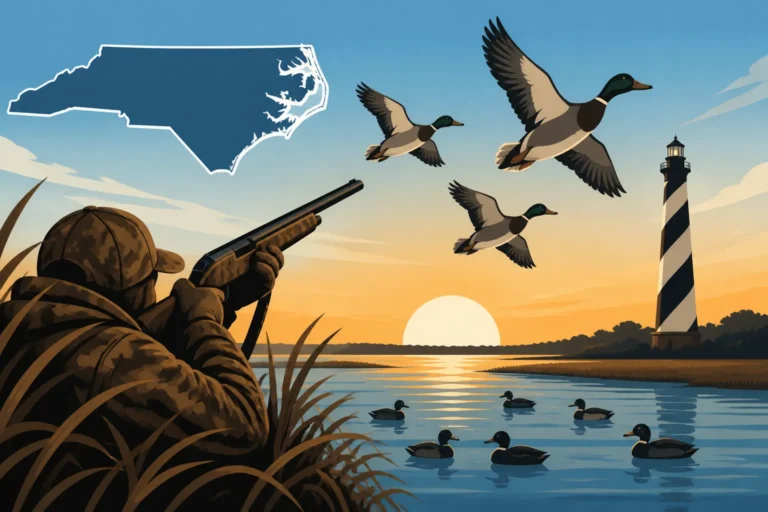
Forget the massive, aggressive spreads you might use for hundreds of migrators later in the year. For early season resident geese, less is often more. Think natural, small family groups. A spread of a dozen to two dozen realistic full-body decoys, arranged in loose family clusters or small feeding groups, tends to work best. You want it to look completely natural and undisturbed. Place a few "sentry" decoys with their heads up, but most should be in feeding or resting positions. Consider a landing zone that's clear of decoys directly in front of your blind, giving them a comfortable spot to commit to. For a comparison, it's a very different approach than what might be effective for Decoy Spreads for Currituck Sound Divers, where larger numbers and specific patterns are key for different species.
Concealment is Paramount
This cannot be stressed enough: early season geese have phenomenal eyesight, and they've likely seen it all in their local stomping grounds. Your blind setup must be perfect. Layout blinds are incredibly effective in open fields, but they need to be brushed in meticulously. This means gathering local vegetation – corn stalks, cut grass, weeds – and attaching it directly to your blind until it disappears into the surroundings. Don't leave any unnatural straight lines or dark patches that don't match the field. When Brushing In a Blind on a Field Edge, use enough material that it truly blends, even if it feels like overkill. If you're using a ground blind, ensure it's tucked into a fencerow, ditch, or natural break in the landscape, and again, brush it in until it's virtually invisible. Remember, they're looking for anything out of place. Even your face can reflect sunlight, so face paint or a good facemask is a must. If you hunt the coast, this skill is similar to Layout Blind Hunting Coastal Plain Fields.
Calling Tactics
Just like with decoys, early season calling is generally less aggressive. These are local birds, not desperate migrators. Over-calling can easily spook them. Focus on soft, contented clucks, murmurs, and feeding chuckles. A simple greeting call to grab their attention, followed by quiet, realistic chatter as they approach, is often all you need. If they start to turn away, a slightly louder cluck or a comeback call might bring them back, but avoid long, loud honks unless they are at a significant distance and ignoring you completely. Pay attention to how the birds themselves are communicating and try to mimic that. If you've been using calls extensively for deer, such as when Rattling and Grunting in North Carolina, understand that goose calling requires a different rhythm and intensity.
Shotgun and Ammunition Selection
North Carolina law requires the use of non-toxic shot for all waterfowl hunting, including early season geese. Steel shot is the most common and affordable option. For geese, you'll generally want larger shot sizes like BB, 2, or 4, especially when shooting over decoys at closer ranges. If you anticipate longer shots (which you should try to avoid by setting up correctly), larger shot might be warranted, but often isn't necessary for these closer range, field-set birds. A 12-gauge shotgun with a modified or improved cylinder choke is a versatile setup, offering a good balance of pattern density and spread for the typical ranges you'll encounter. Always pattern your shotgun with your chosen ammunition before the season to understand its performance. This is similar to selecting loads for Waterfowl Loads for Sound-Side Divers, but consider the specific needs of geese versus ducks. Remember, your North Carolina Migratory Bird Certification is also a must-have before hitting the field.
Overcoming Common Early Season Challenges
Early goose season comes with its own set of hurdles. From dealing with the heat to navigating quickly educated birds, being prepared for these challenges will save you a lot of frustration.
Dealing with Heat and Humidity
September in North Carolina can still feel like summer. This means you need to be smart about the heat. Stay hydrated! Bring plenty of water for yourself and any hunting dogs. Geese spoil quickly in warm weather, so have a plan for meat care. Bring a cooler with ice to immediately put your harvested birds in once you've retrieved them. Consider field dressing them on site to cool them down faster. Dogs can overheat easily, so give them breaks, make sure they have access to water, and consider using a cooling vest. Don't push them too hard.
Pressure and Educated Birds
Resident geese are smart, and they learn fast. A field that was hot one day can become completely dead after just one or two hunting attempts. If you shoot a field one morning, those birds might not come back for a week, or they might shift their patterns entirely. This is where continuous scouting pays off. You need a stable of multiple fields and water sources to rotate through. Don't burn out your spots. If you're seeing birds flair or avoid your spread, it's time to change tactics or move to a new location. GoHunt can be particularly useful in these situations, allowing you to quickly identify alternative fields or private land opportunities in your area that might be holding less-pressured birds. This constant adaptation is crucial, much like understanding Hunting Pressure on North Carolina Public Land for deer, but with a faster learning curve for waterfowl.
Access to Private Land
The best early season goose hunting often happens on private agricultural land. Gaining permission from landowners can be a hurdle, but it's an effort well worth making. Start by identifying promising fields through your scouting and mapping tools like GoHunt. Then, approach landowners respectfully, well in advance of the season. Offer to help with chores, share some of your harvest, or simply be a good neighbor. Always respect their property, leave no trace, and follow their rules. Understanding the nuances of Asking a North Carolina Farmer for Permission can significantly improve your chances of getting access to those prime feeding grounds. A good reputation spreads, and once you have permission on one farm, others might follow.
Early Goose Season Checklist
Here's a quick reference table to help you prepare for your early goose hunts in North Carolina:
| Item | Early Season Focus | Why It Matters |
|---|---|---|
| Scouting | Field observation, aerial maps (GoHunt) | Pinpoint "the X," identify flight paths, understand resident patterns |
| Decoys | 1-2 dozen full-body, natural poses | Mimic small family groups, less aggressive look for wary resident birds |
| Concealment | Meticulously brushed-in layout/ground blinds | Geese have excellent eyesight; blend perfectly with surroundings |
| Calling | Soft clucks, murmurs, greeting calls | Avoid over-calling; these birds are local and easily spooked |
| Shotgun | 12-gauge, Modified/IC choke | Versatile for typical close-to-medium field shots |
| Ammunition | Non-toxic steel shot (BB, 2, 4) | Legal requirement; appropriate shot size for geese |
| Hydration | Plenty of water (for you and dogs) | Essential for hot, humid early season conditions |
| Meat Care | Cooler with ice, field dressing supplies | Prevent spoilage in warm weather, preserve meat quality |
| Dog Care | Water, breaks, cooling vests | Prevent overheating in the heat, protect your hunting partner |
| Permissions | Private landowner contact, respectful approach | Many prime spots are on private land; good relations are key |
| License | NC Hunting License, Big Game Priv, Migratory Bird Cert | Legal requirement; ensure compliance with all state and federal regulations |
Disclaimer
Please note that hunting regulations, dates, and licensing requirements in North Carolina can change. Always consult the most current North Carolina Wildlife Resources Commission (NCWRC) regulations digest or their official website before planning any hunting trip. This guide is for informational purposes only and should not be considered a substitute for official regulations.