Hunting Coastal Bears in Thick Pocosin Cover
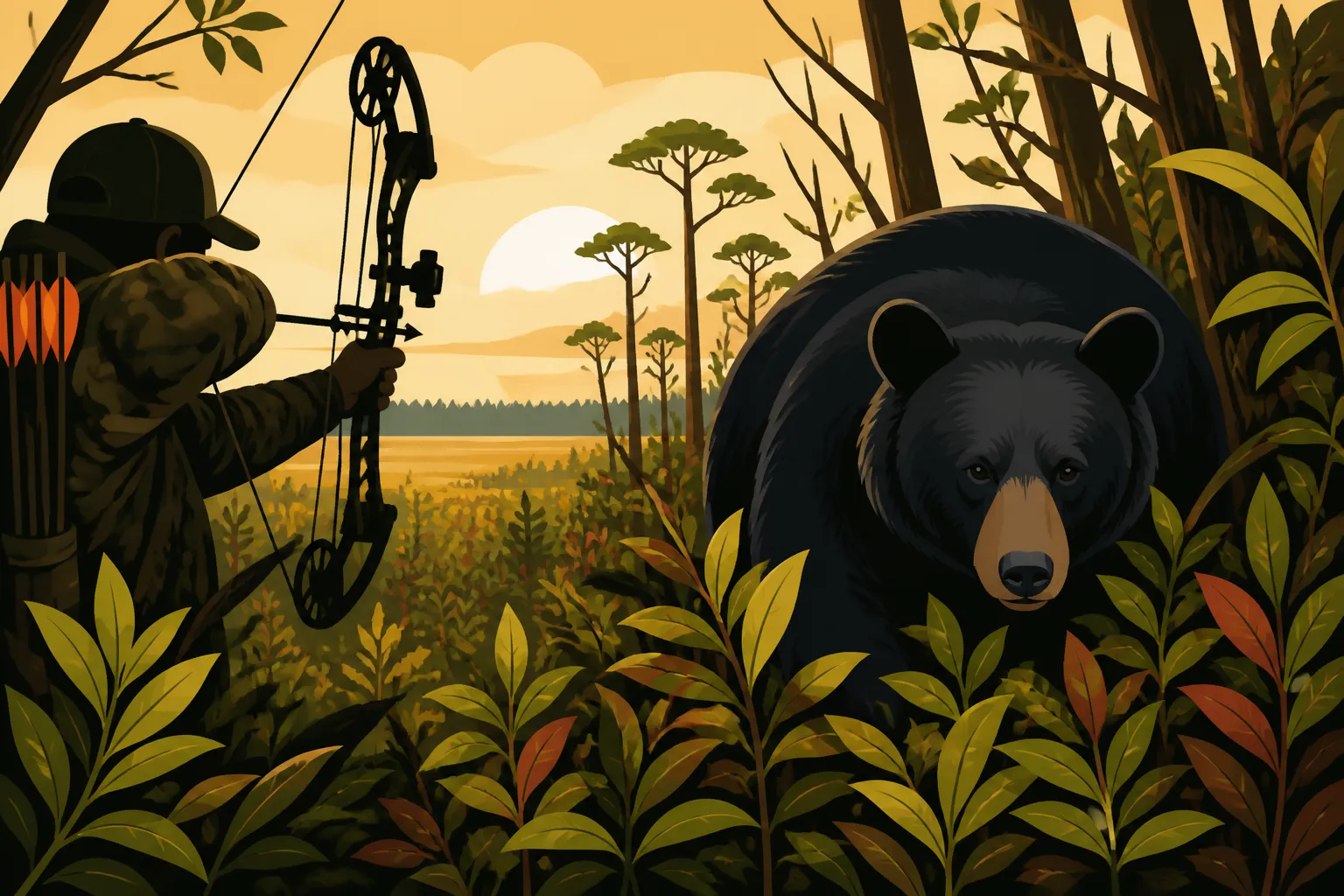
Hunting black bears in North Carolina's vast, dense coastal pocosins is a challenge unlike almost any other in the hunting world. It's not the wide-open spaces of the West, nor the rolling hardwood hills of the Piedmont. Instead, you're faced with an impenetrable jungle of briars, titi, gallberry, and water, where visibility can be measured in feet rather than yards, and even finding a game trail feels like discovering a lost city. It's frustrating, demanding, and can feel utterly overwhelming when you first step into that thick, wet cover. But don't despair; this guide will help you understand this unique environment, scout smarter, and employ effective tactics to find success in the coastal bear woods.
Understanding the Pocosin Environment for Bear Hunting
The coastal plain of North Carolina is home to some of the densest bear populations in the state, and a significant portion of these bruins call the expansive pocosin swamps their primary residence. If you've never ventured into one, imagine a maze designed by Mother Nature herself, where every turn leads to more thorns, deeper muck, and thicker vegetation.
The Nature of Pocosin Swamps and Bear Habitat
Pocosins are a specific type of wetland ecosystem characterized by deep, acidic peat soils and dense, shrubby vegetation. The term "pocosin" itself is derived from an Algonquin word meaning "swamp on a hill," referring to the fact that these wetlands often form on elevated areas due to the peat accumulation, rather than in depressions. This unique geology results in an incredibly challenging environment. We're talking about waist-high water in some areas, or knee-deep muck that sucks at your boots with every step. The vegetation is a tangled mess of titi, gallberry, cyrilla, sweet bay, and various briars that seem designed to cling, scratch, and impede progress. You'll also encounter dense stands of stunted pond pine, cypress, and various gums, all interwoven into a near-impenetrable wall.
So, why do bears love this miserable-sounding place so much? Simple: security, food, and escape cover. The density of the pocosins provides an almost perfect sanctuary from human disturbance. Bears can literally disappear into these vast, thorny jungles, making them incredibly difficult to pursue. This cover is not just for hiding; it's also a nursery for cubs and a safe haven for older, larger bears to thrive. Furthermore, pocosins are rich in food sources throughout the year. Gallberry, blueberries, huckleberries, and various other mast-producing shrubs thrive here, offering a consistent food supply that attracts and holds bears. Even when food is scarce in other habitats, the pocosins often provide a reliable buffet.
Reading Bear Sign in Dense Cover
Finding bear sign in a pocosin is a completely different ballgame than spotting rubs on an oak in a hardwood forest. Here, the ground is often too wet or too vegetated to hold clear tracks, and dense foliage can obscure even significant disturbances. It requires a keen eye and a patient approach. Start by looking for subtle breaks in the vegetation – areas where a heavy animal has consistently pushed through the thicket. These "bear trails" won't look like deer trails; they're often wider, lower to the ground, and marked by bent or broken saplings and shrubs. Look for hair caught on thorns or barbed wire fences bordering the pocosins, which can confirm bear presence.
Scat is another crucial indicator, though it can decompose quickly in wet conditions. Look for large piles of droppings, often filled with berry seeds, insect casings, or remnants of other vegetation. Rubs are also common, especially on the fringes of the pocosin or on larger trees within drier islands. Bears will rub their backs against trees to scratch, leave scent, and mark territory. These rubs are typically lower to the ground than deer rubs and can strip bark clean from the trunk. Pay close attention to the size of the rub and any hair left behind – it can give you an idea of the size of the bear. Finding fresh sign, even if it's scarce, is paramount. Unlike deer that might pass through an area once, a bear will often utilize the same travel routes and feeding areas repeatedly, making that hard-found sign a goldmine.
Effective Scouting and Strategy for Pocosin Bears
Given the challenging nature of pocosins, effective scouting isn't just helpful; it's absolutely essential. You can't just wander in and expect to stumble upon a bear. A calculated, methodical approach before the season even opens will drastically increase your odds.
Pre-Season Reconnaissance and E-Scouting
Before you ever put on your boots, you need to be looking at maps. Satellite imagery is your best friend when scouting pocosins. Tools like GoHunt or other mapping applications allow you to dissect these vast, green expanses from the comfort of your home. What you're looking for are subtle changes in elevation, even a few feet can mean the difference between standing water and dry ground. Identify slightly drier pockets, which often appear as darker green areas or slight rises in the terrain. These high spots can serve as bedding areas or staging points for bears moving through the swamp. Look for old logging roads, often overgrown and barely visible, that wind through the pocosins. These roads, though difficult to traverse, can act as crucial travel corridors for bears and provide the only remotely "easy" access for hunters.
Identify transitional zones where the pocosin meets agricultural fields, pine plantations, or hardwood edges. These interfaces are often high-activity areas, as bears will move out of the thick cover to feed in more open areas, especially at night. Pay attention to creeks, ditches, and any water features that might create natural funnels or pinch points. While these areas might be wet, they can guide bear movement. Remember that what looks like impenetrable green on the map often is impenetrable on the ground, but these maps help you pinpoint the least impenetrable routes or the strategic points where bears are forced to expose themselves. Don't be afraid to virtually "walk" these areas many times before setting foot on the ground.
Locating Bear Food Sources in Coastal Areas
North Carolina's coastal bears are opportunistic omnivores, and their diet shifts throughout the year based on what's available. Understanding these food sources is key to predicting their movements and whereabouts. Early in the season, typically late summer and early fall, various berries are a primary draw. Gallberry, a widespread shrub in pocosins, produces small, dark berries that bears voraciously consume. Look for areas with abundant gallberry bushes showing signs of recent feeding. Blueberries and huckleberries are also important, though often found on slightly drier ground or along the edges of the pocosin.
As the season progresses into fall, acorns become a critical food source, even in the coastal plain. While not as dominant as in the mountains or Piedmont, scattered oak trees or small hardwood hammocks within or adjacent to the pocosins can be bear magnets. Keep an eye out for muscadine grapes climbing trees, as bears will often gorge on these sweet treats. When natural food sources are less abundant, bears will readily venture out of the pocosins into agricultural fields. Corn, soybeans, and even peanuts can attract bears, especially at night. If you're hunting near farmland, check field edges for tracks, scat, and flattened crops where bears have been feeding. Knowing your local mast crop cycles and agricultural patterns is crucial intelligence.
Trail Camera Placement for Pocosin Intelligence
Trail cameras are invaluable tools for scouting pocosin bears, but their placement requires a strategic mindset due to the dense cover. Forget about wide-open lanes; you need to focus on choke points, pinch points, and the most defined game trails you can find. Look for where several subtle bear trails converge, or where a bear is forced through a narrow gap in the vegetation. Often, this might be a small dry island, a crossing over a ditch, or an old logging road that has just enough open space.
Elevation is also a consideration. In consistently wet areas, you might need to mount your camera higher on a tree to keep it above potential water levels. Consider investing in robust, waterproof cameras that can withstand the high humidity and occasional downpours common in coastal North Carolina. Battery life can also be an issue with frequent triggers in high-traffic areas, so bring spare batteries and check them regularly. Don't be afraid to experiment with camera locations. It might take a few tries to find a spot that yields good intel. Focus on the very fringes of the thickest cover, or on the paths bears use to transition from the pocosin to more open feeding areas. This insight can reveal the size, frequency, and time of day bears are using a particular area, which is vital for planning your hunt. For more information on using these tools, check out our guide on how to utilize Trail Cameras on North Carolina Public Land.
Hunting Methods and Tactics for Success
Once you've done your homework and understand the unique challenges of the pocosin environment, it's time to consider the actual hunting tactics. Given the extreme density, conventional methods often need significant adaptation.
Still-Hunting and Stalking the Thickets
Still-hunting in a North Carolina pocosin is less about "stalking" in the traditional sense and more about an incredibly slow, methodical, almost meditative crawl through the vegetation. Visibility is severely limited, often only 10-20 yards, so your senses of hearing and smell become paramount. You need to break down the terrain into tiny sections, moving inches at a time, looking for any deviation from the norm: a dark patch that might be a bear, a flicker of movement, or the subtle glint of a hide. The keyword here is patience. Many hunters simply move too fast and blow bears out before they ever see them.
Focus on using the wind to your advantage, always trying to keep it in your face or quartering. The dense cover often creates unpredictable swirling winds, so be mindful of thermals, especially early and late in the day. Listen for any sound that doesn't belong – a branch snapping, a heavy animal pushing through cover, or the distinctive rustle of a bear moving. These animals are surprisingly quiet for their size in this environment. Shot distances will be extremely close, likely under 50 yards, so practice quick, instinctive shots. Carry a reliable rifle with good brush-busting capabilities or consider a shotgun with slugs. Wearing tough, briar-proof clothing is not optional; it's a necessity. Good quality rubber boots for swamp walking are also essential to keep your feet dry and provide traction in the muck.
Stand Hunting and Ambush Points
While still-hunting can be productive for the most patient and determined, stand hunting offers a different strategy in the pocosins, focusing on intercepting bears at predictable travel routes. Identifying natural funnels and pinch points is key. These might be narrow strips of relatively drier land between two wet boggy areas, crossings over creeks or ditches, or trails leading out of the pocosin into feeding areas like agricultural fields or oak hammocks. Any feature that concentrates bear movement is a potential stand location.
Both treestands and ground blinds have their place. Treestands can get you above some of the thick undergrowth, offering slightly better visibility and helping to keep your scent dispersed. However, finding a suitable tree in a pocosin that's strong enough and clear enough for a stand can be a challenge. Ground blinds, especially heavily brushed-in pop-up blinds, can also be effective if placed carefully along a well-used trail or at a field edge. The dense cover of the pocosin provides natural concealment for ground blinds, allowing you to blend in seamlessly. Remember to set up your stand or blind well in advance, allowing bears to become accustomed to its presence. Pay close attention to your entry and exit routes to avoid spooking game, especially on morning or evening hunts. This method is all about patiently waiting for a bear to come to you, rather than trying to find them in the labyrinthine cover. For more details on effective stand placement, consult resources like Hanging a Stand on a Pisgah Ridge or Using a Ground Blind on North Carolina Public Land.
The Role of Hounds in North Carolina Coastal Bear Hunting
For many hunters in North Carolina's coastal bear zones, especially in counties like Bertie or Washington, hunting with hounds is a time-honored and highly effective method. The sheer impenetrability of the pocosins often makes it nearly impossible to consistently pursue bears without the aid of dogs. North Carolina's bear hunting regulations allow for the use of dogs in designated bear management zones, and the coastal plain largely falls into these categories. For specific rules, refer to North Carolina Bear Dog and Bait Rules.
The process typically involves releasing a pack of trained bear hounds onto fresh bear sign or in an area known to hold bears. The dogs pick up the scent and "strike" the bear, running it until it either bays on the ground or "trees" (climbs a tree). Hunters then follow the chase, often using GPS collars to track their dogs through the dense cover. This is not for the faint of heart; following a dog chase in a pocosin means traversing extremely difficult terrain, wading through water, and fighting through briars. It requires stamina, determination, and specialized gear like tough clothing, good boots, and a reliable GPS unit for navigation. Many hound hunters also carry two-way radios to communicate with their team. The unique advantage of hounds is their ability to penetrate the thickest parts of the pocosin, pushing bears out of their secure hideouts, and giving hunters an opportunity they might not otherwise get. It’s a community-driven effort, often involving multiple hunters and vehicles working together to manage the dogs and position themselves for a shot. For broader information on the areas these bears inhabit, see Where Coastal Pocosin Bears Range.
| Hunting Method | Pros | Cons | Key Gear Considerations |
|---|---|---|---|
| Still-Hunting | Highly active and engaging; allows covering ground; intimate knowledge of terrain gained. | Extremely physically demanding; very low visibility; requires immense patience and keen senses. | Durable briar-proof clothing, rubber boots, reliable rifle/shotgun, compass/GPS, good headlamp. |
| Stand Hunting | Less physically demanding once set up; can offer better visibility (from treestand); effective in funnels. | Limited to one spot; finding suitable trees/blind spots can be hard; bears might detect scent/movement. | Treestand/ground blind, safety harness, game calls, scent control, binoculars, rangefinder. |
| Hound Hunting | Highly effective in dense cover; covers vast areas; allows pursuit of bears otherwise inaccessible. | Requires trained dogs and specialized equipment; often involves large groups; very physically demanding. | GPS collars for dogs, cut vests for dogs, tough hunter clothing, good boots, communication radios. |
Disclaimer
Always consult the latest North Carolina Wildlife Resources Commission regulations before hunting. Hunting laws and regulations can change, and it is your responsibility to be informed and compliant. Safety should always be your top priority in the field.