Working a Dove Field on Opening Day
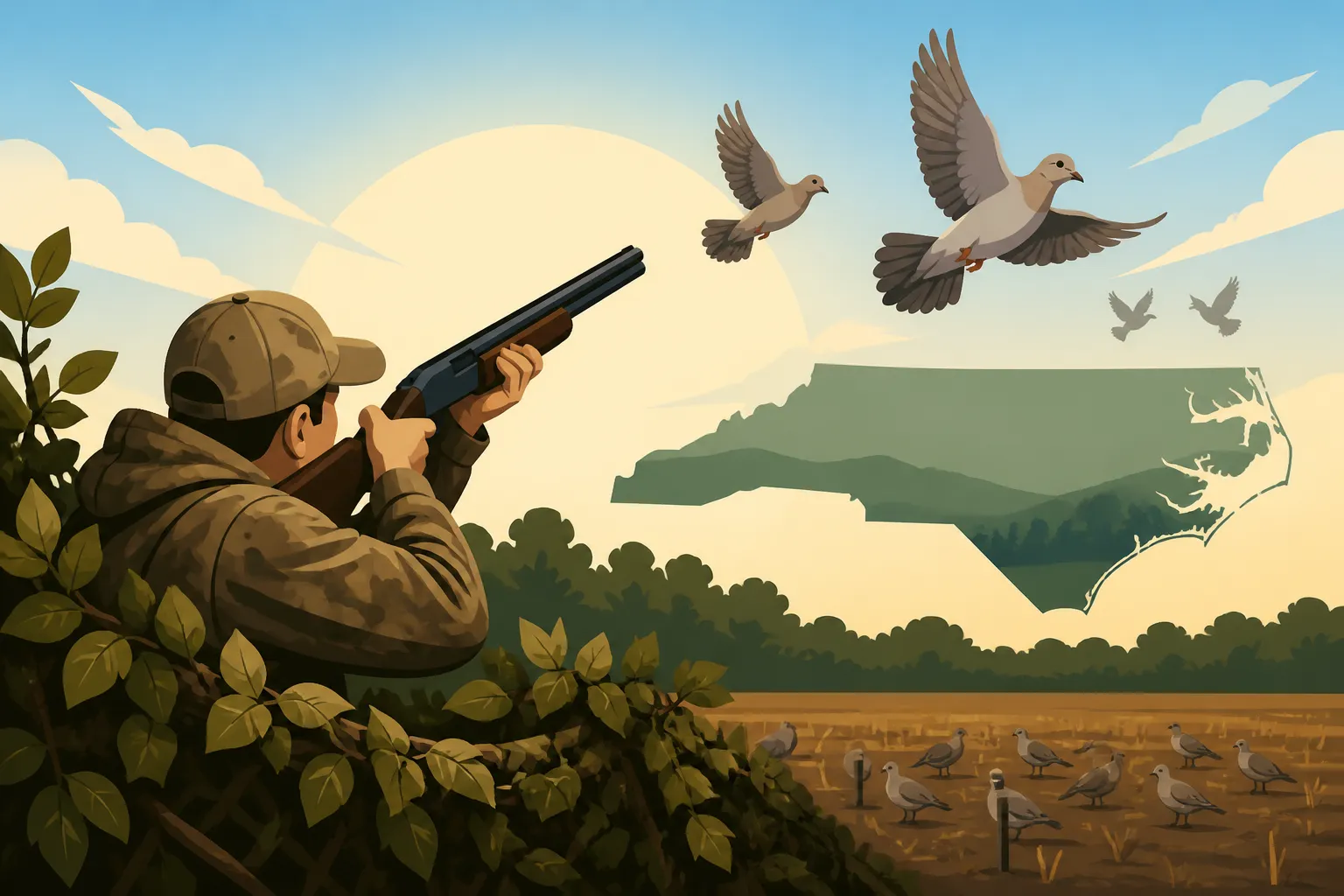
Opening day for dove season in North Carolina can feel like a high-energy carnival, with birds zipping through the air and shotguns echoing across cut fields. But for many hunters, especially those new to the sport or visiting public land, it can quickly turn into a frustrating spectacle of missed opportunities and crowded conditions. This guide is designed to cut through that noise, offering practical strategies and detailed advice for working a dove field effectively on opening day, ensuring you have a safer, more productive, and ultimately more enjoyable hunt in our beautiful state.
The Allure and Challenge of Opening Day Dove Hunting
There's something uniquely exhilarating about dove season opener in North Carolina. It's often the first migratory bird season to kick off, usually around September 1st, and it brings hunters out in droves. The weather is typically still warm, the camaraderie is high, and the sheer volume of birds can be astounding. However, this popularity also brings its own set of challenges, from navigating crowded fields to understanding the sudden shift in bird behavior once the shooting starts.
Why Opening Day is Different
Opening day isn't just another day in the field; it's an event. Imagine pulling into a public game land or a popular private field near a place like Asheboro or Rocky Mount. The parking lot is already half-full, trucks and trailers line the edges, and you can practically smell the anticipation in the air. This initial influx of hunters means a fresh crop of doves, many of whom haven't seen hunting pressure since last year, are suddenly educated. Their flight paths change, they become warier of decoys, and they start avoiding traditional feeding areas if the pressure is too intense. It's a high-stakes, high-reward situation. For instance, the birds that leisurely cruised into a cut sunflower field in Wake County during your scouting trips might now be juking and jiving at 50 yards the moment a shotgun cracks. You're not just hunting doves; you're hunting pressured doves, often alongside a dozen other hunters.
Common Frustrations and How to Overcome Them
Let's be honest, everyone misses doves. They're notoriously fast, erratic fliers, often described as feathered rockets. But on opening day, frustrations can multiply. One common issue is finding a good spot. You scouted a perfect corner of a field near Goldsboro that funnels birds, only to arrive and find three other groups already set up there. Another big one is the "sky-busting" phenomenon, where hunters shoot at birds well out of range, educating them further and scattering them for everyone. Then there's the classic case of over-eagerness, leading to poor shot selection and a quickly empty shell bag with few birds to show for it.
To combat these, planning is key. If it's a public field, arrive early—and by early, I mean before dawn, sometimes even earlier if it's a highly sought-after spot. Have a backup plan or two. Mentally prepare for the crowds and the inevitable missed shots. Focus on your own zone of fire and be patient. Remember, those doves will keep flying, and a few well-placed, ethical shots are more satisfying than a box full of empty shells and no birds. It's a marathon, not a sprint, and managing your expectations can make a huge difference in your enjoyment.
Scouting Smarter, Not Harder, for North Carolina Doves
Successful dove hunting, especially on opening day, isn't about luck; it's about preparation. You wouldn't go deer hunting without scouting, and doves are no different. They have specific needs: food, water, and grit for digestion, as well as safe roosting and loafing areas. Understanding these needs and identifying where they're met in your chosen hunting area is paramount.
Identifying Productive Fields and Food Sources
Doves are primarily seed-eaters, and they are masters at finding abundant food sources. In North Carolina, this usually means agricultural fields, but not just any field. Look for cut grain fields, such as wheat, millet, corn, or sunflowers. These are often specifically planted and managed for doves on public game lands or private leases. After harvest, the scattered seeds on the ground are a dove magnet. If you're near the coast, you might find them in soybean fields after the leaves have dropped, or even in areas with wild ragweed or pokeberry.
Start your scouting a week or two before opening day. Drive around rural areas or check the N.C. Wildlife Resources Commission (NCWRC) website for designated public dove fields. Pay close attention to the specific crops in the fields. A newly cut silage cornfield might have some residual grain, but a field harvested for shelled corn will often have far more, especially if it's been tilled minimally. Sunflowers are often planted for doves, and once they're mature and starting to dry, doves will flock to them. Don't overlook fallow fields that have a good growth of natural weed seeds like pigweed or croton (doveweed). These can be absolute honey holes that fly under the radar of hunters focused only on managed fields.
Locating Key Perching and Watering Areas
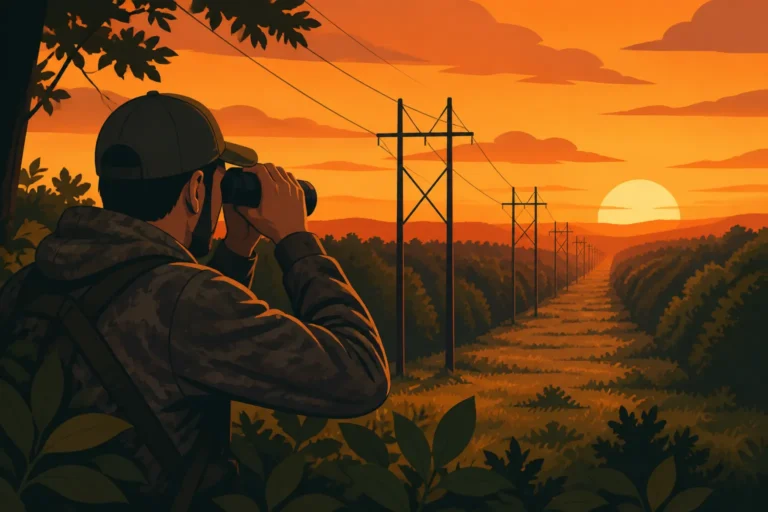
Doves don't just fly straight from roost to feed and back. They need places to rest, digest their food, and get water and grit. Perching areas are often dead trees, power lines, or the tops of taller snags that overlook a feeding field. These act as observation points where birds can scope out the field for danger before dropping down to feed. If you see doves consistently landing on a specific power line or dead oak at the edge of a field during your scouting, that's a prime spot to set up a blind, assuming it's safe and legal.
Water sources are equally critical, especially in the warm North Carolina early season. Doves need to drink frequently, typically twice a day. Look for small farm ponds, slow-moving creeks, or even puddles in field roads. They also need grit to help digest seeds, which they often pick up around these water sources. A field with a good food source, a reliable water source nearby, and some prominent perching trees creates a complete dove habitat. Pay attention to how the birds approach these areas. Do they fly in low over a specific hedgerow? Do they drop straight down from a tall pine? These observations will inform your setup. You can find excellent advice on this by checking out tips for Pass-Shooting Doves Over a Water Hole.
Leveraging Mapping Tools for Public and Private Access
In today's hunting world, mapping apps are indispensable, especially when scouting for doves across different land types. The North Carolina Wildlife Resources Commission provides excellent resources, including the Using the NC Wildlife Map Tool which details public game lands and their boundaries. For a more comprehensive look at land ownership and terrain, apps like onX Hunt or GoHunt can be invaluable. These tools allow you to identify private property lines, understand topography, and mark potential hotspots like cut fields, power lines, and water sources from your phone.
When looking at public land, use these apps to understand access points, parking areas, and designated dove fields. GoHunt, while primarily known for Western big game, has robust mapping capabilities that can help visualize terrain and locate specific features like hedgerows, open fields, and water bodies on any piece of land. This is crucial for identifying how birds might enter or exit a field, or where natural funnels might occur. For private land, these apps can help you pinpoint landowners if you're seeking permission, which is often a more relaxed process for dove hunting than for deer. Knowing where you are at all times, especially in unfamiliar terrain, prevents accidental trespassing and ensures a safe, legal hunt. A strong scouting effort using these tools can differentiate a frustrating opening day from a memorable one. You can read more about Finding a North Carolina Game Land Near You for detailed public access information.
Mastering Dove Flight Patterns and Behavior
Doves are creatures of habit, but they are also highly responsive to environmental factors and hunting pressure. Understanding their daily routines and how elements like wind affect their flight can give you a significant advantage on opening day. It's like learning to read a secret language written in the sky.
Decoding Daily Flight Schedules
Generally, doves exhibit two primary feeding periods: a morning flight and an evening flight, with a lull in between. The morning flight typically starts shortly after sunrise as birds leave their roosts and head directly to feeding fields. This can be a fast, furious hour or two of action. As the sun climbs higher, the activity usually slows, with birds taking a break to loaf in shaded trees, digest, and maybe grab some water. This midday lull can be frustrating, but it's a good time to stretch your legs, rehydrate, or move your setup if your initial spot isn't producing.
The evening flight usually picks up a few hours before sunset as birds return to feeding fields for a final meal before heading back to roost. This can be just as productive, if not more so, than the morning flight. However, on opening day, especially in crowded fields, these traditional patterns can be disrupted. Heavy pressure early in the morning might push birds out of a field entirely, making the midday and evening hunts much slower. Or, conversely, if hunters clear out after the morning rush, the evening flight might be fantastic. Being flexible and observing how the birds react to pressure is key. Sometimes the best action might be an hour or two after everyone else has left, as birds feel safer returning.
Understanding Wind's Influence on Approach
Wind is a critical factor in dove hunting, often overlooked by less experienced hunters. Doves, like most birds, prefer to fly into the wind when landing or taking off. This gives them better lift and control. When approaching a field, they will often circle downwind and then make their final approach directly into the breeze. This is a crucial piece of information for setting up your blind and decoys.
If the wind is coming from the west, expect doves to approach your field from the east. Position yourself so that the doves will be flying into the wind as they approach your decoys, giving you a quartering-away or incoming shot. A strong crosswind can make birds drift, presenting challenging angles. Conversely, a light wind might mean birds are less predictable in their approach. Pay attention to wind direction throughout the day, as it can shift, requiring you to adjust your setup. You can use a simple wind checker or even just grass blades to confirm. Ignoring the wind is like trying to call a turkey without understanding Calling a North Carolina Gobbler Off the Roost – you're missing a fundamental piece of their behavior.
Pinpointing Flight Corridors and Natural Funnels
Doves don't just randomly appear in a field; they often follow specific pathways, especially when moving between feeding, watering, and roosting areas. These pathways are known as flight corridors or funnels. They can be natural features like tree lines, hedgerows, creek bottoms, or even changes in elevation where doves prefer to fly over the lowest point. Power lines running across or adjacent to a field are also prime corridors, as doves will often fly along them, using them as navigation aids or perching spots.
During your scouting trips, spend time observing these flight paths. Where do the birds enter the field? Where do they exit? Do they consistently fly over a particular dip in the terrain or along a specific wood line? Setting up your blind near one of these natural funnels will put you directly in their flight path, increasing your shot opportunities. For example, if doves are consistently flying over a gap in a treeline dividing two fields, that gap becomes a natural bottleneck, concentrating their movement. Identifying these subtle patterns is paramount to maximizing your take on opening day, allowing you to intercept birds rather than just hoping they fly over your spot.
Setting Up for Success: Blinds, Decoys, and Safety
Once you've scouted your field and understand dove behavior, the next step is setting up your hunting position. This involves concealment, effective decoy placement, and, most importantly, prioritizing safety, especially in a crowded opening day scenario.
Choosing the Right Concealment Strategy
Doves have excellent eyesight, and they quickly learn to associate hunters with danger. Effective concealment is non-negotiable. You have several options, depending on the available cover and your personal preference. The simplest is often using natural cover already present in the field, such as a thick fencerow, a patch of tall weeds, or the edge of a standing cornfield. Crouch low or sit on a stool, breaking up your outline with natural vegetation. If you’re hunting a field with limited natural cover, you might need a portable ground blind or a "dove chair" with built-in camo netting.
Remember to consider your background. Don't set up with a clear skyline behind you, as your silhouette will be easily visible. Instead, try to position yourself against a darker background like a treeline or a hillside. If you're on public land, consider options for Brushing In a Blind on a Field Edge for maximum effectiveness. The key is to disappear into your surroundings. Doves will quickly flare if they spot you, often even before you have a chance to shoulder your gun. Your clothes should also blend in; camo patterns or muted earth tones are ideal. Bright colors, even blaze orange (unless mandated for safety), will stand out like a beacon.
Maximizing Your Decoy Spread
Decoys can significantly increase your success by drawing birds into your preferred shooting zone. For doves, the most effective decoys often involve movement. Spinning-wing decoys, like those from Mojo Outdoors, are incredibly effective because the flashing wings mimic a dove landing or taking off, catching the attention of passing birds from a distance. A single spinning-wing decoy placed on a pole slightly above the stubble can work wonders.
Supplement spinning-wing decoys with several stationary decoys placed on the ground or on short stakes. Arrange them in a loose, natural-looking pattern, as if a small flock is feeding. Don't clump them together too tightly. A common setup involves a spinning-wing decoy set about 20-30 yards from your blind, with 5-10 stationary decoys scattered around it. Ensure your decoys are visible and facing into the wind, just as live doves would when landing. Experiment with placement; sometimes doves prefer to land slightly upwind of the decoys, walking into them. Observe how passing birds react and adjust your spread if needed. Good decoys, correctly placed, will encourage wary birds to commit and come into range.
Essential Safety Practices in Crowded Fields
Opening day dove fields, especially on public land, can sometimes feel like a firing range. With multiple hunters often within earshot, safety is paramount. The first rule is always to know your zone of fire. This means having a clear understanding of where your shot will travel and ensuring no other hunters, vehicles, or structures are in harm's way. Establish a specific direction or arc for your shooting, and stick to it. Never swing your gun outside this safe zone.
Wearing blaze orange is often not required for dove hunting, but it's a smart idea, especially if you're hunting in a crowded field or near timber where deer hunters might be present. Check local regulations, as some areas may have specific requirements, or you might be How Much Blaze Orange North Carolina Requires during mixed seasons. Communicate with nearby hunters if possible; a quick chat before the hunt can establish boundaries and prevent misunderstandings. Always keep your gun pointed in a safe direction, treat every firearm as loaded, and keep your finger off the trigger until you're ready to shoot. If you're retrieving a downed bird, open the action of your shotgun and announce your intentions to others. A safe hunt is a good hunt, and courtesy goes a long way.
Gear Up: Shotguns, Ammunition, and Field Essentials
While dove hunting doesn't require the specialized gear of a western elk hunt, having the right shotgun, ammunition, and accessories can make a significant difference in your success and comfort. Don't just grab any old gun and shells; think strategically.
Selecting the Ideal Shotgun and Choke Combination
For doves, a lightweight 12-gauge or 20-gauge shotgun is typically ideal. A 12-gauge offers a bit more payload and a denser pattern, which can be advantageous for those fast-flying birds. However, a 20-gauge is lighter to carry and often preferred by smaller-framed shooters or those who prefer less recoil, especially when shooting a lot of shells. Both pump-action and semi-automatic shotguns are popular. Semi-automatics offer faster follow-up shots and softer recoil, which can be a blessing during high-volume shooting.
As for chokes, doves are often taken at relatively close to medium ranges (20-40 yards), so a Modified (MOD) or Improved Cylinder (IC) choke is usually perfect. A MOD choke provides a good balance of pattern density and spread, while an IC choke offers a wider pattern, which can be helpful for close-range birds or if you struggle with consistent hits. Avoid Full chokes, as they throw too tight a pattern for fast-moving doves and make hitting them much harder. A common setup is to use an IC choke for the first shot at close range, followed by a MOD choke for longer follow-up shots if you have a multi-choke gun or over/under. You can learn more about Turkey Shotgun Gauge Choice as many of the principles apply here.
Ammunition: Shot Size and Load for Doves
When it comes to ammunition, speed and pattern density are your friends. For doves, standard loads of 7.5 or 8 shot are the most popular and effective. Some hunters prefer 8 shot for closer birds due to its higher pellet count, creating a denser pattern, while others opt for 7.5 shot for a little more range and energy. Avoid anything larger than 7.5, like 6 shot, as the pellet count will be too low for consistently hitting small, fast-moving doves.
Load choice also matters. You don't need heavy, magnum loads. Standard 2 ¾-inch shells with 1 to 1 ⅛ ounces of shot will be more than sufficient. Lighter loads not only save your shoulder over a long day of shooting but also tend to pattern more consistently at dove ranges. Bring plenty of shells – it's not uncommon to shoot several boxes (75-100 shells) to bag a limit of 15 birds on a good day. Always check the North Carolina migratory bird regulations, including North Carolina Duck and Goose Bag Limits, to ensure you’re compliant with all migratory bird rules, including those for doves.
Beyond the Gun: Crucial Accessories
Aside from your shotgun and ammo, a few essential accessories will greatly enhance your opening day dove hunt.
- Comfortable Seat: A lightweight dove stool or a 5-gallon bucket (doubling as a shell carrier) is essential. You'll be sitting for long periods, especially during the midday lull, and comfort is key.
- Water and Snacks: Early September in North Carolina can still be hot. Stay hydrated! Bring plenty of water and some light snacks.
- Shell Bag/Vest: A good shell bag or vest with large pockets will keep your ammunition organized and easily accessible. Many vests also have game pouches for carrying birds.
- Cooler and Ice: As soon as you retrieve a dove, get it on ice. Doves are delicious but spoil quickly in warm weather. A small cooler with ice in your vehicle or even at your spot is a must.
- Sunscreen and Insect Repellent: Protect yourself from the sun and pesky mosquitoes, especially if hunting near water or in tall grass.
- Dog (Optional but Recommended): If you have a well-trained retriever, bring them! They not only make retrieving downed birds much easier and faster (reducing lost birds), but they also enhance the experience.
- Binoculars: A small pair of binoculars can help you spot incoming birds from a distance or identify how they're using distant parts of the field.
- Blaze Orange Hat/Vest: Even if not required, it's a good safety measure in crowded fields.
Investing in some quality Dove Stools and Field Gear will ensure your comfort and efficiency throughout the hunt.
In-the-Moment Tactics for High-Volume Action
Opening day dove hunting is often fast-paced, sometimes chaotic. Having a plan for how you'll handle the action, manage the crowds, and ethically retrieve your birds is just as important as your pre-hunt scouting and gear preparation.
Sharpening Your Shot Selection and Follow-Through
Doves are small, fast, and often fly erratically, making them challenging targets. The biggest mistake new dove hunters make is shooting too soon or "sky-busting" at birds far out of range. This wastes shells, educates birds, and frustrates everyone. Be patient. Let birds come into your optimal shooting zone, typically 20-30 yards. Focus on a single bird, ignore the rest of the flock, and make a clean shot.
Lead is crucial. You must swing through the bird. Don't try to "point and shoot" like you would with a rifle. Instead, mount your shotgun smoothly, track the bird, swing past its head, and pull the trigger, continuing your swing even after the shot. This "swing through" method is the most effective for moving targets. Practice dry firing at home, focusing on a smooth mount and swing. When the birds are flying, stay calm, take a deep breath, and focus on that lead. Missing is part of dove hunting, but consistent technique will improve your hit ratio dramatically.
Navigating Hunting Pressure and Adjusting Your Strategy
Opening day crowds are a reality, especially on public game lands or popular fields. Hunting pressure significantly impacts dove behavior. Birds that were flying predictably early in the morning might become wary and high-flying once dozens of shotguns start roaring. If your initial spot isn't producing, don't be afraid to move. Walk the edges of the field, looking for areas where birds are still flying lower or coming in more consistently. Sometimes, just moving 50 or 100 yards can put you in a new flight path.
Observe what other hunters are doing. If everyone is shooting at high birds, try to find a spot that offers closer opportunities, perhaps by a natural funnel or a less-pressured corner. Sometimes the best strategy is to wait out the busiest times. Many hunters will leave after the morning rush, and the field might open up for a fantastic afternoon or evening hunt. Flexibility and adaptability are crucial. The ability to read the field and adjust your setup is a hallmark of an experienced dove hunter. You can explore Hunting Pressure on North Carolina Public Land for more general advice on navigating crowded areas.
Efficient Bird Retrieval and Ethical Practices
Once you've made a good shot and a dove drops, mark its location immediately. Doves are small and can be incredibly difficult to find in tall grass or thick cover, even if you saw exactly where they fell. Pick out a landmark—a specific tree, a fence post, a clump of weeds—and walk directly to it. If you have a hunting dog, let them do their job. A good retriever is invaluable for minimizing lost birds.
Ethical hunting dictates that you make every reasonable effort to retrieve every bird you shoot. Losing birds is not only wasteful but also disrespectful to the resource. If you're hunting in a group, help each other mark and retrieve birds. If a bird falls near another hunter's spot, communicate clearly before walking into their area. Once retrieved, immediately place the birds on ice in your cooler to prevent spoilage. Be mindful of your bag limit, which for mourning doves in North Carolina is typically 15 birds per day. Keep a mental or physical count. Remember to get your North Carolina HIP Certification for Bird Hunters as well, as it's mandatory for all migratory bird hunters in the state.
Post-Hunt Considerations and Ethics
The hunt doesn't end when the shooting stops. Proper post-hunt practices are essential for respecting the game, the land, and your fellow hunters. This includes understanding bag limits, responsible carcass disposal, and leaving the field better than you found it.
Bag Limits and Legal Requirements
In North Carolina, the daily bag limit for mourning doves is 15 birds, with a possession limit of 45 birds. It's crucial to keep track of your harvest throughout the day, especially if you're hunting with a group or making multiple trips to the field. Exceeding the bag limit is a serious violation and can result in fines and loss of hunting privileges.
Beyond the bag limit, all migratory bird hunters in North Carolina are required to have a valid hunting license, a North Carolina Migratory Bird Hunting License (which is an add-on to your base license), and be Harvest Information Program (HIP) certified. You'll also need a Federal Duck Stamp if you plan to hunt ducks, though it's not strictly required for doves alone. Ensure all your licenses are up-to-date and easily accessible. Review the most current North Carolina Migratory Bird Certification rules before each season, as regulations can sometimes change. Compliance ensures you're hunting legally and contributing to wildlife conservation efforts.
Carcass Disposal and Field Clean-up
After you've harvested your birds, proper carcass disposal is crucial. You'll need to clean your doves, typically by breasting them out (removing the breast meat). Never leave carcasses or entrails scattered haphazardly in the field. This not only looks disrespectful but can attract scavengers and spread disease. Pack out all your waste, including spent shotgun shells, empty food wrappers, and any other trash. If a designated trash receptacle is provided, use it. Otherwise, carry it out with you and dispose of it properly at home.
Leaving the field clean is a sign of respect for the land, whether it's public game land or private property you've been granted access to. A clean field enhances the experience for future hunters and maintains a positive image of hunters in the community. If you were granted access to private land, offering to help the landowner with a task or bringing them some of your cleaned dove breasts is an excellent way to show appreciation and ensure future hunting opportunities.
Respecting Landowners and Fellow Hunters
Opening day dove hunting often brings hunters together, and demonstrating courtesy and respect is paramount. If you're hunting on private land, always secure permission well in advance. Thank the landowner for the opportunity, and offer to share your harvest. Leaving a thank-you note or a small gift after the season goes a long way in building good relationships.
On public land, be mindful of other hunters. Maintain a respectful distance from other groups, typically 100-200 yards, to ensure everyone has a safe and enjoyable hunt. Avoid "sky-busting" over other hunters, and be courteous when retrieving birds. If a bird falls near another hunter's setup, ask permission before walking over to retrieve it. A friendly wave, a shared laugh over a missed shot, or a brief conversation about the flight patterns can turn strangers into fellow enthusiasts. The dove field is a community on opening day, and a positive attitude makes the experience better for everyone.
Disclaimer
Hunting involves inherent risks, including but not limited to injuries from firearms, falls, and wildlife encounters. Always prioritize safety, adhere to all local, state, and federal hunting regulations, and consider seeking professional guidance or hunter education courses. This guide is for informational purposes only and does not replace official hunting regulations or professional instruction. The author and publisher are not responsible for any accidents, injuries, or legal infractions incurred while hunting.