Finding a North Carolina Game Land Near You
Finding a good hunting spot on public land in North Carolina can feel like trying to solve a puzzle with half the pieces missing. You've heard whispers about "Game Lands," but where are they? How do you even figure out which ones are accessible, what you can hunt, and what special hoops you need to jump through? It’s enough to make you throw your hands up and just stick to that tiny private parcel you have access to. But trust me, North Carolina's Game Lands offer incredible opportunities, and this guide is going to walk you through exactly how to find them and start planning your next public land adventure.
Understanding North Carolina's Game Lands System
North Carolina boasts an impressive network of public hunting grounds, often referred to as "Game Lands." These aren't just random patches of woods; they're managed areas designed to provide hunting, fishing, and outdoor recreation opportunities for the public. But wrapping your head around what they are and why they're so important is the first step in unlocking their potential.
What Exactly Are Game Lands?
Think of North Carolina's Game Lands as the state's generous offering to hunters who don't own thousands of acres or belong to exclusive hunting clubs. These are tracts of land, both public and private, that are managed by the North Carolina Wildlife Resources Commission (NCWRC) through cooperative agreements. The goal is to conserve wildlife habitat and provide public access for hunting, fishing, and other outdoor pursuits. This can include federal lands like National Forests, state-owned lands, or even privately owned timber company lands where the public access rights have been leased for hunting. It’s a huge, diverse system, encompassing everything from the vast, rugged mountains of the Appalachians to the dense pocosin swamps of the Coastal Plain.
Unlike simply hunting on national forest land where general federal regulations might apply, Game Lands often have additional, specific rules set by the NCWRC to manage hunting pressure and wildlife populations. This means that while a tract might be within a National Forest, if it's designated as a Game Land, you'll need to follow the Game Land regulations in addition to any federal ones. The variety of habitats available is truly remarkable, ranging from mature hardwood forests and pine plantations to agricultural fields, coastal marshes, and river bottoms. Whatever species you're chasing – be it whitetails, black bears, wild turkeys, or various small game and waterfowl – there's a good chance a North Carolina Game Land offers the right kind of cover and food sources.
The Importance of a Game Lands License
Now, before you lace up your boots and head out, there’s a crucial piece of paperwork you’ll need: a Game Lands license. This isn't just an extra fee; it's what grants you legal access to hunt on these managed areas. Without it, even if you have a valid hunting license, you're not permitted to hunt on Game Lands. It's the NCWRC's way of funding the management, maintenance, and enforcement efforts that keep these public areas viable for hunting.
The good news is that acquiring a Game Lands license is relatively straightforward. For residents, it's typically an add-on to your standard hunting license package, and for non-residents, it's usually available as a separate privilege. There are often options for annual licenses if you plan to hunt Game Lands frequently, or shorter-term permits if you're just visiting for a specific hunt. It's absolutely vital to check the current regulations on the NCWRC website to understand the exact requirements and any associated costs, as these can change. For example, some special hunts or specific Game Lands might require additional permits or have a limited draw system. Don't let your excitement get ahead of your due diligence; always make sure you have the correct and current North Carolina Game Lands License Requirements before you step foot in the woods. This license helps ensure that these valuable resources continue to be available for future generations of hunters.
Navigating the Digital Landscape: Tools for Discovery
In today's world, finding hunting land isn't just about looking at a paper map anymore. Digital tools have become indispensable for scouting, planning, and executing successful hunts, especially on public land. North Carolina offers some fantastic resources, both official and third-party, that can put a wealth of information right at your fingertips.
The NC Wildlife Resources Commission's Online Map Tool
The North Carolina Wildlife Resources Commission provides its own official online interactive map, and it's an excellent starting point for any hunter looking to explore Game Lands. This tool allows you to visually locate Game Lands across the state, see their boundaries, and often get a quick overview of the specific regulations for that area. You can typically zoom in to see roads, access points, and sometimes even topographic features, which is helpful for initial planning. It’s the authoritative source for official Game Land designations and rules.
However, like any free, general-purpose tool, it does have some limitations. While it's great for identifying broad areas and understanding official designations, the level of granular detail might not always be sufficient for intricate scouting. For instance, you might not see every subtle contour line, isolated water source, or hidden clearing that could be a deer bedding area. Furthermore, relying solely on an online tool means you need an internet connection, which can be a real problem once you're out in many of North Carolina's more remote public land areas. It's a fantastic resource for getting your bearings and understanding the regulatory landscape, but it often serves as the first layer in a more in-depth scouting process.
Third-Party Mapping Applications (onX Hunt, GoHunt)
For a truly deep dive into public land scouting, many seasoned hunters turn to powerful third-party mapping applications like onX Hunt. These platforms take the information provided by official sources and supercharge it with layers of additional data and functionality, offering a level of detail that can be a game-changer. Imagine seeing not just the Game Land boundary, but also precise property lines, differentiating public from private land down to the foot, and even identifying landowners in adjacent areas. This is where onX Hunt truly shines, providing crucial clarity on boundaries that can often be ambiguous on the ground.
These apps typically feature high-resolution aerial imagery, which allows you to virtually "walk" the terrain, identifying potential pinch points, clear cuts, mature timber, and water sources from your couch. They integrate detailed topographic maps to reveal subtle elevation changes and drainages that funnel game. Perhaps one of their most valuable features is the ability to download maps for offline use. This means you can scout and navigate even deep in the Pisgah National Forest or the Croatan Forest where cell service is non-existent. Using NC Wildlife Without Cell Service While GoHunt is another excellent mapping and planning tool, it's generally geared more towards Western states and their draw systems, so onX Hunt tends to be the preferred choice for most North Carolina hunters. Using these applications allows you to mark waypoints, track your movements, and even share data with hunting partners, transforming your scouting and hunting strategy from reactive to proactive. They can truly unlock the full potential of a Game Land by helping you identify those overlooked spots away from the crowds.
Strategies for Locating Game Lands Near You
Once you understand what Game Lands are and what tools are available, the next step is figuring out where to actually go. North Carolina is a big state with vastly different geographical regions, and your approach to finding the right Game Land will depend heavily on your location and your target species.
Geographic Proximity and Habitat Match
The first natural filter for finding a Game Land is its proximity to you. Are you in the mountains, the Piedmont, or on the Coastal Plain? Each region of North Carolina offers distinct habitats and, consequently, different hunting opportunities. If you're near Asheville, for instance, you're likely looking at Game Lands within the Pisgah or Nantahala National Forests, which offer rugged, mountainous terrain perfect for deer, bear, and grouse. Hunting the North Carolina Mountains Hunters closer to Raleigh or Charlotte might focus on Game Lands in the Piedmont, such as Uwharrie or Butner-Falls of Neuse, characterized by rolling hills, mixed hardwoods, and some agricultural interfaces, ideal for deer and turkey. Hunting the North Carolina Piedmont
Conversely, if you're in the eastern part of the state, say near Jacksonville or New Bern, your Game Land options will largely consist of coastal plain ecosystems like Holly Shelter or Croatan National Forest, known for their dense pocosins, wetlands, and pine flats. These areas can be fantastic for bear, deer, waterfowl, and small game, but require different tactics and gear than mountain hunting. Hunting the Coastal Plain and Sandhills When considering a Game Land, always think about the target species you're after and whether the local habitat is suitable for them. A sprawling Game Land dominated by mature pines might be great for deer, but less so for turkeys if there's little open understory or hardwood mast. Matching the habitat to your quarry is key for an efficient and successful hunt.
Utilizing NCWRC Resources and Local Knowledge
Beyond just looking at a map, the NCWRC website is a treasure trove of specific information about individual Game Lands. Many Game Land pages will detail the primary game species found there, special regulations, access points, and even historical harvest data. This can be invaluable for narrowing down your choices and understanding what to expect. Don't underestimate the power of these detailed descriptions; they're compiled by the very biologists and managers who oversee these areas.
Another often-overlooked resource is the local NCWRC wildlife enforcement officer or district biologist. While they can't guide you to a specific hotspot, they are incredibly knowledgeable about the general lay of the land, prevalent species, and common access issues within their jurisdiction. A friendly, respectful phone call can sometimes yield insights that would take days to discover on your own. Furthermore, connecting with local hunting clubs or online forums (like those dedicated to North Carolina hunting) can also provide anecdotal information and firsthand accounts. Just remember that such information needs to be taken with a grain of salt, as hunting spots shared online can quickly become crowded. However, these communities can be great for learning about general patterns, common challenges, and what to expect from specific areas.
Planning Your Game Land Hunt: Beyond Just Finding It
Simply knowing where a Game Land is located is just the beginning. A successful and compliant hunt on North Carolina's public lands requires careful planning, deep understanding of specific regulations, and a smart approach to scouting and navigating hunting pressure.
Deciphering Specific Game Land Regulations
This is perhaps the most critical step after identifying a potential Game Land. While North Carolina has statewide hunting regulations, every single Game Land often has its own set of additional rules and restrictions. It's not enough to know the general deer season dates; you must check the specific rules for the Game Land you intend to hunt. These rules can vary wildly and impact everything from permissible weapons to daily hunting hours, specific season dates, and even the type of stands you can use.
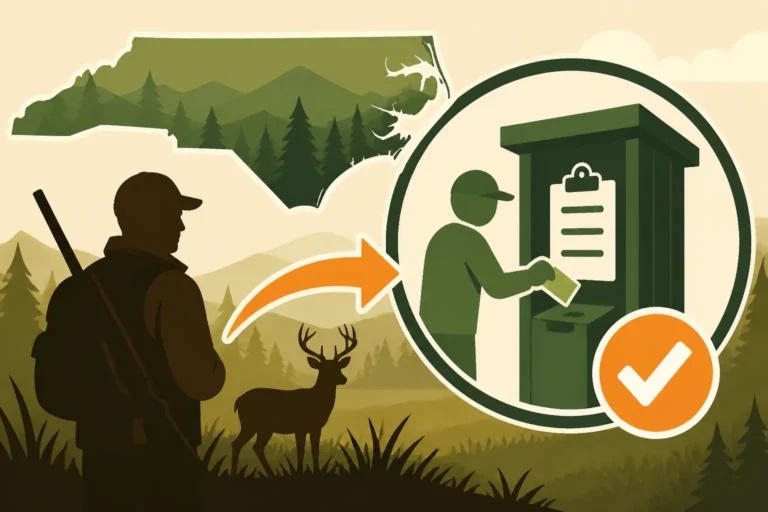
For instance, some Game Lands might be archery-only for certain periods, while others might allow modern firearms. Many Game Lands operate under a permit-hunt system, especially for deer or bear, where you have to apply and be drawn to hunt during a specific window. Others might require you to sign in and out at a designated kiosk or use an online check-in system. North Carolina Game Lands Sign-In Process Failing to understand these nuanced regulations can quickly turn a hopeful hunt into a costly citation or, worse, an unsafe situation. Always download or print the specific regulations pamphlet for your chosen Game Land directly from the NCWRC website and carry it with you. These specific rules are designed to manage wildlife populations, control hunting pressure, and ensure safety, and they are rigorously enforced.
Scouting and Pressure Considerations
Once you've narrowed down a Game Land and familiarized yourself with its specific rules, effective scouting becomes paramount. This isn't just about looking at a map; it's about interpreting what you see and then verifying it on the ground. Digital mapping tools like onX Hunt are invaluable here. You can use them to identify potential bedding areas, food sources, travel corridors, and access points. Look for natural funnels created by terrain, thick cover adjacent to open areas, and water sources. Scouting North Carolina Public Land Before Season
However, the biggest challenge on most public lands, especially during opening weekends or peak rut, is hunting pressure. Opening Weekend Crowds on North Carolina Public Land North Carolina's Game Lands can get crowded, and deer, turkeys, and bears quickly learn to avoid areas with heavy human activity. Your scouting should also focus on finding areas that are harder to reach or less obvious. That might mean walking an extra mile from the road, crossing a small creek, or navigating through a patch of thick briars. The general rule of thumb is that the further you get from easy access points, the less pressure you'll likely encounter. Look for hidden pockets of cover, secluded benches, or overlooked drainage bottoms. Pay attention to parking areas when you scout; if a spot consistently has a lot of trucks, those animals are likely already educated. Combining your digital reconnaissance with boots-on-the-ground exploration will help you discover those quiet corners where game feels safer and is more likely to be active.
Common Game Lands and What They Offer (Examples)
North Carolina's Game Lands are incredibly diverse, reflecting the state's varied geography. To give you a better idea of what you might find, let's look at some prominent examples from different regions.
Mountain Region Game Lands
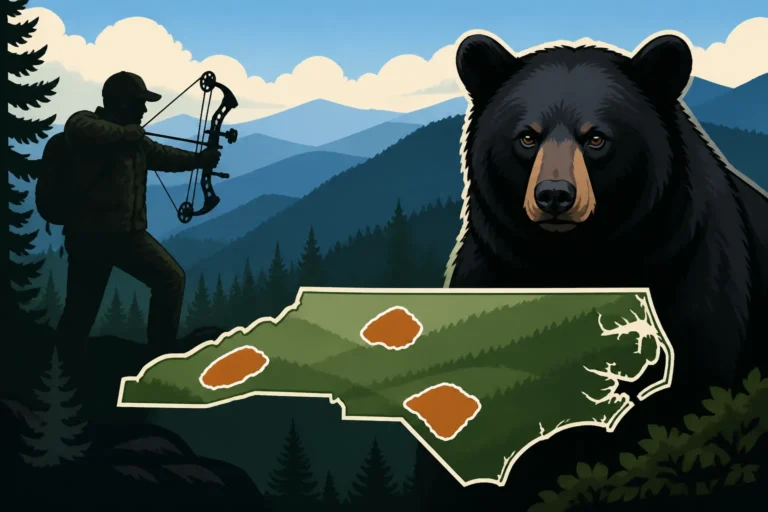
When you think of hunting in the mountains of North Carolina, the vast expanses of the Pisgah National Forest and Nantahala National Forest often come to mind. These national forests are largely designated as Game Lands, offering immense public hunting opportunities in rugged, beautiful terrain. Pisgah National Forest Hunting Here, you'll find steep slopes, dense timber, rhododendron thickets, and deep hollows. The primary big game species pursued are white-tailed deer and black bear. Bear hunting in these mountain zones can be particularly challenging and rewarding, often involving extensive hiking and understanding how bears utilize mast crops like acorns and berries.
Deer hunting often means reading contours, understanding thermals, and identifying subtle changes in elevation that create bedding areas or travel corridors. Nantahala National Forest Hunting Small game like squirrels are abundant in the hardwood ridges, and for the avid upland hunter, the Blue Ridge Escarpment areas can offer opportunities for ruffed grouse, though these birds are increasingly rare. Access can be challenging, often requiring long hikes, but the rewards can be incredible. Hunters must be prepared for variable weather, steep climbs, and the need for reliable navigation, as cell service is often non-existent in the deeper parts of these Game Lands.
Piedmont and Coastal Plain Game Lands
Moving eastward, the Piedmont region offers a mix of rolling hills, mixed forests, and agricultural lands. Game Lands here, such as the Uwharrie National Forest (which also functions as a Game Land) or the Butner-Falls of Neuse Game Land, are popular for deer and turkey hunting. Uwharrie National Forest Hunting In these areas, deer often utilize field edges, small woodlots, and creek bottoms, and turkeys can be found roosting in mature timber near open fields. The hunting experience is generally less physically demanding than the mountains but often requires more attention to subtle game sign and understanding how deer and turkeys use fragmented cover in closer proximity to human activity.
Further east, on the Coastal Plain, Game Lands like Holly Shelter, Croatan National Forest, or Pocosin Lakes National Wildlife Refuge offer a vastly different hunting landscape. Holly Shelter Game Land Access These areas are characterized by extensive pine forests, dense pocosin swamps, and wetland habitats. Black bear populations are particularly robust in the coastal pocosins, and deer thrive in the thick cover. Waterfowl hunting can be excellent in certain coastal Game Lands and refuges, drawing hunters seeking ducks and geese. Access in these areas often involves navigating muddy roads, dense undergrowth, and sometimes even boats or shallow-draft vessels for wetland areas. Hunters here need to be prepared for insects, potentially hot and humid conditions, and the unique challenge of tracking game through extremely thick cover. Each region offers its own unique charm and challenges, making North Carolina Game Lands a truly diverse public hunting opportunity.
| Feature / Tool | NCWRC Online Map | onX Hunt | GoHunt (Western Focus) |
|---|---|---|---|
| Cost | Free | Subscription (monthly/annual) | Subscription (monthly/annual) |
| Primary Focus | Official NC Regulations & Game Land Boundaries | Comprehensive Land Boundaries, Features, Scouting | Western Draw Systems, Advanced Scouting |
| Offline Maps | Limited / Reliant on connectivity | Yes, download for no service | Yes, download for no service |
| Private Land Info | Limited, generally public only | Yes, landowner names and parcels | Yes, landowner names and parcels |
| Topo Maps | Basic contours | Detailed, multiple layers | Highly detailed, 3D options |
| Aerial Imagery | Standard resolution | High-resolution, often updated | High-resolution, frequently updated |
| GPS Tracking | No integrated tracking | Yes, records movements & waypoints | Yes, records movements & waypoints |
| Notes | Essential for official rules & basic location | Indispensable for detailed scouting, navigation | Best for hunters focused on Western states; less NC-centric |
Disclaimer
This article is for general informational purposes only and does not constitute professional advice. Laws, prices and regulations vary by location and change over time. Consult a qualified professional for guidance on your specific situation.