Trapping North Carolina Feral Hogs
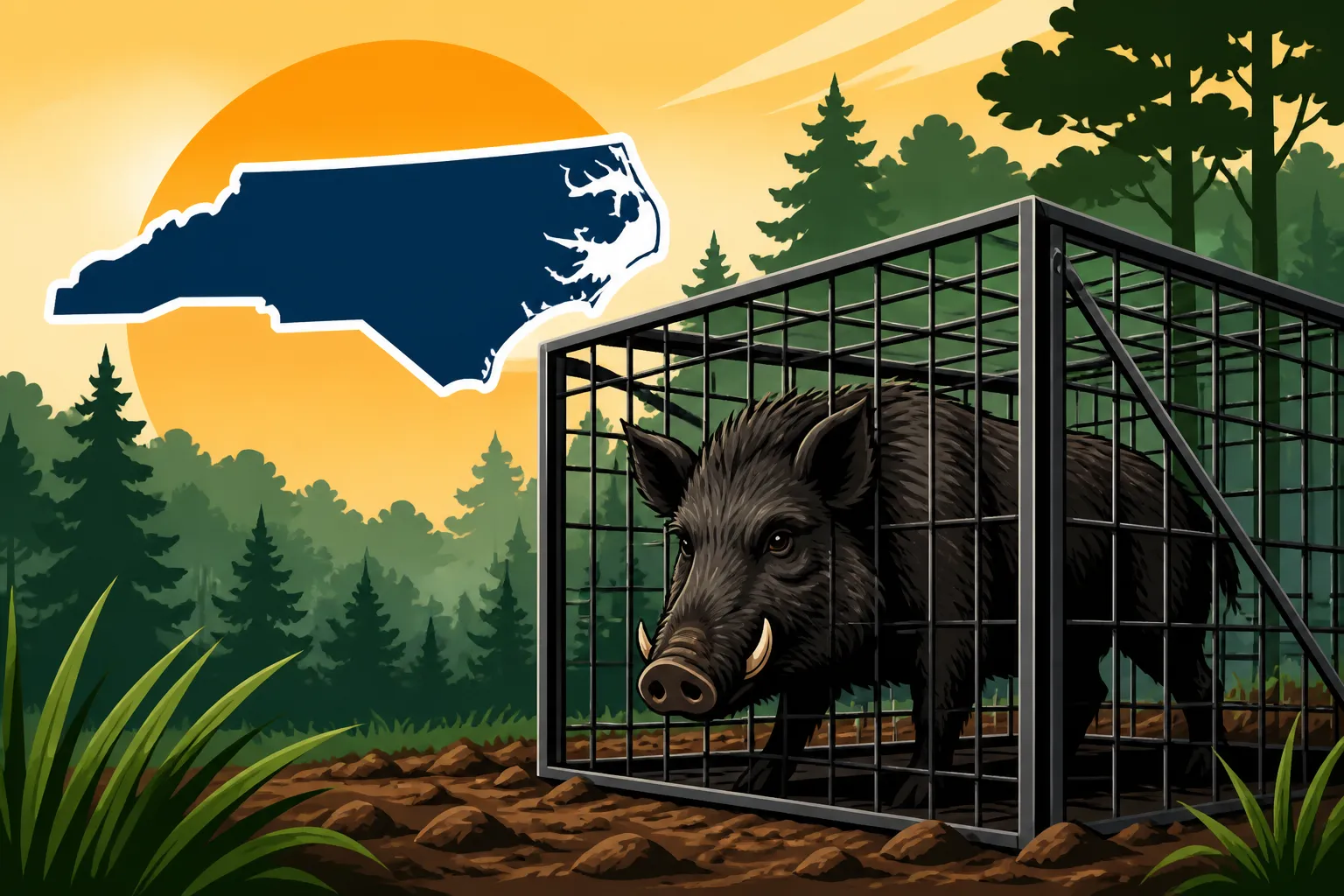
You've probably been there: you wake up to find your meticulously planted food plot ripped to shreds, your backyard garden dug up, or worse, your carefully managed farm fields looking like a war zone. Feral hogs in North Carolina are more than just a nuisance; they're an ecological and agricultural disaster on four hooves, leaving a trail of destruction wherever they roam. This guide is dedicated to helping you tackle this widespread problem head-on, focusing on trapping, one of the most effective strategies for long-term hog control.
Understanding the Feral Hog Problem in North Carolina
The frustration of dealing with feral hogs is something many North Carolina landowners and hunters know all too well. These aren't just a handful of animals; they represent a rapidly expanding population that causes immense damage and poses serious threats to native wildlife and ecosystems. If you've ever battled these intelligent, destructive animals, you understand that conventional hunting alone often feels like trying to empty the ocean with a teacup.
Why Hogs are a Nuisance Ecological and Agricultural Impact
Feral hogs are, quite frankly, wrecking balls. Their destructive rooting behavior tears up vast swathes of land, destroying agricultural crops like corn, soybeans, and peanuts, and turning lush pastures into barren dirt patches. For farmers, this isn't just an inconvenience; it can mean significant financial losses, sometimes wiping out an entire season's hard work. Beyond crops, they decimate timber saplings, preventing forest regeneration, and even disturb delicate root systems of mature trees. It's a constant battle, and the sheer scale of the damage can be demoralizing.
Ecologically, the situation is just as grim. Feral hogs compete with native wildlife, like white-tailed deer and wild turkeys, for crucial food sources, especially acorns and other mast crops. They also prey directly on the nests of ground-nesting birds, like quail and turkeys, and consume the fawns of deer, impacting recruitment rates. Their wallowing habits pollute water sources, introducing bacteria and parasites that can harm other animals and even humans. The presence of these invasive animals puts immense pressure on North Carolina's native species and the health of our natural habitats, making effective control absolutely vital for conservation efforts.
Where North Carolina Hogs are Most Prevalent Geographic Hotspots
While feral hogs are unfortunately spreading across the entire state, certain regions in North Carolina bear the brunt of their presence. The Coastal Plain, with its vast tracts of pocosin swamps, pine plantations, and agricultural fields, provides ideal habitat for hogs to thrive and multiply. Areas like Bladen, Sampson, and Duplin counties are often cited as having significant populations due to the abundant food and cover. These wetlands offer perfect hiding spots and consistent moisture, which hogs adore.
However, it's not just the coast. You'll also find substantial populations encroaching into the Piedmont, especially in counties with a mix of agriculture and dense woodlands. They can quickly establish themselves in creek bottoms and river drainages, using these corridors to expand their range. Even some mountain counties are starting to see increased activity, proving just how adaptable and pervasive these animals are. Understanding these hotspots, and recognizing the signs of their presence in your particular area, is the first step toward effective management. Knowing where they are helps you strategize your efforts, ensuring your time and resources are spent where they'll have the biggest impact.
The Case for Trapping as the Primary Control Method
When you're facing a problem like feral hogs, it's easy to feel overwhelmed. Many hunters try traditional methods like still-hunting or even deer drives on North Carolina public land, only to find the hogs are still there, seemingly multiplying overnight. That's because these methods often only pick off a few individuals, leaving the core "sounder" – the family group – intact. This is where trapping truly shines as the superior method for comprehensive control.
Why Trapping is More Effective Than Hunting Sounders and Eradication
The fundamental difference between trapping and most hunting methods lies in its ability to remove entire sounders. Feral hogs are incredibly intelligent and learn quickly. If you shoot one or two animals from a sounder, the rest often become "trap-shy" or "hunt-shy," making them extremely difficult to pursue thereafter. They'll scatter, go nocturnal, and avoid the area where they felt threatened. This means traditional hunting often only provides temporary relief, as the remaining hogs continue to breed and cause damage.
Trapping, especially with large, well-designed corral traps, allows you to capture multiple hogs at once, often the entire sounder, including the sows and piglets responsible for reproduction. This strategy is critical for true population reduction, not just temporary deterrence. When you can remove the breeding stock, you make a significant dent in their numbers, which is the ultimate goal in managing this invasive species. It requires patience and consistent effort, but the long-term results far outweigh the sporadic success of individual hunting attempts.
Legal Considerations for Trapping Feral Hogs in NC Regulations and Landowner Rights
Navigating the legal landscape for trapping feral hogs in North Carolina is relatively straightforward, but it's crucial to understand the rules to ensure you're operating within the law. The good news is that feral hogs are classified as an invasive, unregulated species in North Carolina, which means there are generally no closed seasons or bag limits on private land. This gives landowners a lot of flexibility in their control efforts. For specific regulations, always consult the North Carolina Wildlife Resources Commission (NCWRC) website. They provide the most up-to-date guidance, which can sometimes change.
However, there are still important considerations. If you're trapping on public land, specific regulations often apply, and you'll need to check with the managing agency (e.g., U.S. Forest Service, NCWRC Game Lands) for their specific rules on trapping and dispatch. On private land, you need to ensure you have clear permission from the landowner. While North Carolina's Year-Round Hog Rule on Private Land allows for continuous efforts, you must always be mindful of firearm discharge laws, property lines, and safety zones if you are dispatching animals with a firearm. Understanding your rights and responsibilities as a trapper is paramount to a successful and legal operation.
Choosing the Right Trapping System for Your Needs
Stepping into the world of hog trapping can feel a bit overwhelming with all the different gear out there. But trust me, making the right choice in your trapping system is half the battle. You wouldn't use a squirrel trap to catch a bear, and the same principle applies to feral hogs. You need something robust, reliable, and tailored to the intelligent and powerful animals you're targeting.
Types of Traps Available Corral, Box, Snare
When it comes to feral hog traps, you'll generally encounter a few main types, each with its own advantages and disadvantages.
Corral Traps: These are often considered the gold standard for large-scale hog control, especially when dealing with entire sounders. They consist of multiple panels forming a large, circular enclosure, typically 15-20 feet in diameter or larger. The key to their success is their size, which allows an entire sounder to enter comfortably before the gate is triggered. Gates can be traditional rooter gates (which hogs push to enter but can't exit) or more sophisticated guillotine or drop gates. Corral traps are highly effective for removing large numbers of hogs but require a significant upfront investment in materials and effort to set up.
Box Traps: Smaller and more portable than corral traps, box traps are usually constructed of heavy-gauge wire or cattle panels, designed to capture one to a few hogs at a time. They typically have a spring-loaded or swing-through door that triggers when a hog enters and steps on a trip plate. Box traps are easier to move and set up in various locations, making them a good choice for smaller properties or for targeting single problem hogs. However, they can become "hog-shy" more quickly, as intelligent hogs learn to avoid them after a few individuals are caught.
Snare Traps: Snares are a more controversial and often less preferred method for hog control due to their non-selective nature and potential for injury to non-target species. They consist of a wire loop set in hog trails, designed to tighten around a hog's leg or neck. While inexpensive and portable, snares require careful and legal placement to minimize incidental capture of deer, bear, or domestic animals. They also require frequent checking and can result in prolonged stress or injury to the captured animal. In North Carolina, it's critical to know the specific regulations regarding snare use, as they are not always permitted or may have strict usage guidelines depending on the area.
Here's a quick comparison of the two main types:
| Feature | Corral Trap | Box Trap |
|---|---|---|
| Capacity | Multiple hogs, entire sounders (10+ animals) | 1-3 hogs, sometimes more depending on size |
| Portability | Low (requires disassembly or specialized transport) | High (can be moved by one or two people) |
| Cost | High (significant investment in panels and gate) | Moderate (less material, often pre-built options) |
| Effectiveness | High for sounder removal, minimizes trap shyness | Moderate, hogs can become trap-shy more quickly |
| Setup Time | Long (hours to a full day for initial setup) | Short (minutes to an hour) |
| Ideal Use | Large-scale eradication, consistent hog presence | Small properties, targeting individual hogs |
Evaluating Trap Features and Technology Cellular Triggers, Remote Monitoring
The world of hog trapping isn't stuck in the stone age. Modern technology has brought incredible advancements that can dramatically increase your success rates and efficiency. One of the most impactful innovations is the use of cellular trigger systems. These systems typically integrate with a smart gate on a corral trap. Instead of relying on a physical trip mechanism (which can often lead to partial captures or missed opportunities), these systems allow you to observe hogs remotely via a camera feed.
Imagine watching a live stream from your phone, seeing an entire sounder of hogs feeding comfortably inside your trap. With a simple tap on your device, you can remotely drop the gate, securing the entire group. Brands like Jager Pro or Boar Buster offer such systems, often paired with high-quality cameras and robust gates. This means you can wait until the entire sounder is inside before committing to the capture, eliminating those frustrating "almost got 'ems." Plus, it saves you countless trips to the trap site, conserving your time and fuel.
Another valuable feature is remote monitoring. Even without a cellular trigger, many systems offer trail cameras with cellular capabilities. You can place these cameras near your trap to monitor activity, observe hog behavior, and determine the best timing for activation. This data is invaluable; you might notice a sounder consistently shows up at 2 AM, allowing you to plan your visit or remote drop accordingly. When you're using a tool like GoHunt for scouting and mapping potential trap locations, combining that intel with real-time camera data creates a powerful strategy, giving you eyes and ears on the ground even when you're miles away. These technological upgrades, while an investment, can truly transform your hog trapping success from hit-or-miss to highly efficient.
Strategic Trap Placement and Baiting Techniques
You can have the fanciest, most high-tech trap in the world, but if it's in the wrong place or not properly baited, it's just a glorified fence. Strategic placement and patient, effective baiting are the unsung heroes of successful hog trapping. It's about thinking like a hog and understanding their daily routines.
Scouting for Hog Sign and High-Traffic Areas Tracks, Rubs, Wallows
Before you even think about setting up a trap, you need to become a detective. Hogs are creatures of habit, and they leave plenty of clues about their movements. Start by thoroughly scouting your property or area of interest. Look for obvious signs like tracks – their cloven hoofprints are usually wider and rounder than deer tracks, and you'll often see the dew claws clearly. Fresh tracks in muddy areas, especially along creek bottoms or near water sources, are prime indicators of activity.
Next, keep an eye out for rubs. Hogs love to rub against trees, fence posts, or anything sturdy to remove parasites and scratch an itch. These rubs will often be muddy or show dark, oily residue at hog height, usually lower than deer rubs. Wallows are another dead giveaway: muddy depressions where hogs have rolled to cool off and coat themselves in mud. These are often found near water. Also, look for rooted-up ground, especially in softer soils or crop fields. Fresh rooting indicates current activity, while older, overgrown rooting means they were there, but might have moved on. Using a tool like GoHunt to mark all these signs on a map can help you visualize their travel patterns and pinpoint high-traffic corridors, funnel points, and bedding areas. These are the locations where your trap is most likely to intercept them as they move from bedding to feeding and watering. Remember, finding ground others walk past might be the key to success.
Effective Baiting Strategies and Pre-Baiting Fermented Corn, Attractants
Once you've identified a prime location, the next critical step is baiting, and this is where patience pays off. Hogs are naturally wary, especially of new objects in their environment. The goal of baiting is to habituate them to the trap area and get them comfortable feeding there before you even think about setting the trigger. This process is called pre-baiting.
Start by scattering a generous amount of bait outside the unset trap. Fermented corn is king for hogs; the sour smell is irresistible. You can make it by soaking shelled corn in water for a few days (the warmer it is, the faster it ferments, but don't let it mold). Some folks add a packet of yeast or a cheap sugary drink mix to boost the fermentation. Place this bait along obvious hog trails leading into the trap, and especially within the trap itself, but with the gate securely tied open. You want the hogs to walk in and out freely, associating the trap with a safe, abundant food source.
Monitor the bait frequently. When it's consistently being eaten, gradually reduce the bait scattered outside the trap, forcing them to enter the trap to get to the main pile. Continue this until the hogs are regularly entering the trap and consuming all the bait inside. This pre-baiting phase can take anywhere from a few days to a couple of weeks, depending on how wary the hogs are. Don't rush it! Only when you're confident that the entire sounder is comfortable and regularly entering the trap should you consider setting the trigger. You can also experiment with other attractants like stale pastries, discarded fruit, or even commercial hog attractants to supplement the corn, but fermented corn is usually the most cost-effective and reliable option.
Setting Up and Maintaining Your Hog Trapping Operation
Getting the trap in the right spot and properly baited is a huge step, but the work isn't over. The actual setup and ongoing maintenance of your trapping operation are crucial for sustained success. Hogs are smart, and any misstep can educate them quickly, making them incredibly difficult to catch in the future.
The Art of Trap Setting and Disguise Minimizing Human Scent, Blending In
Setting up the trap isn't just about assembling panels; it's about minimizing its alien presence in the hogs' environment. First, and perhaps most importantly, is minimizing human scent. Hogs have an incredible sense of smell, far superior to deer. Wear clean clothes, rubber boots, and gloves when handling trap components and bait. Consider spraying down your boots with a scent eliminator or even just walking through muddy areas to pick up natural scents before approaching the trap site. Some experienced trappers even recommend letting the trap sit in place for a few days to weather before baiting begins, allowing it to lose any fresh "human" smell.
Once the trap is assembled, focus on blending it in with the surrounding environment. While a large corral trap will always be noticeable, you can mitigate its stark appearance. Use natural vegetation like branches, logs, or even camouflage netting to break up its outline. Lean branches against the sides, especially near the entrance, making it feel less like a man-made cage and more like a natural part of their habitat. Ensure the gate operates smoothly and quietly. Any creaks or unexpected noises could spook a wary sounder just as they're about to commit. A well-disguised trap, combined with patient pre-baiting, will significantly increase your chances of a full sounder capture.
Regular Monitoring and Ethical Dispatch Methods Safety and Efficiency
Once your trap is set and baited, regular monitoring is non-negotiable. This is where those cellular camera systems truly shine, allowing you to observe activity remotely without disturbing the site. If you're using traditional cameras, check them frequently, but discreetly. The goal is to minimize your presence at the trap site, especially during the pre-baiting phase. Once the trap is active, daily checks are critical to ensure humane treatment of any captured animals and to quickly address any issues. Trapped hogs can become stressed, and leaving them for extended periods is unethical and potentially dangerous.
When it comes to ethical dispatch, safety and efficiency are paramount. The most humane method is typically a quick, well-placed shot to the head. A firearm is generally the most effective tool for this. A small caliber rifle, like a .22LR, or a handgun, is often sufficient at close range within the trap, but always consider projectile containment and safety. Ensure you have a clear, safe backdrop and that no one else is in the vicinity. For multiple hogs, dispatching one at a time calmly and efficiently helps manage the situation. Before you pull the trigger, ensure you are fully aware of any local ordinances regarding firearm discharge, especially if you're on a property near residential areas. After dispatch, you'll need a plan for carcass removal and disposal, which could involve field dressing the animal for meat if desired, or proper burial/disposal according to local regulations. Remember to promptly report your harvest, as required by North Carolina Deer Reporting Requirements for deer, although specific hog reporting might vary.
Troubleshooting Common Trapping Challenges and Maximizing Success
Even the most seasoned trappers run into challenges. Feral hogs are smart, adaptable, and constantly learning. It's rare that a trap works perfectly the first time, every time. Expect to encounter issues, and be ready to adjust your strategy. It’s all part of the game of outsmarting these intelligent animals.
Dealing with Trap-Shy Hogs and Educated Sounders Adjusting Tactics
One of the most frustrating scenarios is encountering "trap-shy" hogs or an "educated sounder." This usually happens when a hog has had a negative experience with a trap—maybe a gate dropped too early, catching only a few, or they've seen a trap spring. These hogs become incredibly wary, often approaching the trap perimeter but refusing to enter. They might even try to dig under the trap.
If you suspect you have trap-shy hogs, the first step is to reset the clock. Unset the trap completely, tie the gate wide open, and go back to an extended pre-baiting phase, perhaps even longer than before. You need to rebuild their trust. Experiment with different bait types; while fermented corn is great, sometimes a novel food source can pique their interest. Consider adding a strong, long-lasting attractant like an aniseseed oil or a commercial hog attractant outside the trap to draw them in initially.
Another tactic is to change the trap's appearance or location. If your box trap is failing, perhaps a larger corral trap is needed. If a corral trap isn't working, consider moving it to a completely different, high-activity location identified through your Scouting North Carolina Public Land Before Season efforts or by using your GoHunt app to find new travel corridors. Sometimes, a change of scenery and a fresh start are all it takes. Also, examine your trap for any minor issues: a squeaky hinge, a gate that doesn't drop cleanly, or an obvious trip wire that's spooking them. Hogs notice these details. Patience and adaptability are your greatest allies when dealing with educated hogs.
Long-Term Hog Management Beyond a Single Trapping Event Sustained Efforts
Trapping a sounder is a victory, but it's rarely a one-and-done solution. Feral hog management is a continuous battle, and true success comes from sustained, long-term effort. Hogs are prolific breeders, and new sounders can move into an area relatively quickly, especially in high-density regions. Even after a successful trapping event, it's crucial to remain vigilant.
Keep monitoring your property for new hog sign. Even if you've cleared out a sounder, isolated individuals or smaller groups might still be present, or new hogs could migrate from adjacent properties. Continue to scout regularly, watching for fresh rooting or tracks. Re-establish bait stations, not necessarily with a trap, but just to monitor activity. This will give you an early warning if hogs return. Consider rotating your trapping efforts across different parts of your property throughout the year, focusing on areas with fresh activity.
Collaborating with neighbors is also a powerful long-term strategy. Hogs don't respect property lines, and a comprehensive approach across multiple landholdings can yield far better results than individual efforts. Education is also key; understanding How Wild Hogs Spread Across North Carolina and their reproductive rates will reinforce the need for ongoing vigilance. Remember, reducing the hog population is an ongoing commitment to protecting North Carolina's natural resources and agricultural interests, and your consistent efforts are what truly make a difference.
Disclaimer
Hunting and trapping regulations can change frequently. Always consult the latest North Carolina Wildlife Resources Commission (NCWRC) regulations and local ordinances before engaging in any hunting or trapping activities. Safety should always be your top priority.