Hunting the Coastal Bear Pocosins
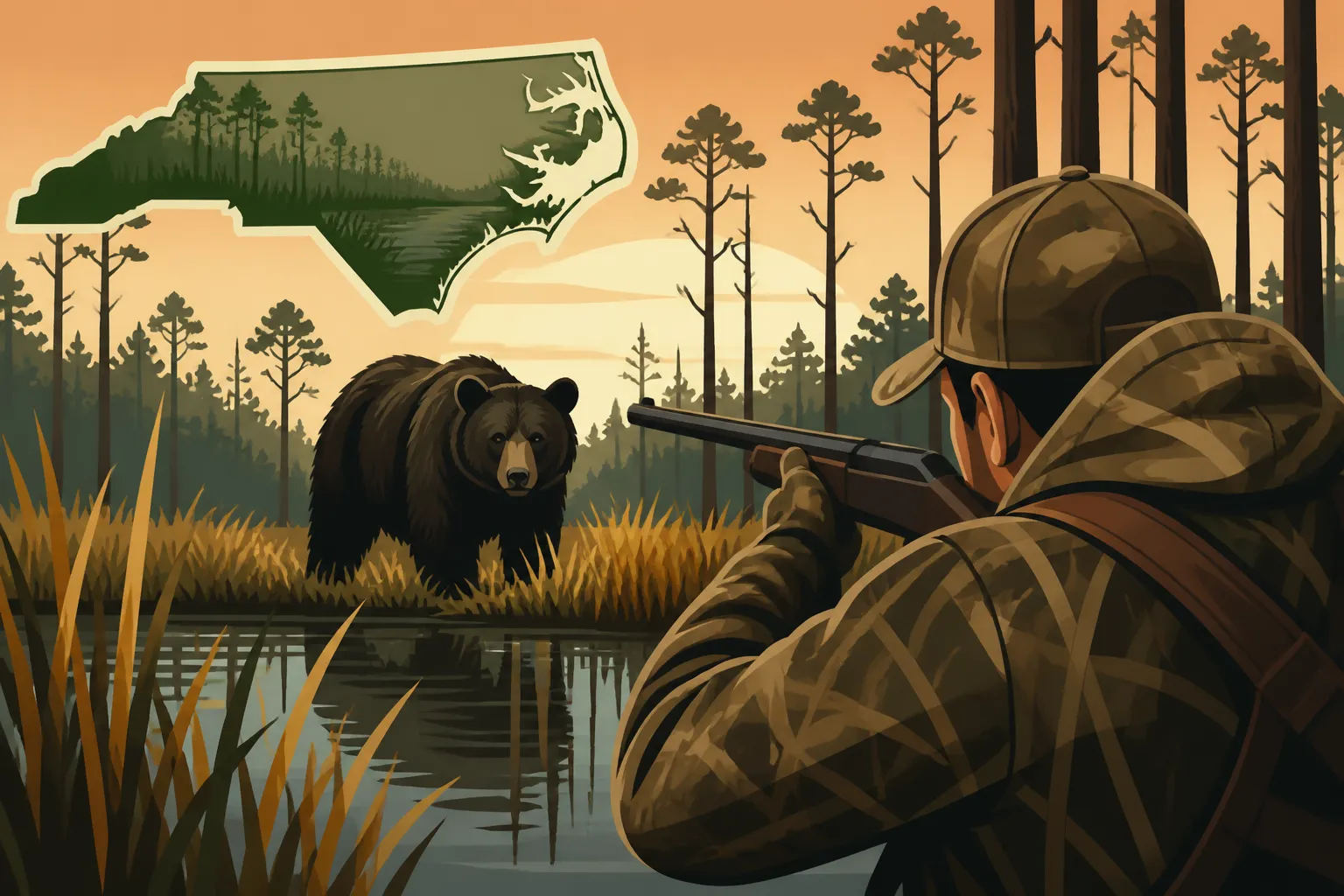
The dense, tangled pocosins of North Carolina's coastal plain present a unique and formidable challenge for bear hunters. It's not just the thick undergrowth and seemingly endless swamps that test your resolve; it's the oppressive humidity, the constant battle with biting insects, and the sheer difficulty of navigating terrain that feels like it's actively trying to swallow you whole. This guide dives deep into the realities of hunting these incredible coastal bears, offering practical advice and strategies to help you navigate the challenging environment and increase your odds of success in some of the state's most unforgiving landscapes.
Understanding the Pocosin Environment
Before you even think about setting foot in a pocosin with a rifle, it's crucial to understand what you're up against. These aren't your typical hardwoods; pocosins are a world unto themselves, and they demand a different kind of preparation and respect.
What Makes Pocosins Unique for Bear Habitat
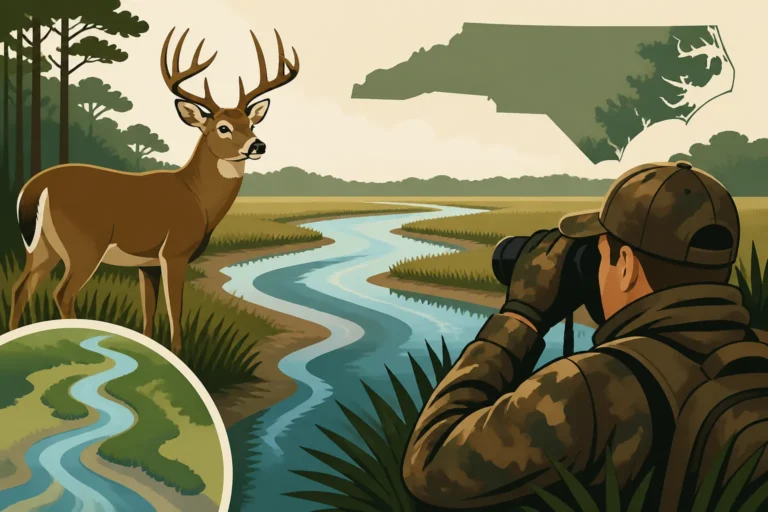
Pocosins, derived from an Algonquin word meaning "swamp-on-a-hill," are truly fascinating ecosystems. They're typically elevated, poorly drained areas with acidic, nutrient-poor soils that support an incredibly dense growth of evergreen shrubs and trees. Think of a labyrinth of gallberry, titi, bay, and cypress, often interspersed with dense canebrakes and seemingly impenetrable tangles of briars. This dense cover provides an ideal sanctuary for North Carolina's black bear population, offering them security from disturbance, ample bedding areas, and a surprising array of food sources like berries, nuts, and insects throughout the year. The sheer isolation and inaccessibility of these areas mean bears can often grow to impressive sizes, largely undisturbed by human activity. However, what makes it great for bears makes it incredibly tough for hunters. The ground beneath your feet might be solid one moment and a knee-deep bog the next, making every step a calculated risk.
Seasonal Changes and Their Impact on Bear Behavior
The coastal pocosins don't just sit static; they're constantly changing with the seasons, and so is the behavior of the bears that call them home. In the late summer and early fall, as bear season approaches, the pocosins can be incredibly productive. Bears are actively feeding on a variety of mast crops, from wild grapes to various berries, putting on fat reserves for the winter. This is when you might find them venturing closer to pocosin edges, especially near agricultural fields, if available. During the cooler, drier months of late fall and early winter, the water levels in some pocosins might drop, making certain areas marginally more accessible. However, the bears are also transitioning their diet, focusing more on acorns and other hard mast when available, and their movements can become more unpredictable. Understanding these shifts is key. For example, a prime feeding area in September might be completely devoid of activity by December, forcing you to constantly adapt your strategy and search for fresh sign in different areas.
Scouting and Preparation for Pocosin Hunts
Hunting pocosins successfully isn't just about showing up with a gun; it's about meticulous planning and a deep understanding of the terrain before the season even begins.
Pre-Season Reconnaissance and E-Scouting
Given the difficulty of physical access, pre-season reconnaissance for coastal pocosins often starts long before you ever step foot in the woods. This is where modern technology really shines. Satellite imagery and topographic maps, easily accessible through platforms like GoHunt, become your best friends. Look for subtle variations in terrain, slightly higher ground, natural funnels formed by water or dense vegetation, and the edges where pocosins meet more open pine timber or agricultural fields. These "soft edges" are often prime travel corridors for bears moving between food sources and bedding areas. Identify potential entry and exit points, paying close attention to old logging roads or drainage ditches that might offer slightly easier passage. Remember, even a small, seemingly insignificant change in elevation in a pocosin can be a highway for a bear. When you finally get boots on the ground, focus on validating these potential hot spots, looking for tracks, scat, and rubbed trees. For more detailed information, consider Scouting North Carolina Public Land Before Season to maximize your pre-hunt efforts.
Navigating the Dense Terrain and Water Features
Once you're actually in the pocosin, navigation becomes a whole different ballgame. The dense vegetation often makes traditional compass and map reading challenging, as visibility can be extremely limited. A reliable GPS unit or a robust mapping app on your phone with downloaded offline maps is non-negotiable. Mark your entry point, your truck, and any key landmarks. Pay close attention to your route, looking for unique trees, changes in vegetation, or distinctive features that can help you backtrack if necessary. Water is another huge factor. Expect to encounter standing water, flooded timber, and boggy areas. High-quality, snake-proof rubber boots are absolutely essential for keeping your feet dry and protected. You might even consider waders for truly deep crossings. Always assume the worst when it comes to water depth and ground stability; a seemingly firm patch of ground can give way quickly. Navigating these environments effectively is a skill that improves with experience, but proper gear and redundant navigation tools are your foundation. If you're struggling with swampy conditions, tips from Dragging a Deer Out of a Coastal Swamp can offer valuable insights into handling heavy game extraction in similar environments.
Tactics for Bear Hunting in Pocosins
Pocosin bears are smart, wary, and often only reveal themselves for fleeting moments. Your tactics need to be as adaptable and patient as the environment itself.
Still-Hunting the Pocosin Edges and Islands
Still-hunting in the deepest parts of a pocosin is often an exercise in futility due to the noise you'll make and the limited visibility. Instead, focus your efforts on the edges and "islands" of higher ground within the pocosin. Bears often use these slightly drier areas for bedding and as staging points before moving into more open areas to feed. Slowly, methodically work your way along the transition zones where the dense pocosin meets pine plantations, cut-overs, or agricultural fields. Move with extreme caution, taking one or two steps, then stopping to scan and listen for several minutes. The wind is your absolute master here; always hunt into it, or with a crosswind that carries your scent away from where you expect bears to be. Your senses need to be fully engaged – listening for the subtle crunch of leaves, the snap of a twig, or the rustle of undergrowth that might betray a bear's presence. Remember, in this thick cover, a shot opportunity might only last a second or two, so be ready.
Utilizing Drives and Dog Hunting in Legal Zones
In some North Carolina coastal bear zones, utilizing dogs for bear drives is a deeply rooted tradition and often the most effective method for extracting bears from these dense pocosins. If you're part of a dog hunting club, communication and coordination are paramount. Drivers will push through sections of the pocosin, attempting to jump a bear and get the dogs on its trail. Standers, positioned on pre-determined escape routes, roads, or natural funnels, will then wait for the bear to come out. This requires an intimate knowledge of the local bear movements and escape patterns. For those not involved with dog hunting, small, quiet drives can still be effective, especially on private lands or smaller public tracts. A few hunters can slowly push through a section, while others post on known escape routes. The key is to keep the pace slow and deliberate, allowing bears to move naturally rather than bursting out in a panic. It’s also crucial to be aware of North Carolina Bear Dog and Bait Rules if considering this method.
Understanding Bear Movement Patterns and Food Sources
Pocosin bears are creatures of habit, but their habits are largely dictated by the availability of food and the need for security. Beyond the general seasonal shifts, understanding specific local food sources is critical. Are there wild persimmons along the edge of the pocosin? Are there large patches of gallberries or blueberries? Did a specific section of pocosin have a good mast crop of swamp chestnut oaks or water oaks that bore acorns this year? Bears will concentrate their efforts where food is most abundant. Trail cameras can be invaluable tools here, deployed on trails leading into or out of these areas, or on specific food sources. Pay attention to the angle of the sun and time of day in relation to these food sources. Bears might feed in open areas during low light and retreat to the thickest cover during the heat of the day. The more you learn about a specific bear's daily or seasonal routine, the better you can position yourself for an encounter.
Essential Gear and Clothing for Pocosin Hunts
Your gear choices can literally make or break a pocosin bear hunt. Comfort, durability, and safety are paramount in this unforgiving environment.
Footwear and Outerwear for Wet and Thick Conditions
Starting from the ground up, your footwear is arguably the most important piece of gear. Forget your lightweight hiking boots; you need serious protection. Snake-proof rubber boots, like those offered by LaCrosse or Muck Boot Company, are the gold standard for coastal pocosin hunting. Look for models with good traction for slick mud and wet logs, and sufficient height to handle deep water crossings. Your outerwear needs to be equally robust. Layers are key for dealing with the unpredictable North Carolina weather, which can swing from chilly mornings to hot, humid afternoons, even in late fall. A waterproof, breathable outer shell is non-negotiable to protect against rain, dew, and the constant brushing against wet vegetation. Consider thorn-proof briar pants or chaps to protect your legs from the relentless briars and thick undergrowth that will try to shred your clothing. For more specific insights on boots, check out Rubber Boots for Swamp Walking.
Navigation, Communication, and Safety Equipment
Getting lost in a vast pocosin is not just an inconvenience; it can be life-threatening. A robust GPS unit is essential, and a reliable mapping app on your phone (like the one GoHunt provides, with offline map capabilities) should serve as your backup. Carry extra batteries or a portable power bank for your electronic devices. Whistles are great for signaling if you get separated from hunting partners. A small, but comprehensive, first-aid kit should always be in your pack, including essentials for cuts, scrapes, insect bites, and snakebite treatment (though the best treatment is prevention and immediate medical attention). Don't forget ample water and high-energy snacks; you'll be burning a lot of calories just walking through the dense cover. Blaze orange requirements are still in effect for still-hunting during gun seasons, so make sure you're highly visible. For those curious about specific rules, refer to North Carolina Blaze Orange Requirements.
Table: Key Gear Considerations for Pocosin Bear Hunting
| Category | Essential Items | Specific Considerations for Pocosins |
|---|---|---|
| Footwear | Snake-proof rubber boots | Tall shaft (16"+), aggressive tread, comfortable for long walks |
| Outerwear | Layered clothing, waterproof/breathable outer shell | Briar-proof pants/chaps, quiet materials, blaze orange/pink |
| Navigation | GPS unit, smartphone with offline maps | Extra batteries/power bank, compass (backup), marked entry points |
| Communication | Two-way radio, fully charged phone | Whistle, pre-arranged check-in times with partners |
| Safety | First-aid kit, insect repellent, headlamp | Snakebite kit, hydration system (water bladder/bottles), fire starter |
| Optics | Binoculars (8x-10x), rangefinder | Compact, durable, good low-light performance, fog-proof |
| Weapon | Rifle (.30 caliber+), slugs/buckshot | Durable sling, weather-resistant finish, adequate stopping power |
| Accessories | Hunting pack, game bags, knife, flagging tape | Waterproof pack liner, bright flagging tape for tracking, robust knife |
Post-Harvest Considerations in Pocosins
Getting a bear down in a pocosin is a huge accomplishment, but the real work often begins after the shot. Recovering and processing a large animal in this environment presents its own set of challenges.
Tracking and Recovery in Thick Cover
Tracking a wounded bear through a pocosin can be a nightmare. Even a well-hit bear can travel an astonishing distance, and the dense vegetation makes finding a blood trail incredibly difficult. Before you even move, mark your shot location precisely. Take note of the bear's direction of travel and any landmarks. Give the bear time, especially if it's a marginal hit. When you begin tracking, move slowly and deliberately, looking for overturned leaves, broken branches, or specks of blood on low-hanging vegetation. If the trail is sparse, spread out and create a grid pattern to search. Bright flagging tape can be invaluable for marking the last sign you found and your search path, preventing you from getting disoriented or losing your starting point. Remember that even if you find what looks like a good blood trail, the bear could still be alive and dangerous in the thick cover. Proceed with caution and have your weapon ready. Retrieving any big game from deep in the coastal swamps requires tenacity, and a resource like Recovering a Deer From a Coastal Swamp might offer additional recovery methods applicable to bears.
Field Dressing and Meat Care in Warm Conditions
North Carolina's coastal bear season can often mean warm temperatures, even into the late fall. This puts immense pressure on hunters to field dress and cool the meat as quickly as possible to prevent spoilage. Once you've recovered your bear, prioritize gutting it immediately. This helps cool the carcass from the inside out. Consider quartering the bear in the field, especially if you're deep in the pocosin. This makes extraction significantly easier than trying to drag a whole bear, which can easily weigh several hundred pounds, through thick mud and tangled briars. Have strong game bags to protect the meat from dirt and insects, and pack it out in sections. Dry ice or frozen water bottles in your cooler can help cool the meat down rapidly once you get it back to your vehicle or camp. Proper meat care is not just about preserving your harvest; it's a matter of respect for the animal and ensuring you have quality wild game for your table. Don't forget that North Carolina Bear Checking Requirements mandate reporting your harvest promptly.
Safety and Ethical Considerations
Hunting in coastal pocosins demands an extra layer of awareness regarding safety and ethical conduct. These environments are unforgiving, and the decisions you make can have significant consequences.
Wildlife Encounters and Environmental Hazards
Beyond bears, pocosins are home to a host of other wildlife, some of which can pose a threat. Eastern diamondback rattlesnakes and cottonmouths are prevalent in these wet, marshy areas, and stepping on one unnoticed can ruin your hunt, or worse. Always watch where you step, and wear your snake boots diligently. Alligators are also present in many coastal plain waterways and can be a concern, especially when retrieving game from the water. Be aware of your surroundings, listen for sounds, and always maintain vigilance. Beyond wildlife, the environmental hazards are constant: getting stuck in mud, falling into unseen holes, dehydration from the humidity, and hypothermia if you get wet and the temperature drops. Always hunt with a buddy, or at least let someone know your exact hunting plans and expected return time.
Respectful Hunting Practices and Regulations
As with all hunting, ethical conduct is paramount. This includes taking clean, humane shots, doing everything in your power to recover wounded animals, and respecting the land and other hunters. Understand and adhere to all North Carolina hunting regulations, especially those specific to the bear zones you are hunting in. These can vary, particularly concerning methods like baiting or using dogs. For example, some areas within the coastal bear zones might have specific rules for Hunting the Coastal Bear Pocosins that differ from other regions. Pack out everything you pack in, and leave no trace of your presence. Remember that public land is a shared resource, and private land access is a privilege. Operating with a strong ethical compass not only ensures a positive hunting experience for you but also contributes to the positive public perception of hunters and the future of our hunting heritage.
Disclaimer
Please note: Hunting regulations and conditions can change rapidly. Always consult the official North Carolina Wildlife Resources Commission (NCWRC) regulations guide for the most up-to-date information before planning any hunting trip. Safety should always be your top priority in the field.