Rubber Boots for Swamp Walking
If you’ve spent any time hunting the low country of North Carolina, you know the struggle: that sinking feeling as your regular hunting boots fill with cold, murky water, or the dreaded squelch as you pull your foot from deep, smelly mud. Our state's swamps and pocosins are incredible habitats for deer, bear, and hogs, but they demand a specific kind of footwear. This guide is all about equipping you with the knowledge to pick the perfect pair of rubber boots, ensuring your feet stay dry, comfortable, and ready for whatever the North Carolina wilderness throws at you.
Why Rubber Boots Are a Non-Negotiable for North Carolina Swamps
Let's face it, hunting in North Carolina often means getting wet and muddy, especially if you venture off the beaten path into our coastal plains, river bottoms, or the true swamp country. Regular leather or synthetic hiking boots just don't cut it when you're wading through standing water or trying to navigate the thick, mucky terrain that defines so much of our prime hunting habitat. Rubber boots aren't just a convenience; they're an absolute necessity for staying dry, safe, and effective in these challenging environments.
The Unique Challenges of Coastal Plain Swamps and Pocosins
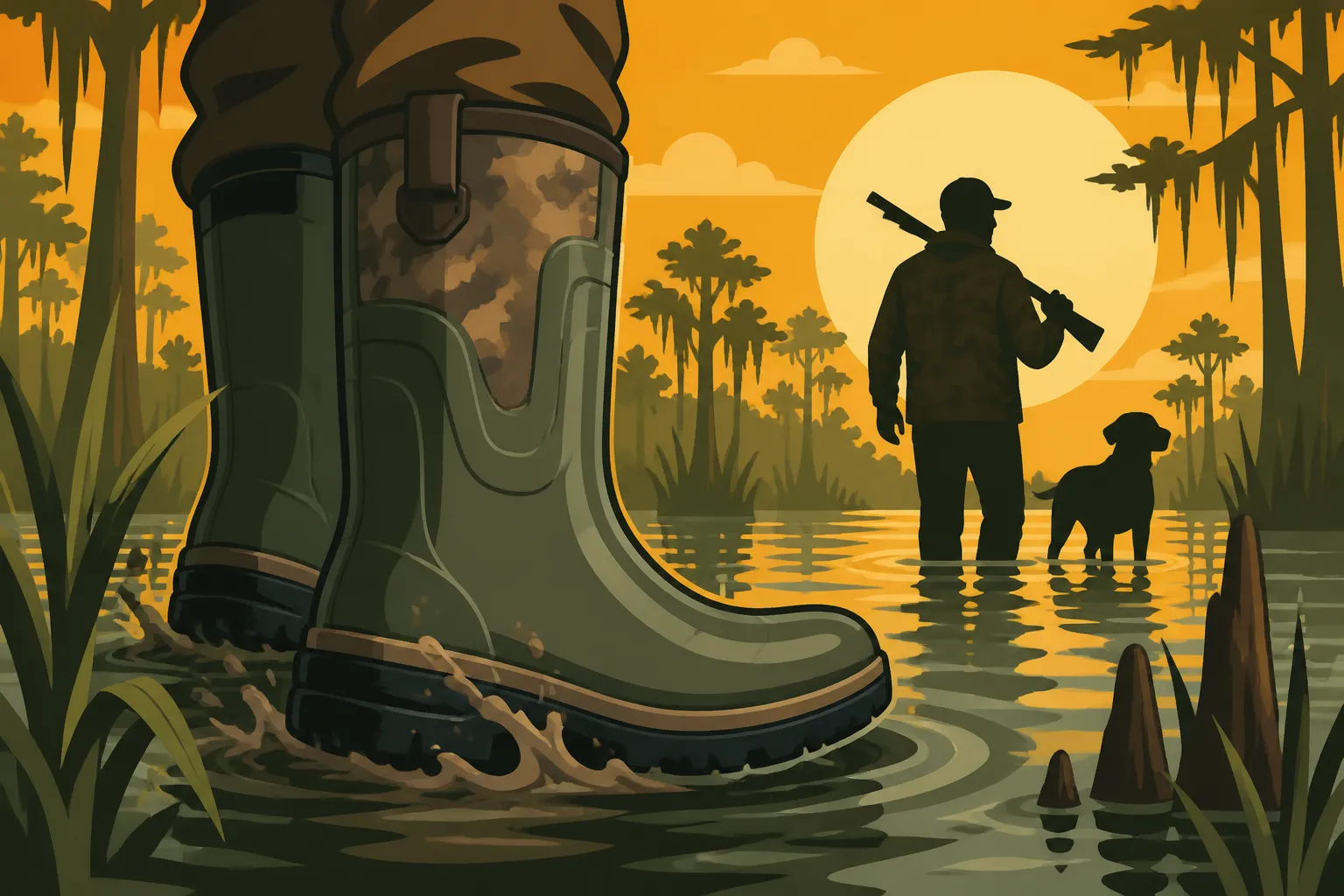
North Carolina's coastal plain, with its vast tracts of pocosin swamps and bottomland hardwoods, presents some of the most unique and demanding terrain for hunters. Imagine stepping into what looks like firm ground, only for your foot to sink knee-deep into thick, viscous mud that threatens to suction your boot right off. Or wading through seemingly shallow water that suddenly drops off into a hidden gully, leaving you soaked to the waist. These aren't just minor inconveniences; they can ruin a hunt, lead to discomfort, and even pose a safety risk.
Beyond the obvious water and mud, these environments are often littered with hidden obstacles. Submerged roots, slick cypress knees, and unseen logs can trip you up or cause an unexpected fall. The dense undergrowth of a pocosin can conceal sharp branches or even venomous snakes, making robust foot and leg protection paramount. When you're Hunting Coastal Plain Pocosin Swamps or trying to drag a deer out of a particularly dense river bottom, the right boots are the foundation of a successful and tolerable experience. The ability to push through water and mud without a second thought allows you to access areas that other hunters avoid, often where the biggest game is hiding.
Protecting Your Feet from Water, Muck, and Critters
The primary, undeniable benefit of rubber boots is their imperviousness to water. This might seem obvious, but the importance of dry feet on a long hunt cannot be overstated. Cold, wet feet are not only miserable, but they can quickly lead to blisters, trench foot, and even hypothermia in cooler weather. When you're trying to stay still on a stand or stealthily still-hunt a pocosin edge, the distraction of squishy, cold feet is the last thing you need. Good rubber boots keep the outside out, maintaining a comfortable microclimate for your feet.
Beyond just water, rubber boots offer protection from the sheer mess of swamp hunting. The sticky, smelly muck of a cypress swamp or beaver pond can cling to everything. Rubber boots are far easier to clean than fabric boots, preventing them from becoming a breeding ground for bacteria and odors, which is crucial for scent control when hunting wary whitetails or keen-nosed bears. Furthermore, the thick rubber construction provides a barrier against thorns, briars, and potential snakebites, giving you peace of mind when pushing through dense cover where critters lurk. This added layer of defense can be particularly reassuring when you're focused on Recovering a Deer From a Coastal Swamp or traversing areas known for their resident reptile populations.
Key Features to Look For in Your Swamp Boots
Choosing the right rubber boots for North Carolina's varied swamp conditions isn't as simple as grabbing the cheapest pair on the shelf. There's a surprising amount of technology and design that goes into making a boot truly effective and comfortable for long days in the muck. You're looking for a balance of durability, traction, fit, and appropriate insulation for the season.
Material and Construction: Beyond Basic Rubber
While we call them "rubber boots," many modern options blend traditional vulcanized rubber with advanced materials like neoprene. Traditional vulcanized rubber boots are incredibly durable and completely waterproof. They offer excellent puncture resistance, which is a huge plus when you're pushing through thick briar patches or over sharp, submerged stumps. However, pure rubber can be less flexible and heavier than blended options, and it offers no insulation, making your feet feel cold in winter or incredibly hot and sweaty in early season if not managed properly.
Neoprene-lined rubber boots, on the other hand, provide a fantastic combination of flexibility, comfort, and insulation. Neoprene is the same material used in wetsuits, meaning it retains warmth even when wet (though the outer rubber keeps water out). This makes them ideal for cooler weather hunting, say, during the late gun season when you might still be slogging through icy water. The thickness of the neoprene lining, typically measured in millimeters (e.g., 3mm, 5mm, 7mm), dictates the level of warmth. For warm early season hunts when you're Hunting the August 22 Special Season Weekend, less or no insulation is key to prevent overheating and excessive sweating. For late season, however, a 5mm or 7mm neoprene boot can be a game-changer for keeping your toes toasty during a cold sit in a flooded timber stand.
Traction and Sole Design for Slippery Conditions
The sole of your rubber boot is arguably as critical as its waterproof construction, especially when traversing the treacherous, uneven terrain of a North Carolina swamp. You're not just walking on flat ground; you're navigating slick mud, algae-covered rocks, wet roots, submerged logs, and often steep, muddy banks. A poor sole design will have you slipping and sliding, wasting energy, making noise, and increasing your risk of injury.
Look for soles with aggressive, multi-directional lug patterns. These deep lugs are designed to dig into soft earth, providing purchase where other boots would merely slide. Spacing between the lugs is also important; widely spaced lugs are often self-cleaning, meaning mud and debris don't get caked in, allowing the boot to maintain traction with every step. Some boots feature specialized designs for different conditions, like extra-wide lugs for deep mud or a softer rubber compound for better grip on slick, wet surfaces. A strong heel brake can also be invaluable for descending muddy slopes or gripping while walking over submerged branches. When you're navigating the slick, mossy conditions often found around beaver ponds or Hunting a Funnel Between Two Pocosins, superior traction can mean the difference between a silent approach and a clumsy, game-spooking tumble.
Fit, Comfort, and Support for Long Hauls
Even the most waterproof and rugged boot is useless if it's uncomfortable or doesn't fit correctly. Swamp hunting often involves long walks, sometimes covering miles through difficult terrain, before you even reach your stand or start your still-hunt. Blisters, chafing, and general foot fatigue can quickly end a hunt or make you regret ever leaving the truck. The right fit is paramount.
When trying on rubber boots, always wear the type of socks you'd actually hunt in – thin moisture-wicking socks for warm weather, or thick wool socks for colder conditions. There should be enough room for your toes to wiggle, but not so much that your foot slides around inside the boot, which causes friction and blisters. Pay attention to the ankle and arch support. While rubber boots aren't known for their extreme support like hiking boots, good designs will offer some structure to prevent excessive foot fatigue. Finally, consider the shaft height. Knee-high boots (typically 15-18 inches) are a good all-around choice for most North Carolina swamps, offering protection from deeper water without being overly cumbersome. However, if you know you'll be wading through genuinely deep water, chest waders or hip waders might be necessary in addition to or instead of your boots. Brands like LaCrosse and Muck Boot Company are often favored by serious hunters for their attention to fit and comfort in demanding environments.
Practical Tips for Maximizing Your Rubber Boot Performance
Having the right pair of rubber boots is only half the battle; knowing how to care for them and optimize their performance will significantly extend their lifespan and enhance your hunting experience. These practical tips can turn a good pair of boots into great hunting companions season after season.
Scent Control and Maintenance
Scent control is a cornerstone of successful hunting, particularly for deer and bear in North Carolina. Your rubber boots, being in constant contact with the ground and often picking up human odors from handling, can quickly become a major scent contaminant if not properly managed. The synthetic materials in rubber boots tend to absorb and hold odors, especially sweat and other human smells.
After each hunt, especially if you've been slogging through mud and water, thoroughly wash the outside of your boots with an odor-neutralizing soap and water. Pay special attention to the soles, as caked-on mud can carry human scent or disrupt your natural walking gait. Allow them to air dry completely in a well-ventilated area, preferably outdoors, away from any household odors like laundry detergent or pet smells. Storing them in a scent-free bag or tote between hunts, especially if you're keeping them in your vehicle or garage, can make a real difference. For an extra edge, some hunters spray the inside and outside with a scent-eliminating spray before heading out. Remember, deer and bear have incredible noses, and a fresh boot full of human scent can blow your chances before you even get to your stand. Keeping your boots clean also preserves the rubber, preventing it from drying out and cracking prematurely, which is a common failure point for neglected rubber footwear.
Layering Socks and Managing Temperature
One of the biggest complaints about rubber boots is that they can make your feet either too cold or too hot, leading to discomfort. The key to combating this is proper sock layering, which allows you to regulate temperature and manage moisture effectively. For colder weather, like late season hunts in the mountains or a chilly morning sit during Hunting Into the January First Close, a thin, moisture-wicking liner sock worn directly against your skin, followed by a thicker wool or synthetic blend outer sock, works wonders. The liner sock pulls sweat away from your foot, while the outer sock provides insulation and cushioning. Wool is an excellent choice because it retains its insulating properties even when damp.
In warmer conditions, such as early archery season when temperatures can still be quite high, you might opt for just a single pair of thin, moisture-wicking socks. The goal here is to keep your feet as dry as possible to prevent blisters and overheating. Avoid cotton socks at all costs, as cotton absorbs moisture and holds it against your skin, making your feet feel clammy and cold, or just plain swampy. It’s a good idea to pack an extra pair of dry socks in your pack, especially if you anticipate getting thoroughly wet. A fresh pair of socks can feel like a luxury after hours of trudging through wet terrain. Many hunters find that this attention to detail, often overlooked, is as important as the boots themselves in terms of overall comfort and endurance.
Navigating Different Swamp Terrains
Walking through North Carolina's swamps isn't like strolling down a paved trail. It requires a specific gait and awareness to stay upright, minimize noise, and avoid sinking into unexpected hazards. Proper technique, combined with your well-chosen rubber boots, will make these challenging environments far more manageable. When you're using a tool like GoHunt to scout and identify likely travel corridors through a wet bottomland, you can anticipate the terrain.
When encountering deep mud, try to walk with a deliberate, flat-footed step rather than a long stride. This distributes your weight more evenly and reduces the suction effect that can pull your boot off. If the mud is particularly deep, using a walking stick or shooting sticks for balance can be a lifesaver, allowing you to probe the ground ahead and maintain stability. For areas with standing water, slow your pace and observe the surface for ripples or slight changes in color that might indicate depth changes or submerged obstacles. If you're unsure of the depth, probe with your stick first. When crossing submerged logs or slick roots, try to step squarely on them rather than letting your foot slide off. Your aggressive lug pattern will do its best, but conscious foot placement is always better. For steep, muddy banks, angle your body slightly, dig your heels into the bank, and use any available handholds for support. Moving deliberately and avoiding rushed steps will not only keep you safer but also help you remain stealthy. Whether you are walking through the mucky terrain in search of a prime spot for Treestand Setups in Pisgah National Forest or simply trying to get to a stand without making too much noise, mindful navigation is key.
| Feature | Description | Ideal NC Swamp Condition | Considerations |
|---|---|---|---|
| Material | Vulcanized rubber, Neoprene/Rubber blend | Pure rubber for maximum puncture resistance; Neoprene blend for insulation and flexibility | Neoprene thickness (3mm-7mm) for temperature; flexibility for walking comfort. |
| Sole Type | Aggressive, multi-directional lugs; self-cleaning | Deep mud, slick roots, submerged logs, steep banks | Wide spacing for mud shedding; specific patterns for rock grip; strong heel brake. |
| Height | Mid-calf to Knee-high (12-18 inches) | Varies based on anticipated water depth | Knee-high (15-18") is versatile; consider hip/chest waders for consistently deep water. |
| Insulation | Uninsulated, 3mm, 5mm, 7mm neoprene lining | Uninsulated for warm early season; 5-7mm for cold late season | Balance warmth with breathability to avoid sweating; layer socks appropriately. |
| Fit & Comfort | Snug at ankle, roomy toe box; decent arch support | Long walks, uneven terrain | Try with hunting socks; minimize foot sliding to prevent blisters; good ankle support is a bonus. |
| Weight | Lightweight to moderate | Long distances, energy conservation | Heavier boots are more durable but tiring; lighter boots may sacrifice some durability/insulation. |
Common Pitfalls and How to Avoid Them
It’s easy to think "a rubber boot is a rubber boot," but making the wrong choice or neglecting your gear can quickly turn a hopeful hunting trip into a miserable slog. Understanding these common mistakes will help you steer clear of frustration and ensure your investment in proper footwear pays off.
Choosing the Wrong Boot for the Conditions
One of the most frequent mistakes hunters make is buying boots that aren't suited for the specific conditions they'll face. For instance, an uninsulated rubber boot will leave your feet freezing during a late December deer hunt in a cold, flooded beaver swamp, making it nearly impossible to sit still for more than an hour. Conversely, wearing heavily insulated 7mm neoprene boots on an 80-degree September morning during North Carolina's early archery season will turn your feet into sweaty, blistered messes, not to mention creating a strong human scent trail.
Another issue is choosing boots that are too short. If you know you'll be wading through knee-deep water or crossing sloughs, a 12-inch boot simply won't cut it. You'll end up with wet feet every time, defeating the whole purpose. Similarly, selecting a boot with a shallow, less aggressive sole for truly mucky conditions is a recipe for slipping, sliding, and losing your footing, creating noise and potentially spooking game. Before you buy, honestly assess the terrain and typical weather you'll encounter. Are you mainly hunting shallow river bottoms for hogs, or deep coastal pocosins for bears? Knowing this will guide your choice, ensuring you pick a boot that truly excels in your specific North Carolina hunting grounds. Getting this wrong can impact how effectively you can execute tactics like Hunting Coastal Bears in Thick Pocosin Cover or quietly accessing your stand.
Neglecting Care and Shortening Boot Life
Rubber boots, while durable, are not indestructible, and improper care can dramatically shorten their lifespan. The most common issues arise from allowing the rubber to dry out and crack, or from storing them improperly. Leaving your boots caked in mud and debris after a hunt can lead to mold and mildew, especially on the neoprene liners, which not only smells terrible but also degrades the material over time.
Exposing rubber boots to extreme heat, such as leaving them in direct sunlight for extended periods or near a campfire to "dry them out" too quickly, can cause the rubber to harden, become brittle, and crack. Once rubber cracks, the boot loses its waterproof integrity, making it essentially useless for swamp hunting. Always clean your boots thoroughly after each use, removing all mud and organic matter. Store them in a cool, dry place, away from direct sunlight and heat sources. If they have neoprene liners, consider using boot dryers (the kind that blow ambient air, not heat) or stuffing them with newspaper to absorb moisture from the inside. A little bit of consistent care goes a long way in ensuring your boots remain supple, waterproof, and ready for many seasons of chasing whitetails, bears, and North Carolina's Year-Round Feral Hogs through the state's wettest locales.
The Impact on Your Hunting Experience
Ultimately, choosing the wrong boots or failing to maintain them properly can severely impact your overall hunting experience and success. Cold, wet, or blistered feet are a major distraction. It's incredibly difficult to focus on glassing a distant field edge or listening for a faint gobble when your feet are screaming in discomfort. This distraction can lead to missed opportunities, poor decision-making, and an early exit from the woods.
Beyond physical comfort, poorly chosen or maintained boots can compromise your stealth. Squeaking rubber, noisy soles slipping on wet leaves, or the sloshing sound of water inside a breached boot will send game scattering long before you get a shot. Scent buildup, as discussed, is another silent killer of hunts. You might think you're being quiet and scent-free, but if your boots are harboring odors, every step could be alerting game. The goal of hunting is to immerse yourself in the natural world, to become part of the environment. When your gear is failing you, it pulls you out of that immersion, turning an enjoyable pursuit into an uphill battle. Investing in quality rubber boots suitable for Boots for North Carolina Swamps and Ridges, and then taking care of them, is an investment in your comfort, your stealth, and ultimately, your hunting success. Don't let your feet be the weak link in your North Carolina hunting adventure!
Disclaimer
This article is for general informational purposes only and does not constitute professional advice. Laws, prices and regulations vary by location and change over time. Consult a qualified professional for guidance on your specific situation.