Turkey Vests With a Kickstand Seat
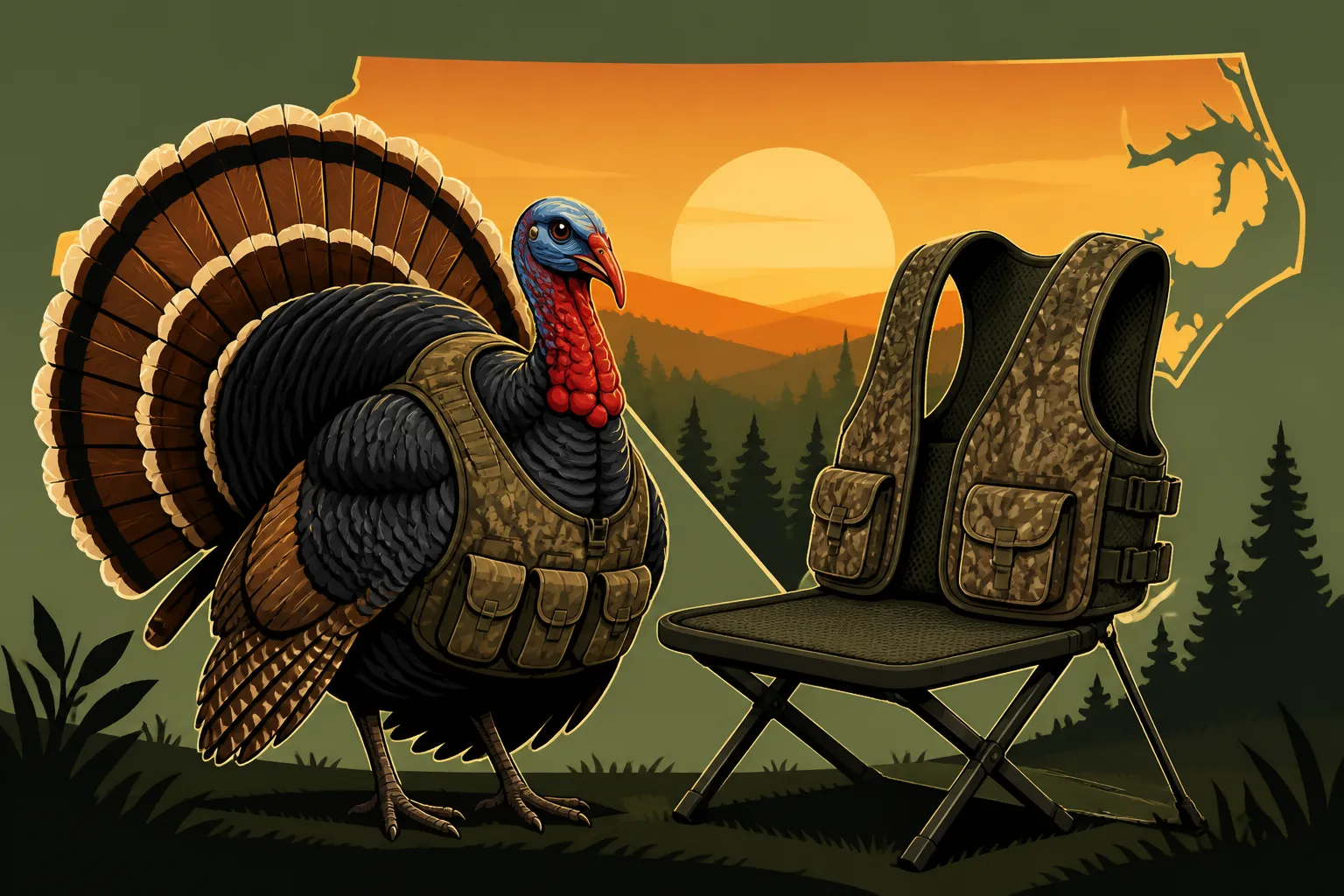
Few things are more frustrating in North Carolina turkey hunting than having a gobbler hang up just out of range, or needing to quickly reposition only to find yourself awkwardly trying to balance on a stump or a wet log. The quest for quick, comfortable, and stable concealment is a perpetual challenge, especially when those wily birds demand fast adjustments in varying terrain. A turkey vest equipped with an integrated kickstand seat is designed precisely to solve these dilemmas, providing a reliable perch that elevates your hunting experience from hurried discomfort to quiet, focused anticipation. This guide will walk you through why these specialized vests are a game-changer for North Carolina turkey hunters, what features to prioritize, and how to use and maintain them effectively in the field.
Why a Kickstand Vest Makes Sense for North Carolina Turkey Hunting
North Carolina offers an incredibly diverse range of turkey habitats, from the steep, rocky slopes of the Appalachian Mountains to the sprawling pine forests and dense pocosins of the Coastal Plain. Each presents its own unique challenges for the mobile hunter. A kickstand turkey vest helps you adapt quickly, ensuring you’re always ready for that critical moment.
Embracing North Carolina's Varied Terrain
Imagine you're pursuing a gobbler through the rolling Piedmont, calling as you go, and suddenly he gobbles hard, close by, just over a small rise. You need to drop down and get still, now. With a traditional vest, you'd be looking for a fallen log, a tree with a comfortable lean, or resigned to sitting directly on potentially damp, cold ground. A kickstand vest eliminates this scramble. Its integrated seat and frame allow you to instantly sit comfortably and level, even on a slight incline or uneven terrain. This means less movement to get settled, less noise, and more time focused on the bird.
Consider a spring morning deep in the Croatan National Forest, where the ground can be muddy and wet from recent rains. Sitting directly on the forest floor means a damp backside and a greater chance of discomfort pulling you out of the moment. A kickstand vest keeps you off the wet ground, providing a dry, insulated barrier that makes those long waits far more tolerable. This is especially beneficial during those early morning sits when the ground is still cold, or when Hunting Coastal Plain Pocosin Swamps where dampness is almost guaranteed. It helps you stay focused on calling and scanning for movement, rather than shifting uncomfortably.
Speed and Stealth in Run-and-Gun Scenarios
Many North Carolina turkey hunters, especially those working public land, favor a "run-and-gun" approach, actively moving and calling until a bird responds. This tactic demands speed and the ability to set up quietly and effectively in moments. A kickstand vest is perfectly suited for this style. When that gobbler finally answers, you can quickly move to a strategic spot, deploy your kickstand, and be seated in a stable position within seconds. There’s no fumbling with a separate cushion or searching for the perfect tree.
This rapid deployment capability is crucial when a gobbler is on the move or when you're trying to cut off a bird that's working away from you. You might get just a narrow window to get into position and set up your call and possibly a decoy. The less time spent fussing with your seating, the more time you have to refine your Decoy Placement for Pressured North Carolina Birds and get your shotgun shouldered. In those high-pressure situations, the difference between a successful hunt and a missed opportunity often comes down to precious seconds and minimal movement. The kickstand provides that silent, immediate readiness.
Essential Features to Consider in Your Turkey Vest
Not all kickstand vests are created equal. When investing in one for your North Carolina hunts, paying attention to specific features will ensure you get a vest that performs when it matters most.
The Mechanics of the Kickstand and Seat
The heart of any kickstand turkey vest is its frame and seat design. Look for a robust, lightweight frame that provides stable support without adding excessive bulk. Aluminum or composite materials are common choices, offering a good balance of strength and portability. The kickstand legs should be adjustable, allowing you to fine-tune your seating height and levelness on uneven ground. This adjustability is key, whether you’re perched on a steep hillside in the Mountains or trying to get comfortable on a slight rise in a Piedmont field. Some models feature independent leg adjustments, which can be a lifesaver on truly lopsided terrain.
The seat itself is equally important. It should be thick, comfortable, and made from a quiet, durable material that won't absorb moisture. High-density foam is a common choice, offering cushioning and insulation. Consider the size of the seat – is it large enough to comfortably support you for extended periods without cutting off circulation or feeling too small? Some vests incorporate a seat that folds up neatly or detaches, offering versatility. When researching, you might find platforms like GoHunt that provide user reviews and gear comparisons, which can be invaluable for assessing real-world performance and comfort. This kind of research can help you understand the nuances of different designs and how they might fare on an all-day Hunting the Statewide Turkey Opener in April.
Strategic Storage and Ergonomics
A turkey vest is more than just a seat; it’s your mobile command center for the woods. Effective storage and ergonomic design are critical for carrying all your essential gear, from calls to snacks, and for accessing it quietly and efficiently. Look for a variety of pockets in different sizes and configurations. Dedicated call pockets for pot calls, mouth calls, and box calls are a must. These should ideally be easy to access without excessive movement, quiet, and secure so your calls don’t fall out as you’re moving. Many vests feature specialized strikers loops and compartments for slate or glass calls, protecting them from damage.
Beyond calls, think about general storage: a large main compartment for rain gear, snacks, or perhaps a Turkey Decoys That Work on Pressured Birds, and smaller pockets for licenses, rangefinders, and other necessities. External mesh pockets can be great for quick access to gloves or headnets. Hydration is also a major consideration, especially during warm North Carolina spring days. Many kickstand vests now incorporate sleeves or compartments for hydration bladders, allowing you to carry water without fumbling with bottles. Look for comfortable, padded shoulder straps and a waist belt that distributes weight evenly, making those long walks to your Roost Hunting North Carolina Gobblers much more manageable. Some vests even include a large game bag or pouch on the back, perfect for toting out a harvested bird.
| Feature | Description | Benefit for NC Turkey Hunting |
|---|---|---|
| Adjustable Legs | Independent leg adjustments for kickstand. | Stable, level seating on uneven mountain or swampy ground. |
| Padded Seat | High-density foam or gel seat. | Comfort during long waits, insulation from cold/wet ground. |
| Dedicated Call Pockets | Specific, quiet pockets for various call types. | Quick, silent access to calls, prevents damage. |
| Hydration Bladder Compatible | Internal sleeve for water bladder. | Hands-free hydration during warm spring hunts. |
| Quiet Fabrics | Materials that minimize rustling and noise. | Enhanced stealth, critical for close-range birds. |
| Durable Frame | Lightweight yet sturdy aluminum or composite frame. | Reliable support, withstands rugged field use. |
| Comfortable Straps | Padded shoulder straps and waist belt. | Even weight distribution, reduces fatigue on long walks. |
Field Tactics with Your Kickstand Vest
Having a kickstand vest is one thing; using it effectively to maximize your chances in the North Carolina woods is another. It’s all about leveraging its advantages for stealth, comfort, and quick action.
Adapting to Any Setup Location
The beauty of a kickstand vest truly shines when you're forced to set up in less-than-ideal spots. A gobbler might answer from a ridge, and the only cover available is a small clump of pines on a sloping bank. With a traditional vest, this might mean an uncomfortable lean, sliding down the hill, or exposing yourself more than you'd like. With a kickstand, you can deploy the legs, adjust their length if needed, and create a perfectly level and stable platform in moments. This allows you to tuck into the cover, get low, and remain perfectly still, even on challenging ground. This agility is priceless when Setting Up Against a Big Oak or a brush pile where the ground might not be flat.
Think about hunting the edges of large fields in the Piedmont. Often, the best cover might be a thin fencerow or a small patch of woods that parallels a slight ditch or depression. These areas are rarely flat. The kickstand lets you utilize these subtle changes in topography for concealment and comfort. You can settle in facing the field, shotgun ready, without having to shift or make noise trying to get comfortable. This can make the difference when a wary gobbler struts into view, giving you the edge of stillness and stability. Many experienced hunters even consult tools like those from GoHunt to scout digital maps for potential setup locations, knowing their kickstand vest will allow them to utilize even marginal cover effectively.
Maintaining Comfort During Long Waits
Turkey hunting, despite its moments of explosive action, often involves long periods of waiting. Whether you're trying to Calling a North Carolina Gobbler Off the Roost at dawn or patiently waiting for a mid-morning bird to break from a distant strut zone, comfort is crucial for staying focused. Discomfort leads to fidgeting, shifting, and ultimately, spooking birds. A kickstand vest keeps you off the cold, hard, or damp ground, providing a stable, padded seat that reduces fatigue significantly.
This enhanced comfort allows you to remain motionless for much longer periods. You can keep your hands ready on your calls or your shotgun shouldered, minimizing movement when a bird finally commits. Instead of constantly adjusting your posture or trying to find a more comfortable position, you can remain still and blend into your surroundings. This discipline is paramount, especially when working those highly pressured birds on public land. The ability to sit comfortably for hours also allows you to enjoy the overall experience more, taking in the sounds and sights of the North Carolina spring woods, rather than just enduring the wait.
Care, Maintenance, and Packing Smart
Your kickstand turkey vest is an investment in comfort and success. Proper care and smart packing will ensure it lasts for many seasons and performs flawlessly when you need it most.
Pre-Season Adjustments and Customization
Before opening day, take the time to set up and adjust your vest. Don't wait until you're in the field with a gobbler gobbling in front of you. Load it up with all your typical gear – your Turkey Calls Worth Carrying in North Carolina, your water, your Turkey Shotguns and Chokes in hand if practicing with it. Adjust the shoulder straps and waist belt so the weight is distributed comfortably and the vest sits correctly on your back. Practice deploying the kickstand and sitting down quickly and quietly. Do this in your backyard on uneven ground to simulate real-world conditions.
Consider customizing your vest further. Are there any internal pockets you could add small, silent pouches to? Can you secure your mouth call case better? Think about what you carry and where it needs to be for quick, silent access. Some hunters add a small piece of Velcro or a quiet magnet to certain flaps to prevent jingling or rattling. Check all zippers and buckles for smooth operation. This pre-season ritual will not only make you more efficient in the woods but also highlight any issues that need addressing before they become a problem on your first Hunting the Rut in the Eastern Zones or during the youth weekend.
Longevity Through Proper Care and Packing
After each hunt, especially if you’ve been out in wet or muddy conditions, take a few minutes to properly care for your vest. Remove all calls and gear, and wipe down the frame and seat with a damp cloth to remove dirt, mud, or moisture. If the fabric is muddy, gently scrub it with a soft brush and mild soap, then rinse thoroughly. Allow the vest to air dry completely in a well-ventilated area, out of direct sunlight, before storing it. Never put a damp vest away, as this can lead to mildew, odors, and fabric deterioration. Pay special attention to the kickstand mechanisms; ensure they are clean and free of debris to prevent sticking.
When packing your vest for a hunt, be strategic. Place heavier items towards the bottom and center of the main compartment to maintain balance and reduce strain. Utilize all the dedicated pockets for calls and smaller items, ensuring everything is secure and quiet. Rattling calls or loose items can spook a bird from a distance, so consider wrapping hard items in a piece of fleece or foam. Carry only what you realistically need for the day to avoid unnecessary weight, but always include essentials like a first-aid kit, a headlamp, and a small snack. Platforms like GoHunt often have discussion forums where hunters share their packing tips and gear organization strategies, which can provide great ideas for optimizing your setup for the diverse challenges of North Carolina turkey hunting.
Disclaimer
This article is for general informational purposes only and does not constitute professional advice. Laws, prices and regulations vary by location and change over time. Consult a qualified professional for guidance on your specific situation.