Do You Need a Separate Crossbow Permit?
Navigating North Carolina's hunting regulations can feel like trying to untangle a particularly stubborn knot, especially when specific equipment enters the picture. A common point of confusion for many hunters, both seasoned and new, revolves around crossbows: do you need a special, separate permit just to use one in the Tar Heel State? It's a valid question that can add unnecessary stress to your hunt planning, and this guide is here to untangle those regulations, clarifying exactly what licenses and privileges are required to legally hunt with a crossbow in North Carolina.
The Core Question: Crossbow Permits in North Carolina
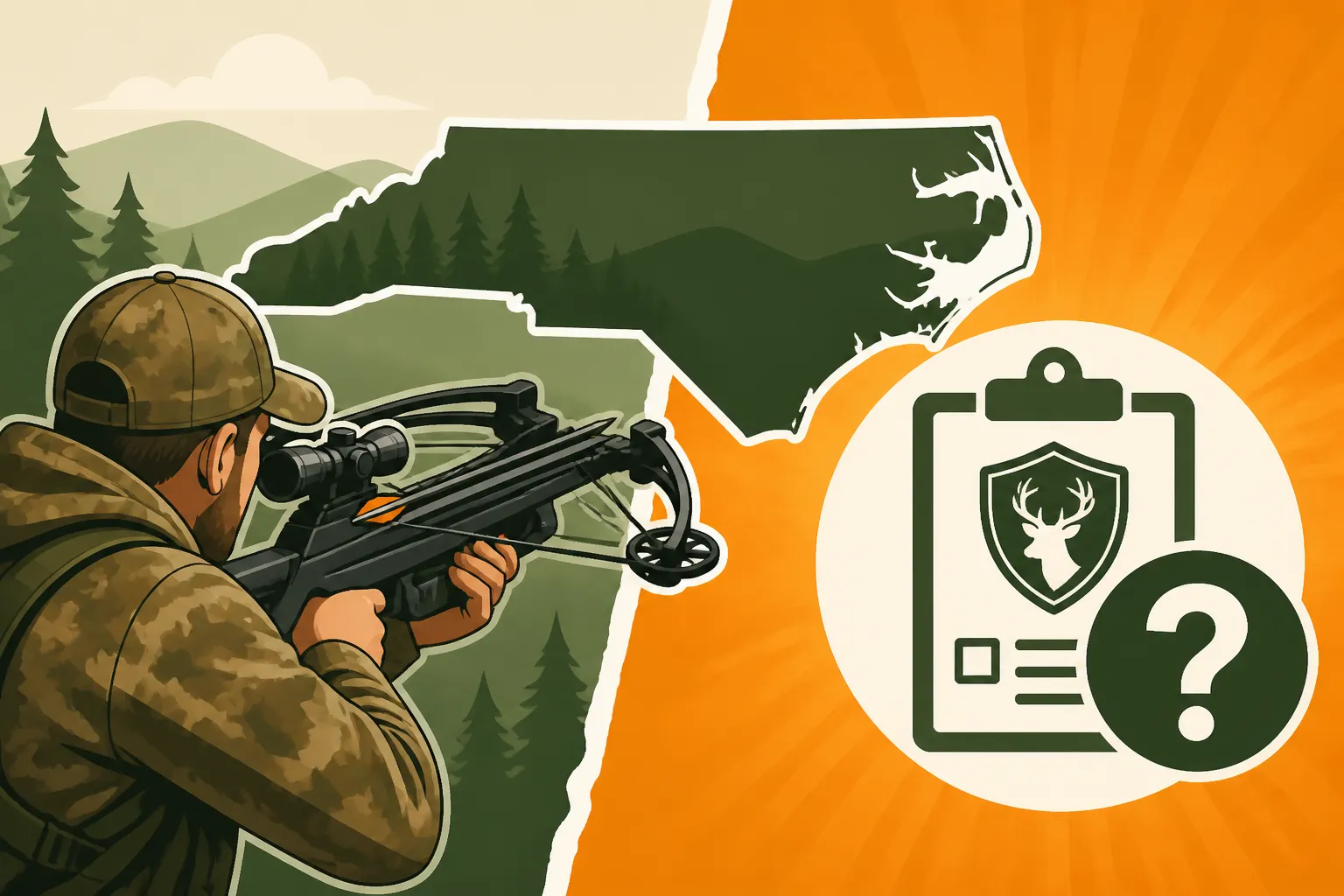
Let's cut right to the chase: In North Carolina, you do not need a separate, distinct permit specifically labeled "crossbow permit." The ability to hunt with a crossbow falls under your general hunting license and big game privileges, much like a compound bow or traditional archery equipment. The state views crossbows as a legal method within the broader archery framework for hunting game animals, particularly during the dedicated archery season, and often during other seasons as well. It's less about a unique "crossbow permit" and more about ensuring you have the foundational licenses that cover archery hunting for the species you're pursuing.
Understanding Your Base North Carolina Hunting License
Before you even think about a crossbow, the very first step for any hunter in North Carolina is obtaining a valid hunting license. This foundational license acts as your general permission slip to participate in hunting activities in the state. Think of it as your entry ticket. Whether you're chasing squirrels, ducks, or deer, this base license is non-negotiable. For residents, there are various options, from annual to lifetime licenses, and non-residents also have tailored options. Without this primary license, no other permits or privileges matter. It’s the absolute first box you need to check off before stepping foot in the woods. You can usually purchase these through the NC Wildlife Portal or authorized agents.
Big Game Privilege and Specific Season Permits
Once you have your base hunting license, your next consideration for deer, bear, or wild turkey is the "Big Game Harvest Report Card" privilege. This isn't a separate permit in the traditional sense, but an add-on privilege that allows you to hunt and report the harvest of these larger game species. When you purchase this privilege, it encompasses the legal methods of taking big game, which includes archery equipment – and by extension, crossbows – during the appropriate seasons. So, while you're technically buying a "privilege" rather than a "permit" for a crossbow, this is the mechanism that legally enables your crossbow hunting for big game. It's a crucial distinction, as simply having a base hunting license won't allow you to pursue deer or bear; you need that specific big game privilege attached. For comprehensive details on what's included, check out North Carolina Big Game Privilege Requirements.
Crossbows as Legal Archery Equipment
The key to understanding crossbow legality in North Carolina is recognizing how the state classifies them: as a type of archery equipment. This means that during seasons designated for archery hunting, crossbows are generally fair game for eligible hunters. This isn't universally true in every state, which is why the confusion arises, but North Carolina's regulations are clear on this point. It allows crossbow users to participate fully during the North Carolina Archery Season Opening Day, alongside compound and traditional bowhunters. This integration simplifies the licensing process considerably, as you're not juggling extra paperwork for one specific tool. It just becomes another valid option under your existing archery privileges.
North Carolina's Archery Season and Crossbow Rules
Understanding that crossbows are considered archery equipment is one thing, but knowing the specific rules that apply to their use during various seasons is another. North Carolina has clear guidelines that hunters need to follow, ensuring fair chase and safety for everyone afield.
Legal Equipment Requirements for Crossbows
Even though you don't need a separate permit, your crossbow itself must meet certain specifications to be legal for hunting. North Carolina sets forth standards to ensure ethical hunting practices. For instance, there are typically minimum draw weight requirements, which ensure the projectile has enough kinetic energy for a humane harvest. Bolts (crossbow arrows) also usually have a minimum length requirement, and most importantly, they must be tipped with broadheads. These broadheads must have at least two cutting edges and be a certain minimum width or length, designed for rapid incapacitation. It’s vital to consult the current regulations for North Carolina Crossbow Equipment Requirements to ensure your setup is fully compliant. Don't assume your new fancy crossbow or bolt setup from another state meets North Carolina's specific demands without checking.
Crossbow Use During Muzzleloader and Gun Seasons
One of the great advantages of hunting with a crossbow in North Carolina is its versatility. Beyond the dedicated archery season, crossbows are often legal to use during portions of the muzzleloader and even general gun seasons. This means if you enjoy hunting with your crossbow, you might have extended opportunities to use it. For example, during some muzzleloader seasons, hunters may have the option to use archery equipment, which includes crossbows. And, significantly, during the general gun season, you can typically use a crossbow as well, giving you the choice of weapon. This flexibility is a huge bonus for those who prefer the quiet challenge of a crossbow but want to participate throughout the North Carolina Deer Season Structure Explained. It also means that even if you miss the early archery season, your crossbow isn't relegated to the closet for the rest of the year.
Special Considerations and Restrictions
While crossbows are widely accepted, it's always wise to be aware of any specific restrictions or special conditions. For example, some municipal or urban archery zones might have unique rules, though generally, crossbows are included. Also, disabled hunters might find crossbows particularly beneficial, and North Carolina offers various permits and allowances for hunters with disabilities, sometimes even allowing the use of certain equipment outside of regular season limitations with proper documentation. Always remember that regulations can be quite granular depending on the specific game lands you're on, or if you're in a Chronic Wasting Disease (CWD) management area, where certain rules might temporarily be altered. It's your responsibility to be aware of any changes that might affect your hunting plans.
Navigating Regulations and Staying Compliant
The ever-evolving landscape of hunting regulations can be daunting. Staying compliant isn't just about avoiding a ticket; it's about respecting the resource, the law, and your fellow hunters. Having a solid strategy for understanding and following the rules is paramount.
The Importance of Checking Current Regulations
Perhaps the most critical piece of advice any hunter can receive is to always check the most current regulations before each season, or even before each hunt. Regulations change. Sometimes subtle, sometimes significant, but they do change. What was true last year might have a minor tweak this year that could impact your hunt. The North Carolina Wildlife Resources Commission (NCWRC) publishes detailed regulations online and in print. This is your definitive source. Relying on what you heard at the tackle shop or from an old hunting buddy is a recipe for trouble. Digital tools like the official NCWRC app or even third-party hunting apps like GoHunt can be incredibly helpful for quickly referencing rules and mapping public land boundaries, but always cross-reference with the official NCWRC publications. It literally pays to be diligent.
Common Misconceptions About Crossbows
A lot of the confusion around crossbow permits stems from historical debates and regulations in other states. For a long time, some traditional archery enthusiasts viewed crossbows as having an unfair advantage, leading to them being restricted or having separate seasons/permits in various places. While North Carolina has long embraced crossbows as a legal archery method, these lingering perceptions can create confusion. Another misconception might be that crossbows are only for disabled hunters. While they are an excellent option for those with physical limitations, anyone with a valid license and big game privilege can use them during the appropriate seasons. Don't let old wives' tales or misinformation deter you from understanding the straightforward facts about crossbow hunting in North Carolina.
Ensuring You Have the Right Documentation
When you're out in the field, carrying your current hunting license and big game privilege documentation is essential. Whether it's a physical card, a printed copy, or accessible on your phone through an official app, you need to be able to present proof of your legal right to hunt. If you're using a crossbow and a wildlife enforcement officer approaches you, they'll want to verify your licenses, just as they would for any gun or traditional bow hunter. This includes proving you've completed North Carolina Hunter Education Requirements if applicable. Getting into the habit of double-checking your wallet or pack for these vital documents before heading out is a simple but effective way to prevent any unnecessary headaches during your hunt.
Practical Crossbow Hunting Tips in North Carolina
Now that we've cleared up the regulatory side of things, let's talk about actually putting that crossbow to use. Hunting with a crossbow in North Carolina offers unique advantages and requires specific considerations to be successful.
Choosing the Right Crossbow Setup for North Carolina Terrain
North Carolina's diverse landscapes, from the dense pine thickets of the Coastal Plain to the rugged mountains, demand thoughtful gear choices. When selecting a crossbow, consider the type of terrain you'll primarily be hunting. A compact, shorter axle-to-axle crossbow might be ideal for navigating thick brush or climbing into a tight Treestand Setups in Pisgah National Forest. If you're primarily hunting open fields in the Piedmont, a slightly larger, faster crossbow might offer an edge. Modern crossbows come in various configurations, including recurve and compound designs, each with its own benefits regarding weight, noise, and ease of cocking. Remember, accuracy is paramount, so choose a crossbow you can comfortably handle and shoot consistently. Don't forget to practice with the exact broadheads you intend to hunt with, whether they are Fixed Versus Mechanical Broadheads, as they can significantly impact bolt flight.
Effective Crossbow Tactics for Whitetails
Hunting North Carolina whitetails with a crossbow is similar to hunting with a compound bow, but with some key differences. Shot distance is still critical; while crossbows can be accurate at longer ranges than many traditional bows, ethical hunting demands knowing your personal effective range, especially in thick woods where obstructions are common. Focus on close-range opportunities, often within 20-40 yards. Bow Sights for Timber Shots designed for crossbows can help, but nothing beats practice. Stealth remains crucial – deer can still hear the string slap or the mechanical whir of a crossbow. Consider using a ground blind for concealment, especially when Hunting Piedmont Farmland Deer, where natural cover can be sparse. Pay close attention to wind direction, entry and exit routes, and scent control, just as you would with any other archery method. Utilizing scouting tools, including those available through platforms like GoHunt, can help identify ideal stand locations.
Maintenance and Safety for Crossbow Hunters
Like any piece of hunting equipment, a crossbow requires proper maintenance and adherence to safety protocols. Regularly inspect your string and cables for wear, and wax the string according to manufacturer recommendations. Keep your bolts clean and broadheads razor-sharp. Periodically check all screws and bolts on your crossbow, ensuring they are snug. For safety, always treat a crossbow with the same respect as a firearm. Keep your finger off the trigger until you are ready to shoot, and be absolutely certain of your target and what lies beyond it. When cocking, ensure the safety is engaged, and never dry fire a crossbow without a proper discharge target, as it can severely damage the limbs and void warranties. Transport your crossbow uncocked or in a case, and be mindful of your surroundings, especially when walking through dense cover with a cocked weapon, which is generally not recommended.
North Carolina Crossbow Hunting Snapshot
| License/Privilege | Requirement for Crossbow Hunting | Notes |
|---|---|---|
| Base Hunting License | Mandatory | Essential for any hunting activity in NC. |
| Big Game Harvest Card | Mandatory for Deer, Bear, Turkey | Grants privilege to hunt big game, including with crossbow. |
| Game Lands License | Required if hunting on Game Lands | Additional permit for public land access. |
| Separate Crossbow Permit | NOT Required | Crossbows are covered under Big Game privilege as archery equipment. |
| Hunter Education | Required for certain age groups/situations | Essential for safe and legal hunting. |
Disclaimer
This article is for general informational purposes only and does not constitute professional advice. Laws, prices and regulations vary by location and change over time. Consult a qualified professional for guidance on your specific situation.