Transylvania County Public Hunting Access
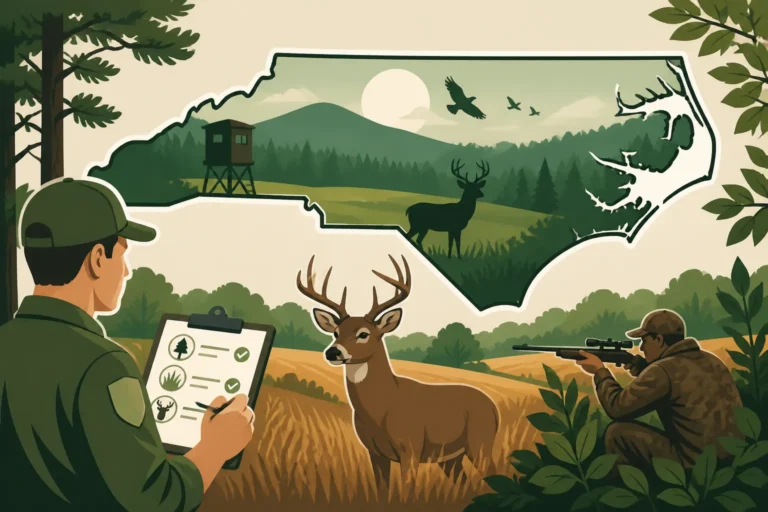
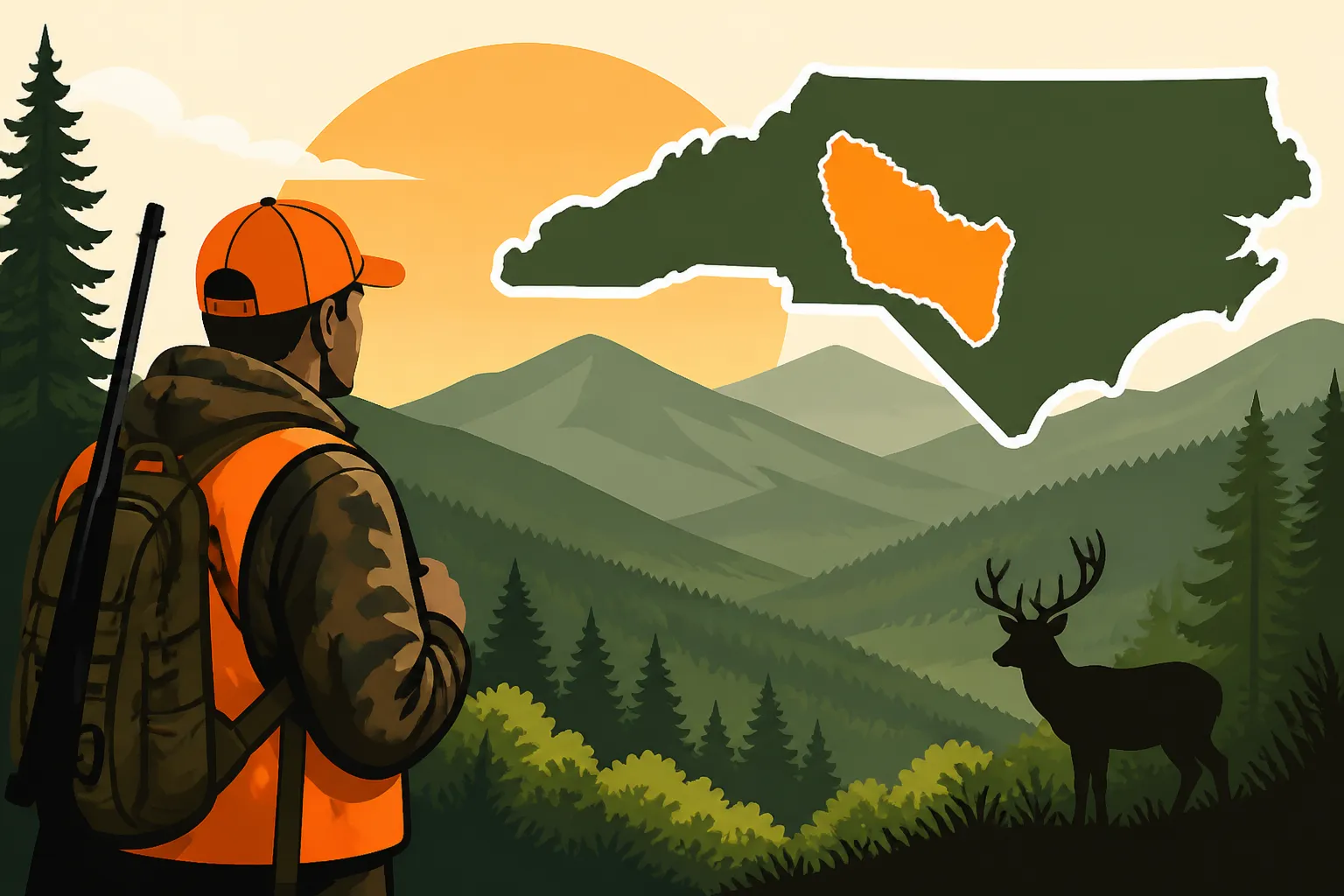
Hunting public land in Transylvania County, nestled deep within North Carolina's Appalachian Mountains, presents a unique and often daunting challenge for hunters. The rugged topography, dense forests, and sheer vastness of the landscape can feel overwhelming, leaving many wondering where to even begin their scouting and season planning. This guide aims to demystify public hunting access in Transylvania County, offering practical insights and strategies to help you navigate its wild expanses and find success.
Understanding the Mountain Landscape of Transylvania County
Transylvania County is synonymous with the Blue Ridge Mountains, offering some of the most spectacular, and often demanding, hunting opportunities in North Carolina. Unlike the rolling hills of the Piedmont or the flat expanses of the Coastal Plain, this region is defined by steep slopes, deep hollows, and high elevations. This dramatic terrain isn't just scenic; it dictates everything from wildlife movement patterns to how you plan your hunt. Hunters here face significant physical challenges and must adapt their strategies accordingly.
The sheer scale of the national forest land means that deer, bear, and turkey populations are often dispersed, requiring extensive scouting and an understanding of how these animals utilize the varied habitat. You're not just looking for a field edge here; you're deciphering intricate patterns of movement across entire mountain sides, considering factors like elevation, aspect, and water sources. It's an immersive experience that tests both your endurance and your woodsmanship, but the rewards—a truly wild animal earned in stunning surroundings—are unparalleled.
Pisgah National Forest: The Core of Public Access
When you talk about public hunting in Transylvania County, you are overwhelmingly talking about Pisgah National Forest. This expansive federal land covers a significant portion of the county, offering countless acres for hunters to explore. It's a vast mosaic of mature hardwoods, rhododendron thickets, mountain laurel, and mixed pine stands, interspersed with crystal-clear mountain streams and rocky outcroppings. The sheer size means that pressure can be localized, and with enough effort, you can often find areas where you won't see another hunter all day.
Access points vary, from well-maintained forest service roads to challenging foot trails that disappear into the wilderness. Many of these roads are gated during certain times of the year, limiting vehicle access but often opening up miles of excellent walking for hunters willing to put in the work. Understanding these access limitations, and how they might concentrate or disperse game, is a critical first step. For a deeper dive into the overall opportunities, check out Pisgah National Forest Hunting.
Topography and Navigational Challenges
The mountains of Transylvania County demand serious attention to navigation. Without accurate maps and a keen eye for terrain features, it's easy to get disoriented, especially in thick fog or after dark. Ridges can fork unexpectedly, and hollows can drop steeply into impassable drainages. Elevation changes are significant, meaning a "short walk" on a map can translate to a grueling climb in reality. This is where modern tools become invaluable.
Using a robust mapping application like onX Hunt on your phone or GPS device is essential. It allows you to download offline maps, mark waypoints, track your movement, and instantly identify public versus private land boundaries—a critical feature when hunting near national forest edges. Understanding contour lines, identifying saddles, benches, and draws, and predicting how animals will move through these features is paramount for success. You can also research general hunting information and strategies through resources like GoHunt, which can help inform your approach to mountainous terrain, even if its primary focus isn't North Carolina.
Key Game Species and Hunting Opportunities
Transylvania County's public lands support healthy populations of several sought-after game species. While deer are a primary target for many, the area is also renowned for its black bear hunting and offers challenging turkey hunting opportunities. Success often hinges on understanding the specific behaviors of these animals in a mountain environment and adapting your tactics to suit the rugged terrain.
Deer Hunting in the Mountain Zone
White-tailed deer in Transylvania County's mountains are often leaner and hardier than their lowland cousins, accustomed to navigating steep slopes and finding sparse food sources. Their patterns are heavily influenced by mast crops, water sources, and thermal cover. During the early archery and muzzleloader seasons, deer will often be found at higher elevations, particularly around oak ridges where acorns are dropping. As the season progresses and food becomes scarcer, they might move into lower elevations or south-facing slopes to catch sunlight.
Understanding how deer utilize saddles and benches for travel corridors is crucial for stand placement. When considering where to hang a stand on a Pisgah ridge, remember that deer often travel just below the ridgetop, using the cover for security while still benefiting from scent dispersion. Reading a Ridge for Mountain Zone Deer provides excellent tips for deciphering these subtle cues. Also, pay close attention to the wind and thermals, which can be highly unpredictable in mountainous terrain, often rising in the morning and falling in the evening. This constant shift requires careful planning for your approach and setup to avoid busting deer. For more information, explore White-Tailed Deer Across North Carolina.
Black Bear Hunting: A Signature Mountain Experience
Transylvania County is part of North Carolina's Western Bear Zone and is known for producing some truly massive black bears. Hunting black bear in these mountains is an incredibly challenging and rewarding endeavor. Bears are notoriously elusive and can cover vast amounts of ground. Their movements are largely dictated by food availability, particularly hard mast crops like acorns and soft mast like berries, as well as the availability of thick cover for bedding and escape.
Many bear hunters in the mountains rely on still-hunting or spot-and-stalk tactics, patiently glassing steep hillsides and dense clearcuts. Others prefer to use hounds, which is a traditional and legal method in specific areas. If you plan to hunt over natural food sources, understanding the mast crop conditions for the year is critical. Hunting Bears Over Natural Mast in the Mountains offers valuable insights into this strategy. The sheer size of the bears in the region is impressive; for more context, refer to North Carolina's Black Bear Population. Remember that bear hunting requires a special bear management stamp in addition to your regular hunting license and big game privilege.
Wild Turkey: A Mountain Challenge
Turkey hunting in Transylvania County's mountains is far from easy, but the rewards of calling in a gobbler against a backdrop of ancient hardwoods are immense. Mountain turkeys are known for being particularly wary and often roost in towering trees along steep slopes or near water sources. Locating roosts through pre-season scouting is a key first step. Listening for their calls at dawn and dusk can help you pinpoint general areas, but closing the distance can be arduous.
Run-and-gun tactics can be effective, particularly on public land where covering ground is essential, but patience and strategic setups are equally important. Turkeys in these areas often travel along old logging roads, ridgetops, or benches. Using calls to locate birds and then quickly moving to a strategic position where you can set up and call them in is a classic mountain turkey tactic. Be prepared for birds to hang up on steep terrain or use natural barriers to their advantage. To learn more about the species generally, see Wild Turkeys in North Carolina.
Planning Your Hunt: Essential Strategies and Regulations
Hunting in Transylvania County's public lands requires meticulous planning, from understanding local regulations to mastering mountain-specific hunting techniques. It's not just about what gear you bring, but how you prepare mentally and strategically for the unique challenges of the terrain.
Navigating Regulations and Permits
Even though much of Transylvania County falls within Pisgah National Forest, always double-check the specific regulations for the area you plan to hunt. While federal lands are generally open, some areas might have special restrictions or quota hunts. Always refer to the latest North Carolina Inland Fishing, Hunting & Trapping Regulations Digest published by the NC Wildlife Resources Commission. This digest outlines season dates, bag limits, blaze orange requirements, and any specific rules for Game Lands that might overlap or adjoin national forest property.
A general hunting license with big game privilege is required for deer and turkey, and a bear management stamp for bear. Ensure all your licenses are current and properly documented. The NCWRC website is your best friend for checking all current requirements. Remember, checking a North Carolina deer harvest online is mandatory, as are similar reporting procedures for bear and turkey. Being compliant ensures you contribute to wildlife management efforts and avoid any unnecessary legal issues.
Scouting Smart in Rugged Terrain
Effective scouting is the bedrock of successful mountain hunting. It's not just about looking for fresh tracks; it's about understanding the land itself. Spend time studying topographic maps (physical and digital, like onX Hunt) to identify potential pinch points, travel corridors, bedding areas, and feeding zones. Look for oak flats that produce acorns, or dense rhododendron thickets that offer thermal cover for bedding. During your physical scouting trips, pay attention to subtle signs like rubs, scrapes, and droppings, but also to deer trails and how they navigate the steepest parts of the terrain.
Early season scouting, before the leaves fully drop, can be particularly challenging due to reduced visibility. As fall progresses and leaves drop, visibility improves, making it easier to spot game and identify features. Don't be afraid to put in the miles; often, the best hunting is found far from the road system, where fewer hunters are willing to venture. Scouting North Carolina Public Land Before Season provides comprehensive advice applicable to this rugged environment.
| Game Species | Primary Habitat Types | Key Food Sources | Typical Movement Patterns |
|---|---|---|---|
| White-tailed Deer | Mature hardwoods, rhododendron thickets, creek bottoms | Acorns, soft mast, browse (leaves, twigs) | Ridge saddles, benches, creek corridors |
| Black Bear | Dense pocosin thickets, oak ridges, riparian areas | Acorns, berries, roots, insects, carrion | Remote drainages, mast-producing areas |
| Wild Turkey | Mature hardwood forests, open ridges, logging roads | Acorns, seeds, insects, soft mast | Roosting near water, open slopes |
Essential Gear for Mountain Hunting
Hunting in Transylvania County demands a specific gear list designed for endurance, safety, and efficiency in rugged conditions. Your boots, for example, are paramount. Invest in comfortable, waterproof, and supportive hiking boots that can handle steep ascents and descents over rocky, uneven ground. Layered clothing is also essential due to the significant temperature swings common in the mountains, especially between morning and midday. Wool or synthetic base layers are key for moisture wicking. For a long sit, consider insulated options; Cold-Weather Sitting Strategy in the Mountains is a helpful resource.
Navigation tools are non-negotiable. A reliable GPS unit or a smartphone with a hunting app like onX Hunt, loaded with offline maps, is critical. Always carry a compass and know how to use it as a backup. A good set of binoculars, preferably 8x or 10x, is invaluable for glassing distant slopes, especially for bear. Rifle Scopes for Low-Light Mountain Coves also highlights the importance of quality optics adapted to the dense cover. Finally, pack sufficient water, snacks, a headlamp, a first-aid kit, and a way to communicate, even if it's just a whistle. A sturdy pack for carrying your gear and potentially packing out game is also crucial for success in this challenging environment.
Mountain Hunting Tactics and Considerations
Success in Transylvania County often comes down to adapting classic hunting strategies to the unique mountain environment. Still-hunting, moving slowly and deliberately through the woods, pausing often to scan and listen, can be incredibly effective here, especially when targeting deer or bear. Pay close attention to Wind and Thermals on a Blue Ridge Slope, as understanding these unpredictable air currents is key to approaching game undetected.
For stand hunting, whether using a climbing stand, hang-on, or saddle system, strategic placement is vital. Treestand Setups in Pisgah National Forest will give you ideas for securing your stand in this environment. Focus on benches, saddles, and the edges of dense cover that funnel game. If you're hunting with a group, consider a strategic deer drive, utilizing the terrain to your advantage. Deer Drives With Three or Four Hunters offers insights into how to execute this effectively, especially in areas with limited visibility. Remember, the mountains are unforgiving; always hunt within your physical limits and prioritize safety.
Good luck out there, and remember to always leave the woods better than you found them.
Disclaimer
This article is for general informational purposes only and does not constitute professional advice. Laws, prices and regulations vary by location and change over time. Consult a qualified professional for guidance on your specific situation.