Pocosin Lakes Refuge Waterfowl Access
For many North Carolina waterfowl hunters, the Pocosin Lakes National Wildlife Refuge represents a unique and incredibly promising, yet often intimidating, hunting ground. Its vast, wild expanses and specific management protocols can make accessing its prime duck and goose opportunities feel like a puzzle. This guide aims to clear up that confusion, offering a comprehensive look at how to gain waterfowl access to Pocosin Lakes NWR, from understanding its habitat to navigating the permit process and employing effective hunting strategies.
Understanding Pocosin Lakes National Wildlife Refuge for Waterfowl
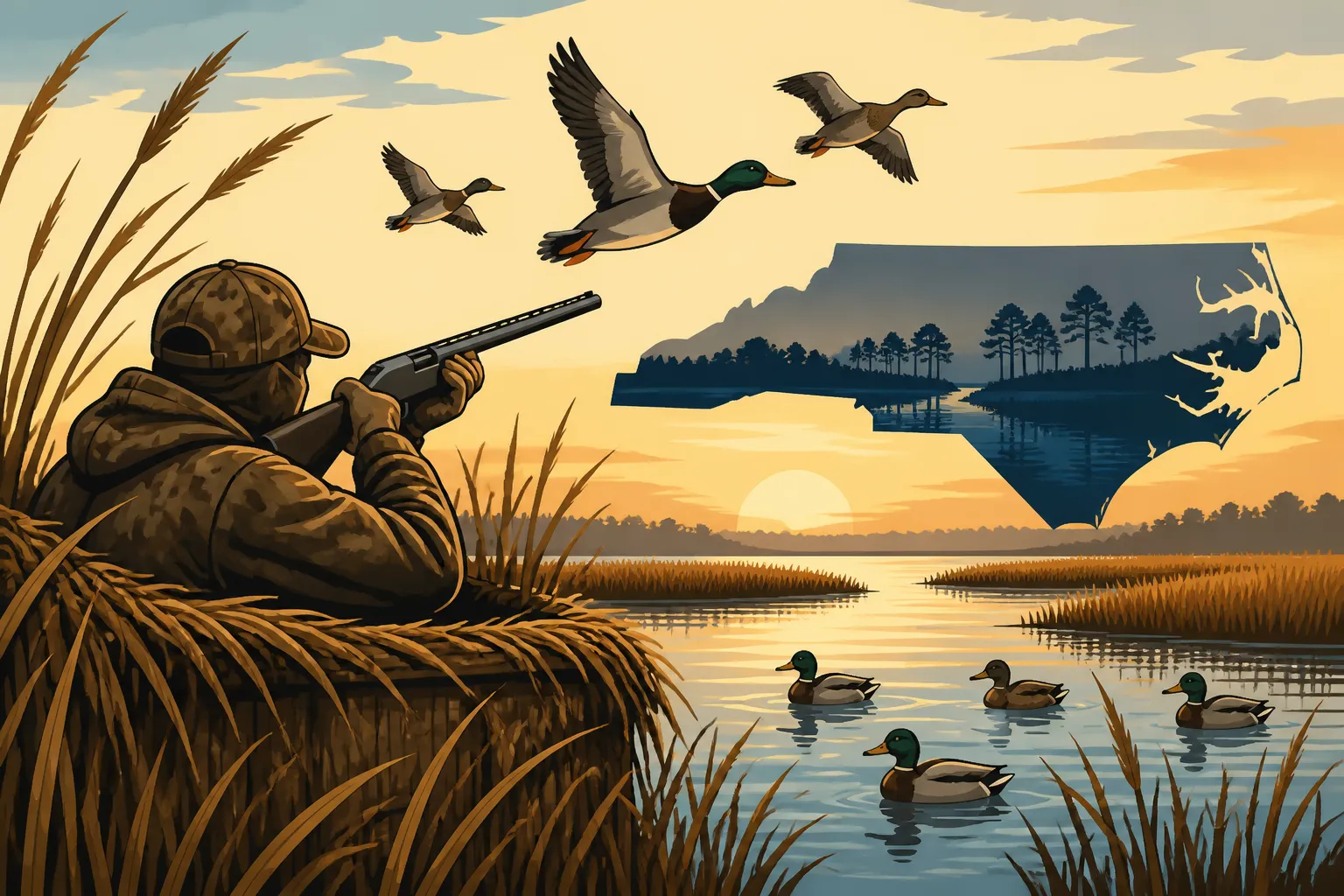
Pocosin Lakes National Wildlife Refuge, nestled in the vast Coastal Plain of eastern North Carolina, is a sprawling landscape of peatland pocosins, managed impoundments, cypress swamps, and open water. This unique blend of habitats makes it a magnet for a diverse array of waterfowl, drawing in thousands of ducks and geese during the migration seasons. However, its very wildness and the specific conservation goals of a National Wildlife Refuge mean that hunting access is carefully regulated.
The Unique Pocosin Ecosystem
The term "pocosin" itself describes a type of wetland characterized by its dense, stunted evergreen shrubs, acidic peat soils, and slow-moving or stagnant water. It's a challenging environment to navigate on foot, often requiring specialized gear and a good sense of direction. Within the refuge, you'll find large tracts of these natural pocosins, often interspersed with stands of pond cypress and Atlantic white cedar. This dense cover provides excellent loafing and resting areas for ducks, making them feel secure, while the water bodies and sloughs offer feeding grounds. The unique chemistry of the water and the sheer scale of the undisturbed landscape contribute significantly to its appeal for migrating birds. For hunters, understanding this ecosystem is paramount because it dictates where birds will be, how they'll behave, and how you can (or can't) get to them.
Beyond the natural pocosins, the refuge also manages a significant number of impoundments. These are areas where water levels are manipulated to create ideal feeding habitats, often planted with waterfowl-attracting crops like corn, millet, or moist-soil vegetation. These managed wetlands are precisely what draw massive numbers of ducks and geese, offering reliable food sources and safe havens. The contrast between these highly managed units and the wilder, natural pocosins is stark, and each requires a different approach to hunting. Knowing which type of habitat you'll be hunting, and what species typically frequent it, is the first step toward a successful outing.
Target Species and Migration Timing
Pocosin Lakes NWR attracts a wide variety of waterfowl, making it a truly dynamic hunting destination. During the early season, you're likely to see a strong presence of resident wood ducks and green-winged teal. As the fall progresses and colder weather pushes south, the refuge becomes a critical stopover and wintering ground for dabbling ducks like mallards, gadwall, and wigeon. These birds are often found in the shallower impoundments and natural wetlands where they can tip up to feed.
Later into the season, especially when the deeper water bodies and larger impoundments are active, divers like ring-necked ducks, scaup, and even canvasbacks can become common. These birds prefer open water where they can dive for submerged vegetation and invertebrates. Canada geese also utilize the refuge, particularly the managed agricultural fields, either as migrating flocks or as part of the growing resident population. Understanding these general North Carolina Waterfowl Migration Timing patterns helps hunters strategize when to focus on specific units and what species they are most likely to encounter. It's not uncommon to witness impressive flights of mixed species, offering a unique opportunity for a diverse bag, but always remember to correctly identify your birds before taking a shot.
Navigating Access and Permitting at Pocosin Lakes
Hunting at Pocosin Lakes National Wildlife Refuge is not a walk-on affair. Due to its status as a federally managed wildlife refuge, access for waterfowl hunting is tightly controlled through a combination of lottery draws and specific regulations designed to manage hunter pressure and protect the resource. Getting your ducks in a row, so to speak, regarding permits and access rules is crucial, as violations can carry significant penalties.
The Permit Application Process
The primary method for accessing the best waterfowl hunting opportunities at Pocosin Lakes NWR is through a permit application and lottery draw system. The refuge typically allocates specific hunt units, often within its managed impoundments, via a competitive drawing. These draws are designed to limit hunter numbers on any given day, ensuring a quality experience and preventing over-harvest. Hunters generally need to apply online during a specific window, usually well in advance of the hunting season. The application process will typically require hunters to specify their preferred dates and hunt units. Successful applicants are then notified and provided with a special permit, often with specific check-in procedures and designated parking areas. It's absolutely vital to be vigilant about application deadlines and to thoroughly read all instructions provided by the refuge. Missing a deadline means missing out on some of the best hunting. You can often find application details and deadlines on the refuge's official website, which updates annually. This type of managed hunting is common across the state, and understanding the North Carolina Quota Hunt Application Window is a skill every serious hunter needs to develop.
Once you've secured a permit, the rules for your specific hunt unit will be detailed. These often include strict shooting hours, limitations on the number of hunters per blind or party, and designated entry and exit routes. It's not uncommon for hunters to be required to check in and out daily, and sometimes even to report their harvest. This data collection helps refuge staff manage the waterfowl population and assess hunting pressure. Always carry your permit, all required state hunting licenses, and photo identification, as refuge staff are present and actively enforcing regulations. The excitement of drawing a prime spot is immense, but the responsibility to follow every rule is even greater.
General Public Access Areas and Regulations
While the lottery system dominates access to the premier impoundments, Pocosin Lakes NWR also offers some general public access areas where waterfowl hunting is permitted without a special draw. These areas are typically the more extensive natural pocosin wetlands, open water bays, or larger rivers and creeks that border or run through the refuge. However, "general public access" doesn't mean "unregulated." All federal and state waterfowl regulations still apply, including daily bag limits, shooting hours, and the mandatory use of non-toxic shot. Blaze orange requirements, though primarily for big game seasons, are often a good idea when moving through dense cover on refuge property during any hunting season, as a general safety practice, especially in areas that might overlap with other activities.
For these general access areas, scouting becomes even more critical. You'll need to identify legal access points, which may involve walking long distances or utilizing non-motorized boats like kayaks or canoes. Mapping tools, such as the onX Hunt app, become indispensable here. With onX Hunt, you can precisely identify refuge boundaries, designated public access points, and even topo lines to help navigate the challenging terrain. It allows you to mark potential roosting spots, feeding areas, or natural funnels you observe during scouting. Without a clear understanding of the refuge map and property lines, you risk trespassing or entering restricted areas. Even in general access zones, specific rules regarding boat types, motor size, blind construction (temporary vs. permanent), and retrieval of downed birds must be strictly adhered to. Always consult the most current refuge-specific regulations before heading out.
Key Regulations to Know
Hunting any National Wildlife Refuge comes with a specific set of rules, and Pocosin Lakes is no exception. Beyond the general state and federal migratory bird regulations, there are often refuge-specific rules that can catch an unprepared hunter off guard. One of the most critical is the mandatory use of non-toxic shot for all waterfowl hunting. Lead shot is strictly prohibited on federal lands for migratory birds, and this is non-negotiable. Additionally, shotguns must be plugged to hold no more than three shells.
Boat use is another area of frequent regulation. Many impoundments and sensitive wetland areas within the refuge restrict or completely prohibit motorized boats, often requiring hunters to use canoes, kayaks, or even airboats (where specifically permitted and usually for specific management purposes). When using any watercraft, always ensure it is properly registered and equipped with all required safety gear. Blind construction is also commonly regulated; some areas may allow temporary blinds built from natural materials found on site, while others prohibit any modification of the habitat. Retrieval of downed birds is expected and sometimes required to prevent waste. Always make every reasonable effort to recover your game. Furthermore, understanding the nuances of North Carolina's North Carolina Duck and Goose Bag Limits and migratory bird regulations is crucial, as these apply universally, and the refuge often has additional layers of oversight. Before every hunt, double-check the refuge's current hunting brochure or website for any updates or changes to these vital regulations.
Practical Hunting Strategies within the Refuge
Hunting the unique landscape of Pocosin Lakes NWR requires more than just a permit and a shotgun; it demands thoughtful scouting, adaptable strategies, and a deep respect for the environment. The conditions can be challenging, but the rewards of a successful hunt in such a wild setting are truly unparalleled.
Scouting and Preparation
Effective scouting is the bedrock of a successful waterfowl hunt at Pocosin Lakes. Given the vastness and often difficult terrain, pre-season reconnaissance can be the difference between a full strap and a frustrating blank. Even if you've drawn an impoundment permit, driving by or walking designated public access routes to observe bird activity can provide invaluable intel. Look for where birds are consistently flying, feeding, and roosting. Are they concentrated in certain corners? Are they using specific flight lines to enter or exit the area? Are certain food sources being heavily utilized? Pay attention to water levels and how they might affect bird movement and your ability to access a spot.
For general access areas, scouting becomes an even more immersive experience. This is where tools like onX Hunt truly shine. You can use satellite imagery to identify subtle water features, changes in vegetation, or potential natural funnels that might hold birds. Pin waypoints of possible entry routes, natural blind locations, and areas of observed bird sign. Some hunters even use regional reports or waterfowl surveys from services like GoHunt to understand broader migration trends and peak times for specific species, which can help narrow down your scouting efforts. The more you know about bird behavior in that specific area under current conditions, the better your chances. Don't underestimate the power of simply observing from a distance with a good pair of binoculars to avoid educating the birds before opening day.
Decoy Spreads and Calling
The specific habitat you're hunting within Pocosin Lakes should dictate your decoy spread and calling strategy. In the managed impoundments, especially those with open water or harvested fields, larger, more visible spreads can be effective. A mix of mallards, pintails, and maybe a few diver decoys (if the habitat suits) can create a natural look. Consider movement decoys, like spinning wing or jerk strings, to add life to your spread, especially on calm days. Position your decoys to create a landing zone into the wind, preferably within easy shooting range.
For the natural pocosin wetlands, or in tighter, timbered impoundments, a smaller, more subtle spread often works best. Focus on wood ducks and teal, perhaps with a few mallards. Placing decoys among submerged timber or along emergent vegetation can create a natural feel that entices birds into close quarters. For calling, be adaptable. In pressured areas or late in the season, subtle quacks and contented feed chuckles might be more effective than aggressive hail calls. Always listen to the birds and adjust your calling to mimic their behavior. Sometimes, silence is the best call of all, especially if birds are already working your spread. Being able to adapt your calling from aggressive to seductive, or even silent, is a skill honed over many hours in the blind.
Weather and Water Level Considerations
Waterfowl hunting, particularly in a dynamic environment like Pocosin Lakes, is inextricably linked to weather and water levels. These two factors can drastically impact bird behavior, access, and overall hunting success. A strong cold front pushing down from the north can bring in fresh waves of migratory birds, energizing the hunting. Conversely, warm spells can make birds lethargic and less responsive to calls and decoys. Wind is another critical factor; birds prefer to land and take off into the wind, so understanding its direction is essential for proper blind and decoy placement. A blustery day might keep birds low, while a calm day might send them high, making them tougher to decoy.
Water levels, particularly within the managed impoundments, are also key. Refuge staff actively manage these levels to create optimal feeding and resting areas. Too low, and large expanses of mud flats might expose food but make access difficult. Too high, and shallow feeding areas could be inundated, pushing birds elsewhere. Heavy rainfall can quickly raise water levels, opening up new areas for birds and hunters, but also creating navigational challenges. Conversely, prolonged dry spells can shrink huntable water. Always check the refuge's recent updates or weather forecasts before your hunt. Being aware of these environmental variables allows you to adjust your strategy, choose appropriate gear, and set realistic expectations for your hunt. Hunting after a significant weather change, like a cold front, often yields the most productive outings.
Essential Gear and Safety for Pocosin Waterfowl Hunts
Pocosin Lakes is not a place for the ill-prepared. The terrain can be unforgiving, the weather unpredictable, and the hunting conditions demanding. Having the right gear and prioritizing safety are not just recommendations; they are necessities for a successful and safe waterfowl hunting experience.
Specialized Gear for Pocosin Conditions
Given the unique wetland environment of Pocosin Lakes, standard hunting gear might not cut it. Chest waders are almost always a mandatory piece of equipment, allowing you to traverse shallow water, retrieve downed birds, and wade to your blind without getting soaked. Opt for durable, puncture-resistant waders, as you'll likely be pushing through dense brush and over submerged obstacles. For accessing deeper areas or reaching remote spots, a marsh boat, canoe, or kayak is often essential. Choose a stable, quiet craft that can handle shallow water and easily push through vegetation. A sturdy push pole is invaluable for navigating without a motor or in extremely shallow, muddy conditions.
Beyond personal mobility, reliable navigation is critical. While a paper map is a good backup, a robust GPS unit or a smartphone with a reliable mapping app like onX Hunt is indispensable. The ability to mark your truck, your blind, and key features is vital in an environment where everything can look the same once you're deep in the pocosin. Remember to bring extra batteries or a portable charger. Finally, carrying all your gear – decoys, shotgun, shells, calls, and safety equipment – requires a well-designed blind bag or backpack that can withstand wet conditions and be comfortably carried over varied terrain. Good quality Waders for Sound-Side Marsh Hunting are a foundational piece of gear for anywhere along the North Carolina coast.
Safety First in Remote Refuge Areas
Hunting in remote areas like Pocosin Lakes NWR inherently carries risks, making safety paramount. One of the biggest dangers is getting lost. The dense, monotonous vegetation of a pocosin can disorient even experienced outdoorsmen. Always hunt with a partner, or at the very least, ensure someone knows your exact hunt plan, including your intended entry and exit points and expected return time. Carry a fully charged phone for emergencies, but don't rely on it for navigation or communication in areas with spotty cell service; a dedicated GPS or satellite communicator is a better choice.
Hypothermia is another serious concern, especially when dealing with cold water and changing weather. Dress in layers, prioritizing synthetic or wool materials that retain warmth even when wet. Always have a dry change of clothes readily available, ideally in a waterproof bag. A small first-aid kit, a whistle, a headlamp with extra batteries, and a fire-starting kit are non-negotiable items for any remote hunt. Finally, always follow safe firearm handling practices, especially when loading, unloading, and moving through dense cover. The adage "better safe than sorry" applies tenfold when hunting in the wild, untamed beauty of Pocosin Lakes.
Non-Toxic Shot and Firearm Considerations
As previously mentioned, the use of non-toxic shot is a federal requirement for all waterfowl hunting on National Wildlife Refuges, including Pocosin Lakes. This means lead shot is strictly prohibited. Steel shot is the most common and affordable option, but bismuth, tungsten-iron, and other alloys are also available, often offering denser patterns or improved performance at range. It’s crucial to pattern your shotgun with your chosen non-toxic loads before the season. Different brands and shot sizes can produce vastly different patterns, and knowing how your gun shoots will dramatically improve your effectiveness.
When choosing a firearm, a 12-gauge shotgun is the most versatile for waterfowl, offering a wide range of shot sizes and loads suitable for ducks and geese. Twenty-gauge shotguns are also popular, especially for lighter loads and smaller birds. Ensure your shotgun is in good working order, regularly cleaned, and capable of handling the conditions. Pay attention to choke selection, with modified or improved cylinder chokes often being good all-around choices for close to medium-range shots in typical Pocosin environments. For longer shots over open water, a full or extra-full choke might be considered, but remember that many shots in the refuge are at relatively close range. Understanding your Waterfowl Loads for Sound-Side Divers and dabblers will help you choose the right ammunition for the species you're targeting. Always ensure your firearm is unloaded and cased when transporting it to and from your hunting location, especially on refuge roads.
| Feature | Managed Impoundments | Natural Pocosin Wetlands |
|---|---|---|
| Access | Often via lottery/draw, specific check-in points | More general access, can be very remote; requires scouting |
| Target Birds | Mixed dabblers (mallards, wood ducks, teal), some geese | Primarily wood ducks, teal, some resident geese |
| Habitat | Open water, flooded crops (corn, millet), moist-soil plants | Dense cypress swamps, thick brush, peat bogs, slow water |
| Boat Type | Non-motorized (kayak, canoe, push pole) often required | Kayak, canoe, small shallow-draft boats (where permitted) |
| Decoy Spread | Can handle larger spreads; spinning wing effective | Smaller, natural spreads; focus on wood ducks/teal |
| Calling | Adaptable; aggressive to subtle depending on pressure | More subtle and natural; wood duck calls useful |
| Scouting | Observe from designated points; check water levels | Extensive on-the-ground/water exploration; use mapping apps |
| Key Gear | Chest waders, GPS, warm layers, non-toxic shot | Chest waders, push pole, robust GPS, emergency kit |
Disclaimer
This article is for general informational purposes only and does not constitute professional advice. Laws, prices and regulations vary by location and change over time. Consult a qualified professional for guidance on your specific situation.