Mattamuskeet Refuge Duck Blind Draws
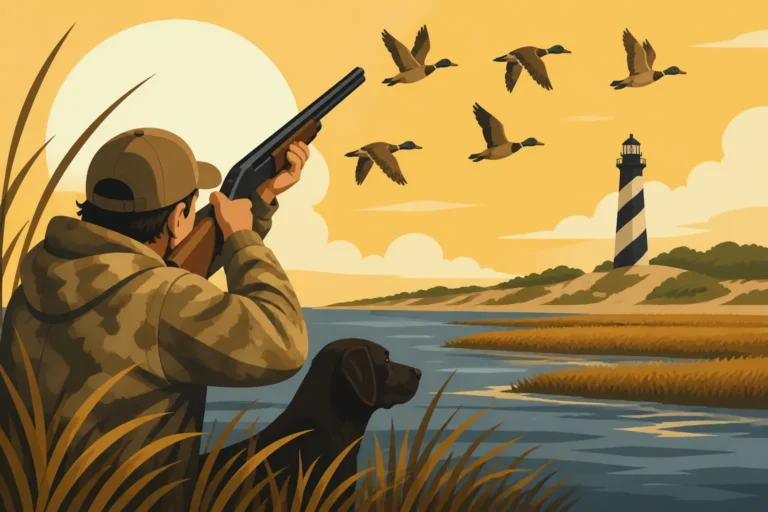
There's nothing quite like the dream of a successful waterfowl hunt on the legendary Lake Mattamuskeet, but for many North Carolina hunters, the thought of actually securing a prime duck blind feels like hitting the lottery. It's true, getting one of those coveted spots involves a special draw, and understanding how it all works can be a real headache. This guide is here to walk you through the entire process, from applying to what to expect if your number gets called, ensuring you're as prepared as possible for your shot at a memorable hunt.
Understanding the Mattamuskeet Duck Blind Draw System
Lake Mattamuskeet is a crown jewel of North Carolina's waterfowl hunting, drawing birds and hunters from all over. The sheer popularity means access has to be carefully managed, and that's where the duck blind draw comes in. It’s a lottery system designed to give everyone a fair shot at hunting one of the refuge's designated blinds, preventing a chaotic free-for-all and ensuring sustainable pressure on the bird populations. It's not first-come, first-served, and you can't just show up and expect to hunt a blind.
The Lottery System Explained
At its heart, the Mattamuskeet duck blind draw is a true lottery. You put your name in, figuratively speaking, and hope the computer gods smile upon you. The system is set up to distribute the available blinds across various hunt dates throughout the season. Hunters typically apply for specific periods or types of hunts, and then a random drawing selects the lucky few. This can be a source of real frustration, especially for those who apply year after year without success. It feels like throwing your hat into a massive ring, sometimes without ever seeing your name pulled out. But the truth is, this is the fairest way to handle such high demand for a truly unique hunting experience. Each blind on the refuge is a designated location, and the draw assigns you to one of these spots for a specific hunting day or multi-day period.
Key Dates and Application Windows
Staying on top of the deadlines is probably the most critical part of even having a chance at a Mattamuskeet hunt. The specific application periods are announced well in advance, usually in late summer or early fall, by the North Carolina Wildlife Resources Commission (NCWRC) and the refuge itself. You'll need to keep a close eye on their official websites or publications. Missing the window by even a day means you're out of luck for the entire season. It's not like buying a regular license where you can just hop online anytime. Think of it more like applying for a specific big-game quota hunt; there’s a hard cutoff. Once the application period opens, you'll submit your preferences, often ranking specific dates or hunt types. Remember, these dates are strictly enforced, so mark your calendar as soon as they're released! North Carolina Waterfowl Zones and Seasons provides a good overview of the broader seasons to help you plan.
Navigating the Application Process
Applying for a Mattamuskeet duck blind might seem daunting at first, especially if you're new to these kinds of quota hunts. However, once you understand the steps, it's quite straightforward, though the anticipation of the draw results can still be nerve-wracking!
Step-by-Step Submission Guide
The application for the Mattamuskeet duck blind draw is typically handled through the NCWRC's online system. You'll need an active North Carolina hunting license with the appropriate federal and state migratory bird certifications. If you haven't already, make sure you've taken care of your North Carolina Migratory Bird Certification. Here's a general breakdown of what to expect:
- Access the Application Portal: Head to the NCWRC's official website and look for the "Managed Hunts" or "Quota Hunts" section. Mattamuskeet will be listed there.
- Log In or Create an Account: You'll need your NCWRC customer ID and password. If you don't have one, you'll need to create it, linking it to your hunting license.
- Find the Mattamuskeet Draw: Navigate through the options until you find the Mattamuskeet National Wildlife Refuge duck blind draw.
- Review Regulations and Dates: Before applying, thoroughly read all the specific rules and available hunt dates for the upcoming season. Pay close attention to party size limits and any special requirements.
- Submit Your Application: You'll often be asked to select your preferred hunt dates or periods. Some draws allow you to select a first, second, and third choice, or a block of dates. The more flexible you are, the better your odds, though you might end up with a less-than-ideal date. You'll pay a small, non-refundable application fee at this stage.
It's a process that requires attention to detail, but it's worth it for the potential reward.
Common Pitfalls to Avoid
There are a few common mistakes hunters make that can lead to frustration or even disqualification from the draw:
- Missing Deadlines: This is the biggest one. Set reminders, tell your hunting buddies to remind you—whatever it takes. The system will not accept late applications.
- Incorrect License/Certifications: Ensure all your hunting licenses, including the federal duck stamp and state migratory bird certifications, are current and valid before applying. If you win a draw but aren't properly licensed, you could forfeit your spot.
- Applying Multiple Times: Don't try to game the system by applying under different names or with multiple accounts. This is usually against the rules and can lead to all your applications being disqualified. One application per hunter, per draw period.
- Not Understanding Party Size: Some draws are for individuals, while others are for groups. Make sure you understand the rules for adding hunting partners to your application, if applicable. If you're drawn for a blind that accommodates a certain number of hunters, be sure your group meets or doesn't exceed that limit.
- Not Researching the Refuge Rules: Mattamuskeet is a National Wildlife Refuge, which means it often has more stringent rules than typical Game Lands. Always review the refuge-specific rules on their official website. Knowing what's allowed (e.g., specific shot types, boat motor restrictions, retrieval rules) is crucial. Mattamuskeet National Wildlife Refuge Hunting Rules is a great place to start.
What to Expect If You Draw a Blind
The excitement of getting that notification email or seeing your name on the draw list is incredible. It’s a moment of pure joy for any waterfowl hunter. But the draw is just the beginning. The actual hunt at Mattamuskeet comes with its own set of logistical considerations and unique experiences.
Pre-Hunt Logistics and Permit Retrieval
Once you've drawn a blind, there are usually specific steps you need to follow to claim your spot and get ready for the hunt.
- Confirm Your Acceptance: You might need to confirm your acceptance of the hunt date within a certain timeframe. Don't let this deadline slip by!
- Permit Packet: The refuge or NCWRC will typically send you a permit packet or instructions for retrieving your permit. This might include maps, specific rules, and contact information. Read every single page of this packet carefully. It contains vital information about check-in times, designated boat ramps, and what you absolutely cannot do.
- Mandatory Orientation/Briefing: For some managed hunts on refuges, there might be a mandatory pre-hunt orientation or briefing you and your party must attend. This is where refuge staff go over safety protocols, boundary lines, and any last-minute changes. Missing it often means forfeiting your hunt.
- Scouting (Limited): While you can't typically scout your exact assigned blind beforehand, you can use tools like onX Hunt to study the broader refuge map. Look at access points, water depths (if available on the map layer), and potential flight corridors in the general vicinity of where the blinds are located. This kind of satellite reconnaissance can give you a mental edge even if you haven't put boots on the ground at your specific blind.
On the Day of the Hunt: From Check-in to Blind
The day of your Mattamuskeet hunt will be an early start, no doubt. The logistics are typically well-organized but require your cooperation.
- Early Check-in: Expect to check in at a designated refuge office or station well before legal shooting light. This is where you'll present your permit, show your licenses, and potentially receive a special tag or instructions for your blind. Staff will usually confirm your party size.
- Boat Access: Accessing the blinds on Mattamuskeet usually involves a boat. Be prepared with a reliable vessel that meets refuge requirements (e.g., motor size limits). You'll typically launch from a designated ramp and follow specific routes to your blind. The refuge is a huge body of water, and navigating it in the dark can be tricky, so paying close attention to maps and any provided waypoints is crucial.
- Blind Setup: The blinds themselves are generally permanent structures, often sturdy wooden boxes or platforms. You'll bring your own decoys, calls, and comfort items. Setting up your spread efficiently in the dark is part of the challenge and the fun. Consider your decoy spread carefully – are you hunting dabblers, divers, or a mix? Think about how the birds will approach. Decoy Spreads for Currituck Sound Divers offers great advice that can be adapted.
- The Hunt: Once legal shooting light arrives, it's game on. The sounds of hundreds of other hunters' calls and shots echoing across the vast lake are part of the unique Mattamuskeet experience. Be mindful of ethical shooting distances and always identify your target clearly.
- Check-out: After your hunt, you'll need to check out at the designated station, reporting your harvest. This data is critical for wildlife management and helps ensure future hunting opportunities. North Carolina Duck and Goose Bag Limits will be strictly enforced, so know your limits and identify your birds correctly.
Tips for Maximizing Your Chances and Your Hunt
While the draw itself is pure luck, there are certainly ways to improve your odds of success on the water, both in drawing a blind and in having a productive hunt if you're selected.
Strategies for the Draw
Don't just blindly apply; a little strategy can go a long way in navigating the Mattamuskeet draw.
- Be Flexible with Dates: If your schedule allows, apply for dates that might be less popular. Mid-week hunts, or dates early or late in the season, often have better odds than prime weekend slots or dates when migration is typically peaking. While everyone wants to hit the main migration, a less-pressured blind on an "off" day can still yield great results.
- Apply as a Group (If Allowed): Sometimes, applying as a party can pool your chances if multiple individuals are applying for the same blind category. However, make sure you understand the group application rules, as they vary. Having a solid hunting crew ready to go is half the battle; ensuring everyone has their proper North Carolina Coastal Duck Zone Rules licenses and certifications is critical.
- Understand Preference Points: Some managed hunt systems use a preference point system, where unsuccessful applicants gain a point that increases their odds in future draws. Check if the Mattamuskeet draw has such a system and how to accrue points if it does. This incentivizes consistent application, even if you don't get drawn every year.
Making the Most of Your Hunt Day
So you got drawn! Congratulations! Now, how do you make sure that coveted permit translates into a fantastic hunt?
- Scout Smarter, Not Harder: Even if you can't physically pre-scout your specific blind, you can use mapping tools like onX Hunt to understand the overall landscape of the refuge. Look at past weather patterns, wind directions, and the typical flight paths of birds in that area. Identifying pinch points, major water features, or open areas where birds might feed or rest can inform your decoy setup and calling strategy. Knowing the contours of the shoreline and any deeper channels can also aid in safe navigation, especially if you're Hunting the Outer Banks Marsh and encountering similar coastal conditions.
- Gear Up for All Conditions: Coastal North Carolina weather is notoriously fickle. One day it's mild, the next it's freezing rain with a stiff wind. Be prepared for everything. Pack layers of clothing—wool or synthetics are best—and bring good rain gear. Warm, waterproof boots or Waders for Sound-Side Marsh Hunting are non-negotiable. Don't forget essentials like headlamps, extra batteries, a thermos of hot coffee, and plenty of snacks.
- Decoys and Calling Strategy: The blinds are fixed, so your decoys and calling are your main variables. Bring a good spread of decoys, including a mix of dabblers and divers if that's what you expect. Motion decoys can be incredibly effective on pressured birds. For calling, learn to read the birds. Sometimes aggressive calling works; other times, a soft chuckle or contented feeding call is all it takes. Practice your calls beforehand and know when to switch tactics.
- Safety First: Hunting from a fixed blind over water presents unique safety considerations. Always wear your life jacket when boating, even if the water seems calm. Be mindful of other hunters' positions and never swing your gun outside your zone of fire. Bring a first-aid kit, and let someone know your plans and expected return time. Public land hunting, especially in crowded spots, demands heightened awareness. Always know the North Carolina Public Land Hunting Hours and stick to them.
The Mattamuskeet duck blind draw is more than just a hunt; it's an experience rooted in North Carolina's rich waterfowl heritage. With careful planning, persistent application, and smart hunting strategies, you can make the most of your chance at this truly special destination.
Disclaimer
This article is for general informational purposes only and does not constitute professional advice. Laws, prices and regulations vary by location and change over time. Consult a qualified professional for guidance on your specific situation.