Which North Carolina County Has the Most Public Land
For many North Carolina hunters, the dream of unlimited public access feels like a distant fantasy, especially when facing "No Trespassing" signs on every private parcel. It's a real frustration to drive for hours, only to find yourself confined to tiny slivers of huntable ground. But what if you knew where the vast, sprawling tracts of public land truly lay? This guide will dive deep into identifying which North Carolina counties offer the most public hunting opportunities, exploring the unique landscapes they present, and providing actionable strategies to make the most of these expansive wild spaces.
Unpacking the Public Land Giants: Which Counties Lead the Way?
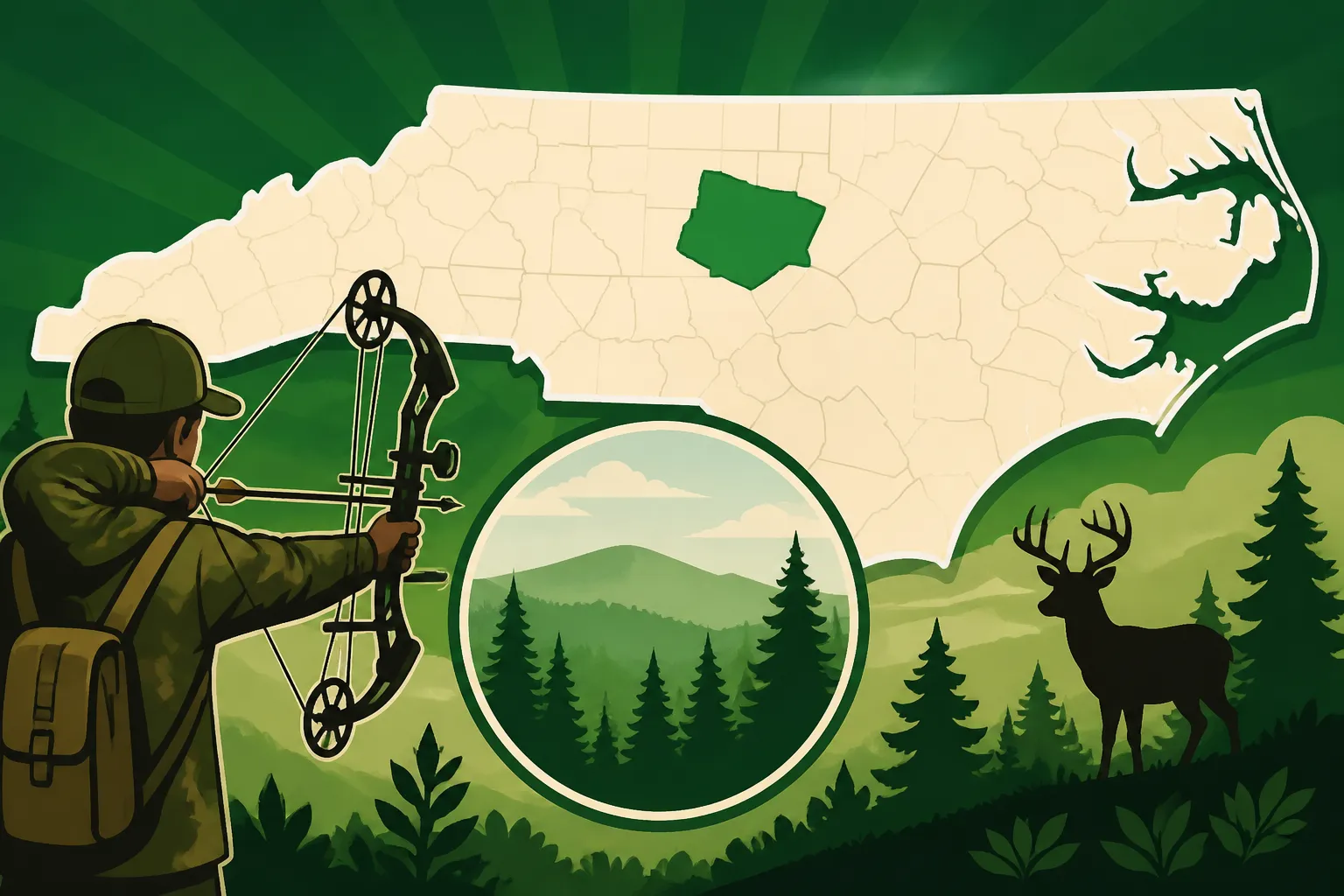
When you look at a map of North Carolina's public lands, two distinct regions immediately stand out for their sheer acreage: the rugged mountains of the west and the vast, swampy coastal plain of the east. These areas contain the vast majority of the state's huntable public land, primarily through national forests, national wildlife refuges, and extensive state game lands. Understanding which counties hold the largest pieces of these public treasures is the first step in planning a successful hunt.
The Mountainous Reign: Western North Carolina's National Forests
In the western part of our beautiful state, the Pisgah and Nantahala National Forests are truly the kings of public land. These two massive national forests, administered together, sprawl across numerous counties, offering millions of acres of challenging yet incredibly rewarding hunting grounds. While many counties contain portions of these forests, a few stand out as having the most contiguous and significant acreage.
Counties like Swain, Macon, Haywood, Transylvania, and Jackson consistently rank high when it comes to national forest land. Imagine venturing into Swain County, where vast stretches of the Nantahala National Forest meet the Great Smoky Mountains. While the national park itself is generally off-limits for hunting, the surrounding national forest offers incredible opportunities for deer, bear, and even grouse. Nantahala National Forest Hunting is a unique experience, with steep terrain, dense rhododendron thickets, and remote basins that hold mature game. Similarly, Transylvania County boasts significant portions of the Pisgah National Forest, famous for its deep coves, high ridges, and abundant hardwoods. The sheer size of these areas means that even during opening weekend, you can find solitude if you're willing to walk a little further or climb a bit higher. This is where a reliable mapping tool, like onX Hunt, becomes invaluable for discerning land ownership and navigating complex boundaries in the backcountry.
Coastal Expanses: Eastern North Carolina's Game Lands and Refuges
Venturing eastward, the landscape dramatically shifts, but the opportunities for extensive public land hunting remain. The Coastal Plain is home to sprawling game lands and a network of national wildlife refuges that together form some of the largest contiguous public hunting areas in the state. Here, the terrain is flatter, often wetter, and characterized by vast pocosins, dense pine plantations, and bottomland hardwoods.
Counties such as Hyde, Dare, Washington, and Tyrrell often feature prominently in discussions about coastal public land. Hyde County, for example, is synonymous with Mattamuskeet National Wildlife Refuge, offering incredible waterfowl hunting and significant deer opportunities on surrounding game lands. Dare County also holds large tracts within the Alligator River National Wildlife Refuge and associated game lands, known for their strong black bear populations and challenging deer hunting in thick cover. Hunting the Coastal Plain and Sandhills presents a very different set of challenges and rewards compared to the mountains. The Holly Shelter Game Land, stretching across Pender and Onslow counties, is another immense tract that hunters flock to for its bear, deer, and small game. These eastern public lands, while often requiring different tactics—think waders and bug spray over climbing boots—offer just as much potential for adventure and success. The sheer scale allows for a true wilderness experience, far from the pressures of suburban development.
What Makes These Public Land Hubs So Special for Hunters?
It's one thing to know where the public land is, but it's another to understand why these particular counties and their associated land types offer such compelling opportunities. The answer lies in the diversity of habitats, the wide array of game species supported, and the inherent challenges that push hunters to grow their skills.
Diverse Habitats and Game Species
The counties with the most public land are rich in biodiversity, thanks to their varied ecosystems. In the western mountains, the national forests present a mosaic of mature hardwood forests, dense rhododendron thickets, high-elevation spruce-fir stands, and winding creek bottoms. This variety supports robust populations of white-tailed deer, black bear, wild turkeys, and small game like squirrels and grouse. Hunting the North Carolina Mountains demands a hunter who can read topography, understand wind and thermals, and adapt to steep, rugged terrain. You'll find deer often sticking to the steepest slopes and thickest cover, making for a challenging but rewarding pursuit. The ample mast crops, like acorns and hickory nuts, provide critical food sources, drawing game to specific areas that savvy hunters learn to identify.
On the Coastal Plain, the habitat transforms into vast expanses of longleaf pine savanna, dense pocosin swamps, cypress-tupelo bottomlands, and agricultural fringes. These unique environments are prime territory for deer, some of the state's largest black bears, and a huge diversity of waterfowl. Waterfowl Hunting Currituck Sound and the Coast is a classic example of how coastal public lands excel, with ducks and geese migrating through the Atlantic Flyway. Wild hogs are also prevalent in many coastal game lands, offering a year-round hunting opportunity that helps manage their destructive impact. The thick cover and often wet conditions demand different strategies and gear, but the rewards can be substantial, often in the form of heavy-bodied deer and truly massive bears.
Opportunities Beyond Deer: Bear, Turkey, and Small Game
While deer hunting is often the primary draw, these expansive public lands offer much more. North Carolina is renowned for its bear hunting, and the counties with extensive national forest and coastal game land are prime locations. In the mountains, Bear Hunting North Carolina's Coast and Mountains involves scouting remote areas for mast crops or tracking sign in thick laurel patches. On the coast, the vast pocosins provide incredible refuge for bears, allowing them to grow to immense sizes. Hunters often utilize methods unique to these environments, sometimes involving still-hunting or, where permitted, dog hunting.
Wild turkeys also thrive in these public land havens. The patchwork of hardwoods and clearings in the national forests offers excellent roosting and feeding habitat for spring gobblers. Spring Turkey Hunting in North Carolina on public land can be challenging due to pressure, but the sheer size of the land means there's always new ground to explore. On the coast, turkeys utilize the pine forests and swamp edges, often requiring run-and-gun tactics to cover ground and locate birds. Beyond big game, the opportunities for Squirrel and Small Game Hunting in North Carolina are excellent. Imagine a crisp autumn morning, walking the oak ridges of Pisgah, listening for cutting squirrels, or navigating a coastal bottomland for rabbits. These smaller game species provide fantastic hunting experiences and are often less pressured than deer or turkey.
Navigating the Challenges and Maximizing Your Hunt
Hunting vast public lands, especially in the largest counties, comes with its own set of hurdles. From understanding complex regulations to dealing with hunting pressure, it's not always a walk in the park. However, with the right approach and a few modern tools, these challenges can be overcome, leading to highly successful and memorable hunts.
Understanding Access and Regulations
One of the biggest differences between hunting private and public land is the regulatory framework. North Carolina's public lands, particularly Game Lands and National Forests, often have specific rules that vary from statewide regulations. For instance, some game lands might have special permit hunts, different weapons restrictions, or unique signage requirements. It's crucial to consult the North Carolina Wildlife Resources Commission (NCWRC) regulations digest and individual game land maps before you go. North Carolina Game Lands are managed differently, and some areas might have restricted vehicle access or specific camping rules. For example, Treestand Rules on North Carolina Public Land might dictate that stands be removed at the end of the season or not damage trees.
It's not just about the rules; it's also about physical access. Many of the most remote and productive areas within these large public land counties require significant hiking. Forest Service roads might be gated or impassable during certain times of the year. Being prepared for a long walk is key. Having a clear understanding of where you can park, where trails lead, and how far you'll be from your vehicle is paramount for safety and success. Always check the local ranger district or game land office for current conditions and access advisories.
Beating the Pressure: Finding Your Secluded Spot
Let's be realistic: public land, especially on opening day or during peak rut, can feel crowded. However, the counties with the most public land offer enough acreage that pressure can often be mitigated if you're willing to put in the effort. Most hunters won't venture more than a mile or two from a road or parking area. This creates natural sanctuaries for game deeper in the woods.
To find these less-pressured spots, focus on areas that require significant physical exertion to reach – steep climbs in the mountains, or deep, swampy slogs on the coast. Look for natural barriers like wide creeks, thick briar patches, or extreme elevation changes that deter casual hunters. Scouting before the season is absolutely critical. Use aerial photos to identify remote ridges, hidden benches, or thickets that might serve as bedding areas. Scouting North Carolina Public Land Before Season can involve looking for old logging roads that have grown over, or abandoned clear-cuts that offer dense cover and forage. Often, the best spots are those that look difficult to access on a map, because they usually are—and that's exactly why the game, and fewer hunters, will be there.
Leveraging Technology for Success
In today's hunting world, technology is a game-changer, especially on vast public lands where getting lost or misunderstanding boundaries can have serious consequences. Tools like mapping apps are essential. onX Hunt is a fantastic example, allowing you to clearly see public and private land boundaries, topo lines, satellite imagery, and even mark your own waypoints for stand locations, rub lines, or water sources. This eliminates guesswork and helps you stay on track, even in the densest cover.
Another valuable tool for detailed planning and research is GoHunt. While often associated with Western hunts, the principles of in-depth unit analysis, drawing odds, and scouting tools are highly applicable to understanding the nuances of large game lands and national forests in North Carolina. It encourages a deeper dive into the specific characteristics of your chosen hunting area. These apps aren't just for navigation; they're for strategic planning. You can use them to identify natural funnels, determine escape routes for deer, and even estimate walking distances to those secluded spots you've found. Using the NC Wildlife Map Tool in conjunction with commercial apps can give you the most comprehensive picture of any given area.
Planning Your Expedition: Practical Tips for Public Land Hunters
Beyond knowing where to go and how to use your tools, successful public land hunting requires meticulous planning and the right gear. These large tracts, often remote, demand a higher level of self-sufficiency and preparation.
Essential Gear for Extended Stays
When you’re heading into vast public land, especially in the larger counties, you might find yourself far from your vehicle for an entire day, or even setting up a primitive camp. Your gear needs to reflect this. A good quality backpack, like those recommended in Packs for a Pisgah Forest Day Hunt, is non-negotiable. It needs to comfortably carry water, food, first-aid supplies, emergency shelter, and any extra layers of clothing. In the mountains, waterproof hiking boots with good ankle support are crucial for navigating steep, uneven terrain. On the coast, rubber boots or waders are often necessary to contend with muddy conditions and standing water.
Beyond the basics, think about communication. Cell service is often spotty or nonexistent in many remote public land areas. A reliable GPS unit, or a downloaded map on your phone with a portable charger, is vital. Consider carrying a whistle or a satellite messenger for emergencies. For meat care, especially during warmer early seasons, bring game bags and a plan for cooling meat quickly, even if it means an extra trip back to the truck. Remember, you’re often far from any facilities, so plan for everything from hydration to hygiene.
Scouting Smart: Before and During Season
You've identified the counties with the most public land, perhaps pinpointed a specific game land or national forest area. Now comes the hard work: scouting. This isn't just a pre-season activity; it's an ongoing process. Before the season, pore over maps, looking for subtle changes in topography, pinch points, and potential food sources. Identify different timber types and note where water sources are. Look for signs of recent logging or prescribed burns, as these can drastically alter game movement.
During the season, your scouting continues. Every time you're in the woods, you're gathering intelligence. Look for fresh tracks, rub lines, scrape lines, and feeding areas. Note where other hunters are setting up and try to find unpressured pockets. Pay attention to how game reacts to hunting pressure; they will quickly adapt their patterns. Finding Ground Others Walk Past is often the key to success. This might mean following a rarely used game trail deeper into a swamp or climbing to a high ridgeline that discourages most hunters. Remember, these large public land areas are constantly changing, and staying adaptable and observant will greatly increase your chances of success. And don't forget to secure your North Carolina Hunting Licenses and What They Cost well in advance!
Disclaimer
This article is for general informational purposes only and does not constitute professional advice. Laws, prices and regulations vary by location and change over time. Consult a qualified professional for guidance on your specific situation.