Holly Shelter Game Land Access
The dense, seemingly impenetrable pocosins and vast expanses of North Carolina's Holly Shelter Game Land can be incredibly intimidating for any hunter, often leading to confusion about where to even begin. Its unique blend of coastal plain habitat and specific regulations means that showing up unprepared can quickly lead to a frustrating, unproductive day afield. This guide is your detailed roadmap, designed to demystify Holly Shelter, outlining exactly how to gain access, understand its rules, and successfully navigate its challenging yet rewarding hunting opportunities.
Understanding Holly Shelter Game Land
Holly Shelter Game Land is one of North Carolina's crown jewels of public hunting, but it’s not your average woodlot or open timber stand. Spanning tens of thousands of acres in Pender County, it represents a truly wild and untamed piece of the coastal plain. Before you even think about setting foot on its trails, it's crucial to grasp the fundamental characteristics that make Holly Shelter so distinct and, at times, demanding.
Geographic Location and Size
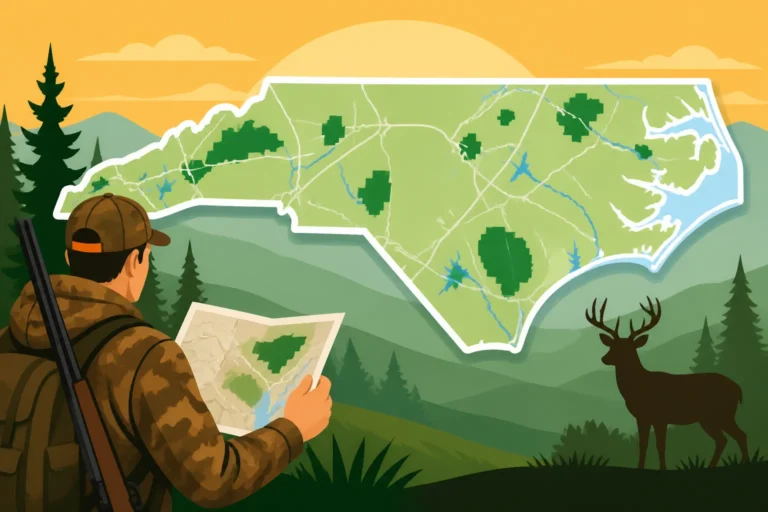
Situated primarily in Pender County, with portions extending into adjacent areas, Holly Shelter is a massive tract of land. Its sheer scale can be daunting, stretching for miles in every direction, encompassing a mosaic of habitat types from dense pocosins to open longleaf pine savannas. Its proximity to the coast means it experiences unique weather patterns and influences, often making for humid, wet conditions. Understanding its geographic spread is the first step in planning any hunt, as you can spend days exploring different areas without ever truly seeing it all.
This immense size also contributes to its wild character, meaning that while hunting pressure can be high near easily accessible points, vast stretches of the interior remain relatively untouched by human activity. This provides opportunities for solitude and for encountering less pressured game, but it also demands a higher level of self-sufficiency and navigational skill. Hunters coming from the Piedmont or Mountains will find the terrain dramatically different, with elevation changes being minimal, but water and dense vegetation becoming the primary obstacles.
Unique Habitat Features
The defining feature of Holly Shelter is its pocosin habitat. These are shrub-bog ecosystems, characterized by dense, evergreen shrubs, tangled vines, and often standing water. They are incredibly difficult to traverse, often requiring hunters to push through thick brush that can be taller than a person, or wade through boggy ground that can suck the boots right off your feet. However, these same pocosins provide invaluable cover and refuge for game, making them prime hunting grounds for North Carolina's Black Bear Population and Feral Hogs Across North Carolina.
Beyond the pocosins, you'll find areas of longleaf pine savannas, cypress-gum swamps along creek bottoms, and some upland pine forests. This diversity means that game animals can utilize different areas depending on food availability, season, and pressure. The longleaf areas, for instance, might hold different food sources than the deeper swamps, influencing deer and bear movement. It's a complex ecosystem where understanding the interplay of these habitat types is key to successful scouting and hunting.
Primary Game Species
Holly Shelter is renowned for several game species, drawing hunters from all corners of the state. It's a prime destination for deer, particularly due to the extensive cover and varied food sources available. The deer here are often hardy and adapt to the tough environment, making for a challenging but rewarding hunt. For those interested in pursuing larger game, Holly Shelter offers excellent opportunities for both black bears and feral hogs. Bears thrive in the thick pocosin cover, and hogs are abundant, offering a year-round hunting challenge for the latter.
Small game like squirrels and rabbits can also be found, particularly in the more open pine or hardwood areas, providing additional hunting opportunities. The various swamps and wetlands also attract migratory waterfowl, though specific access and regulations for duck hunting can be more complex. Truly, Holly Shelter is a multi-species hunting paradise, provided you're willing to put in the effort to learn its nuances.
Access Points and Entry Rules
Getting into Holly Shelter isn't always as simple as pulling off the highway. Its wild nature and management priorities mean that access is controlled, with specific rules governing where you can enter and how you can travel within the game land. Disregarding these rules can lead to fines and a ruined hunt, so pay close attention.
Designated Parking and Gates
Like most major North Carolina Game Lands, Holly Shelter has designated parking areas and gated access points. These gates are crucial to observe: some are open seasonally or during specific hunting days, while others are permanently closed to vehicles, indicating walk-in access only. It's imperative to check the current NC Wildlife Resources Commission (NCWRC) regulations or their interactive mapping tools (like the one found at Using the NC Wildlife Map Tool) before heading out. Trying to bypass a locked gate is not only illegal but can also put you in a dangerous situation if you get stuck or need emergency assistance.
These parking areas are often clearly marked, but during peak seasons, they can fill up quickly. Arriving early is often the best strategy to secure a spot, especially on opening day or during popular weekends. Pay attention to signage at these entry points; they will often have the most up-to-date information regarding specific area closures or special regulations for that particular day or season.
Vehicle Restrictions and Road Conditions
Within Holly Shelter, vehicle access is strictly regulated. Many roads are dirt or sand tracks, and some are designated as walking-only or closed to motorized vehicles entirely. Even on open roads, four-wheel drive is often highly recommended, if not essential, especially after heavy rains, which can turn sandy tracks into muddy bogs. It’s not uncommon to see vehicles stuck deep in the mud, requiring expensive towing services.
The condition of these roads can change rapidly with weather, so always be prepared for rough travel. Pay attention to signs indicating "no vehicle access" or "foot traffic only." Violating these rules can damage sensitive habitat, disturb other hunters, and result in substantial penalties. Stick to designated vehicle trails and always be aware of your surroundings, as you might encounter other hunters, wildlife management personnel, or even logging operations.
Walk-In Zones and Special Access
A significant portion of Holly Shelter is designated as walk-in only, providing refuge for game and opportunities for hunters willing to put in the effort. These areas often hold less pressured animals, but they demand excellent physical condition and robust navigational skills. Prepare for long walks, sometimes through challenging terrain, carrying all your gear.
For some areas, especially those deep within the swamps or along the Northeast Cape Fear River, boat access might be the only practical option. If you plan to use a boat, be sure to understand any restrictions on motor size or type, and always carry appropriate safety gear. Exploring the numerous canals and creeks can open up new hunting opportunities but also adds layers of complexity in terms of navigation and game retrieval.
Permits, Licenses, and Regulations
Hunting Holly Shelter isn't a casual endeavor; it requires specific permits and adherence to a detailed set of regulations that go beyond basic statewide rules. Misunderstanding these can lead to major issues.
Required Licenses and Game Lands Permit
First and foremost, you'll need a valid North Carolina hunting license, specific to the type of game you intend to pursue. Beyond that, a Game Lands Permit is absolutely non-negotiable for hunting on Holly Shelter and any other state game land. This permit is an annual requirement and grants you the privilege to hunt these managed public areas. For nonresident hunters, the cost and options will differ, so it's critical to review North Carolina Nonresident Hunting License Options before planning your trip.
It's also crucial to understand if any special permits or stamps are required for specific species, such as a North Carolina Bear Management Stamp Rules if you're targeting bears. Always carry all your licenses and permits with you while afield, preferably in a waterproof holder, as wildlife enforcement officers frequently patrol these areas and will ask to see them. Digital copies on your phone might be accepted, but a physical backup is always a good idea, especially in areas with no cell service.
Special Regulations for Holly Shelter
Holly Shelter Game Land often has regulations unique to its management plan. These can include:
- Check-in/Check-out Procedures: Some areas within Holly Shelter, or specific seasons, might require you to physically check in and out at designated stations or use an online system. This helps the NCWRC monitor hunter numbers and harvest data.
- Specific Season Dates: While general statewide seasons apply, Holly Shelter might have slightly different opening or closing dates for certain species, or specific days of the week designated for hunting. For example, some areas might be archery-only on certain days, or gun hunting might be restricted to specific periods. Always check the annual North Carolina Inland Fishing, Hunting & Trapping Regulations Digest for the most current information.
- Weapon Restrictions: Ensure your chosen firearm or bow is legal for the season and species you're pursuing on Holly Shelter. For instance, Crossbow Rules During North Carolina Archery Season can vary, so ensure you understand the current guidelines.
- Blaze Orange: Remember that North Carolina Blaze Orange Requirements apply to most gun seasons, and often even during archery seasons when gun seasons overlap on game lands.
Staying informed about these nuances is crucial for a lawful and enjoyable hunt. Don't rely on old information or assumptions; always verify the latest regulations directly from the NCWRC.
Understanding Boundary Lines
The boundaries of Holly Shelter Game Land can be complex, often bordering private property, which makes understanding where you can legally hunt paramount. Relying solely on physical boundary markers can be risky, as they may be damaged, missing, or difficult to see in dense cover. This is where modern mapping technology becomes an invaluable tool.
Applications like onX Hunt and GoHunt provide detailed satellite imagery overlaid with property lines, showing game land boundaries, public versus private land, and often even specific regulations for different sections. This can be a lifesaver when you're deep in the woods, trying to determine if you're still on public ground or if you're approaching a "no hunting" zone. Before your trip, download offline maps to your device, as cell service is often nonexistent in the interior of Holly Shelter. These tools can prevent accidental trespassing and ensure you stay within legal hunting areas.
Hunting Opportunities and Challenges
Holly Shelter is a place of immense opportunity, but it demands respect and preparation. The same features that make it a wildlife haven also present significant challenges to the hunter.
Targeting Big Game
For many, Holly Shelter is synonymous with big game hunting. The deer population is healthy, offering good chances at both bucks and does. Because of the thick cover, deer often grow to maturity, but their elusive nature in the dense woods means you'll need patience and sharp woodsmanship. Bear hunting is a major draw, with Holly Shelter Bear Hunting Access being a well-known topic. Bears thrive in the swamps and pocosins, and hunters often employ traditional still-hunting or stand hunting methods near known travel corridors or food sources. Feral hogs are abundant and can be hunted year-round, providing a thrilling challenge in their own right. Hunting hogs often involves scouting for fresh sign, like rooting and tracks, and then setting up an ambush or conducting still-hunts.
When pursuing big game in Holly Shelter, be prepared for tough retrieves. Dragging a deer or bear out of a deep pocosin can be an exhausting, multi-hour ordeal, even for a seasoned hunter. Planning your extraction route before the shot is a smart strategy. This kind of environment makes the importance of clear, accurate shot placement even greater, as Tracking a Deer Through North Carolina Leaf Litter is already tough, let alone through standing water and tangled vines.
Pursuing Small Game and Waterfowl
While big game often gets the spotlight, Holly Shelter also offers good small game hunting. Squirrels can be found in areas with mature hardwoods, and rabbits are common along edges and in thicker brush. These hunts can be a great way to introduce new hunters to the game land or to simply enjoy a less intense day afield. Shotguns are typically used for these species, and understanding patterns and effective ranges is key.
Waterfowl hunting, particularly for wood ducks, can also be productive in the numerous swamps, canals, and flooded timber areas. However, this often requires specialized gear like waders and decoys, as well as a thorough understanding of federal and state waterfowl regulations, including North Carolina Waterfowl Zones and Seasons. Accessing prime waterfowl spots often means traversing deep into the game land by foot or boat, adding to the adventure.
Dealing with the Environment
The environment itself is perhaps the biggest challenge at Holly Shelter. The combination of dense vegetation, standing water, and often high humidity means hunters must be prepared for everything Mother Nature can throw at them. Bugs, especially mosquitoes, ticks, and gnats, are a constant nuisance, often requiring copious amounts of repellent and protective clothing. The terrain is largely flat but can be uneven, with hidden holes and boggy spots.
Heat exhaustion is a real concern, particularly during early seasons. Hunters need to carry plenty of water and know their limits. Furthermore, the sheer vastness of the land means getting lost is a genuine possibility, especially if you venture off marked trails without adequate navigation tools.
Navigating the Terrain
Successfully hunting Holly Shelter is less about speed and more about smart navigation. You're not going to cover ground quickly, so efficiency and knowing where to go are paramount.
Using Mapping Technology
As mentioned, GPS mapping tools like onX Hunt are indispensable for navigating Holly Shelter. They provide real-time location tracking, allowing you to see your position relative to property lines, roads, and key habitat features. Before you leave home, study the maps thoroughly. Identify potential access points, likely bedding areas (often in the thickest pocosins), travel corridors (drier ridges, old logging roads, canals), and potential stand locations. Mark waypoints for your vehicle, stand sites, and any landmarks you identify.
Another excellent tool is the official NCWRC interactive game lands map, which integrates specific regulations and even recent activity reports. While GoHunt might be more geared towards Western hunts, the principle of using detailed satellite imagery and property line overlays remains critical for any public land hunt. Don't rely on your phone's default map app; invest in a dedicated hunting app and learn its features thoroughly.
Reading the Landscape
While maps are great, being able to "read" the actual landscape is an invaluable skill on Holly Shelter. Even subtle elevation changes, like a slight rise in terrain that stays dry during wet periods, can concentrate game movement. Look for edges where different habitat types meet – where a pocosin transitions into a pine stand, or where an old road cuts through dense brush. These transition zones are often natural travel corridors and feeding areas.
Canals and drainage ditches, though man-made, also act as highways for animals moving through the otherwise impenetrable swamp. Learn to identify fresh sign: tracks, scat, rubs, and active feeding areas. Pay attention to wind direction and thermals, especially near water, as they can behave differently than in more varied topography. Hunting Coastal Plain Pocosin Swamps requires a deep understanding of how these animals utilize the sparse dry ground and dense cover.
Dealing with Water
Water is an ever-present factor in Holly Shelter. It can dictate travel routes, provide food and cover, and also pose a significant obstacle. Many areas will have standing water, even during dry spells, and during or after heavy rains, large sections can become completely inundated. Waders or waterproof Rubber Boots for Swamp Walking are not just recommended, they're essential. Expect to get wet and muddy.
Understand how water levels fluctuate and how this might impact game movement. High water can push animals to drier ground, concentrating them in specific areas, while low water might open up new areas for feeding and travel. Be mindful of deep water, strong currents in canals, and soft, mucky bottoms that can be treacherous. Never venture into water you're unsure about, and always inform someone of your planned route.
Safety and Preparation
Hunting Holly Shelter is an adventure, but like any backcountry pursuit, it comes with inherent risks. Proper safety protocols and thorough preparation are non-negotiable.
Essential Gear for Swamp Hunting
Your gear choices can make or break a hunt in Holly Shelter. Beyond your weapon, licenses, and mapping tools, consider these essentials:
- Waterproof Boots/Waders: As discussed, expect to encounter water. Neoprene waders or tall, knee-high rubber boots are a must.
- Layered Clothing: Even in coastal North Carolina, temperatures can fluctuate. Layers allow you to adapt to changing conditions and manage moisture. Fast-drying synthetics are often preferred over cotton.
- Bug Repellent: Bring plenty. Mosquitoes and ticks are rampant. Permethrin-treated clothing is highly recommended.
- First Aid Kit: Comprehensive enough for cuts, scrapes, snake bites, and allergic reactions.
- Navigation Tools: GPS device or phone with offline maps, compass, and physical map as a backup.
- Headlamp/Flashlight: For early morning entries and late evening exits. Always carry spare batteries.
- Water and Snacks: Dehydration and bonking are real risks given the physical demands.
- Game Cart/Sled: If you plan to kill a big animal, consider how you'll get it out. A game cart or sled can be invaluable for the long drag, even in muddy conditions.
- Knife/Bone Saw: For field dressing.
- Gloves: For protection against thorns, briars, and potential disease while field dressing.
Wildlife Encounters and Hazards
Beyond the game you're pursuing, Holly Shelter is home to a variety of wildlife, some of which can pose a threat. Snakes, including venomous species like cottonmouths and rattlesnakes, are common, especially in wet, brushy areas. Always watch where you step and reach. Alligators are also present in the waterways and larger swamps; give them a wide berth.
Other potential hazards include stinging insects, poison ivy/oak, and aggressive feral hogs if cornered. Be aware of your surroundings, make noise as you move through dense cover, and always be prepared for an unexpected encounter. The best defense is awareness and prevention.
Emergency Planning and Communication
Because cell service is often unreliable or nonexistent in large portions of Holly Shelter, a robust emergency plan is vital.
- Inform Someone: Always tell a trusted friend or family member exactly where you're going, your planned route, and when you expect to return.
- Two-Way Radios: If hunting with a partner, two-way radios can be a lifesaver for communication when cell phones fail.
- Personal Locator Beacon (PLB) or Satellite Messenger: For solo hunters or those venturing deep, a PLB or satellite messenger (like a Garmin InReach or Spot device) can be an invaluable investment. These devices allow you to send SOS messages with your exact location, even without cell service.
- Stay Calm: If you get lost or injured, the first rule is to stay calm. Consult your map and compass, or activate your emergency beacon. Conserve energy and water.
Hunting Holly Shelter Game Land is a challenging but immensely rewarding experience. With the right preparation, knowledge, and respect for its unique environment, you can have a truly memorable North Carolina hunting adventure.
Holly Shelter Game Land Overview
| Feature | Description | Hunting Implications |
|---|---|---|
| Location | Primarily Pender County, North Carolina Coastal Plain. | Easily accessible from major interstates, but interior is remote. |
| Size | Tens of thousands of acres. | Vast area, allows for dispersal of hunters, but increases chances of getting lost. Requires long walks. |
| Primary Habitat | Pocosins (dense shrub-bogs), longleaf pine savannas, cypress-gum swamps. | Difficult to traverse, provides excellent cover for game. Navigation is challenging. |
| Key Game Species | White-tailed deer, black bear, feral hogs, squirrels, rabbits, waterfowl. | Diverse opportunities. Bear and hog hunting are especially popular. Requires specific tactics for dense cover. |
| Access | Designated gates and parking areas. Many roads are dirt/sand, some restricted to foot traffic. Boat access for certain areas. | Verify open gates/roads before going. 4×4 often needed. Prepare for extensive walk-in. |
| Regulations | Requires NC Hunting License + Game Lands Permit. Specific area/seasonal regulations. Check-in/out procedures possible. Blaze orange requirements. | Crucial to consult current NCWRC digest and Holly Shelter-specific rules. Don't assume statewide rules apply universally. |
| Challenges | Dense vegetation, standing water, bugs (mosquitoes, ticks), heat/humidity, limited cell service, potential for getting lost. | Requires appropriate gear (waders, repellent), strong navigation skills, and robust emergency planning. Physical fitness is a major asset. |
Disclaimer
This article is for general informational purposes only and does not constitute professional advice. Laws, prices and regulations vary by location and change over time. Consult a qualified professional for guidance on your specific situation.