Canada Geese on North Carolina Farmland
Canada geese populations on North Carolina farmlands include resident and migratory birds drawn to agricultural fields for food.
Know what you’re after.
Big game, small game, upland birds, and waterfowl — identification, behavior, rut and migration timing, and how each species moves through the season.
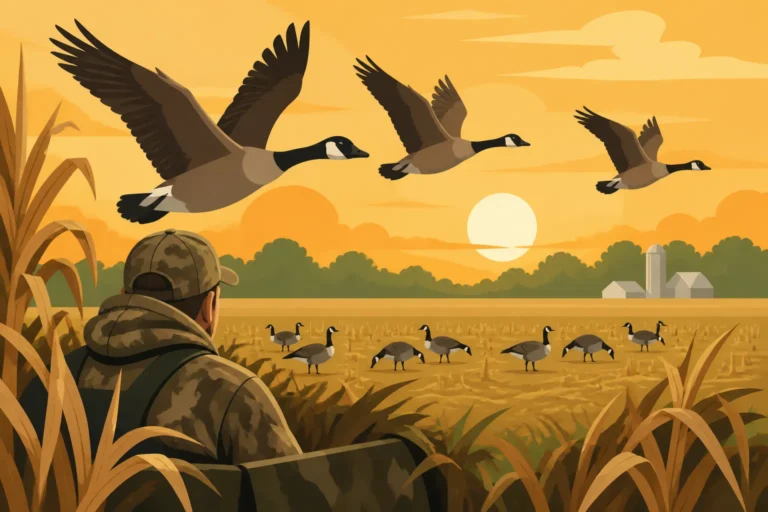
Canada geese populations on North Carolina farmlands include resident and migratory birds drawn to agricultural fields for food.
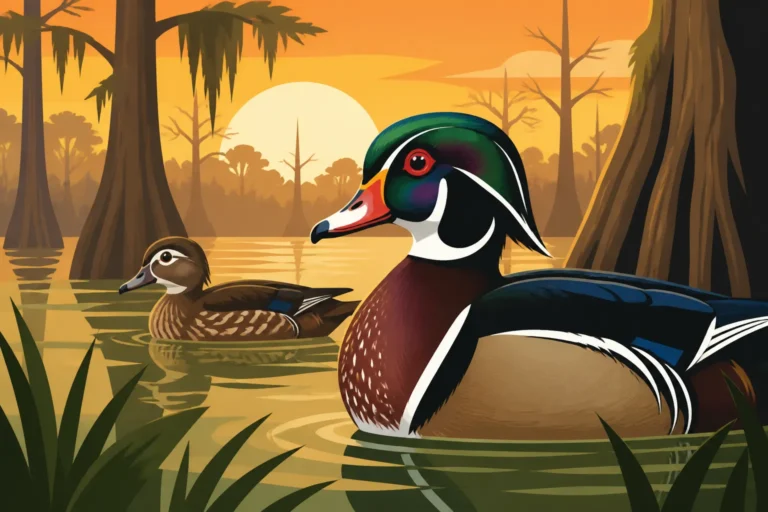
North Carolina swamp wood duck hunting tactics, cavity nesting habits, and flooded timber acorn foraging strategies explained.
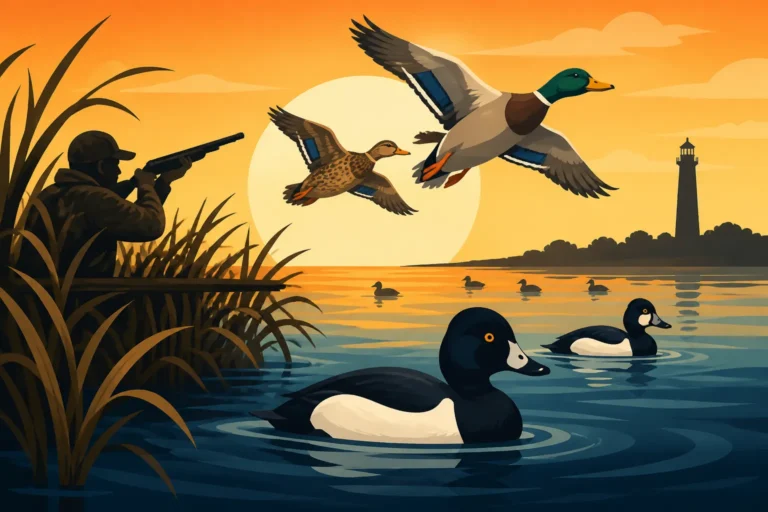
Currituck Sound duck hunting requires specialized tactics for navigating shallow waters, shifting weather, and diverse habitats.
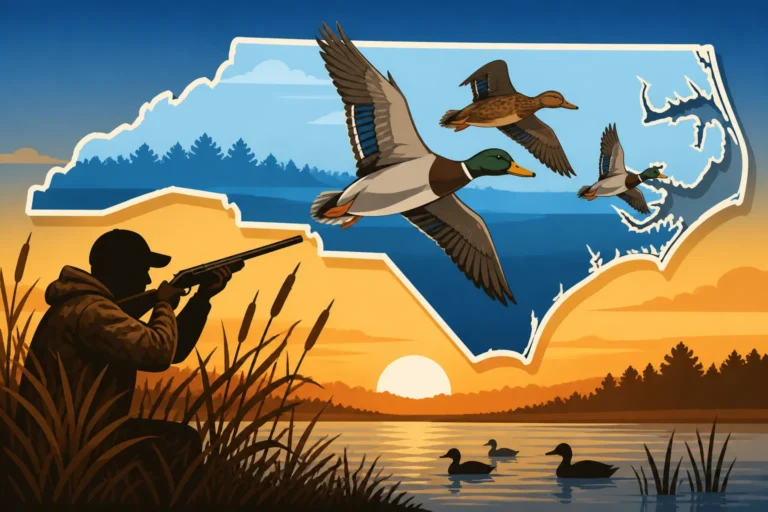
North Carolina waterfowl migration timing depends on decreasing daylight, northern cold temperatures, and local weather patterns.
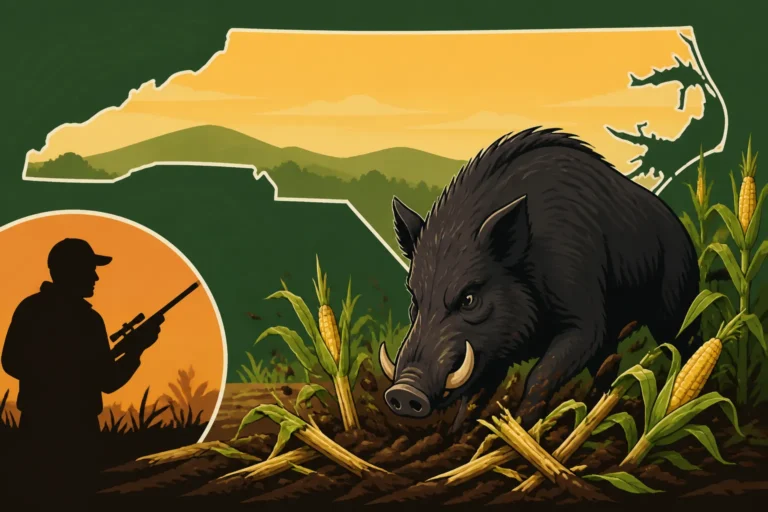
Feral hog damage to North Carolina agriculture, detailing destroyed cornfields, ruined soybean crops, and torn sweet potato farms.
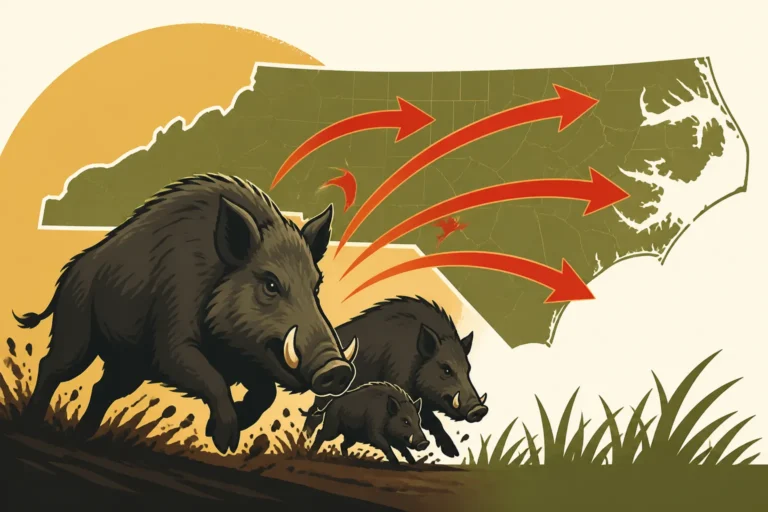
Wild hogs in North Carolina spread through centuries of domestic escapes, free-range livestock management, and intentional releases for sport hunting.
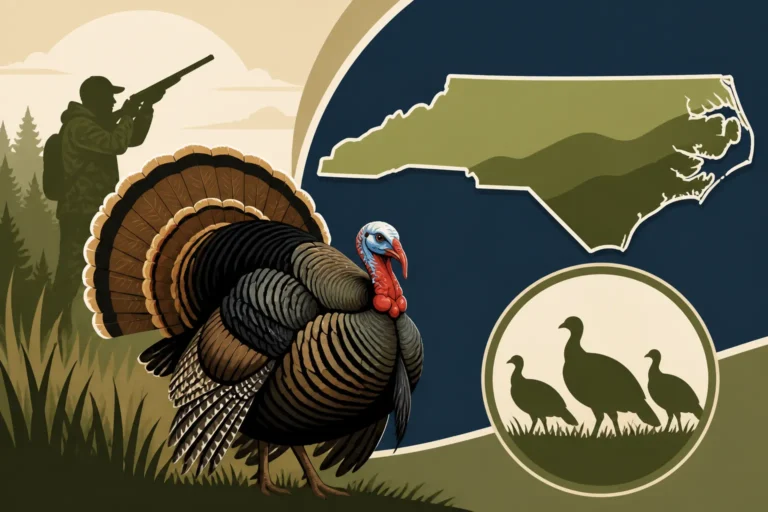
North Carolina wild turkey harvest data helps the Wildlife Resources Commission track population health and set hunting regulations.
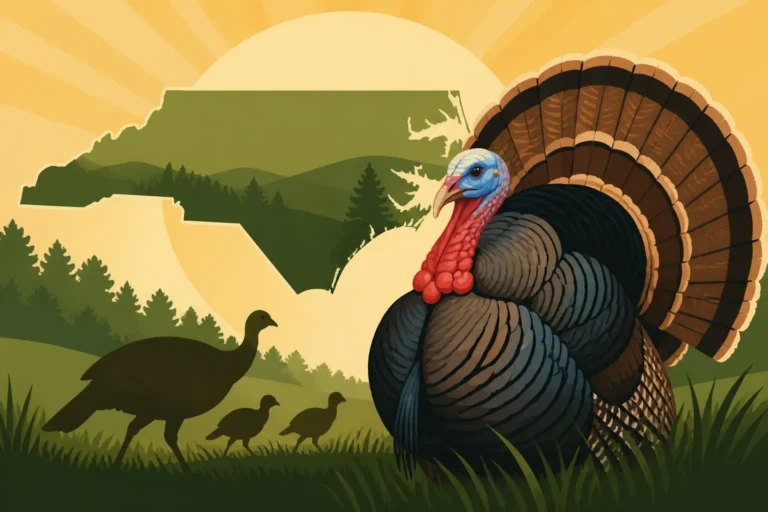
Wild turkey populations in North Carolina recovered from historical declines through dedicated conservation efforts and management.
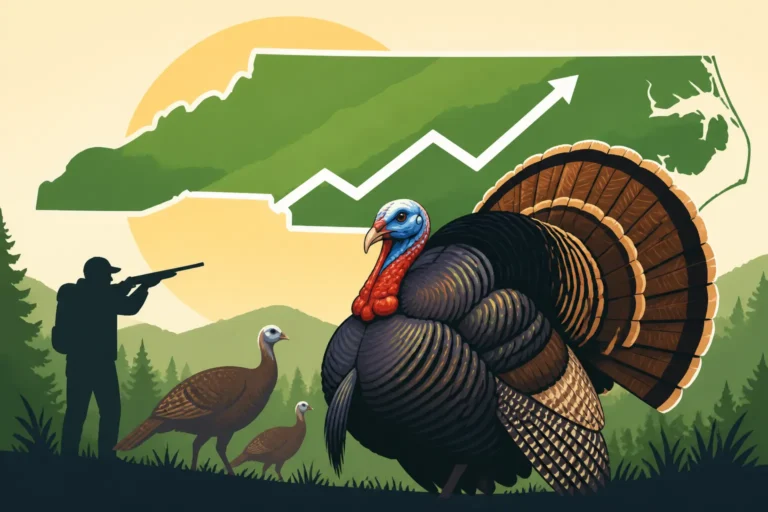
North Carolina wild turkey population trends, historical restoration successes, and current statewide wildlife numbers are explained here.

North Carolina black bear harvest reports explain population dynamics, county totals, sex breakdowns, and hunter success metrics.