Aging Venison in Cold Weather
You've done the hard work, braved the North Carolina chill, and successfully harvested a deer. The feeling of accomplishment is unmatched, but then comes the critical question: how do you ensure that prime venison reaches its full potential on your dinner table? Many hunters struggle with the post-harvest care, especially when it comes to dealing with the meat in varied temperatures. This guide will walk you through the essential steps and considerations for aging venison in cold weather, turning what could be tough, bland meat into tender, flavorful cuts.
Why Bother Aging Venison Anyway?
It’s tempting to get that deer from the field to the freezer as fast as humanly possible, especially if you're worried about spoilage. But trust me, taking a little extra time for proper aging can make a world of difference. It's not just a fancy term; it's a critical step that unlocks the true potential of your harvest.
The Science of Tenderness and Flavor
When a deer is first harvested, its muscles are soft. However, shortly after, a process called rigor mortis sets in, causing the muscles to stiffen and contract. This is why freshly killed meat can feel incredibly tough. Aging venison allows natural enzymes within the meat to break down these tough muscle fibers and connective tissues. Think of it like a slow, natural tenderizer working its magic from the inside out. This enzymatic action is what transforms a stiff carcass into melt-in-your-mouth steaks and roasts.
Beyond tenderness, aging also develops a richer, more complex flavor. As moisture slowly evaporates from the surface, the flavors become concentrated. The "gamey" taste that some people associate with venison is often a result of improper handling or not aging the meat at all, rather than an inherent quality of the deer itself. A well-aged piece of venison will have a clean, deep, earthy flavor that's a true testament to its wild origins. It’s a subtle but significant difference that every venison enthusiast should experience.
Overcoming Common Misconceptions
One of the biggest misconceptions I hear from folks in the field is that aging is only for professional butchers with walk-in coolers, or that it makes the meat "too gamey." Let's clear the air on both fronts. While a commercial cooler offers precise control, you absolutely can achieve excellent results at home with careful attention to detail. Many of us don't have a dedicated meat locker, but we do have spare refrigerators, cool basements, or even garages during a sustained cold snap. It’s all about creating the right micro-environment.
As for the "gamey" myth, quite the opposite is true. Poor handling, such as not field dressing quickly and cleanly, or letting the carcass sit in warm temperatures without proper cooling, is what leads to off-flavors. Aging, when done correctly, actually improves flavor by allowing blood and metabolic byproducts to drain and for the desirable enzymatic processes to occur, resulting in a cleaner, richer taste, not a "gamey" one. Don't let these old wives' tales prevent you from elevating your venison.
Ideal Conditions for Aging Venison in North Carolina
Aging venison successfully, especially in North Carolina where the weather can be a bit of a roller coaster, hinges on maintaining a few key environmental factors. It's a delicate balance, but one that is absolutely achievable with a little planning and diligence.
Temperature is King: The Golden Range
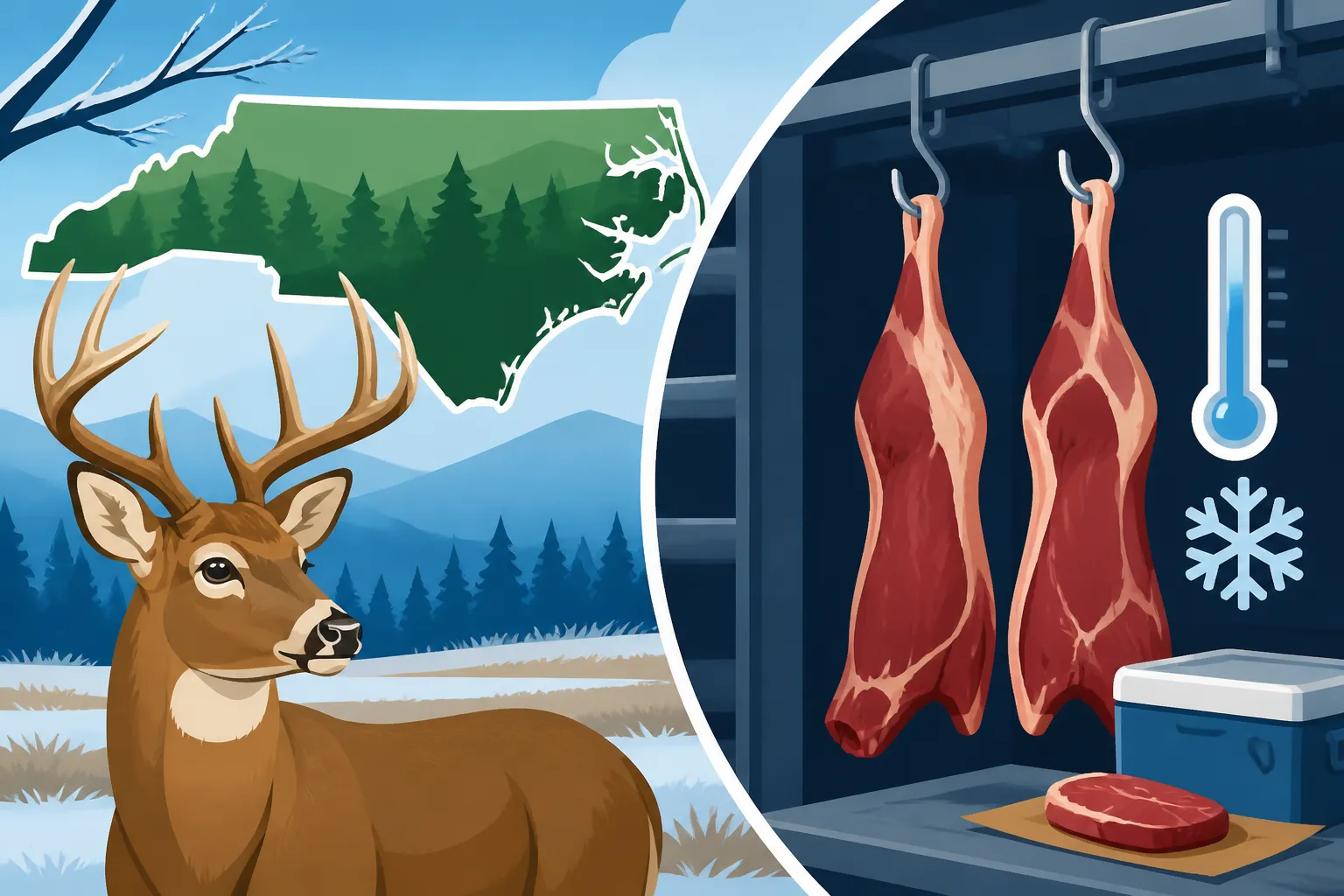
This is arguably the most critical factor. For optimal aging, you're aiming for a temperature range between 35°F and 40°F (1.5°C to 4.5°C). This specific window is cold enough to inhibit the growth of harmful bacteria that cause spoilage, but warm enough to allow those beneficial enzymes to do their work.
If the temperature drops below 32°F and the meat freezes, the enzymatic process halts. You might as well just freeze it now, because it won't be aging. If the temperature goes above 40°F for any sustained period, you risk rapid bacterial growth and spoilage. This is where North Carolina's weather can throw a curveball. A beautiful cold snap might be perfect for Hunting Deer After a Cold Front, but if that cold front quickly gives way to a warm, rainy spell, you'll need a backup plan. You can't just hang a deer in the shed for a week if the forecast is calling for 50-degree days in the middle of December. A good, accurate thermometer is your best friend here. If you're using an outdoor space, check the temperature religiously, multiple times a day.
Humidity and Airflow: Preventing Crust and Spoilage
Temperature is paramount, but humidity and airflow are close seconds. You want good air circulation around the entire carcass or individual cuts. Stagnant air is an invitation for mold and bacteria to take hold, especially on the surface of the meat. Good airflow helps the surface dry slightly, creating a protective "pellicle" or crust, which is normal and desirable in dry aging. This crust shields the interior meat while allowing moisture to slowly evaporate.
Aim for a humidity level between 70-85%. Too low, and your meat will dry out too quickly, forming a thick, hard crust that wastes a lot of precious venison when trimming. Too high, and you risk sliminess and undesirable mold growth. In a typical North Carolina winter, humidity can vary, so being mindful of your aging environment is key. If you're aging in an enclosed space like a spare fridge, a small fan can dramatically improve airflow. Ensure meat is hung or placed so no part is touching a wall or another piece of meat. You might even use a tool like the GoHunt app to record environmental conditions in your preferred aging spot over time to get a better sense of its natural fluctuations before you commit a prime cut of venison to it.
Timing it Right: How Long to Age
How long should you age your venison? This is the million-dollar question, and the answer isn't a simple number. It depends on several factors:
- Deer Age: Younger deer (fawns, yearlings) generally require less aging than older, more mature bucks. An older animal, particularly a rutting buck, will benefit significantly from longer aging to break down tough muscle fibers.
- Fat Content: Venison is naturally lean, but any fat present acts as a protective layer, allowing for longer aging without excessive drying.
- Desired Tenderness: Personal preference plays a huge role. Some hunters prefer a shorter age (3-5 days) for a firmer texture, while others swear by a longer period (7-14 days, or even more) for maximum tenderness.
- Conditions: The closer you can maintain the ideal temperature and humidity, the longer you can safely age the meat.
| Factor | Recommended Aging Time (General) | Notes |
|---|---|---|
| Young Deer | 3-7 days | Already fairly tender. Less aging needed for palatability. |
| Mature Deer | 7-14 days | Benefits greatly from enzyme breakdown. Can go longer if conditions are perfect and you desire maximum tenderness. |
| Optimal Temp | 35-40°F (1.5-4.5°C) | Critical range. Deviations can shorten or halt aging. |
| Optimal Humidity | 70-85% | Prevents excessive drying or sliminess. |
| Bone-in Aging | Can go longer | Bone provides insulation and protection. |
| Boneless Aging | Shorter, more careful | More surface area exposed, higher risk of drying out if humidity is too low. |
For most North Carolina deer hunters aiming for a good balance of tenderness and flavor, a general window of 5 to 10 days is often a great starting point, assuming you can maintain consistent ideal temperatures. If you're after truly exceptional tenderness and have the perfect environment, you might push it to 14 days, but always err on the side of caution.
Practical Methods for Cold Weather Aging at Home
So, you’ve got your deer, and the thermometer is reading just right. Now, where do you actually put the meat to age it? Thankfully, there are several practical methods for home aging, even if you don't have a professional setup.
The Spare Fridge Method: Controlled Perfection
This is arguably the best and safest method for home aging, assuming you have the space. A dedicated spare refrigerator, often found in a garage or basement, offers a remarkably stable environment. The beauty of a fridge is its ability to maintain a consistent temperature and to a certain extent, control humidity.
To use this method effectively:
- Cleanliness is Key: Before anything else, give that fridge a thorough cleaning. You want to eliminate any lingering food odors or bacteria that could contaminate your venison.
- Ensure Airflow: Place your cuts (typically quarters or primals) on wire racks or hang them if possible, ensuring that air can circulate around all sides. Avoid letting the meat touch the back wall of the fridge, as this can lead to freezing or inconsistent drying. You might even consider a small, battery-operated fan inside to boost circulation, especially if you have a lot of meat in there.
- Monitor Temperature: Even dedicated fridges can fluctuate. Keep a thermometer inside and check it regularly.
- Protect from Contamination: While a fridge is relatively sealed, you can still place a loose, breathable cover (like cheesecloth) over the meat to prevent any incidental dust or errant smells from other items (though ideally, this fridge is only for aging).
- Placement: If you've quartered the deer, hang the quarters from hooks in the fridge or lay them on racks. For smaller cuts like backstraps or inner loins that were removed during Butchering a Deer at Camp, you can age them on racks, but they'll dry out faster due to higher surface area exposure.
When using the spare fridge method, remember that consistently checking your temperatures is paramount. You can even leverage technology; apps like GoHunt, while primarily focused on mapping and scouting, can sometimes integrate with external weather stations or allow you to log observations daily, helping you track the temperature stability of your aging environment over time, especially if that fridge is in an uninsulated garage.
Utilizing a Cool Basement or Outbuilding
For those without a spare fridge, a cool, dry basement, shed, or unheated garage can work, but it requires much more vigilance. This is where North Carolina's fluctuating winter temperatures truly test your commitment.
Here's how to make it work, and the challenges:
- Consistent Temperature: This is your biggest hurdle. You absolutely need a sustained period of cold weather (again, 35-40°F) to make this viable. Check the forecast carefully. If a warm spell is predicted, you might need to move the meat indoors or consider processing it early.
- Pest Control: Basements and outbuildings are prone to insects, rodents, and other critters. The meat must be completely protected. Use game bags made of breathable, tightly woven material, or build a secure, screened enclosure. There's nothing worse than finding your hard-earned venison has become a snack for something else.
- Airflow: Again, crucial. Hang the carcass or quarters so air can circulate around them. Don't let anything touch the ground or walls.
- Cleanliness: Ensure the space is as clean as possible. Dust, dirt, and lingering odors can all affect the meat.
- Humidity: Basements can sometimes be too humid, leading to mold. Outbuildings might be too dry if it's windy. You'll need to monitor this.
This method is more old-school and perfectly viable, but it demands constant attention to the environment. It's often best suited for those sustained cold snaps that last a week or more without significant temperature swings.
Dealing with North Carolina's Variable Winter
North Carolina winters, especially in the Piedmont and Coastal Plain, are rarely a predictable deep freeze. You might get a week of perfect 38°F days, followed by two days of 55°F rain. This variability is the enemy of consistent aging.
Here's how to navigate it:
- Be Flexible: If the temperature rises above 40°F and is projected to stay there for more than a few hours, it's time to pull the plug on aging. Get that meat broken down, trimmed, and into the freezer immediately. A few days of aging is better than spoiled meat.
- Plan Ahead: Before you even think about Hunting the North Carolina Rut by Zone, check the long-range forecast. If you're confident in a stable cold week, great. If not, plan for a shorter aging period or prepare to process the deer without aging if conditions aren't cooperating.
- Monitor Hourly: If you're using an outdoor space, check the thermometer frequently, especially during shoulder seasons (late fall/early spring) when temperature swings are common.
- Insulation: Some hunters use insulated game bags or even wrap quarters loosely in clean blankets within a cool space to help buffer against minor temperature fluctuations, but this still doesn't replace consistent ambient temperature control.
The key is to prioritize food safety. Never gamble with spoiled meat. If in doubt, process it.
Preparing the Carcass for Aging and Butchering Post-Age
The aging process doesn't start and end in a vacuum. The steps you take immediately after the shot and the care you give the meat throughout are critical to its success, and how you butcher it afterward makes a difference too.
Initial Field Dressing and Cleaning: Crucial First Steps
The quality of your aged venison is directly proportional to the care taken in the field. A swift and thorough field dressing is non-negotiable. As soon as you recover your deer, get to work.
- Remove Organs Promptly: Get the guts out quickly to allow the carcass to cool down rapidly. This is paramount in preventing bacterial growth and off-flavors.
- Clean Thoroughly: Wipe out the body cavity with clean cloths or paper towels to remove any blood, hair, or debris. Avoid using water unless absolutely necessary, and if you do, ensure the cavity is completely dried afterward to prevent bacterial growth.
- Skinning: While some choose to age venison with the hide on for longer periods in very cold, stable conditions, for most home setups, skinning the deer significantly aids in cooling and allows for better air circulation during the aging process. Once skinned, ensure no hair or dirt gets on the exposed meat.
- Quartering: For easier handling and better cooling, quartering the deer is often ideal, especially if you're planning to age in a fridge. This involves separating the front shoulders, hindquarters, and backstraps/tenderloins. Wrap these primals in clean game bags. For comprehensive instructions, refer to Field Dressing a Deer in Cold Weather. Proper, sanitary handling here sets the stage for delicious, aged meat.
Protecting the Meat During Transport and Storage
After field dressing and perhaps quartering, getting the meat home and into your aging environment safely is the next hurdle. Even a short trip can compromise quality if not handled correctly.
- Keep it Cool: The goal is to continue the cooling process. If it's a mild day, use coolers packed with ice, making sure the meat isn't sitting directly in melted water. Use elevated racks or frequently drain the water.
- Keep it Clean: Use clean game bags to protect the meat from dirt, dust, and insects during transport. These bags also allow the meat to breathe, which is essential.
- Limit Handling: Handle the meat as little as possible to prevent transferring bacteria or raising its temperature.
Once home, move the meat into your chosen aging environment as quickly as possible. Every hour counts in maintaining quality.
Butchering Aged Venison
Once your venison has been aged for the desired amount of time, it's time for the final breakdown and packaging. You'll notice a few things about aged meat:
- Surface Crust: The exterior of the meat will likely have a dry, dark, almost leathery crust. This is normal and a sign of successful dry aging. This crust, along with any fat, will need to be trimmed off before cooking or packaging. You'll typically lose a small percentage of weight to this trim, but it's worth it for the improved quality of the interior meat.
- Easier to Cut: The enzymatic breakdown will have made the meat noticeably more pliable and easier to cut. This makes the butchering process smoother and more efficient.
- Rich Color and Aroma: The interior meat should have a deep red color and a pleasant, slightly nutty aroma, a far cry from the metallic smell of fresh, un-aged venison.
When butchering, use sharp knives and a clean workspace. Separate the different muscle groups, cut steaks, roasts, and trim for ground meat or stew. Vacuum sealing is the gold standard for long-term freezer storage, as it prevents freezer burn and locks in that hard-earned flavor. For a detailed guide on the cutting process, refer to Butchering a Deer at Camp.
Taking the time to age your venison in cold weather is an investment in flavor and tenderness that pays dividends with every meal. It transforms a simple harvest into a gourmet experience, honoring the animal and providing delicious, healthy food for your family and friends.
Disclaimer
This article is for general informational purposes only and does not constitute professional advice. Laws, prices and regulations vary by location and change over time. Consult a qualified professional for guidance on your specific situation.