North Carolina Wildlife Disease Monitoring
It's a tough pill to swallow, but sometimes, when you're out in the woods, you might encounter wildlife that just doesn't look right. Maybe a deer seems too skinny, or a squirrel is acting strangely. That uneasy feeling isn't just about an animal's suffering; it's a silent alarm bell for the health of our entire ecosystem, and it can directly impact hunting seasons and even human health. This comprehensive guide will walk you through how North Carolina monitors wildlife diseases, what specific threats are on the radar, and most importantly, how you, as a responsible hunter and outdoors person, can be a vital part of protecting our state's wild populations.
The Importance of Wildlife Disease Monitoring
Wildlife disease monitoring might sound like something purely for biologists in labs, but for hunters, it's deeply personal. The health of our game animals directly affects our hunting opportunities, the quality of the meat we bring home, and the long-term sustainability of our outdoor traditions. When diseases spread unchecked, they can decimate populations, alter herd dynamics, and even put humans at risk.
Protecting Deer and Other Game Populations
Think about it: a healthy deer herd means robust hunting seasons, good genetics, and thriving ecosystems. When a disease like Hemorrhagic Disease (EHD) sweeps through, it can wipe out a significant portion of a local deer population in a matter of weeks, leaving hunters with fewer opportunities and biologists scrambling to assess the damage. Similarly, the specter of Chronic Wasting Disease (CWD) is a constant concern, threatening the very foundation of deer hunting by potentially making venison unsafe or significantly altering management strategies. Regular monitoring helps agencies understand these threats, track their spread, and implement strategies to mitigate their impact, ensuring there are still deer to chase and turkeys to call for generations to come. It’s about being proactive rather than reactive, trying to get ahead of problems before they decimate a regional population.
Safeguarding Public Health
Beyond the animals themselves, many wildlife diseases, known as zoonotic diseases, have the potential to jump from animals to humans. Rabies, for instance, is a classic example that hunters are often acutely aware of when dealing with strange-acting mammals. Other less common but equally serious diseases could emerge if not properly monitored. When you're field dressing a deer or handling a harvested bird, understanding potential risks and taking proper precautions isn't just about being careful; it's a critical step in preventing the spread of disease to yourself, your family, and your pets. State wildlife agencies work closely with public health departments to identify these risks and provide guidance, which is why your participation in reporting sick animals is so crucial.
Understanding Ecosystem Health
Wildlife diseases aren't isolated incidents; they're often indicators of broader ecosystem health. A surge in a particular disease might point to environmental stressors, overcrowding, habitat degradation, or even changes in climate patterns. For example, some parasitic infections might become more prevalent in areas with poor water quality or increased host density. By monitoring the health of individual animals and populations, scientists gain valuable insights into the overall well-being of North Carolina's diverse landscapes, from the coastal plains to the western mountains. This comprehensive approach helps inform land management practices, habitat restoration efforts, and conservation strategies that benefit not just game species, but all wildlife and the environments they inhabit.
Key Diseases Monitored in North Carolina
North Carolina's wildlife biologists keep a close eye on a variety of diseases, each posing its own unique challenges and concerns. While some are prevalent and cyclical, others are emerging threats that demand constant vigilance.
Chronic Wasting Disease CWD: A Primary Concern
Chronic Wasting Disease (CWD) is undoubtedly the most pressing concern for deer hunters and wildlife managers across North Carolina right now. It's a neurological disease affecting deer, elk, and moose, and it's always fatal. The disease is caused by abnormal proteins called prions, which slowly attack the animal's brain. While North Carolina has been vigilant, CWD was detected in a portion of our state, leading to the establishment of specific management areas.
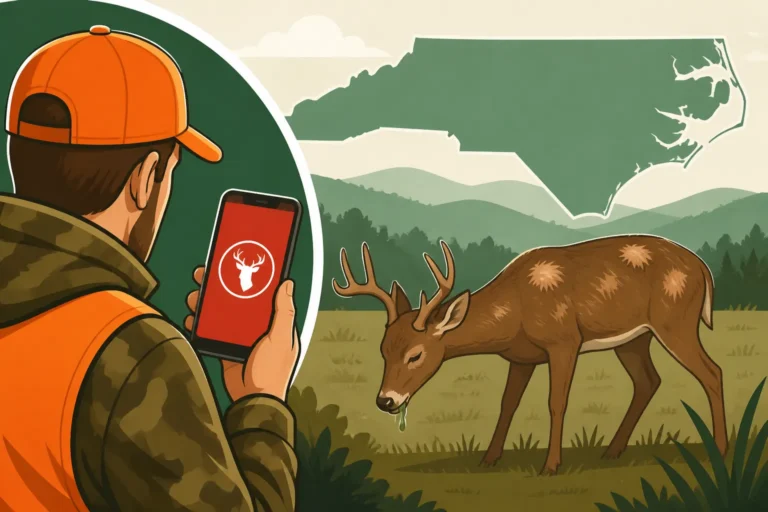
Hunters in these areas face new realities, including mandatory testing and specific North Carolina Carcass Movement Restrictions. The symptoms, though slow to appear, include extreme weight loss (wasting), stumbling, drooling, excessive urination and thirst, and a general lack of awareness. It's a nightmare scenario, and agencies are working tirelessly to limit its spread. This is why resources like the NCWRC's dedicated CWD information pages and even features within scouting apps like GoHunt that overlay CWD zone boundaries are absolutely essential for hunters to stay informed. You can learn more about North Carolina's Chronic Wasting Disease Areas to understand where these measures are in effect.
Hemorrhagic Disease EHD/Bluetongue: The Summer Scourge
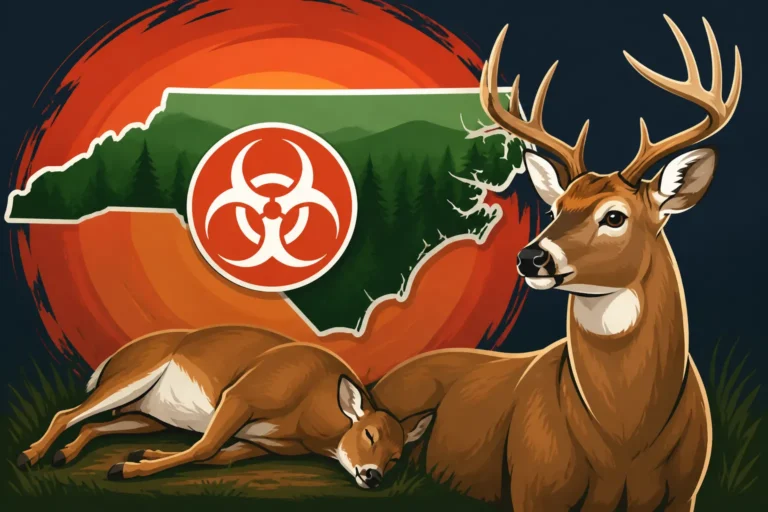
Hemorrhagic Disease (HD), often referred to as EHD (Epizootic Hemorrhagic Disease) or Bluetongue, is a viral disease that is much more common than CWD in North Carolina and typically appears in late summer and early fall, particularly during drought conditions. This disease is transmitted by biting midges, often called "no-see-ums." While often fatal, some deer can survive exposure and develop immunity.
Symptoms in infected deer can be dramatic: high fever, swelling of the head, neck, and tongue, internal hemorrhaging, and lesions in the mouth and on the feet. Affected deer often seek out water sources to cool themselves, which is why dead deer are frequently found near ponds or streams. Though devastating to local populations, EHD does not pose a known threat to humans who consume venison from an infected deer. However, it's always advisable to avoid eating meat from any animal that appears sick. You can find more specific information on EHD Die-Offs in North Carolina Deer and their impact.
Rabies and Other Zoonotic Risks
Rabies is a well-known viral disease that can affect all mammals, including humans. While most commonly associated with foxes, raccoons, skunks, and bats, any mammal can carry it. For hunters, encountering a rabid animal is a serious concern. Symptoms vary but often include aggressive behavior, disorientation, paralysis, foaming at the mouth, and an unusual lack of fear of humans.
Beyond rabies, there are other less common zoonotic diseases that wildlife agencies monitor, such as leptospirosis, tularemia, and giardia. While direct transmission to hunters is rare with proper precautions, it highlights the importance of always wearing gloves when handling harvested game, washing hands thoroughly, and cooking meat to appropriate temperatures. Any animal exhibiting extremely unusual behavior should be given a wide berth and reported immediately.
Avian Influenza and Waterfowl
For North Carolina's waterfowl hunters, Avian Influenza (AI) is a periodic concern. This viral disease primarily affects birds and can range from low pathogenic forms that cause mild illness to highly pathogenic forms that can result in widespread die-offs. Wild waterfowl, particularly ducks and geese, are natural carriers and often show no symptoms themselves but can spread the virus to domestic poultry and other wild bird species.
Wildlife agencies monitor AI through surveillance programs, especially in migratory bird populations. While the risk of human infection from handling wild birds is generally considered low, hunters are advised to take precautions, such as avoiding sick or dead birds, wearing gloves when processing waterfowl, and cooking all game meat thoroughly. Hunters who notice unusual numbers of sick or dead birds should report them. Understanding Avian Influenza in North Carolina Birds is part of being a responsible duck and goose hunter.
How North Carolina Monitors Wildlife Health
North Carolina's approach to wildlife disease monitoring is a multi-faceted effort, relying on science, surveillance, and crucially, the eyes and ears of its citizens, especially hunters. The North Carolina Wildlife Resources Commission (NCWRC) leads these efforts, often in partnership with other state and federal agencies and academic institutions.
Hunter Reporting and Sampling Programs
You, the hunter, are truly on the front lines of wildlife disease monitoring. You're out there, day after day, observing animals in their natural habitat. If something looks off—a deer struggling to walk, a bird acting disoriented, or an unusually high number of dead animals in one area—your report is invaluable. The NCWRC has systems in place, including online portals and dedicated phone lines, for hunters to report sick or dead animals. This information helps biologists identify potential disease outbreaks early, allowing for quicker responses and containment efforts.
Beyond simple reporting, hunters are often asked to participate in sampling programs, especially concerning CWD. This might involve submitting heads from harvested deer for testing at designated CWD sampling stations, which are usually located at game lands offices, taxidermists, or participating veterinary clinics. This collaborative effort helps build a comprehensive picture of disease prevalence and geographic spread. Always check the current regulations and guidelines, which can often be found on the NCWRC website or sometimes even highlighted on hunting information platforms like GoHunt that help you plan your excursions.
Collaboration with Wildlife Agencies and Universities
The NCWRC doesn't work in a vacuum. Effective wildlife disease monitoring requires a broad network of expertise and resources. They regularly collaborate with the North Carolina Department of Agriculture and Consumer Services, the Department of Health and Human Services, and universities like NC State, UNC, and others that have veterinary and wildlife biology programs. This inter-agency and academic cooperation allows for advanced diagnostic testing, cutting-edge research into disease ecology, and the development of best practices for disease management.
For instance, university researchers might study the prevalence of specific pathogens in different wildlife populations, analyze the genetic makeup of disease agents, or model potential spread scenarios. This scientific foundation is critical for informed decision-making and ensures that management strategies are based on the latest scientific understanding.
CWD Surveillance and Testing Protocols
Given the severity of Chronic Wasting Disease, North Carolina has implemented rigorous surveillance and testing protocols, especially in and around known CWD Management Areas (CMAs). These protocols typically include:
- Mandatory or Voluntary Sample Submission: Hunters harvesting deer in CWD-affected counties may be required to submit samples for testing, while voluntary submissions are encouraged statewide. These samples, usually lymph nodes or brainstem tissue, are collected by trained personnel or at self-service drop-off stations.
- Targeted Surveillance: Biologists may also conduct targeted surveillance in specific areas, collecting samples from road-killed deer or those exhibiting suspicious symptoms.
- Education and Outreach: Extensive efforts are made to educate hunters and landowners about CWD, its risks, and proper carcass handling. This often includes informational meetings, online resources, and distribution of guides.
- Carcass Movement Restrictions: Strict rules are often in place regarding the movement of deer carcasses or certain parts out of CWD Management Areas to prevent the accidental spread of prions to new locations. Understanding these rules, along with Handling Venison From a CWD Management Area, is crucial for compliance. You can learn more about North Carolina CWD Testing for Hunters to participate in the process.
What Hunters Can Do to Help
As hunters, we have a profound connection to the land and the animals we pursue. This connection comes with a responsibility to be stewards of wildlife health. Your actions in the field and after the harvest can make a significant difference in North Carolina's wildlife disease monitoring and prevention efforts.
Recognizing and Reporting Sick Animals
The single most important thing a hunter can do is to be observant and report anything unusual. While deer are the primary focus for CWD and EHD, keep an eye out for strange behavior in any species.
Look for these red flags:
- Emaciation: Animals that are extremely thin or "wasting away" without an obvious injury.
- Abnormal Behavior: Deer that are stumbling, disoriented, excessively drooling, or showing unusual aggression or lack of fear towards humans.
- Physical Anomalies: Swelling, lesions, open sores, or unusual growths.
- Large Numbers of Dead Animals: If you find multiple carcasses in a specific area, especially near water, this could indicate an EHD outbreak.
- Mange: For predators like coyotes or foxes, severe hair loss (mange) can indicate a health issue. Mange in North Carolina Coyotes and Foxes is a good example of a localized disease that hunters can spot.
If you observe a sick or dead animal with suspicious symptoms, do not approach it or handle it directly. Instead, make a note of the exact location (GPS coordinates if possible), take a photo if you can do so safely, and immediately contact the North Carolina Wildlife Resources Commission. You can find their contact information on their official website. Knowing how to facilitate Reporting a Sick Animal in North Carolina is a critical skill for any outdoors enthusiast.
Best Practices for Handling and Processing Game
Safe handling of game meat is always important, but it becomes even more critical when considering disease prevention. Here are some best practices:
- Wear Gloves: Always wear disposable gloves when field dressing or processing game. This protects you from potential pathogens and helps prevent contamination of the meat.
- Avoid Visible Lesions: If you notice any unusual lesions, growths, or abnormalities in the organs or meat, do not consume that part of the animal. When in doubt, it's always best to discard it.
- Cleanliness is Key: Thoroughly wash your hands, knives, and cutting surfaces with soap and hot water after handling game. Use a bleach solution for sanitizing non-porous surfaces.
- Cook Thoroughly: Always cook game meat to an internal temperature of at least 165°F (74°C) to kill potential bacteria and parasites.
- Proper Field Dressing: Rapid field dressing helps cool the carcass and reduces bacterial growth. Be mindful of not contaminating the meat with gut contents. For specific regulations regarding reporting your harvest, refer to North Carolina Deer Reporting Requirements.
- Consider Professional Processing: If you're unsure about processing a deer, especially one harvested in a CWD zone, consider using a professional game processor who is familiar with best practices.
Practicing Responsible Carcass Management
What you do with the remains of a harvested animal matters, particularly in areas susceptible to diseases like CWD. Prions, the agents causing CWD, can persist in the environment for years, making improper carcass disposal a potential vector for disease spread.
| Disease | Primary Species Affected | Common Symptoms | Hunter Action Needed |
|---|---|---|---|
| Chronic Wasting Disease (CWD) | Deer, Elk | Emaciation, lethargy, abnormal behavior, drooling, head down | Report sick animals; get tested in CWD zones; proper carcass disposal in designated areas |
| Hemorrhagic Disease (EHD/Bluetongue) | Deer | High fever, swollen head/neck/tongue, lesions, seeking water, found near water | Report dead/sick deer; avoid disturbing carcasses |
| Rabies | All mammals | Aggression, disorientation, paralysis, foaming mouth | Avoid contact; report suspicious behavior to animal control/health dept. |
| Avian Influenza | Waterfowl, wild birds | Lethargy, neurological signs, sudden death | Avoid sick birds; use gloves for handling; cook thoroughly |
| Mange | Coyotes, Foxes, Bears | Severe hair loss, skin irritation, lethargy | Report severely affected animals; avoid direct contact |
In CWD Management Areas, specific rules often dictate how you can dispose of carcasses. This may include leaving remains at the harvest site, bagging and burying them, or depositing them in designated landfill containers. Never dispose of carcasses or parts from a CWD-zone deer in areas where other deer might have access, as this could facilitate the spread. Even in non-CWD areas, responsible disposal prevents attracting scavengers to unwanted locations and maintains general hygiene. These practices collectively contribute to the long-term health and sustainability of North Carolina's deer and other wildlife populations, ensuring that future generations can enjoy the same rich hunting heritage we do today. This kind of diligent effort from hunters is critical for managing North Carolina Deer Herd Size and other animal populations effectively.
Disclaimer
This article is for general informational purposes only and does not constitute professional advice. Laws, prices and regulations vary by location and change over time. Consult a qualified professional for guidance on your specific situation.