North Carolina Record Book Gobblers
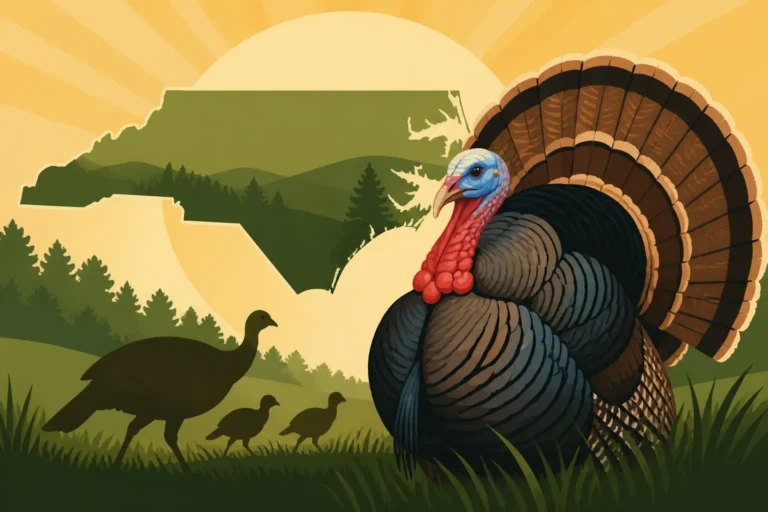
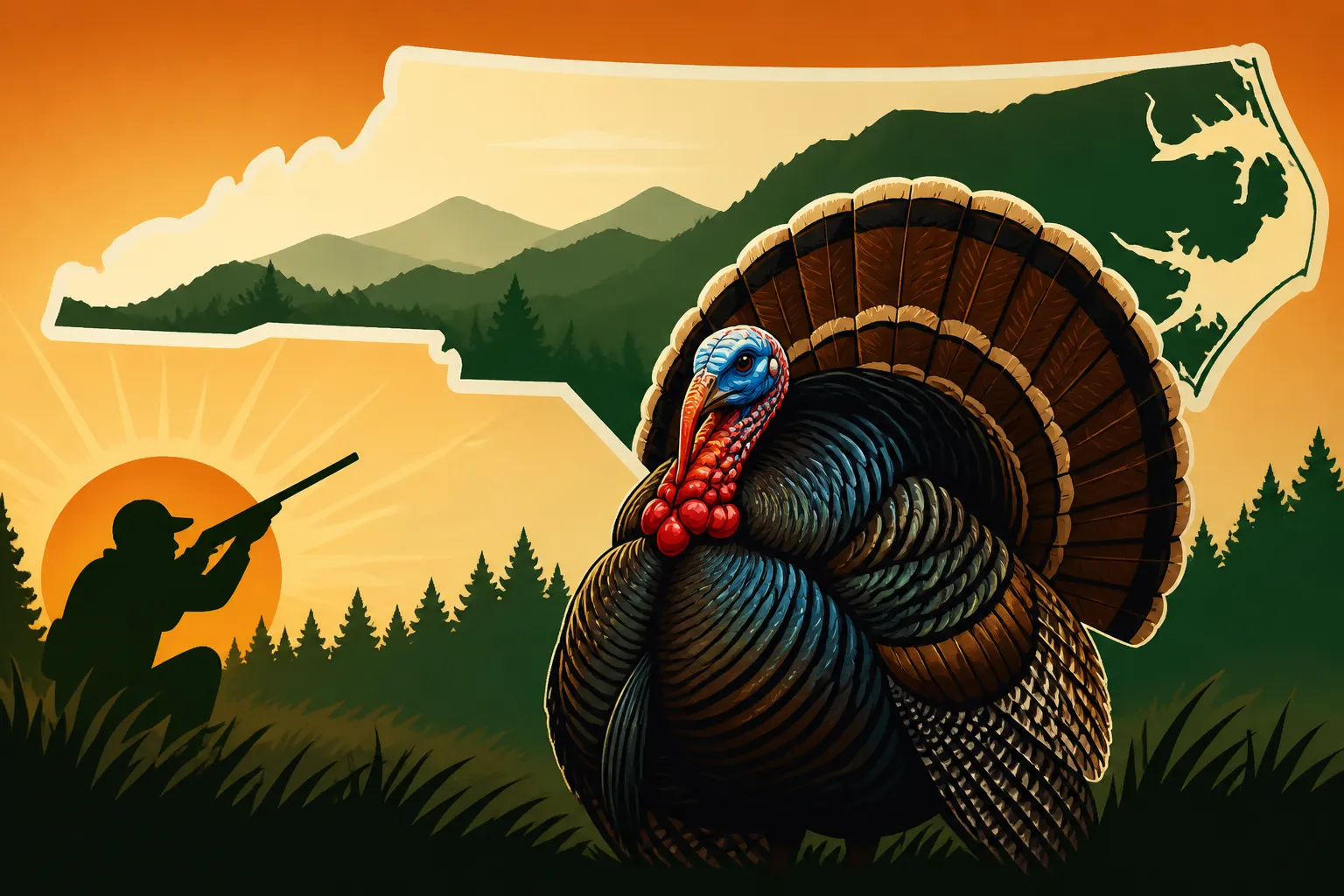
If you've spent any time chasing longbeards in North Carolina, you know the thrill of a gobbler hammering on the roost. But for many, the dream isn't just a bird, it's a trophy bird—a true record book gobbler that stands out from the rest. Understanding what makes a gobbler qualify for the record books and how to pursue such a magnificent creature can feel like a secret handshake, but this guide aims to pull back the curtain on finding and documenting those giants right here in the Old North State.
Understanding the Scorecard for North Carolina Gobblers
Chasing a record book gobbler isn't just about the weight; it's a specific combination of attributes that the National Wild Turkey Federation (NWTF) uses to score birds. This system allows hunters to compare their trophies consistently, regardless of where they were harvested. For a hunter dedicated to the pursuit of a truly outstanding tom, knowing these details is paramount. It shifts the focus from merely "getting a bird" to understanding the unique characteristics of a mature, dominant gobbler.
The NWTF Scoring System Explained
The NWTF's scoring system is pretty straightforward once you get the hang of it, but it emphasizes three key measurements: live weight, total beard length, and total spur length. Each of these components contributes to the final score, with specific multipliers to ensure that exceptional features in one area can significantly boost a bird's standing. It’s not just about heft; a lighter bird with incredibly long spurs and a thick beard can often outscore a heavier bird with less impressive accessories. For instance, beard length is measured in eighths of an inch and multiplied by two, while spur length is measured to the nearest sixteenth of an inch and multiplied by ten. This heavy multiplier on spurs really highlights their importance in the scoring process.
When you're out in the woods, you might not be thinking about sixteenths of an inch, but it certainly adds to the mystique and challenge of finding a truly exceptional bird. Hunters often keep a keen eye out for those visibly longer, sharper spurs and thicker, fuller beards, even before they consider the bird's overall size. Understanding this formula is the first step toward appreciating what makes a gobbler a contender for the North Carolina record books, and it can help you discern a truly remarkable bird from just a good one in the field.
Typical Characteristics of a Trophy Gobbler
A true trophy gobbler in North Carolina isn't just big; it possesses a distinct set of characteristics that reflect its age, dominance, and genetic potential. We're talking about birds that typically weigh upwards of 20 pounds, sometimes pushing 25 or even more in prime habitat. But beyond raw weight, it's the beard and spurs that really catch the eye and rack up the points. Beards often exceed 10 or 11 inches, sometimes growing much longer and thicker, indicating an older bird that has evaded predators and hunters for several seasons. Multiple beards can also occur, though each is typically scored separately and added to the total.
The spurs are perhaps the most coveted feature, often measuring 1.25 inches or more, with some exceptional birds boasting spurs over 1.5 inches. These spurs will be sharp, hard, and typically dark, showing the wear and tear of a bird that has been fighting and establishing dominance for years. The sheen of their feathers, the deep red and blue coloration of their heads, and the sheer power in their stride also contribute to that "trophy" appearance. These are the birds that have earned their place at the top of the pecking order, and their impressive physical attributes are a testament to their survival and strength. If you’re using a scouting platform like GoHunt, pay attention to reported harvest data, which sometimes includes these detailed measurements, giving you an idea of what’s possible in various regions.
Hotbeds for Giant Birds in North Carolina
While trophy gobblers can theoretically appear anywhere, certain areas and habitats in North Carolina consistently produce larger, older birds with impressive characteristics. This isn't random; it's a direct result of genetics, habitat quality, food availability, and hunting pressure. Knowing where these factors align can significantly increase your chances of finding that once-in-a-lifetime tom. It takes dedicated research and often some boots-on-the-ground scouting, but the rewards are well worth the effort.
Regional Differences and What Drives Them
North Carolina's diverse landscapes offer varying conditions that influence turkey size and trophy potential. The Coastal Plain, with its rich agricultural lands, ample food sources like soybeans and corn, and dense pocosin swamps for cover, can grow some truly massive birds. Here, birds might not necessarily have the longest spurs due to softer ground, but their weight and beard length can be exceptional. Conversely, the Piedmont region, a mix of agriculture, hardwood forests, and scattered timber, often produces a balance of good weight, beard, and spur length. Birds here benefit from diverse food sources and plenty of roosting trees. You might find a good mix of mature North Carolina Wild Turkey Subspecies across these zones.
The Mountain region, while offering breathtaking scenery, often sees birds that are slightly smaller in body weight due to less abundant agricultural food and harsher conditions. However, the older, wiser mountain birds that survive multiple seasons can develop incredibly long, sharp spurs from navigating rocky terrain. Understanding these regional tendencies helps hunters focus their efforts. If long spurs are your priority, the mountains might call to you, while a heavy, long-bearded bird might be found in the flatter, richer lands of the east. These environmental factors, combined with historical hunting pressure, shape the trophy potential across the state.
Counties Known for Producing Record Gobblers
While pinpointing specific counties is a bit like revealing secret fishing spots, some areas have a reputation for consistent turkey quality. Across the Coastal Plain, counties with extensive private land, mixed agriculture, and large timber tracts often yield excellent results. Areas with less hunting pressure and more mature timber stand out. In the Piedmont, especially in counties with a good mix of hardwoods, river bottoms, and farmlands, birds can thrive. These locations offer diverse diets and plenty of refuge. Using tools like the NC Wildlife App for public land or aerial maps from GoHunt can help you identify these ideal habitat types.
Historically, certain regions have also seen higher harvest numbers for mature birds, often linked to private land management practices that prioritize habitat and older age classes. While public lands can certainly hold giants, finding them often requires more extensive scouting and a willingness to get deep into less accessible areas. The key is to look for areas with mature timber for roosting, consistent food sources (both natural mast crops and agricultural fields), and adequate cover for escape and nesting. Focusing on locations where these elements converge will increase your odds of encountering a truly exceptional North Carolina gobbler.
Strategies for Tagging a North Carolina Giant
Successfully harvesting a record book gobbler isn't usually a stroke of luck; it's the culmination of dedicated preparation, keen observation, and refined hunting skills. These birds didn't get old and large by being easy targets. They've learned to avoid pressure, recognize common calling sequences, and utilize their environment to their advantage. To outsmart them, you need a strategy that goes beyond the basics.
Advanced Scouting and Habitat Focus
Before you even step into the woods with your shotgun, advanced scouting is crucial. This means more than just a quick drive-by. It involves studying aerial maps (many hunters find platforms like GoHunt invaluable for this), looking for key habitat features like mature hardwood ridges for roosting, creek bottoms for travel corridors, and open fields for strutting and feeding. Identifying potential Where North Carolina Gobblers Roost can give you a significant advantage for a morning setup. Look for pinch points, natural funnels, and areas with historical turkey activity.
Pre-season legwork is vital. Walk the property, looking for tracks, droppings, dusting bowls, and shed feathers. Listen for gobblers at dawn from different locations to pinpoint their preferred roosting areas. Pay attention to food sources; is it an acorn year? Are there specific fields being planted with corn or chufa? Understanding the exact movements and habits of turkeys in your chosen area will allow you to make calculated decisions, rather than relying on chance. This detailed reconnaissance helps you understand the patterns of wary, older birds that have likely survived previous hunting seasons. Scouting North Carolina Public Land Before Season is even more critical when pursuing these elusive giants.
Calling and Decoy Tactics for Mature Toms
Calling a record book gobbler requires finesse and often a departure from aggressive, rapid-fire calling. Older toms are wise to typical hen yelps and cutts. Sometimes, less is more. Subtle tree yelps and soft clucks can often pique their interest without immediately signaling danger. Vary your calls; use different types of calls (slate, box, mouth diaphragm) to create a more realistic "flock" sound. Pay close attention to their responses and adjust your calling rhythm and volume accordingly. You might be surprised how a quiet, confident series of calls can draw in a bird that ignored louder sequences. For additional inspiration, look into Rattling and Grunting in North Carolina as a deer tactic; it shows how vocalizations play a key role in bringing in wary game.
When it comes to decoys, placement and realism are paramount, especially for pressured birds. A single hen decoy, or a jake and a submissive hen setup, can be incredibly effective. Position them where the gobbler can see them from a distance but won't feel like they're too easy a target. The goal is to draw the tom into easy gun range. Ensure your setup mimics natural turkey behavior. Sometimes, no decoy is the best decoy, especially if the birds are incredibly wary. Understanding the local turkey population's pressure and behavior will dictate your decoy strategy. Decoy Placement for Pressured North Carolina Birds is an art form, and mastering it is crucial for giant gobblers.
Timing the Hunt for Peak Gobbler Activity
Timing your hunt perfectly can make all the difference when targeting trophy gobblers. While North Carolina's spring turkey season offers several weeks of opportunity, certain periods can be more productive for encountering these older, dominant birds. The early season, when birds are just starting to break up from winter flocks and breeding is in full swing, can be excellent. Gobblers are actively seeking hens, and their vulnerability to calling can be at its peak. However, these birds are also fresh from being unpressured and can be more cautious.
Later in the season, after some hens have been bred and may be sitting on nests, gobblers can become more responsive to calls as they actively search for remaining receptive hens. These "lonely gobblers" can be extremely challenging but also more aggressive once committed. The weather also plays a significant role; clear, calm mornings following a cold front can often trigger increased gobbling activity. Always check the long-range forecast and consider how different weather patterns might affect bird movement and vocalizations. Understanding When North Carolina Gobblers Go Quiet in May and adjusting your tactics accordingly can also be a game-changer.
From Woods to Record Books: The Documentation Process
After the shot, the work isn't over—especially if you believe you've harvested a North Carolina record book gobbler. The careful handling, accurate measurement, and proper documentation are just as important as the hunt itself. Skimping on these steps can jeopardize your bird's eligibility for official recognition, so it's critical to follow the established procedures. This final stage ensures your trophy gets the respect and recognition it deserves.
Official Scoring and Verification
Once you've harvested what you suspect is a record book bird, the first and most critical step is accurate measurement. The NWTF has certified scorers across North Carolina who can officially measure your gobbler. It's crucial not to trim or alter the beard or spurs in any way before it's officially measured, as this can lead to disqualification. Many hunters choose to freeze the entire turkey or at least the fan, beard, and spurs, until it can be scored. The NWTF guidelines dictate precise methods for measuring live weight (which means you need to weigh it as soon as possible after harvest), beard length, and spur length.
The process often involves filling out specific forms, and photographs are usually required. The scorer will confirm all measurements and ensure your bird meets the minimum entry requirements. This verification process ensures fairness and consistency for all entries. It's an exciting moment, as you watch your bird's score take shape, confirming its place among the state's most impressive wild turkeys. Make sure to report your North Carolina Turkey Checking Requirements through the official channels as well.
| Attribute | Minimum Score for Entry | Typical Range for Trophy Bird | Maximum Observed (Exceptional) |
|---|---|---|---|
| Live Weight | 18 lbs | 20-24 lbs | 25+ lbs |
| Beard Length | 8 inches | 10-12 inches | 13+ inches (or multiple beards) |
| Spur Length | 1 inch | 1.25-1.5 inches | 1.5+ inches |
| Total NWTF Score | 50 points | 65-80 points | 80+ points |
Note: These ranges are illustrative. Official NWTF scoring has specific multipliers for beard and spur measurements.
Preserving Your Trophy and Memories
After your gobbler has been officially scored, you'll want to preserve it to commemorate your achievement. For many hunters, this means a trip to a skilled taxidermist. Whether you choose a full body mount, a fan and beard mount, or a European mount of the skull, a good taxidermist can bring your trophy back to life and ensure it's displayed proudly. Discuss your options with your chosen taxidermist, providing them with all the necessary details and ensuring they understand the specific characteristics of your bird that made it a record contender.
Beyond the physical mount, remember to document the hunt itself. Photos, videos, and detailed journal entries can help you relive the experience for years to come. These memories, combined with the tangible trophy, create a lasting tribute to a successful and challenging hunt. The pursuit of a North Carolina record book gobbler is more than just about the numbers; it's about the adventure, the lessons learned, and the deep connection to the wild places and creatures of our state. Every time you look at that mount or read your journal, you'll be transported back to that moment when a true North Carolina giant finally committed to your call.
Disclaimer
This article is for general informational purposes only and does not constitute professional advice. Laws, prices and regulations vary by location and change over time. Consult a qualified professional for guidance on your specific situation.