North Carolina Disability Hunting Permits
For many folks who cherish the tradition of hunting in North Carolina, a disability can feel like an insurmountable barrier, shutting you out from the woods and waters you love. The physical challenges of navigating rugged terrain, sitting for long hours, or even just safely handling equipment can be incredibly frustrating and disheartening. This comprehensive guide is here to shed light on North Carolina's disability hunting permits, detailing the options available, how to apply, and what special privileges they afford, ensuring that a physical limitation doesn't have to mean the end of your outdoor passion.
Understanding North Carolina's Commitment to Accessible Hunting
It's a tough pill to swallow when you’ve spent a lifetime in the woods, only to find that your body isn't quite cooperating like it used to, or perhaps you're just starting your hunting journey with a physical challenge. The North Carolina Wildlife Resources Commission (NCWRC) understands that hunting is more than just a sport; it’s a lifestyle, a connection to nature, and for many, a deeply ingrained family tradition. That's why they've made a concerted effort to create pathways for hunters with disabilities to continue or begin participating. It's about recognizing the spirit and passion, not just the physical ability.
Why Accessibility Matters for Hunters
The drive to be out in nature, to stalk game, to feel the quiet solitude of the forest—it doesn't diminish with a physical disability. In fact, for many, it becomes even more vital as a source of mental and physical well-being. Imagine having to give up deer season because you can no longer climb into a treestand, or missing out on dove hunts because walking a field is too difficult. These are real heartbreaks. North Carolina's disability hunting permits aren't just about ticking a box; they're about preserving these fundamental experiences. They acknowledge that the passion for hunting shouldn't be reserved only for the fully able-bodied, but should be accessible to all who feel the call of the wild. These permits help bridge the gap, allowing individuals to adapt their hunting methods to their abilities, keeping the tradition alive for generations.
The Broad Scope of Disability Hunting Opportunities
North Carolina offers a variety of accommodations, understanding that disabilities manifest in many forms. It’s not a one-size-fits-all approach, which is crucial because a hunter with a mobility impairment faces different challenges than someone with a visual impairment. The permits range from allowing the use of certain equipment that might otherwise be prohibited, to special access in specific areas, and even provisions for assistance from another individual. This thoughtful approach means that whether you need to hunt from a vehicle, use a crossbow during archery season, or have an assistant help retrieve game, there's likely a permit or regulation designed to help. It truly opens up the landscape for more hunters to enjoy the pursuit of game, whether they're after White-Tailed Deer Across North Carolina or part of the Spring Turkey Hunting in North Carolina season.
Eligibility and Application Process for Disability Permits
Navigating the bureaucracy to get a disability permit can feel like another hurdle, but it's often simpler than you might imagine, provided you know exactly what you need and where to go. The NCWRC has streamlined the process over the years, making it more user-friendly. The key is to gather all your necessary documentation upfront and understand the specific criteria for each permit type. Don't get discouraged by the paperwork; think of it as your ticket back into the woods.
Defining "Disabled" Under North Carolina Wildlife Regulations
The definition of "disabled" for hunting permits isn't just a casual term; it's specific and legally defined to ensure these valuable privileges go to those who truly need them. Generally, the NCWRC defines a disabled hunter as an individual with a permanent physical impairment that substantially limits one or more major life activities, specifically related to hunting. This often requires certification from a licensed physician outlining the nature and extent of the disability. For example, a severe orthopedic impairment that prevents walking long distances or climbing a treestand is a common qualifier. Visual impairments that limit field of view or depth perception, or other conditions that impair the safe and effective use of standard hunting equipment, can also qualify. It’s critical to obtain documentation that clearly states how your condition impacts your ability to hunt under standard regulations. Some permits, like the one for crossbow use during archery season for those with a physical disability, have very specific requirements, such as an upper limb disability.
Step-by-Step Guide to Securing Your Permit
Once you understand if you meet the criteria, the application process itself is fairly straightforward. Most applications for disability permits can be found on the NCWRC website. It's a good idea to print them out, read through them carefully, and gather all the required medical documentation. You'll typically need your physician to complete a specific section of the application, verifying your disability and its impact on your hunting abilities.
Here's a general overview of the steps:
- Identify the Specific Permit: Determine which specific disability permit or accommodation you need (e.g., hunt from a standing vehicle, crossbow use for disabled hunters, special access).
- Download Application: Visit the NCWRC website (ncwildlife.org) and locate the relevant application forms.
- Physician Certification: Have your licensed physician complete the required sections, providing details of your permanent disability. They may need to specifically address how your disability affects your ability to participate in hunting.
- Complete Your Information: Fill out your personal details accurately, including your North Carolina hunting license information. (If you don't have one, you'll need to secure your North Carolina Hunting Licenses and What They Cost first.)
- Submit Application: Mail the completed application and all supporting documentation to the NCWRC. Some permits might allow online submission, but physical mail is often still required for medical certifications.
- Receive Your Permit: Once approved, the NCWRC will issue your disability permit, often as an endorsement on your existing hunting license or a separate card. Always carry this permit with you while hunting, along with your regular license.
Many hunters find resources like the GoHunt app incredibly useful for keeping track of regulations and finding accessible hunting locations once their permit is in hand. It’s also wise to call the NCWRC directly if you have any questions about your specific condition or the application process.
Specific Hunting Privileges for Disabled Hunters
These permits aren't just pieces of paper; they unlock real, tangible advantages that can make the difference between sitting at home and being actively engaged in the hunt. Understanding exactly what each permit allows is crucial for planning your hunting excursions and ensuring you're always within the bounds of the law.
Special Provisions for Mobility-Impaired Hunters
For hunters with significant mobility impairments, North Carolina offers several key provisions designed to reduce physical strain and increase access. One of the most impactful is the ability to hunt from a stopped vehicle on certain lands. This means you don't have to worry about getting in and out of a truck or ATV every time you spot game, which can be a huge relief and a game-changer for many. This privilege is generally limited to non-public roads or trails that are open to vehicular traffic, and you must have the specific "Disabled Sportsman" license or permit. It can be particularly useful when you're hunting in areas like Hunting Piedmont Farmland Deer where field edges are common, or even when Hunting Coastal Plain Pocosin Swamps where roads cut through dense cover.
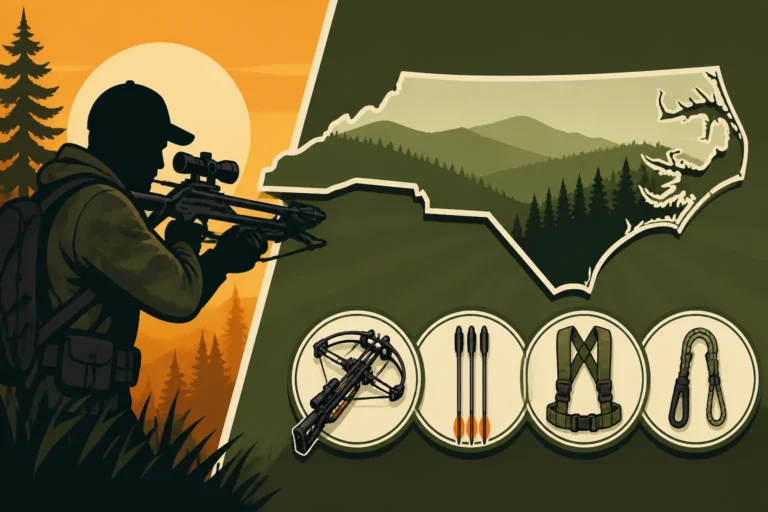
Another crucial provision is the permission to use a crossbow during the statewide archery season if you have a documented upper limb disability. This is an enormous advantage, as it removes the physical challenge of drawing and holding a traditional compound or recurve bow, allowing you to participate fully in Bowhunting North Carolina's Statewide Archery Season. Furthermore, some permits may allow for the assistance of another hunter in retrieving downed game from difficult terrain, or even setting up blinds and treestands, which can be a literal lifesaver in rugged areas like the mountains.
Here's a quick summary of common disability permit benefits:
| Permit Type | Primary Benefit | Typical Eligibility | Key Restrictions |
|---|---|---|---|
| Disabled Sportsman License | Hunt from a stopped vehicle | Permanent mobility impairment | Vehicle must be stopped, not on public roads/highways |
| Crossbow for Disabled Hunters Permit | Use a crossbow during archery season | Permanent upper limb disability | Must hold valid hunting license and bowhunting stamp |
| Mentored Youth Hunting License (for mentor) | Allows a licensed adult to supervise a youth hunter with a disability | Adult with specific license, youth meets age criteria | Mentor must remain within specific distance |
Additional Considerations for Visual and Other Impairments
While mobility is a common concern, other disabilities also receive consideration. Hunters with certain visual impairments, for instance, might face challenges with traditional sighting systems or identifying game at a distance. Although specific permits for visual aids are less common than mobility-related ones, the NCWRC often addresses these needs on a case-by-case basis. It's always worth contacting them directly to discuss potential accommodations.
For other disabilities that may affect safety or the ability to comply with regulations, such as certain cognitive or dexterity impairments, the NCWRC may also offer special provisions. These often involve allowing an assistant to accompany the hunter, providing hands-on aid with loading firearms, tracking game, or other tasks that ensure a safe and successful hunt. The overarching goal is to enable participation while maintaining safety for everyone afield. Remember to consult the latest regulations on the NCWRC website or use the GoHunt platform to stay updated on any changes that might affect your hunting plans.
Navigating Public and Private Lands with a Disability Permit
Having a disability permit is a fantastic step, but knowing how to effectively use it on various types of land is the next layer of understanding. North Carolina offers a wealth of diverse hunting opportunities, from vast national forests to private farmlands, and your permit can grant you different levels of access and privileges depending on the location.
Accessing North Carolina Game Lands and National Forests
Public lands like the Pisgah National Forest Hunting, Nantahala National Forest Hunting, and various North Carolina Game Lands often have specific rules regarding disabled access, which can vary from the general statewide regulations. Many game lands feature designated accessible hunting areas, which might include specially designed blinds, improved trails, or even vehicle access routes not open to the general public. These areas are specifically maintained to provide easier access for hunters with mobility challenges.
Before heading out, it's crucial to consult the NCWRC's Game Lands maps and regulations. Many of these resources are available online, and some platforms like GoHunt can help overlay public land boundaries and access points. You might find information about specific hunt opportunities for disabled hunters, such as managed quota hunts or special seasons on certain refuges. Always remember to verify vehicle access rules on national forest roads, as these can change seasonally or due to weather conditions. Being prepared means checking with the local ranger district or Game Lands manager before your trip to ensure you understand any unique stipulations for disabled hunters in that specific area.
Seeking Private Land Permission and Accommodations
While public lands have their own system, hunting on private land with a disability permit often requires a different approach, though your permit still grants you the same privileges regarding methods and equipment. The biggest hurdle on private land is, of course, obtaining permission from the landowner. When you're asking to hunt, being open and honest about your disability and how your permit allows you to adapt can actually work in your favor. Landowners are often more accommodating when they understand your specific needs and how you plan to hunt safely and responsibly.
For example, if you have a permit allowing you to hunt from a vehicle, discuss with the landowner which farm roads or field edges are suitable for this. If you need help setting up a ground blind or retrieving game, a landowner might be more willing to grant access if they know you have assistance lined up. Many landowners appreciate responsible hunters, and explaining how your disability permit helps you adhere to ethical hunting practices, such as quickly recovering game, can build trust. Organizations like the Quality Deer Management Association (QDMA), now a part of the National Deer Association (NDA), often encourage their members to provide accessible hunting opportunities, so networking within the hunting community might also lead to private land access. Remember, always carry your disability permit and your North Carolina Hunting Licenses and What They Cost with you, whether on public or private land.
Disclaimer
Please note that hunting regulations, license requirements, and disability provisions are subject to change. Always consult the official North Carolina Wildlife Resources Commission (NCWRC) website or their most current printed regulations digest before planning any hunt to ensure you have the most up-to-date and accurate information. This guide is intended for informational purposes only and does not constitute legal advice.