North Carolina Special Youth Hunt Windows
It can be incredibly confusing trying to navigate the myriad of hunting regulations and special seasons, especially when you're trying to introduce the next generation to the outdoors. Many folks wonder how to get their kids involved without running afoul of the law or facing impossible hurdles. This comprehensive guide is here to demystify North Carolina's special youth hunt windows, making it easier for you to plan meaningful, safe, and successful hunting experiences with the young hunters in your life.
Understanding North Carolina's Youth Hunting Opportunities
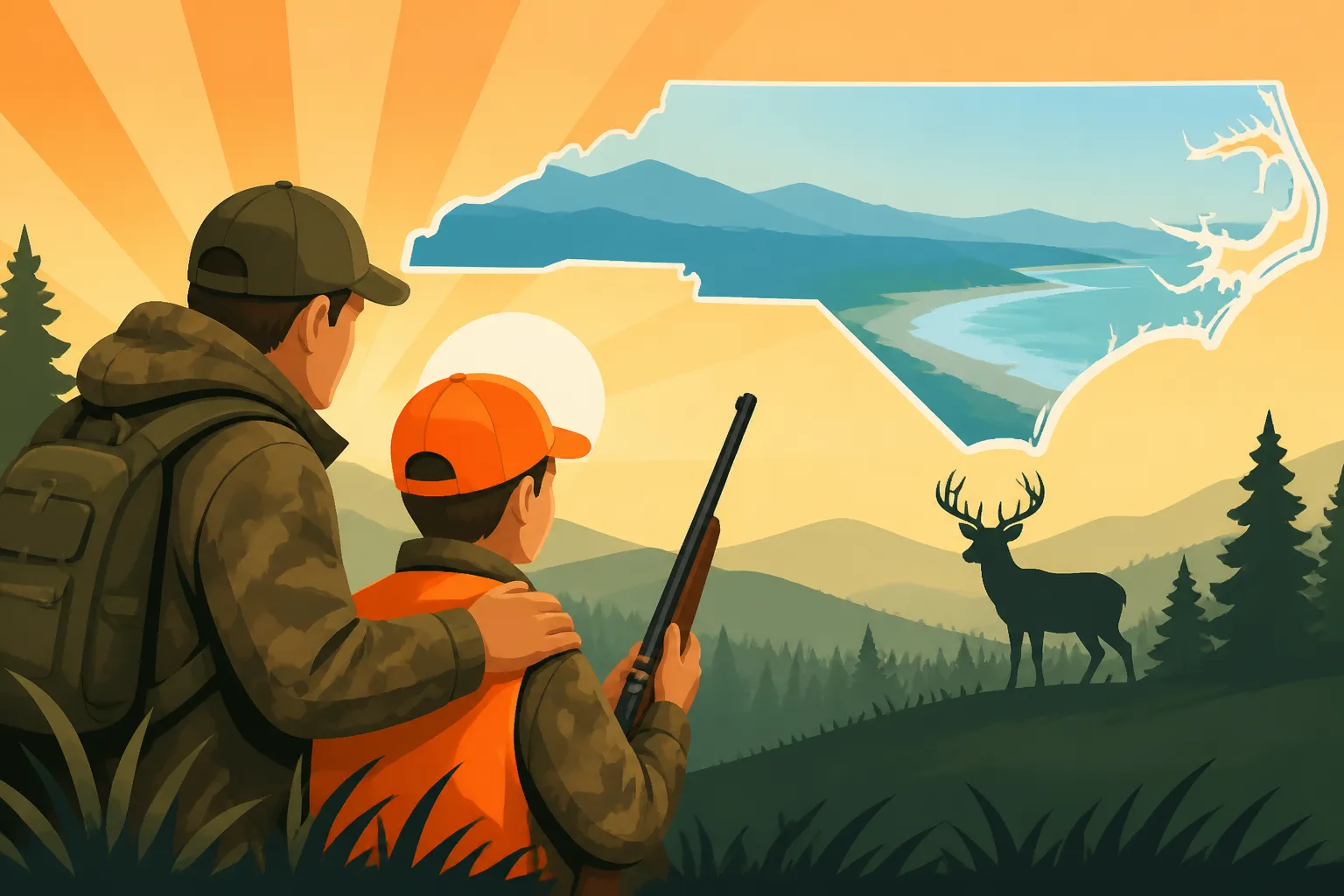
Bringing a young person into hunting is one of the most rewarding experiences an outdoors enthusiast can have. It's about more than just harvesting an animal; it's about teaching respect for nature, understanding conservation, developing crucial life skills like patience and perseverance, and creating memories that will last a lifetime. North Carolina recognizes the importance of fostering this next generation of hunters, and that's precisely why our state offers specific youth hunt windows.
Why Special Youth Hunts Exist
You might wonder why we even need "special" youth hunts. Isn't hunting already open to everyone with a license? Well, yes, but these dedicated youth periods are designed with several key objectives in mind. First and foremost, they reduce pressure. Imagine trying to teach a new hunter how to aim, track, and be patient when every other tree has an adult hunter already set up. These windows allow young hunters to experience the woods with fewer people, often leading to a more relaxed and successful outing. This lower pressure environment can significantly boost a young hunter's confidence and enjoyment, setting them up for a lifelong passion rather than a frustrating first experience.
Beyond reducing pressure, these special hunts serve as a crucial recruitment and retention tool for wildlife agencies. When youth have positive early experiences, they are more likely to continue hunting as adults, which in turn supports conservation funding through license sales and excise taxes on gear. It’s a win-win: young hunters get a better chance at success and a positive introduction, and the future of hunting and wildlife conservation is strengthened. The North Carolina Wildlife Resources Commission (NCWRC) understands that building passion early is key to ensuring our hunting heritage continues for generations.
Key Definitions for Youth Hunters
Before we dive into specific dates, it's vital to understand who qualifies as a "youth" hunter under North Carolina regulations. Generally, a "youth" or "junior" hunter is defined as anyone under 16 years of age. However, there are nuances to this definition, especially concerning supervision requirements.
For most youth hunting opportunities in North Carolina, individuals under 16 must be accompanied by a licensed adult who is at least 18 years old. This adult doesn't necessarily need to be hunting themselves, but they must be present and supervising the youth. The level of supervision can vary: sometimes the adult must be within "normal voice control," while other times, particularly with firearms, they need to be much closer, often within sight. This ensures safety and provides an opportunity for direct mentorship. For specifics on adult supervision, it's always best to check the current regulations published by the NCWRC or refer to details like the Minimum Age for Unsupervised North Carolina Hunting if your youth is approaching that threshold. It's a significant responsibility, and understanding these rules is paramount for a safe and legal hunt.
The Mentored Youth Hunting Program
North Carolina takes its commitment to introducing young hunters seriously, and one of the best examples of this is the Mentored Youth Hunting Program. This program allows youth under 16 to hunt without first completing a hunter education course, provided they are accompanied by a licensed adult who has completed hunter education (or is exempt from it) and holds a valid hunting license. The adult mentor must maintain "direct supervision" — meaning they must be within sight and hearing of the youth, and close enough to take immediate control of the hunting device if necessary.
This program removes a significant barrier to entry, as waiting for a hunter education course can sometimes delay a young person's first hunting experience. It emphasizes hands-on learning, where a seasoned hunter can directly impart knowledge on safety, ethics, wildlife identification, and hunting techniques in real-time. This isn't just about getting a license; it's about building a foundation of responsible hunting practices. Many parents and guardians find this pathway invaluable for getting their children into the field sooner. You can find more details about this option in resources like North Carolina Apprentice Hunter License Rules or North Carolina Mentored Youth Hunting Rules.
Specific Youth Hunt Windows in North Carolina
North Carolina offers specific youth hunt windows primarily for deer and turkey, allowing young hunters dedicated time in the field before the general seasons open to adults. These opportunities are incredibly valuable for providing a less crowded, more focused experience.
Deer Hunting Youth Opportunities
Deer hunting is often where many young hunters get their start, and North Carolina makes it a point to provide special days just for them. The state designates specific "Youth Deer Hunting Days" which occur before the general gun seasons open in various zones. This means kids often get the first crack at deer for the year in their respective zones, a truly exciting prospect!
Historically, for the Eastern and Central Deer Zones, the Youth Deer Hunting Day falls on the Saturday before the statewide gun season opens for those areas. For example, if the general gun season in these zones typically opens around mid-October, the youth day would be the Saturday preceding that. In the Western Deer Zone, which has a later general gun opener, the Youth Deer Hunting Day usually occurs on the Saturday before Thanksgiving. This staggered approach respects the different season structures across the state. These days are reserved exclusively for properly licensed youth hunters under 16, who must be accompanied by a licensed adult. During these special days, youth can typically harvest deer of either sex, provided they adhere to the statewide bag limits and any specific county or game land regulations. It's crucial to consult the current North Carolina Inland Fishing, Hunting & Trapping Regulations Digest each year for the precise dates, as they can shift slightly. You can cross-reference this with information on North Carolina Deer Season Structure Explained for broader context and further details on the North Carolina Youth Deer Weekend Rules. Utilizing a tool like GoHunt can help you quickly find updated season dates for your specific county and plan your outing.
Turkey Hunting Youth Weekend
Spring turkey hunting is another incredible experience for young hunters, and North Carolina dedicates a special weekend just for them. The "Youth Turkey Weekend" typically falls on the first full weekend of April, immediately preceding the statewide general turkey season opener. This allows youth hunters under 16 the chance to hunt wild turkeys without competing with the larger crowds that descend upon the woods during the general season.
During this two-day period, youth hunters, accompanied by a properly licensed adult, can try their hand at calling in and harvesting a gobbler. It’s an ideal time for parents or mentors to focus solely on teaching turkey hunting tactics, from setting up a blind to understanding gobbler vocalizations. The general bag limits and rules for turkey hunting still apply during this youth weekend, which usually means one gobbler per day, with a season limit of two birds, and only one of those two birds can be taken during the youth weekend. Ensure your youth hunter and their mentor understand these limits by checking North Carolina Turkey Daily Bag Limit. For a full overview of regulations, also see North Carolina Spring Turkey Season Rules. This special weekend is a fantastic way to introduce kids to the thrill of calling in a wary tom.
Other Game Species Youth Seasons
While deer and turkey get the most attention for dedicated youth windows, it's worth noting that youth hunters also have ample opportunities to pursue other game species throughout the year within the general seasons. For many small game species like squirrels and rabbits, as long as the youth is properly licensed and accompanied by a licensed adult, they can hunt during the regular open seasons. This provides continuous opportunities for young hunters to hone their skills and enjoy the outdoors.
Waterfowl hunting, while not having dedicated "youth only" weeks like deer and turkey, does have specific "Youth Waterfowl Days" during the regular waterfowl season. These days are designed to introduce young hunters to duck and goose hunting, again under the supervision of a licensed adult. These dates are usually announced with the federal migratory bird regulations each year, so it's important to check the North Carolina migratory game bird seasons. These less pressured opportunities are fantastic for teaching patience in a duck blind and understanding waterfowl identification. Remember to check all licensing requirements, including federal duck stamps and HIP certification, even for youth hunters if they plan to hunt migratory birds.
Essential Gear and Planning for Youth Hunts
Taking a young hunter into the field requires careful planning, not just for success but, most importantly, for safety and enjoyment. It’s about equipping them properly and setting realistic expectations.
Licensing and Hunter Education Requirements
Before any youth hunt, the first step is ensuring all licensing requirements are met. For youth under 16, North Carolina offers several options. As discussed, the Mentored Youth Hunting License is a popular choice, allowing hunting under direct supervision without prior hunter education. However, if your youth plans to hunt unsupervised once they are old enough, or if you simply prefer they have a formal education, completing the North Carolina Hunter Education Requirements is essential. This course covers vital topics like firearm safety, ethical hunting practices, wildlife identification, and conservation principles.
Every youth hunter, regardless of the program, will need a valid North Carolina hunting license. The specific license type will depend on their age, residency, and the species they intend to hunt. For instance, a basic hunting license is required, and for big game like deer and turkey, a Big Game Harvest Report Card is necessary. While the costs for youth licenses are generally lower, it’s crucial to understand North Carolina Hunting Licenses and What They Cost and ensure all relevant privileges are purchased. Many hunters use platforms like GoHunt to manage their licenses, scout new areas, and keep up with regulations, which can be invaluable when planning a hunt with a young person.
Age-Appropriate Gear Selection
Choosing the right gear for a youth hunter is about balancing safety, comfort, and effectiveness. You wouldn’t hand a 10-year-old a .300 Win Mag for their first deer hunt.
For firearms, consider smaller calibers with less recoil, such as a .243 Winchester, 6.5 Grendel, or even a .223 Remington for deer, depending on the shot distance and the youth’s comfort level. Ensure the rifle fits them well – stock length is crucial for proper sight picture and recoil management. Many manufacturers offer youth model rifles with shorter stocks and lighter weights. Shotguns for turkey or small game should also fit properly; a 20-gauge is often a more manageable choice than a 12-gauge for smaller frames. For archery, bows with adjustable draw weight and length are ideal, allowing the bow to grow with the child. Crossbows, allowed during Crossbow Rules During North Carolina Archery Season, can also be a great equalizer for young or new archers, reducing the physical demands while still providing an archery experience.
Beyond the weapon, proper clothing is essential. Layers appropriate for the North Carolina weather, comfortable boots for walking, and crucially, blaze orange. North Carolina has clear North Carolina Blaze Orange Requirements that apply to youth hunters during certain seasons, ensuring maximum visibility and safety. Make sure the orange clothing fits well and is easily seen.
| Youth Hunt Type | Typical Timeframe | Eligible Age | Supervision Req. | Species |
|---|---|---|---|---|
| Youth Deer Day | Sat. before Oct. 14 (E/C) | Under 16 | Licensed Adult (18+) | Deer (either sex) |
| Sat. before Thanksgiving (W) | Under 16 | Licensed Adult (18+) | Deer (either sex) | |
| Youth Turkey Weekend | First Full Weekend of April | Under 16 | Licensed Adult (18+) | Gobbler (1/day, 1 for youth weekend) |
| Youth Waterfowl Days | Specific dates during season | Under 16 | Licensed Adult (18+) | Ducks, Geese, Coots, Mergansers |
Scouting and Safety Considerations
Scouting is fundamental for any successful hunt, and it's an excellent way to involve youth even before the season opens. Take them to Scouting North Carolina Public Land Before Season or your private land to look for tracks, droppings, and feeding areas. This teaches them to read the landscape and understand animal behavior. Use a mapping app like GoHunt to mark sign, potential stand locations, and safe entry/exit routes. This pre-season activity builds excitement and ownership in the hunt.
Safety, however, is paramount. Beyond hunter education and proper gear, instilling a deep respect for firearms and hunting ethics from day one is critical. Always follow the four primary rules of firearm safety: treat every gun as if it's loaded, always point the muzzle in a safe direction, keep your finger off the trigger until ready to shoot, and be sure of your target and what is beyond it. Review these rules constantly. On the hunt, always ensure clear communication, especially when moving. Discuss shot angles, target identification, and what to do after the shot. Recovering an animal from Tracking a Deer Through North Carolina Leaf Litter or through dense cover is a learned skill, and youth should be guided through it carefully. These are life lessons that extend far beyond the hunting blind.
Disclaimer
The information provided in this guide is for general informational purposes only and is not intended as legal advice. Hunting regulations in North Carolina are subject to change annually. Always consult the most current North Carolina Inland Fishing, Hunting & Trapping Regulations Digest published by the North Carolina Wildlife Resources Commission (NCWRC) or visit their official website before participating in any hunting activity.