North Carolina Turkey Daily Bag Limit
Trying to figure out North Carolina's turkey hunting regulations, especially when it comes to how many birds you can actually bag in a day, can feel like you're trying to solve a complicated puzzle. It's easy to get mixed up between daily limits, seasonal limits, and special youth season rules, leading to worries about staying compliant while just trying to enjoy your time in the woods. This guide aims to clear up all that confusion, giving you a straightforward understanding of the daily bag limit for wild turkeys in North Carolina so you can hunt confidently and responsibly.
Understanding North Carolina's Turkey Season Structure
Before we dive into the specifics of daily limits, it’s crucial to understand the overall structure of turkey season in North Carolina. The state has done a fantastic job of managing its wild turkey population, and part of that success comes from carefully regulated seasons. We generally have a spring season, which is our primary turkey hunting opportunity, and a special youth season that kicks off just before the statewide opener. Each of these has its own set of rules, and knowing them is the foundation for understanding your bag limits.
The Statewide Spring Turkey Season
North Carolina's spring turkey season is what most of us look forward to all year. It typically runs from early April through early May, giving hunters several weeks to pursue gobblers. This season is specifically for male turkeys, or gobblers, to ensure the hens are left alone to nest and raise their poults. The dates can shift slightly year to year, so it's always a good idea to check the latest regulations from the North Carolina Wildlife Resources Commission (NCWRC) website. Knowing the precise dates for the North Carolina Statewide Turkey Opener and when the North Carolina Turkey Season Closing Date falls is key to planning your hunts. During this time, you'll hear the woods come alive with gobbling, and the challenge of calling in a wary tom is what makes it so rewarding. Whether you're hunting dense pine plantations or open hardwoods, the strategy remains focused on identifying and attracting those mature gobblers.
The Special Youth Turkey Weekend
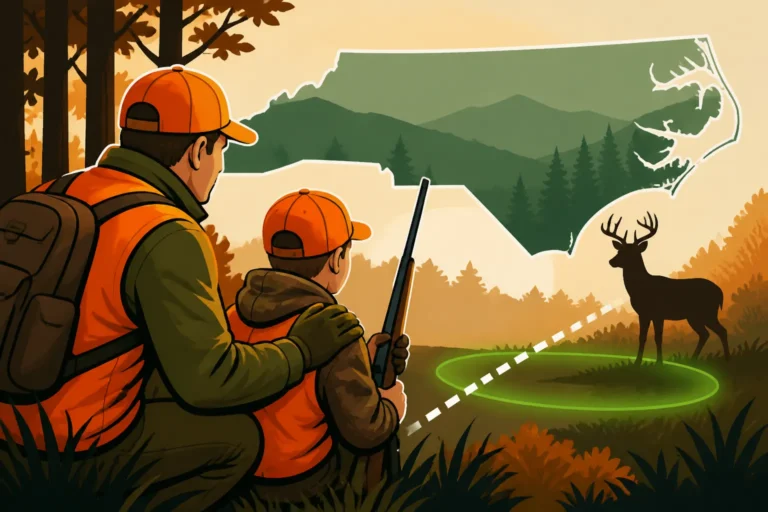
One of the fantastic opportunities we have in North Carolina is the special youth turkey weekend. This usually takes place a week or so before the general statewide opener, offering young hunters (typically under 18) a chance to get out with a mentor before the woods get more crowded. It's a wonderful way to introduce the next generation to hunting, teaching them valuable skills in a lower-pressure environment. The rules for this weekend are specific, and you can learn more about them in our guide on North Carolina Youth Turkey Weekend Rules. It's important to remember that while this weekend provides an early opportunity, any birds harvested during this time still count towards the overall seasonal bag limit, and there are specific stipulations about how many birds can come from this early hunt, which we'll discuss further. The goal here is to foster a love for the outdoors and ethical hunting practices in a controlled setting, giving youth hunters a head start.
Daily Bag Limits and Why They Matter
Now, let's get to the heart of the matter: the daily bag limit. This is a critical regulation that every turkey hunter in North Carolina needs to understand intimately. It's not just about staying legal; it's about responsible wildlife management and ensuring that our turkey populations remain healthy and thriving for years to come. Over-harvesting, even on a daily basis, can quickly impact local populations, especially considering the specific habits of wild turkeys.
The Standard Daily Limit for Gobblers
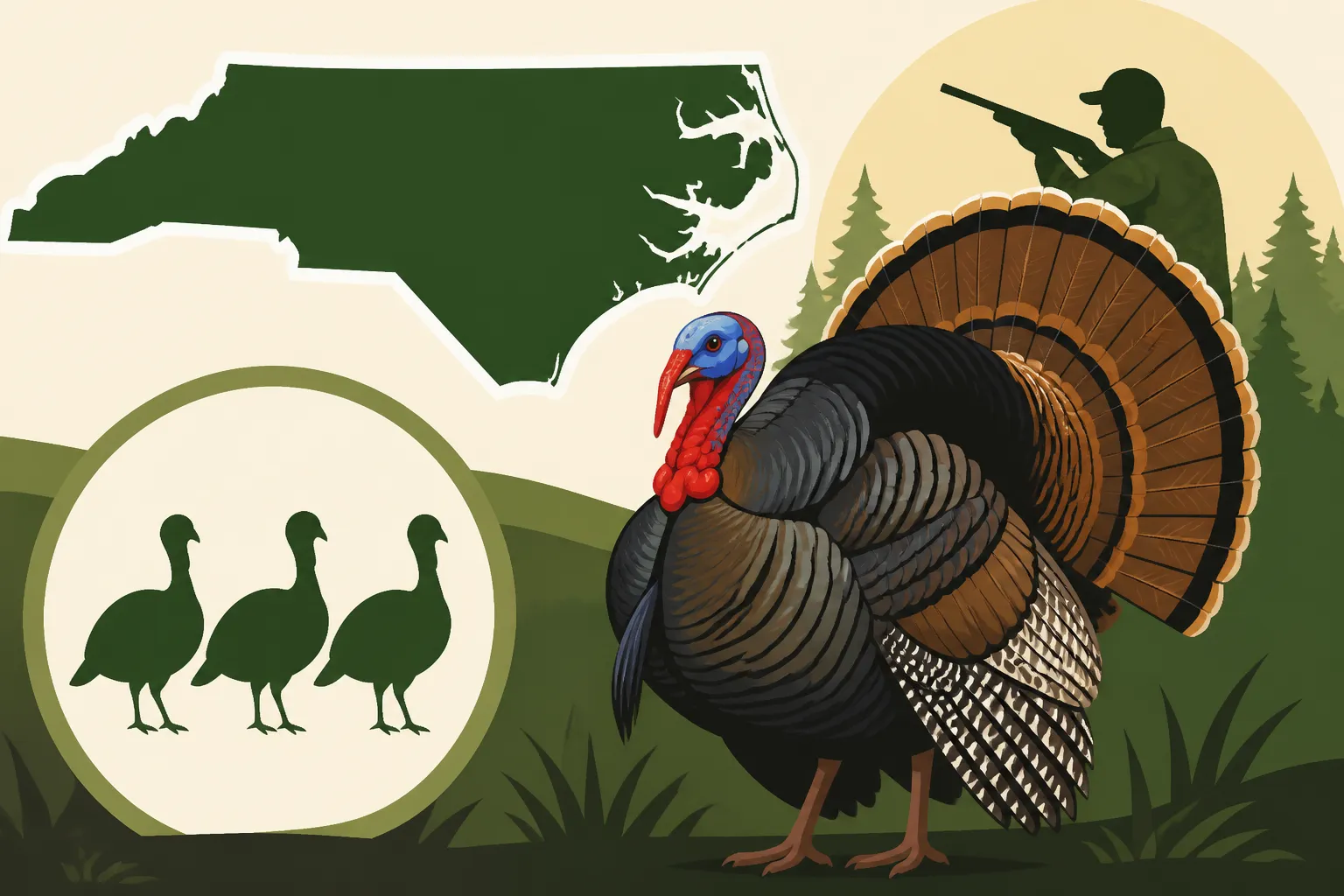
For the vast majority of turkey hunters during the regular spring season in North Carolina, the daily bag limit is quite straightforward: one gobbler per day. That's right, just one. This isn't like some other states or types of hunting where you might be able to take multiple animals in a single outing. The idea behind this strict daily limit is to spread out the harvest pressure, giving more hunters a chance at success over the course of the season, and preventing individuals from taking too many birds from a specific area in a short amount of time.
Imagine you've been scouting for weeks, using a platform like GoHunt to analyze maps and pinpoint potential roosting areas. You finally get out there on opening morning, and within an hour, you've called in and harvested a beautiful gobbler. That's it for your turkey hunting for the day, even if you hear other birds gobbling just over the ridge. You've met your daily limit. This rule applies whether you're hunting private land in the Piedmont or exploring the vast expanses of public game lands. It reinforces the principle of conservation and ensures that every successful hunt is savored, not rushed. It also means you need to be strategic. If you're out with a friend, you both have your own individual daily limit of one bird, but you can't combine them to take two birds and call it a day for the both of you. Each hunter is responsible for their own limit.
Understanding the Seasonal Bag Limit
While this article focuses on the daily limit, it's impossible to discuss it without also mentioning the seasonal bag limit, as the two are intrinsically linked. In North Carolina, the seasonal bag limit for wild turkeys is two gobblers, regardless of whether you're a resident or non-resident hunter. This means that once you've harvested two gobblers over the entire spring season (including any taken during the youth weekend), your turkey hunting season is officially over.
So, you take your first gobbler on April 10th. Great! You still have one more bird you can harvest for the season. If you get another one on April 25th, that's your two for the season, and you're done. This two-bird seasonal limit, combined with the one-bird daily limit, forces hunters to be selective and manage their hunting efforts carefully. It's part of the comprehensive North Carolina Spring Turkey Season Rules that every hunter should review annually. Some states might have a three-bird limit, but North Carolina has found that two gobblers helps maintain a healthy breeding population while still providing ample opportunity for hunters. The North Carolina Turkey Population Estimate gives biologists an idea of overall health, and these limits are set to ensure sustainable hunting.
Here's a quick summary table of the limits:
| Season Segment | Daily Bag Limit (Gobblers) | Seasonal Bag Limit (Gobblers) | Special Notes |
|---|---|---|---|
| Special Youth Turkey Weekend | 1 | 2 (combined total) | Only one of the two seasonal birds can be from this weekend. |
| Statewide Spring Turkey Season | 1 | 2 (combined total) | Applies to all licensed hunters. |
Navigating Youth Season and Special Rules
The youth season offers a fantastic gateway for new hunters, but it comes with its own set of rules, particularly concerning how birds harvested during this time contribute to the overall seasonal limit. It's a critical detail that often causes confusion, so let's break it down thoroughly to ensure everyone understands.
How Youth Harvests Count Towards the Overall Limit
The most important distinction for the youth turkey weekend is found in the rule, "Why Only One of Two Birds Can Come From Youth Season." Even though the statewide seasonal limit is two gobblers, only one of those two birds can be harvested during the special youth weekend. This rule is designed to provide an early opportunity for young hunters without allowing them to take a disproportionate number of birds before the general season even begins.
Consider this scenario: A young hunter, let's call him Alex, goes out with his dad during the youth weekend and calls in a beautiful tom. Alex makes a great shot, and they successfully harvest the bird. This counts as Alex's first bird of the season. Now, for the rest of the statewide season, Alex can still harvest one more gobbler. However, if Alex were to harvest a second bird during that same youth weekend (which technically isn't allowed under the daily limit, but hypothetically), it would not count towards his seasonal limit, and it would be a violation. The intent is clear: one early bird, then one during the main season. This encourages youth hunters to continue hunting throughout the spring and experience the full scope of the season, rather than front-loading their success. Using a tool like GoHunt to scout public land areas might even help identify less-pressured spots for youth hunts.
Mentor Requirements and Supervision
Another vital aspect of the youth season, and youth hunting in general, in North Carolina, revolves around mentorship and supervision. Young hunters, depending on their age and hunter education status, often need to be accompanied by a licensed adult mentor. This isn't just a legal requirement; it's a fundamental part of the learning process. The mentor isn't just there to ensure compliance; they're teaching everything from calling techniques, like Calling a North Carolina Gobbler Off the Roost, to ethical shot placement and responsible land use.
The mentor must typically be within a certain proximity and able to exercise direct supervision over the youth hunter. This means they are actively involved, ready to guide, advise, and intervene if necessary. It's about safety first, followed closely by education. This setup allows for real-time instruction on everything from proper firearm handling to understanding turkey behavior and how to approach situations in the field. It’s also an excellent time to discuss hunting pressure on North Carolina Public Land and how to find quieter spots. The goal is to cultivate skilled, ethical, and safe hunters who will carry on the tradition for years to come.
Reporting Your Harvest and Staying Compliant
Harvest reporting is an absolutely crucial part of North Carolina's wildlife management, particularly for big game like wild turkeys. It's not just a bureaucratic hoop; it provides essential data that the NCWRC uses to monitor turkey populations, assess harvest trends, and make informed decisions about future regulations, including bag limits. Failing to report your harvest can actually skew these important numbers, impacting conservation efforts.
The Mandatory Reporting Process
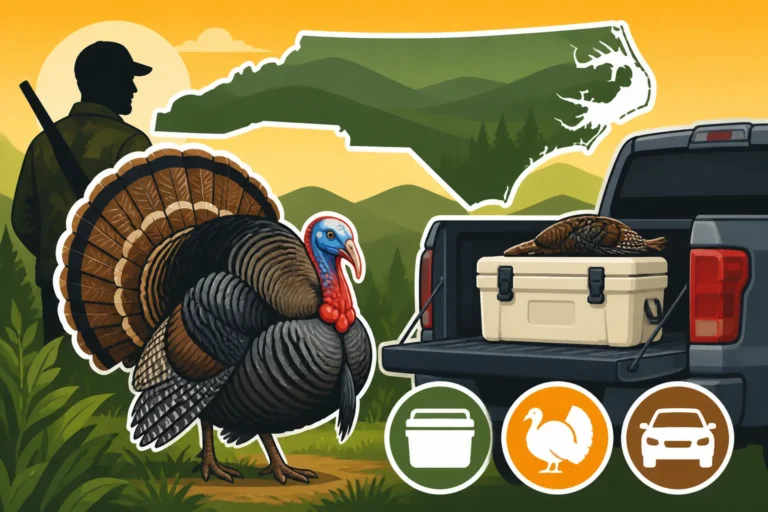
In North Carolina, once you've harvested a turkey, it is mandatory to report that kill. You can't just throw it in the cooler and head home. The reporting process is designed to be as convenient as possible, usually done through the NCWRC's website or their mobile app. You'll typically need to provide information such as the date of harvest, the county it was harvested in, and possibly some details about the bird itself, like its sex. This data feeds directly into the larger picture of North Carolina Turkey Harvest Numbers.
Many hunters use the NC Wildlife app to quickly check in their deer and turkey kills right from the field. It's designed to be user-friendly, even if you're in a spot with spotty cell service, allowing you to save the information and upload it once you get a signal. This system ensures that all harvested birds are accounted for, which is vital for maintaining accurate population models. Imagine a season where hundreds of birds are taken but never reported; the biologists would have an incomplete picture, potentially leading to incorrect future management decisions. Being diligent about North Carolina Turkey Checking Requirements is a small effort that contributes significantly to the health of our turkey resource.
The Importance of Accurate Reporting
Beyond the legal requirement, accurate reporting is a cornerstone of responsible hunting. When you report your harvest, you're contributing to a collective effort to manage our wildlife sustainably. This data helps the NCWRC understand population densities in different regions of the state, identify areas where turkey numbers might be increasing or decreasing, and gauge the overall impact of hunting pressure. For instance, if reporting numbers from a specific area suddenly spike, it might prompt biologists to investigate potential factors, like increased hunter access or a particularly strong hatch year, which would show up in poult-to-hen ratios.
This information is also critical when evaluating the effectiveness of current bag limits. If harvest rates become too high relative to the population's ability to reproduce, regulations might need to be adjusted in future seasons. On the flip side, consistent reporting of healthy harvests can confirm that the current limits are working well. So, when you take a moment to report your bird, whether you used GoHunt to scout the location or just stumbled upon a hot gobbler while doing some Turkey Tactics for Piedmont Field Edges, know that you're playing a direct role in the ongoing conservation of North Carolina's wild turkeys. It's a fundamental responsibility of every ethical hunter.
Common Misconceptions and Clarifications
It's easy for rumors or misunderstandings to spread in the hunting community, especially when regulations can vary from state to state or even change within North Carolina over time. Let's tackle a few common misconceptions about turkey bag limits to ensure you're fully informed and hunting within the rules.
"Can I take two gobblers if I hunt different counties?"
This is a really common question, and the answer is a definitive no. The North Carolina turkey daily bag limit of one gobbler and the seasonal bag limit of two gobblers are tied to you, the individual hunter, not to the specific county you're hunting in. It doesn't matter if you harvest a bird in Chatham County one morning and then drive to Bladen County the same afternoon; you've still reached your daily limit.
Think of it like this: your license and privilege stamps grant you the right to harvest game up to specific limits across the state, not per county. Trying to exploit county lines to exceed a daily or seasonal limit would be a violation of state law. The system for North Carolina Turkey Checking Requirements tracks your personal harvest, so trying to double-dip across counties won't fly. This rule ensures fairness and prevents localized over-harvesting that could occur if a few highly mobile hunters concentrated their efforts across multiple areas in a single day. The focus is on the individual hunter's impact on the overall turkey resource, not a county-by-county breakdown for daily limits.
"Are jakes included in the gobbler limit?"
Another question that pops up frequently is about jakes. For those new to turkey hunting, a "jake" is a juvenile male turkey, typically a yearling. They usually have shorter beards, underdeveloped spurs, and uneven tail feathers. While they are still male turkeys, some hunters wonder if they count differently toward the bag limit than a mature gobbler.
In North Carolina, yes, a jake counts as a gobbler toward your daily and seasonal bag limits. The regulations typically refer to "gobblers," which encompasses any male turkey, regardless of age or maturity. So, if you call in a jake and decide to harvest it, that bird fulfills your one-gobbler daily limit and counts as one of your two seasonal birds. While some hunters prefer to pass on jakes to let them mature, legally, they are counted the same as a long-bearded, spurred tom. This ensures consistency in reporting and management. So, whether you're targeting a big old boss gobbler or a smaller, more aggressive jake, that first successful encounter means your hunting for the day is done. Be mindful of this as you're making your decisions in the field; knowing your quarry and respecting the regulations is paramount. And always remember, scouting tools like GoHunt can help you identify areas with more mature birds if you're holding out for a specific kind of tom.
Disclaimer
Please note that hunting regulations, seasons, and bag limits are subject to change. While every effort has been made to provide accurate and up-to-date information in this guide, it is the hunter's responsibility to consult the most current North Carolina Inland Fishing, Hunting and Trapping Regulations Digest or the North Carolina Wildlife Resources Commission website before heading afield. Always verify specific rules and dates for the current season.