How Many Deer Have Tested CWD-Positive Since Testing Began
When you head out into the North Carolina woods, especially for deer, there's always a lot on your mind: scouting, gear, the weather, and of course, the hope of a successful hunt. But in recent years, a new concern has been quietly creeping into conversations around deer camps and public land parking lots: Chronic Wasting Disease, or CWD. It's a scary topic because it directly affects the health of our deer herd, and for us hunters, that hits close to home. This guide will cut through the noise and give you the clear facts on how many deer in North Carolina have tested positive for CWD since testing efforts began, and what that means for our hunting future.
The Current Count of CWD-Positive Deer in North Carolina
The arrival of Chronic Wasting Disease in North Carolina was something many of us had hoped to avoid, but wildlife agencies across the country have been preparing for its inevitable spread. When the first case was confirmed here, it marked a new chapter for deer management in our state, prompting increased surveillance and mandatory testing in certain areas. Understanding the numbers is the first step to grasping the scope of the challenge.
The Initial Discovery and Ongoing Surveillance
North Carolina officially recorded its first CWD-positive deer in March 2022. This initial detection came from a hunter-harvested white-tailed deer in Yadkin County. It was a somber milestone, confirming that the disease, which had been present in neighboring states for years, had finally made its way into our cherished deer population. The North Carolina Wildlife Resources Commission (NCWRC) immediately ramped up its surveillance efforts, increasing testing in surrounding areas and establishing a CWD Management Area (CMA). This wasn't just about finding more cases; it was about understanding the geographical spread and prevalence of the disease to inform management strategies.
Since that first detection, NCWRC biologists, alongside dedicated hunters and landowners, have been working tirelessly. They’ve been collecting samples from hunter-harvested deer, road-killed deer, and deer exhibiting unusual behavior. This proactive approach is critical because CWD is notoriously difficult to detect in its early stages, and the only definitive diagnosis currently requires tissue samples from the brain or lymph nodes, usually collected post-mortem. It's a massive undertaking, relying heavily on the cooperation of the hunting community to provide these crucial samples. This ongoing surveillance is what helps us paint a clearer picture of the disease's presence.
Total Confirmed Cases Since 2022
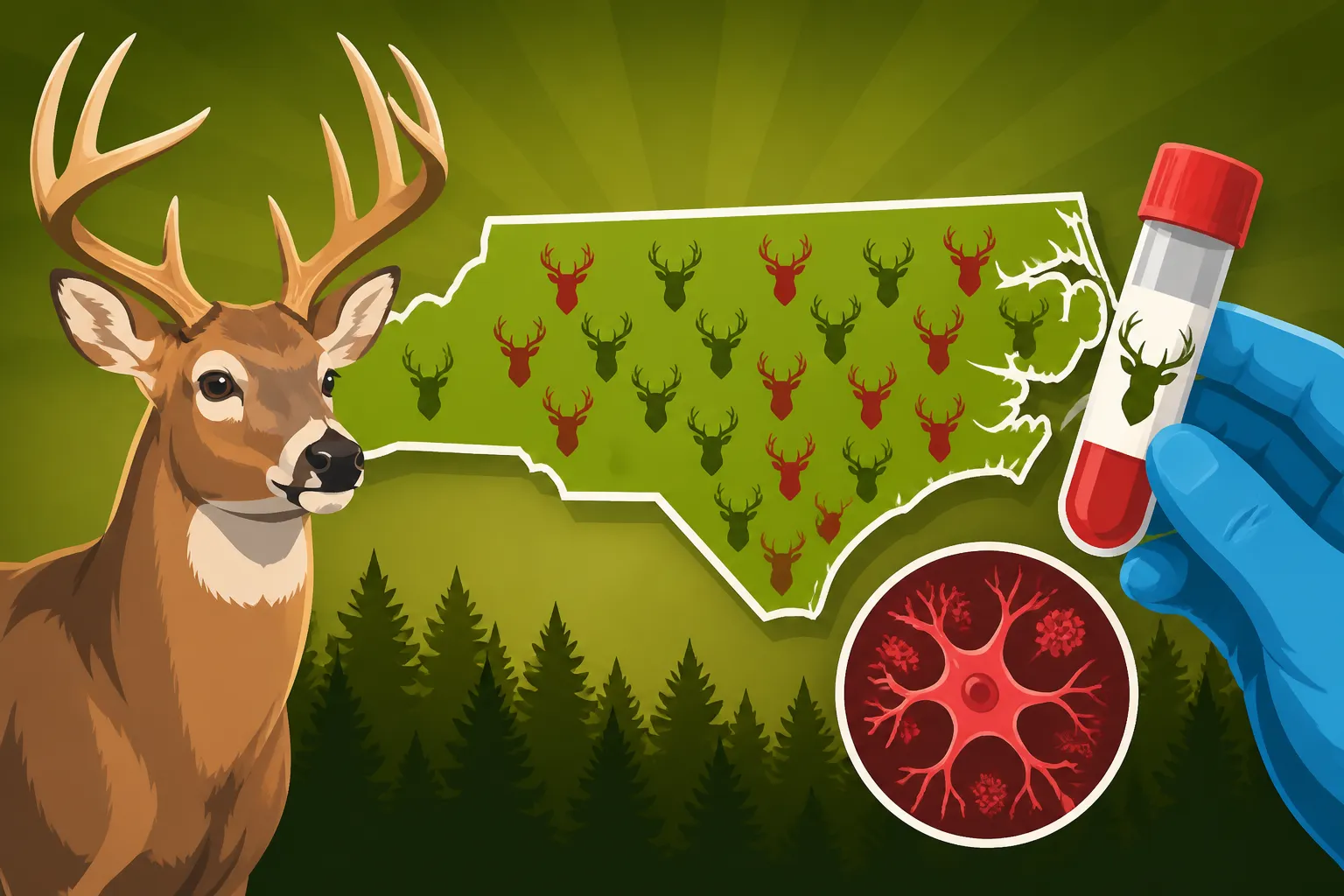
As of the most recent updates in late May 2024, North Carolina has confirmed a total of 20 CWD-positive deer since testing began in 2022. This number represents a concentrated effort to identify and track the disease's presence within our borders. The majority of these cases have been found in the initial detection areas of Surry and Yadkin counties. However, more recently, an additional case was confirmed in Stokes County, marking the first detection in that particular county and expanding the known footprint of the disease slightly.
It's important to remember that this number isn't static; it's a dynamic figure that will likely change as surveillance continues and more samples are collected and tested. Each positive case is a data point that helps the NCWRC refine its understanding of CWD's spread and adapt its management strategies. The discovery of cases in new counties, even if only one or two, signals the disease's slow but persistent progression. For hunters, knowing this total gives a tangible sense of the challenge, reinforcing the importance of adhering to regulations designed to slow its spread. This ongoing tally also influences crucial decisions, like those affecting the North Carolina Deer Season Structure Explained.
Here’s a snapshot of the CWD-positive cases by county as of the most recent updates:
| County | Number of CWD-Positive Deer (Approx.) | First Detection | Current Status |
|---|---|---|---|
| Surry | ~10-12 | 2022 | CWD Management Area |
| Yadkin | ~7-9 | 2022 | CWD Management Area |
| Stokes | 1 | 2024 | CWD Surveillance Area |
| Total | 20 | March 2022 | (Ongoing) |
Note: These numbers are approximate and based on publicly available NCWRC reports up to late May 2024. The exact distribution may shift as more data becomes available.
Understanding North Carolina's CWD Footprint
The location of these 20 confirmed cases isn't random; it dictates how the NCWRC responds and where hunters need to be most vigilant. When we talk about CWD in North Carolina, we're primarily looking at the Yadkin Valley region, which unfortunately became ground zero for the disease in our state. This focus directly impacts how and where we hunt.
Key Counties and Management Areas
The bulk of North Carolina's CWD-positive deer have been concentrated in the northwestern part of the state. Specifically, Surry and Yadkin counties have seen the highest numbers, confirming suspicions that the disease established a foothold there before it was initially detected. The NCWRC quickly designated these and several surrounding counties as a CWD Management Area (CMA) to implement specific rules and heightened surveillance. These are the core counties that define North Carolina's Chronic Wasting Disease Areas for hunters. This means that if you're hunting in these areas, you're operating under a different set of guidelines than someone hunting down in the Coastal Plain or up in the Mountains.
More recently, the confirmation of a CWD-positive deer in Stokes County expanded this footprint. While Stokes County is not currently designated as a full CMA, it immediately became part of a CWD Surveillance Area. This geographical expansion means that hunters who regularly traverse between counties, perhaps hunting in Surry one weekend and Stokes the next, need to be acutely aware of which specific CWD zone they are in. The boundaries aren't always intuitive, so it's crucial to check the most up-to-date maps from the NCWRC. Understanding How CWD Reached the Yadkin Valley helps clarify why these particular counties became initial hotspots for the disease's detection and ongoing spread.
How Cases Impact Local Hunting Regulations
The presence of CWD in these specific counties has led to very direct and necessary changes in hunting regulations. The NCWRC isn't just counting cases; they're implementing strategies designed to slow the spread and gather more data. For hunters in CWD Management Areas, this often means mandatory CWD testing of all harvested deer. It's not a suggestion; it's a requirement designed to help biologists get a more accurate picture of disease prevalence. You'll also encounter specific rules regarding carcass movement, which are in place to prevent infected parts from being transported to unaffected areas.
For example, you might be required to leave spinal columns and skulls within the CWD Management Area, only taking out deboned meat, hides, and clean skulls or antlers. This can be a hassle, especially if you're used to taking your deer straight home for processing, but it's a critical measure. There are also specific rules about the use of attractants and bait in these areas, as concentrating deer can potentially increase disease transmission. If you're planning to hunt in any of these zones, it's absolutely vital to be familiar with the latest NCWRC regulations. Resources like the GoHunt app or the NCWRC website are indispensable for staying current, as regulations can be updated quickly based on new findings. Being compliant not only helps the NCWRC's efforts but also protects the integrity of the broader deer herd in North Carolina.
The Hunter's Role in CWD Surveillance and Management
As hunters, we are on the front lines of wildlife observation and management. Our direct involvement is not just appreciated, but it's absolutely critical in the fight against CWD. The NCWRC relies heavily on our participation, whether it's through mandatory testing or simply being observant in the field. This disease isn't just a government issue; it's a hunter's issue, and our actions matter.
Mandatory Testing and Carcass Movement Rules
If you're hunting in a CWD Management Area, or even a CWD Surveillance Area like newly added Stokes County, you need to be prepared for mandatory CWD testing. This typically means that after you harvest a deer, you'll be required to take its head to a designated CWD sampling station. These stations are usually located at specific drop-off points, taxidermists, or even temporary sites set up during peak hunting season. The NCWRC makes it as easy as possible to comply, but it still requires an extra step in your post-harvest routine. You can find detailed information on Finding a North Carolina CWD Sampling Location on the NCWRC website.
Beyond testing, strict North Carolina Carcass Movement Restrictions are a cornerstone of CWD management. The goal is simple: prevent potentially infected deer parts from spreading the prions (the infectious agents of CWD) to new areas. This means you generally cannot transport whole carcasses or high-risk parts (like the brain, spinal cord, or lymph nodes) out of a CWD Management Area. Typically, deboned meat, cleaned skulls, and hides are allowed to leave, but anything else must remain within the designated zone. This might mean field dressing your deer more thoroughly than usual or utilizing specific CWD-compliant processors within the management area. It's an inconvenience, yes, but it's a small price to pay to help protect the long-term health of our deer herd. Remember, violating these rules, even unintentionally, can have serious consequences.
Scouting Strategies in Affected Zones
Hunting in a CWD-affected zone doesn't just change the rules for what happens after the shot; it might also influence how you approach your scouting and hunting strategies. While CWD isn't typically detectable in live deer through observation alone, understanding deer behavior and population dynamics becomes even more critical. You want to be on the lookout for any deer exhibiting signs of illness—emaciation, drooling, or neurological problems—and report them to the NCWRC immediately. Although these signs are rare and can be indicative of other diseases, vigilance is key.
When you're out Scouting North Carolina Public Land Before Season in a CWD zone, consider factors that might concentrate deer. Areas with high deer densities or consistent supplemental feeding can theoretically increase the chances of CWD transmission. While deer feeders are illegal on public land, understanding natural congregation points like consistent food sources, water, or bedding areas can be useful. Using a mapping app like GoHunt can help you identify public land boundaries and potential travel corridors, allowing you to plan your hunt effectively while being mindful of CWD management zones. Some hunters might even consider adjusting their harvest goals, perhaps focusing more on antlerless deer in areas with high prevalence, if regulations allow and it aligns with personal ethics and local management objectives. Additionally, the NCWRC often implements special seasons, such as the Hunting the Special Early CWD-Zone Season, which can offer unique opportunities and require specific tactics.
Looking Ahead: NCWRC Efforts and Future Outlook
The confirmation of CWD in North Carolina is a serious challenge, but it's not a death knell for deer hunting in our state. The NCWRC and its partners are actively engaged in robust monitoring and management efforts, learning from the experiences of other states and adapting strategies to our unique North Carolina landscape. The future of deer hunting, while potentially altered, will continue, and our participation is paramount.
Expanding Testing and Research Efforts
The 20 confirmed cases are just a snapshot, and the NCWRC is committed to expanding its CWD testing and research efforts. This isn't a "one and done" situation; it's a long-term commitment. You can expect to see increased sampling efforts in and around the existing CWD Management Areas and surveillance zones. This means more opportunities for hunters to submit samples and more eyes on the deer herd. The agency is also continually researching better testing methods, understanding the environmental persistence of prions, and collaborating with national wildlife health experts.
This expanded testing is vital to get a more comprehensive understanding of the disease's true prevalence. For instance, Mandatory Testing Inside a CWD Surveillance Area is a key component of this effort. The more data collected, the better informed management decisions can be. Hunters should stay informed about these expanded efforts, as they might introduce new sampling stations, changes to reporting procedures, or even educational workshops to help everyone understand their role. This active engagement is crucial for maintaining a healthy deer herd, which is ultimately beneficial for White-Tailed Deer Across North Carolina and the long-term enjoyment of our hunting traditions.
What This Means for the Future of North Carolina Deer Hunting
The presence of CWD undoubtedly casts a shadow, but it's not a reason to stop hunting. Instead, it's a call to action and adaptation. For many hunters, it means becoming more involved in the management process, understanding and adhering to new regulations, and thinking critically about how their actions impact the broader deer population. The future might see adjustments to bag limits in certain zones, more focused management strategies, and continued emphasis on hunter education about disease prevention.
It's entirely possible that North Carolina will look to other states' long-term CWD management plans, which have often included sustained surveillance, selective harvest strategies, and public awareness campaigns. While CWD is a serious and fatal disease for deer, proper management can help mitigate its impact on the herd and preserve hunting opportunities. Our commitment as hunters to ethical practices, responsible carcass disposal, and active participation in testing efforts will be the strongest defense against CWD severely impacting the future of North Carolina Hunting Licenses and What They Cost or our deer populations.
The story of CWD in North Carolina is still being written, but with continued vigilance, cooperation, and a proactive approach, we can strive to minimize its impact and ensure that the tradition of deer hunting remains vibrant for generations to come. Your contribution as a hunter, whether it's through careful compliance or simply reporting a sick deer, is more important now than ever.
Disclaimer
The information provided in this guide is for general informational purposes only and is subject to change. Hunting regulations, CWD management areas, and the number of confirmed cases can be updated frequently by the North Carolina Wildlife Resources Commission (NCWRC). Always consult the official NCWRC website or regulations digest for the most current and accurate information before planning any hunting activity.