North Carolina Bear Dog and Bait Rules
Navigating North Carolina's bear hunting regulations can feel like trying to untangle a knot in a fishing line – especially when it comes to the specific rules around using dogs and bait. Many hunters, even seasoned ones, find themselves scratching their heads, worried about unknowingly breaking a rule that could cost them dearly. This guide aims to pull back the curtain on these often-complex regulations, offering clear, comprehensive insights into how you can legally and ethically pursue black bears in the Tar Heel State using these popular methods.
The Complexities of North Carolina Bear Hunting Regulations
North Carolina is home to a thriving black bear population, one that has expanded significantly over the past few decades. This success is a testament to careful wildlife management, but it also means the regulations surrounding bear hunting are incredibly detailed and, at times, can seem overwhelming. It's not just about managing numbers; it's about balancing hunter opportunity with public safety, property rights, and the ethical considerations of a growing, visible bear population.
Why Bear Hunting Regulations Are So Specific
The regulations for bear hunting in North Carolina are so granular because bears are a species that generates a lot of public interest and, sometimes, conflict. Unlike deer, bears often traverse large areas, interact more directly with human development, and can cause significant property damage. The rules governing hunting methods, particularly the use of dogs and bait, are carefully crafted to mitigate these conflicts while still providing hunters with effective tools. For instance, the sheer size and power of a black bear mean that pursuit methods must be effective and humane, leading to specific rules on how hunters can interact with the animals. There's also a strong public perception component; how bears are hunted can sometimes spark debate, leading wildlife agencies to implement highly specific guidelines to ensure practices are sustainable and publicly acceptable. The North Carolina Wildlife Resources Commission (NCWRC) works hard to strike this balance.
Key Regulatory Bodies and Resources
Your primary resource for all things North Carolina hunting, including bear regulations, is the NCWRC. Their website is a treasure trove of information, housing the latest regulations digest, season dates, and license requirements. It’s crucial to treat this digest as your bible for the season. Don't rely solely on word-of-mouth or last year's knowledge, as regulations can change. Beyond the digest, the NCWRC provides online portals for licensing, harvest reporting, and even interactive maps that can show you Game Land boundaries and bear management zones. Local wildlife enforcement officers are also invaluable resources; while you don't want to bother them with basic questions easily found online, they are there to clarify specific, nuanced situations you might encounter in the field. Many seasoned hunters also find community forums and dedicated hunting apps helpful for navigating the often-tricky boundaries and regulations, but always double-check with official sources.
Understanding Bear Hunting with Dogs: Rules and Realities
Hunting bears with dogs is a deeply rooted tradition in many parts of North Carolina, particularly in the mountainous regions and certain coastal areas. It's an active, high-energy pursuit that requires a special set of skills, dedicated canine partners, and a thorough understanding of the regulations. This isn't a casual endeavor; it's a commitment to responsible dog management and adherence to specific legal frameworks.
Licensing and Permitting for Bear Dog Hunters
To legally hunt bears with dogs in North Carolina, you'll need more than just your standard hunting license. A valid hunting license is the baseline, but then you'll need to secure a Big Game Harvest Report Card and, crucially, the North Carolina Bear Management Stamp. This stamp is an additional privilege license specifically for bear hunters, and the revenue generated often goes directly back into bear research and management efforts. It's a small but significant detail many new bear hunters overlook. For non-residents, these requirements are often amplified with higher costs, so make sure to check the North Carolina Nonresident Big Game Privilege Cost. Furthermore, if you plan to hunt on public lands, a Game Lands license is typically required. Always verify your specific licensing needs before heading afield, perhaps by checking the NCWRC website or an app like GoHunt which often integrates licensing information.
Legal Use of Hunting Dogs for Bears
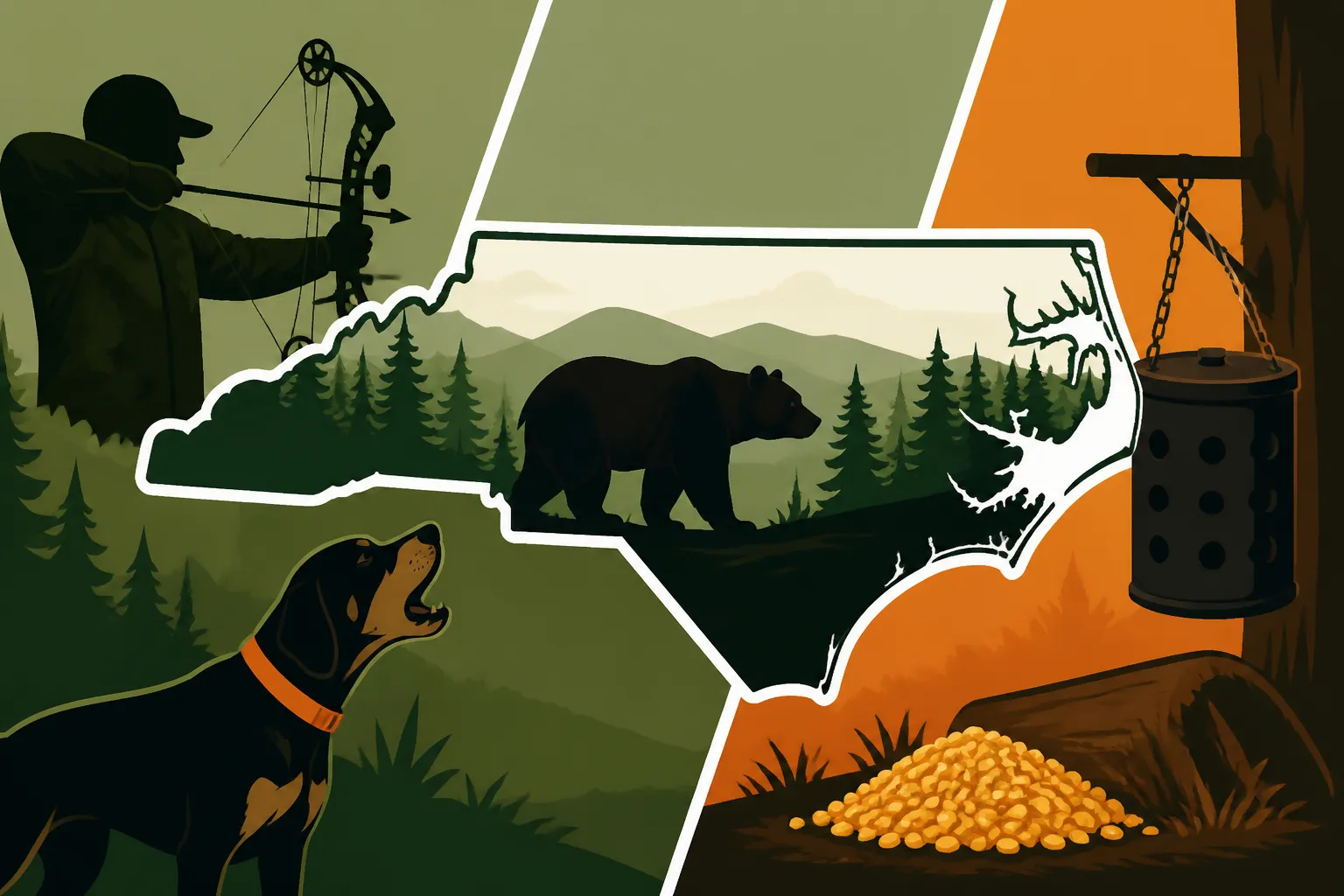
The NCWRC has specific rules governing the use of dogs for bear hunting. Generally, these rules dictate what constitutes a legal "bear dog" pack, how they must be identified, and how they can be used. For instance, dogs used for bear hunting must wear collars with the owner's name and address or a unique identification number. This is crucial for retrieving lost dogs and ensuring accountability. There are often limits on the number of dogs that can be actively pursuing a bear at any given time, designed to ensure a fair chase and prevent undue stress on the animal. The "running" or "hounding" of bears involves dogs tracking and often treeing a bear, allowing the hunter to approach. It's important to understand that dogs are generally used for trailing and locating, not for killing the bear. Hunters must dispatch the animal with a legal firearm or archery equipment once the bear is treed or bayed. Training of bear dogs is also regulated; you can't just unleash your dogs on bears out of season without specific permits or in designated training areas. Hunters should also be aware of rules regarding GPS Collars for North Carolina Bear Hounds, which are essential for tracking dogs in vast or rugged terrain.
Public Versus Private Land Considerations for Dog Hunting
Where you hunt bears with dogs makes a significant difference. On private land with landowner permission, you have more flexibility, but you must still adhere to statewide season dates and bag limits. The real complexities arise on public lands. While bear hunting with dogs is permitted on many Game Lands and National Forests, there are often specific restrictions. For example, some areas might prohibit dog hunting entirely, or only allow it during certain windows. National Forests like Pisgah and Nantahala have vast tracts where dog hunting is popular, but hunters must be acutely aware of specific district rules and any temporary closures. It's also paramount to manage your dogs to prevent trespassing onto adjacent private property, which can lead to legal issues and sour landowner relations. Imagine your pack chasing a bear across a landowner’s field where they’ve explicitly denied hunting access – that’s a headache no hunter wants. Always consult the specific Game Lands maps and rules available through the NCWRC, and consider utilizing hunting apps like GoHunt that provide detailed property line information to avoid accidental trespass.
Navigating North Carolina's Bear Baiting Laws
Bear baiting is another popular method in North Carolina, allowing hunters to attract bears to a specific location for a shot. However, just like hunting with dogs, it's heavily regulated. The rules are designed to ensure ethical hunting practices, prevent nuisance bear issues, and manage human-wildlife conflicts. Getting these regulations wrong can lead to serious fines and loss of hunting privileges.
Defining Legal Bear Baiting Practices
In North Carolina, baiting for bears is permitted in certain areas, primarily the Coastal Plain, but it's not a free-for-all. Legal bait generally refers to materials used to attract wildlife by sight, smell, or taste. This can include corn, pastries, dog food, or other food items. However, there are strict rules about the placement and quantity of bait. For example, bait often needs to be placed a certain distance from public roads or property lines. It must also be removed after the season closes, or at least allowed to decompose naturally without creating a lasting food source. Hunters commonly use durable containers like Bear Bait Barrels and Site Gear to manage their bait, preventing it from scattering and making it easier to monitor. The intention behind legal baiting is to create a controlled attraction point, not to habituate bears to human-provided food sources year-round, which could lead to problematic behavior outside of hunting season.
Prohibited Baiting Zones and Scenarios
This is where many hunters get tripped up. While baiting is allowed in the Coastal Bear Zones, it is strictly prohibited in the Mountain Bear Zones and on most National Forests and Game Lands throughout the state. This is a critical distinction you must understand. Attempting to bait a bear in, say, Pisgah National Forest, would be a direct violation of state law, regardless of your intentions. Even in areas where baiting is legal, there are scenarios that are prohibited. For instance, placing bait too close to a residence, a public road, or a public hunting area where baiting is not allowed, can still be illegal. Additionally, there may be rules about what cannot be used as bait, such as certain manufactured attractants or non-food items designed to lure animals. The intent is to prevent unethical practices and to ensure that hunting remains a fair chase. Always consult the current regulations digest for an updated list of areas where bear baiting is forbidden.
Establishing and Managing a Bait Site
Setting up a legal and effective bait site takes careful planning. First, you need permission if on private land, and you must confirm that the area is within a legal baiting zone. Choose a location that offers both bear access and a safe, ethical shot opportunity. Consider the wind direction and your approach and exit routes to the stand. You'll need to regularly replenish the bait, but be mindful of your scent and disturbance. Many hunters use trail cameras to monitor activity at their bait sites, helping them to understand bear patterns and ensure their efforts are effective. Remember that baiting attracts more than just bears; you might also encounter deer, hogs, or smaller furbearers. Be prepared to differentiate and avoid incidental takes of non-target species. After the season, all man-made structures and non-degradable bait materials should be removed to minimize impact on the environment and other wildlife. Some hunters use tools from brands like GoHunt to scout and manage their bait sites more efficiently, leveraging their mapping features to mark locations and plan access.
Geographic and Seasonal Nuances in Bear Hunting Methods
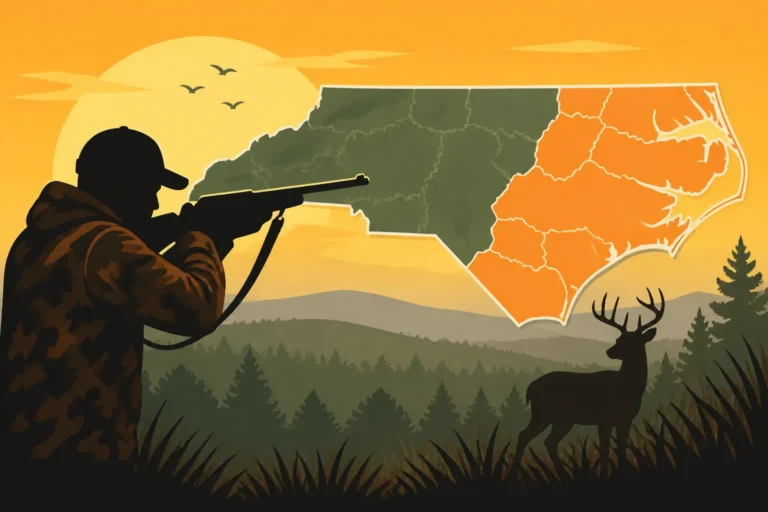
North Carolina is a geographically diverse state, stretching from the Appalachian Mountains to the Atlantic coast. This diversity means that bear populations, their habitats, and subsequently, the hunting regulations, vary significantly by region. What's legal and effective in the mountains might be entirely different on the coast.
Mountain Zone Rules
The Mountain Bear Zones, encompassing the westernmost counties, are characterized by rugged terrain, dense forests, and cooler climates. Here, bear populations thrive in the expansive national forests like Pisgah and Nantahala. Historically, bear hunting with dogs has been a strong tradition in these parts, but bear baiting is prohibited. Hunters pursuing bears here must rely on still-hunting, stalking, or running hounds. The season dates for these zones (North Carolina Bear Season Dates in the Mountains) are typically later in the fall and into early winter, aligning with bear foraging patterns before denning. The focus in the mountains is often on tracking bears through dense cover or locating them via dog packs. When considering where to hunt, remember that large tracts of public land, while offering ample opportunity, also come with specific rules regarding vehicle access, camping, and other activities. For detailed maps and specific regulations, consult the NCWRC's Game Lands rules or use an app like GoHunt for overlaying public and private land boundaries.
Coastal Zone Rules
Moving eastward, the Coastal Bear Zones are a stark contrast. Dominated by pocosins, swamps, and agricultural fields, this region holds some of the densest bear populations in the state, and these bears are known for their impressive size. Here, both hunting with dogs and baiting are generally permitted during the prescribed seasons (North Carolina Bear Season Dates on the Coast). The topography of the Coastal Plain, often thick and impenetrable, makes still-hunting very challenging. As a result, hunters frequently employ dog packs to push bears out of thick cover or utilize bait sites to draw them into more open areas or ambush points. The seasons here tend to open earlier than in the mountains, sometimes starting in September or October, and can extend into early December. Understanding the specific zones is vital, as North Carolina's Twenty-Two Bear Management Zones delineate distinct regulatory frameworks. For instance, hunting Coastal Plain Pocosin Swamps often involves specialized tactics due to the difficult terrain, and baiting can be a highly effective way to draw bears out of these remote areas.
Interactions with Other Hunting Seasons
Bear season often overlaps with other popular hunting seasons, particularly deer season and even small game season in some areas. This overlap creates a need for heightened awareness and safety. For example, if you're bear hunting with dogs in an area where deer season is also open, you need to ensure your dogs are not pursuing deer, which is illegal. Similarly, if you're utilizing a bear bait site, you might attract deer, requiring you to be extra diligent in identifying your target to avoid an accidental deer harvest during a closed deer season or with the wrong weapon. The presence of multiple hunters on public land, each pursuing different species with different methods, means communication and blaze orange requirements are paramount. Always check the full North Carolina Deer Season Structure Explained to understand potential overlaps and ensure you're compliant with all regulations.
Ethical Hunting and Best Practices for Bear Hunters
Beyond simply following the letter of the law, ethical hunting practices are fundamental to the sport's reputation and the long-term health of wildlife populations. For bear hunting, especially with methods like dogs and bait, these considerations become even more pronounced. Being a responsible hunter means respecting the animal, the land, and your fellow outdoorsmen.
Responsible Dog Management
When hunting with dogs, your primary responsibility is to your canine partners and the impact they have on the environment and other wildlife. This means training your dogs thoroughly to ensure they focus on bears and don't harass or injure non-target species. It also involves ensuring their safety in the field – providing adequate water, checking for injuries, and knowing their whereabouts at all times, which GPS tracking devices greatly facilitate. You must also be prepared to retrieve your dogs, no matter where they go, even if it means contacting a landowner for permission to enter private property to get your hounds back. Preventing your dogs from trespassing is a moral and legal obligation. A well-managed pack adds to the tradition and excitement of the hunt, while an unruly pack can create serious problems for you and for the perception of dog hunting as a whole.
Minimizing Impact of Baiting
Baiting, when done improperly, can lead to environmental issues or habituate bears to human food sources, leading to nuisance animals. To minimize your impact, always use biodegradable bait materials whenever possible. Remove all man-made structures, barrels, and non-degradable items from your bait site at the end of the season. Avoid leaving excessive amounts of bait that could spoil or attract scavengers once you're no longer actively hunting. Think about the long-term health of the environment and the bear population; a clean, responsibly managed bait site leaves no trace and doesn't negatively alter natural wildlife behavior outside of hunting season. It's about drawing a bear in for a harvest, not turning them into panhandlers dependent on human handouts.
Proper Harvest and Reporting
Ethical hunting dictates a clean, humane kill. This means taking responsible shots and knowing your effective range. When hunting bears, shot placement is critical due to their tough hide and dense bone structure. After the shot, prompt and thorough recovery of the animal is paramount. Bears can travel a surprising distance, even when mortally wounded, especially in thick cover. Once harvested, properly care for the meat and hide. This includes field dressing immediately, especially in warmer temperatures, and making sure to follow all North Carolina Bear Checking Requirements. All harvested bears must be reported to the NCWRC within a specific timeframe, usually through their online portal or app. This data is vital for wildlife biologists to monitor bear populations, track harvest trends, and make informed management decisions. Don't forget that handling a bear after the shot can be a demanding task, especially for large coastal bears or in rugged mountain terrain.
Staying Compliant and Safe While Bear Hunting
The excitement of the bear hunt should never overshadow the importance of compliance with regulations and, most critically, safety. North Carolina's diverse landscapes and varied hunting methods require hunters to be constantly vigilant and prepared.
Understanding Enforcement and Penalties
Wildlife enforcement officers are there to ensure fair chase, public safety, and the conservation of wildlife resources. They take violations of bear hunting regulations very seriously. Penalties for infractions like illegal baiting, hunting out of season, or using unauthorized methods can range from substantial fines to loss of hunting privileges, confiscation of equipment, and even jail time for severe offenses. Ignorance of the law is rarely an acceptable defense. Common mistakes include misunderstanding zone boundaries, using bait in prohibited areas, not having the correct stamps, or failing to report a harvest. Always assume a wildlife officer could be observing your activities, even in the most remote areas. The NCWRC, as well as apps like GoHunt, provide robust mapping tools that can help hunters avoid accidental trespass or zone violations.
Resources for Hunters
The NCWRC website (ncwildlife.org) is, without a doubt, your single most important resource. Bookmark it, download the digest, and use their interactive maps. Their "My Profile" section allows you to manage your licenses, report harvests, and stay updated. Beyond that, consider taking additional hunter education courses beyond the basic North Carolina Hunter Education Requirements, specifically those focused on big game or bear hunting. Many local hunting clubs also offer mentorship and insights into local regulations and practices. Don't be afraid to ask questions. There's a wealth of knowledge among experienced bear hunters in North Carolina who are usually happy to share insights, especially about respecting regulations and ethical practices.
Safety First
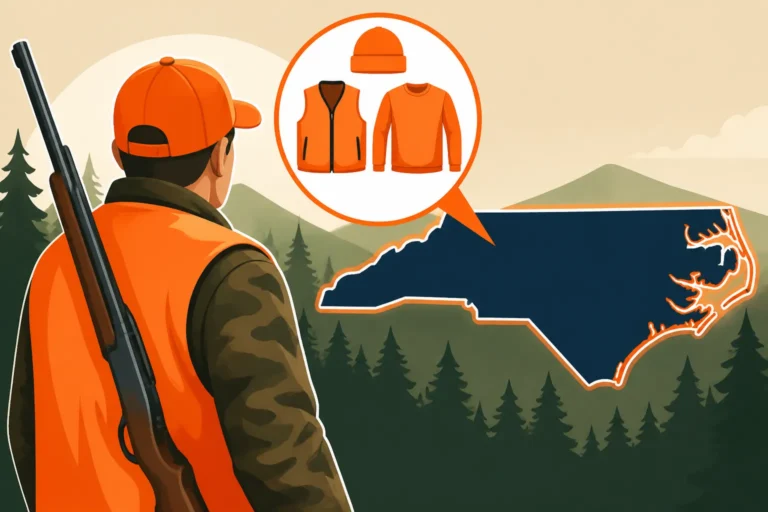
Bear hunting, whether still-hunting, with dogs, or over bait, presents unique safety considerations. When hunting with dogs, be aware of where your dogs are and where they might be pushing a bear. Never shoot at a bear that is actively fighting dogs or where dogs are in the line of fire. Be mindful of your surroundings and other hunters, especially on public land during peak season. Always wear adequate blaze orange as required, even if you are not actively running dogs in areas where it might be mandatory for still hunters. For bait hunters, ensure your stand placement provides a safe shooting lane away from roads, trails, or property lines. When traversing rugged terrain in the mountains or navigating dense swamps in the coastal plain, carry appropriate first aid gear, communicate with your hunting partners, and always let someone know your hunting plan and expected return time. A safe hunt is a successful hunt, regardless of whether you harvest a bear.
North Carolina Bear Hunting Method Comparison
To help you quickly grasp the differences, here's a simplified comparison of bear hunting methods between North Carolina's main geographic zones:
| Feature | Mountain Bear Zones | Coastal Bear Zones |
|---|---|---|
| Baiting | Prohibited (generally) | Permitted (generally, with specific regulations) |
| Hunting with Dogs | Permitted (strong tradition, specific regulations) | Permitted (strong tradition, specific regulations) |
| Season Dates | Typically later fall/early winter (e.g., North Carolina Bear Season Dates in the Mountains) | Typically earlier fall into early winter (e.g., North Carolina Bear Season Dates on the Coast) |
| Public Land Availability | Extensive (National Forests, some Game Lands) | Extensive (Game Lands, National Wildlife Refuges) |
| Terrain | Rugged, steep, dense forests | Flat, swampy, pocosin, agricultural |
| Dominant Hunting Style | Dogs, still-hunting, stalking | Dogs, baiting, stand hunting |
Disclaimer
The information provided in this guide is for informational purposes only and is not a substitute for the official regulations published by the North Carolina Wildlife Resources Commission (NCWRC). Hunting laws and regulations can change, and it is the responsibility of every hunter to consult the most current NCWRC regulations digest before engaging in any hunting activities.