North Carolina Deer Season Structure Explained
Trying to make sense of North Carolina's deer season structure can feel like navigating a maze blindfolded, especially for new hunters or those accustomed to simpler regulations in other states. With multiple weapon types, varying zone dates, and special seasons, it's easy to get overwhelmed and worry about missing out on prime hunting opportunities or, worse, running afoul of the law. This comprehensive guide is designed to cut through the confusion, clearly explaining how North Carolina's deer seasons are organized, what you need to know for each, and how to plan your hunts effectively.
Understanding North Carolina's Deer Hunting Zones
North Carolina is a large, diverse state, stretching from the high Appalachian Mountains to the vast coastal plains. This varied landscape, coupled with differing deer populations and hunting traditions, is precisely why the North Carolina Wildlife Resources Commission (NCWRC) has carved the state into distinct deer hunting zones. Ignoring these zones is a surefire way to miss the opener or find yourself hunting illegally, which is something no one wants.
The Four Primary Gun Zones
When it comes to deer hunting with firearms, North Carolina divides the state into four main zones: Eastern, Central, Western, and Northwestern. Each of these zones operates on its own distinct calendar for gun season, meaning the day rifles and shotguns can be used varies widely depending on where you plan to hunt. It's not just about drawing lines on a map; these zones reflect real differences in deer herd dynamics, habitat, and even hunter density across the state. Understanding which zone your preferred hunting ground falls into is the first, most critical step in deciphering the deer season. For a deeper dive into how these zones dictate the calendar, check out our guide on North Carolina's Four Gun Deer Zones.
The Eastern Zone generally encompasses the broad, flat Coastal Plain, stretching from the Outer Banks inland towards the Piedmont. This area is characterized by vast tracts of timber, agricultural fields, and extensive pocosin swamps. Deer populations here are often robust, and the hunting culture frequently involves dog hunting on larger tracts. Gun season in the Eastern Zone typically kicks off earlier than in other parts of the state, usually in mid-October. This earlier start acknowledges the generally warmer climate and earlier rutting activity that can sometimes occur closer to the coast.
Moving westward, the Central Zone covers the rolling hills and farmlands of the Piedmont region. This is where you'll find a mix of suburban sprawl, dense hardwood forests, and working agricultural land. Deer here thrive on a diverse diet, and hunters often target field edges, transition areas, and creek bottoms. The Central Zone's gun season usually begins in late October, offering hunters a slightly later start compared to their Eastern counterparts but still well before the coldest parts of winter set in. It’s a busy time, with many hunters in suburban Charlotte and Raleigh looking to get out, and good scouting can help you find areas with less pressure.
Further west, we enter the Western Zone, which includes the foothills and lower mountain ranges of the Appalachians. This terrain presents unique challenges and opportunities, with steeper slopes, dense timber, and less agricultural influence. Deer densities can be lower in some areas, but mature bucks are certainly present. The Western Zone has the latest gun season opener, often not starting until mid-November. This later start is strategically aligned with the later rutting period often observed in higher elevations, and it helps manage hunter pressure during the peak of the deer's breeding cycle. If you're planning a trip to the mountains, understanding that late start is key.
Finally, the Northwestern Zone is a specific, often smaller, segment nestled within the broader Western region, typically covering counties like Ashe, Alleghany, and Watauga, which are known for their particularly rugged mountain terrain and colder climates. While often lumped conceptually with the Western Zone, it sometimes has nuances in its dates or specific regulations that make it distinct. For gun deer season, the Northwestern Zone often mirrors the Western Zone's late opener in mid-November, acknowledging similar ecological and climate factors that influence deer behavior and rut timing in these highest elevations. Hunters heading to these specific counties need to verify the exact dates to ensure compliance. The terrain here means hunters are often focused on ridgelines and benches, adapting their tactics to the steep topography.
Overlapping Seasons and Calendar Confusion
The gun zones are just one piece of the puzzle. North Carolina deer hunting also incorporates separate seasons for archery and muzzleloader, which often overlap with each other and, in some cases, with segments of the gun season. This layering of seasons is where the real "calendar confusion" can set in, but it also offers a fantastic extended period to pursue deer using various methods.
Imagine the frustration of getting excited for opening day, only to realize you showed up during archery season with your rifle! Or conversely, having your bow ready for what you thought was bow season, only to find the gun hunters already out. This is a common pitfall. The key is to remember that while the gun zones dictate when modern firearms are legal, archery and muzzleloader seasons typically have more uniform statewide dates, or at least broader application across multiple gun zones.
For instance, the statewide archery season usually begins well before any gun season, offering a quiet, unpressured opportunity to chase deer. Then, muzzleloader season often follows, providing a bridge between the archery and general gun seasons. There might even be periods where muzzleloaders are legal during a portion of the statewide archery season, or where certain gun zones have an archery or muzzleloader period that runs concurrently with another zone's early gun season. It's a lot to keep track of, which is why a comprehensive resource like the GoHunt app or the official NCWRC regulations digest is indispensable for cross-referencing dates for your specific hunting area. Always double-check the current year's regulations, as dates can shift slightly from one year to the next.
Archery Season: The Early Start
For many North Carolina deer hunters, the archery season is the eagerly anticipated kickoff to fall. It offers a unique challenge and a peaceful immersion in the woods before the louder, more crowded gun seasons begin. There’s something incredibly satisfying about calling a deer into bow range or making a clean shot from a tree stand after months of scouting and practice.
Statewide Archery Opportunities
North Carolina’s archery season generally opens statewide, which simplifies things considerably compared to the segmented gun zones. You don't have to worry about whether you're in the Eastern or Western zone for the opener; it's typically the same date for everyone. This statewide approach usually sees the archery season beginning in early to mid-September, providing hunters with a significant stretch of time to pursue deer before muzzleloaders and firearms enter the equation. This early start means hunting in warmer weather, so managing scent and understanding early-season food sources like soft mast or still-green agriculture is paramount.
During this period, deer are still largely on summer patterns, often focused on food and water, though subtle shifts toward fall mast crops like acorns might be starting. Hunters often target agricultural field edges, natural clearings, and areas near water sources. It’s a fantastic time for trail cameras to pinpoint movement patterns and to refine your stand setups without the added pressure of gun hunters. Knowing When North Carolina's Archery Season Opens is a crucial detail for anyone wanting to capitalize on these early opportunities. The quiet of the woods during archery season is a major draw for many, allowing for close encounters and a different kind of hunting experience.
Crossbow Inclusion and Rules
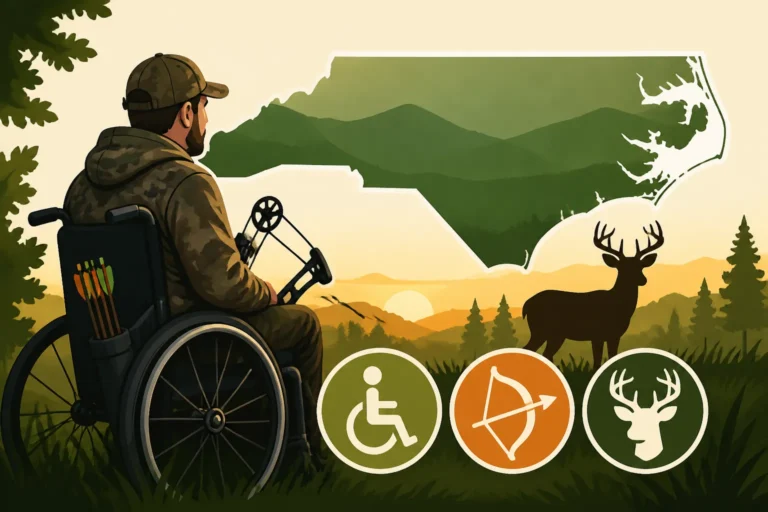
Historically, crossbows faced stricter regulations, but North Carolina has embraced them more broadly in recent years. Today, crossbows are generally legal for all hunters during the statewide archery season. This change has opened up deer hunting to a wider demographic, including those who might have physical limitations preventing them from drawing a traditional bow, or simply hunters who prefer the different shooting dynamics of a crossbow. It's important to remember that while legal, crossbows are still considered archery equipment and must adhere to all archery season rules and regulations.
There aren't separate permits needed for crossbows, but hunters should ensure their equipment meets the minimum requirements for broadhead size and draw weight/kinetic energy, as outlined by the NCWRC. Just like with a compound or recurve, practice is key to ethical hunting. Understanding Crossbow Rules During North Carolina Archery Season is critical, as compliance ensures a smooth and legal hunt. For example, some states have specific rules about whether an electronic sight or illuminated scope is permitted on a crossbow during archery season, so always consult the latest NCWRC regulations. Using a crossbow during archery season means you still need to be mindful of shot placement and understand deer anatomy for a clean kill, just as with any other bow.
Muzzleloader Season: Bridging the Gap
Often seen as a transition period, muzzleloader season in North Carolina offers a unique blend of old-school hunting tradition and modern convenience. It's a chance to step back in time, slowing down the hunting process while still enjoying the advantages of a powerful firearm. For many, it's a cherished season that demands a different skillset and attention to detail.
When Muzzleloaders Take Center Stage
Muzzleloader season typically follows the statewide archery season and often precedes or overlaps with the opening of general gun season in various zones. This placement makes it a crucial bridge, extending the period where hunters can use a firearm before the full-blown gun season kicks in. Think of it as an early gun season, but with a specific, traditional type of firearm. The dates for North Carolina Muzzleloader Season Rules are generally statewide or apply across multiple gun zones, similar to archery season. This simplified geographical scope, combined with a relatively consistent calendar window, makes it easier for hunters to plan their muzzleloader hunts.
Hunting during muzzleloader season often means cooler weather than the early archery period, sometimes even encountering the first frosts. This can mean more active deer, especially as they begin to shift their feeding patterns and the rut approaches. The limitations of a muzzleloader—often a single shot, slower reloading, and potentially shorter effective range compared to modern rifles—add an exciting challenge. It forces hunters to be more selective with their shots, focus on closer encounters, and meticulously scout to get within a comfortable and ethical shooting distance.
Specific Muzzleloader Requirements
North Carolina has clear regulations concerning what constitutes a legal muzzleloader for deer hunting. Generally, this includes traditional flintlock, percussion cap, or modern inline muzzleloaders. It's not just about the firing mechanism; there are also rules about projectile type, powder type (black powder or approved substitutes), and often, minimum caliber requirements. For example, most regulations will specify a minimum bore size, often .40 caliber or larger, and may restrict the use of certain types of ignition systems or optics.
Hunters must also be aware of ammunition restrictions; usually, only non-jacketed lead projectiles or certain approved conical bullets and saboted bullets are allowed. Scopes are generally permitted during muzzleloader season, offering an advantage over traditional open sights, but confirm this in the current regulations. Keeping your powder dry, literally, is a key concern in the often-damp North Carolina weather. Proper maintenance, practice with your specific load, and understanding the effective range of your muzzleloader are all crucial for a successful and ethical hunt. This season truly offers a unique experience for those who appreciate the heritage and challenge of black powder hunting.
Gun Season: The Main Event
For many, gun season is the pinnacle of the North Carolina deer hunting calendar. It's when the woods truly come alive with activity, and hunters across the state deploy a wide array of tactics, from still-hunting to organized deer drives. This is where the zone system really takes center stage, dictating when and where modern firearms are legal for deer.
Eastern Zone Dates and Dynamics
The Eastern Zone, covering the vast Coastal Plain, often kicks off its gun season earlier than other parts of the state, typically around the middle of October. This early start means hunters in counties like Onslow, Craven, and Sampson can be in the woods with rifles while hunters further west are still limited to archery or muzzleloaders. The terrain here—often flat, dense with pine plantations, pocosin swamps, and agricultural fields—lends itself to various hunting methods. Deer drives are quite common on larger private tracts and some public lands in the Eastern Zone, particularly when Running Hounds Where North Carolina Allows It, though still-hunting and stand hunting are also popular.
The early dates mean that deer are still very much in their pre-rut feeding patterns. Finding concentrations of acorns, actively used agricultural fields, or transition areas between bedding and feeding can be highly productive. While the true peak rut might still be a few weeks away, bucks are often on the move, establishing dominance and feeding heavily. Temperatures can still be warm, so scent control and proper meat care immediately after a harvest are critical. The sheer amount of diverse habitat means hunters need to adapt their strategies based on the specific type of ground they're on, whether it's a vast Croatan Forest Pocosin Deer Ground or a small woodlot adjacent to a soybean field.
Central Zone: A Mid-Calendar Opportunity
Moving into the rolling Piedmont, the Central Zone's gun season typically begins in late October. This timing puts hunters in counties such as Chatham, Randolph, and Guilford into the woods right as the weather starts to cool consistently and deer activity picks up. This zone is a mosaic of suburban development, hardwood forests, and agricultural lands, offering a different set of challenges and opportunities. Hunters here often focus on funnel areas, field edges, and creek bottoms, and they might employ tactics like Still-Hunting Nantahala Forest Ridges or Setting Up on a Piedmont Field Edge, adapting to the more broken-up habitat.
The late October start in the Central Zone often coincides with the pre-rut and early stages of the breeding season. Bucks are becoming more active, checking scrapes, rubbing trees, and starting to search for does. This is a prime time for calling tactics, such as rattling and grunting, as bucks are responsive and aggressive. The habitat here means shots are often at closer to medium ranges, making rifle choices like a .30-30 in Thick Pocosin Cover or a .308 Versus .270 for Whitetails excellent options. With the increasing presence of deer in more developed areas, understanding local regulations and potential restrictions on firearm use is also important. The Central Zone provides a fantastic blend of opportunities, from dense woods to open fields.
Western Zone's Later Start
The Western Zone, encompassing the beautiful but rugged Appalachian foothills and mountains, has the latest gun season opener, usually in mid-November. This later start in counties like Haywood, Jackson, and Transylvania is carefully planned to align with the later peak of the deer rut in higher elevations. Hunting here is often physically demanding, requiring hunters to navigate steep terrain, dense forests, and unpredictable weather conditions. The sparse road systems in some areas mean long walks and careful planning, but the rewards can be significant.
Mid-November in the Western Zone often means prime rutting activity. Bucks are actively chasing does, making them more vulnerable during daylight hours. Hunters often focus on ridge-top saddles, benches, and thick bedding areas, knowing that deer will be moving between these features. Tactics like glassing a powerline cut at last light or focusing on a ridge-top saddle for rutting bucks are highly effective. For those seeking a true mountain hunting experience, the Western Zone during its gun season provides exactly that. Given the challenging conditions, proper gear, including good boots and layering systems, is paramount. Check out our guide on Hunting the Rut in the Western Zone for more specific advice.
Northwestern Zone's Unique Schedule
While often discussed in conjunction with the broader Western Zone, the Northwestern Zone—which includes counties such as Ashe, Alleghany, and Watauga—deserves its own mention due to its distinctive characteristics and sometimes nuanced regulations. These are the highest, coldest counties in North Carolina, and their gun season typically mirrors the mid-November start of the Western Zone. This late opening is perfectly timed for the deep woods and mountainous terrain, where the rut often kicks in later due to colder temperatures and different vegetation cycles.
Hunting in the Northwestern Zone demands a particular kind of hunter. The deer density might be lower than in the Piedmont or Coastal Plain, but the bucks that call these mountains home are often mature and challenging to pursue. Hunters here will find themselves navigating steep slopes, dense rhododendron thickets, and vast national forest lands like the Pisgah National Forest. It's a place where you truly earn your deer. Effective strategies include still-hunting the steep ridges, meticulously scouting for fresh sign in heavy cover, and being prepared for rapid weather changes. A solid understanding of wind and thermals on a Blue Ridge Slope is not just helpful, it's essential for success in this challenging yet rewarding region.
Special Seasons and Considerations
Beyond the standard archery, muzzleloader, and gun seasons, North Carolina offers specific windows and regulations designed for youth hunters and to manage wildlife health, particularly Chronic Wasting Disease (CWD). These special seasons are vital components of the overall deer management strategy and provide important opportunities.
Youth Deer Weekend: Mentoring the Next Generation
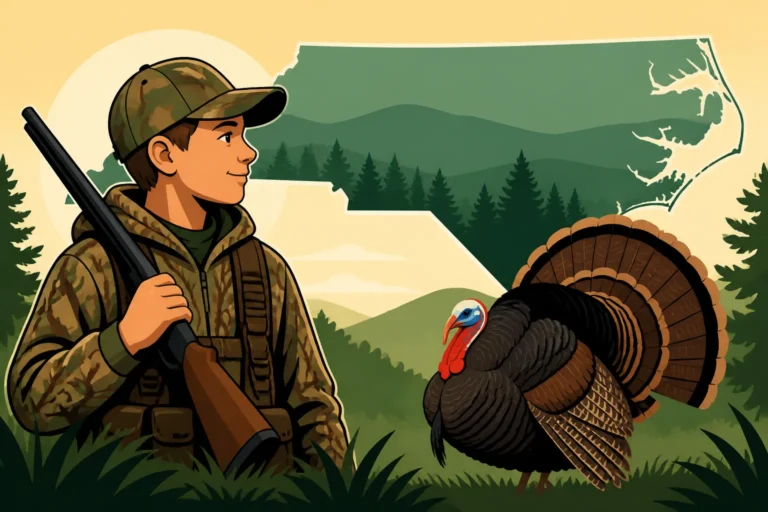
North Carolina places a high value on introducing the next generation to hunting, and the Youth Deer Weekend is a testament to that commitment. This special, early season typically occurs over a weekend, usually in late September or early October, preceding the general gun season openers for adults. During this weekend, youth hunters (typically under the age of 18, though specific age limits should always be confirmed with the current regulations) are allowed to harvest deer using firearms, often while being supervised by a licensed adult mentor.
The purpose of the Youth Deer Weekend is twofold: it provides a less pressured environment for young hunters to learn and experience deer hunting, and it encourages mentorship, fostering safe and ethical hunting practices. It’s an incredible opportunity for parents, guardians, or experienced hunters to pass on their knowledge and passion. Imagine the excitement of a young hunter taking their first deer with a rifle, guided by a patient mentor. The rules for this weekend, including supervision requirements and bag limits, are generally straightforward but absolutely must be followed. Our guide on Hunting the North Carolina Youth Deer Weekend offers more insights into making the most of this special time, emphasizing the importance of teaching responsible hunting practices and conservation ethics.
Chronic Wasting Disease CWD Management Areas and Special Regulations
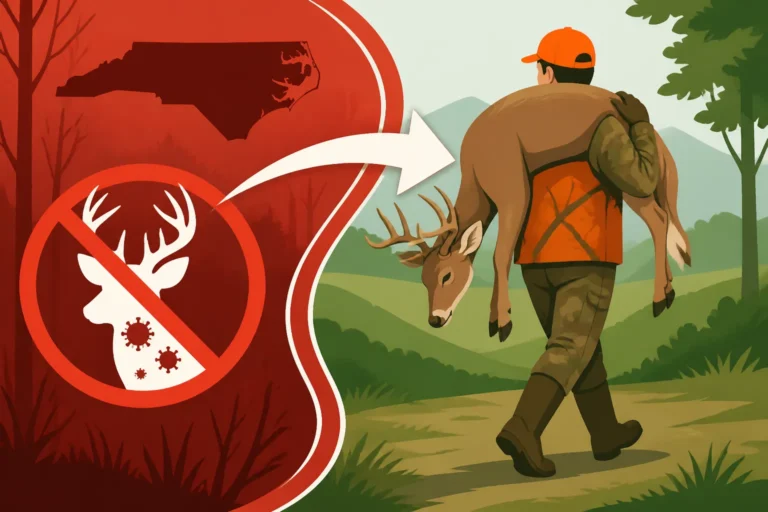
Chronic Wasting Disease (CWD) is a serious, fatal neurological disease affecting deer and other cervids. While North Carolina's deer herd has historically been CWD-free, the discovery of CWD in a few isolated counties has led the NCWRC to implement specific CWD Management Areas (CMAs) and special regulations to monitor and control its spread. These areas typically encompass counties where CWD-positive deer have been found, along with adjacent counties identified as high-risk. For an in-depth understanding of the affected regions, refer to North Carolina's Chronic Wasting Disease Areas.
Hunters within these CMAs face additional rules, which may include specific carcass movement restrictions (to prevent the spread of the disease to unaffected areas), mandatory CWD testing for harvested deer, or even special hunting seasons designed to increase harvest and reduce deer densities in specific zones. For example, there might be an early CWD-zone season that targets antlered deer or aims to reduce overall deer numbers to slow the potential transmission of the disease. It’s imperative for any hunter planning to hunt in or near a CMA, such as the Surry County CWD Zone Public Ground, to familiarize themselves with these regulations before heading afield. The NCWRC provides detailed information on CWD, sampling locations, and carcass disposal guidelines, and utilizing resources like the GoHunt app can help hunters quickly identify CWD zones and associated rules when planning a hunt. These measures, though sometimes inconvenient, are vital for protecting the health of North Carolina's deer herd for future generations.
Bag Limits and Harvest Reporting
Understanding how many deer you can harvest and the critical step of reporting your kill are fundamental responsibilities for every North Carolina hunter. These regulations are not just bureaucratic hurdles; they are essential tools for wildlife management, allowing the NCWRC to monitor deer populations, assess herd health, and make informed decisions about future seasons.
Understanding Your Deer Tags and Limits
North Carolina operates on a tag system that specifies how many deer, and what kind (antlered or antlerless), a hunter can harvest within a given season. The statewide annual bag limit for deer is generally six deer, but this limit often comes with specific restrictions on the number of antlered bucks you can take. For instance, you might be allowed to harvest two antlered deer per season, with the remaining tags designated for antlerless deer. These rules are put in place to manage the buck-to-doe ratio, promote healthier deer herds, and encourage the growth of more mature bucks.
It’s crucial to distinguish between the statewide annual limit and daily or zonal limits that might apply. While the general rule is six deer, your specific combination of licenses and privileges, especially if you have bonus antlerless tags or hunt in a special management area, could modify this. Always check the current North Carolina Deer Bag Limit Rules in the annual regulations digest. Imagine the disappointment of harvesting a third buck only to realize you were legally restricted to two! Using a resource like the NC Wildlife App or a detailed mapping tool on GoHunt can help you keep track of your tags and ensure you stay within legal limits, preventing an unintentional violation.
Mandatory Harvest Reporting
One of the most important responsibilities for a North Carolina deer hunter, beyond ethical shooting and proper field dressing, is mandatory harvest reporting. Every deer harvested in the state, regardless of whether it's an antlered buck or an antlerless doe, must be reported to the NCWRC. This isn't just a suggestion; it's a legal requirement. The data collected from these reports is invaluable to wildlife biologists, helping them track harvest trends, estimate deer populations, and monitor the effectiveness of various management strategies.
Reporting a deer is thankfully quite simple in North Carolina. Hunters have several convenient options: you can report your harvest online through the NCWRC website, by phone, or most commonly, through the official NC Wildlife Mobile App. The app is incredibly user-friendly and allows you to report your kill right from the field, as long as you have cell service. You'll need to provide details such as the date of harvest, county, sex of the deer, whether it was antlered or antlerless, and the weapon used. There’s a specific North Carolina Deer Reporting Deadline, usually by midnight on the day of harvest, so don't delay! Failing to report a deer is a violation and can result in fines, so make it a habit immediately after a successful hunt. This simple act contributes directly to the long-term health and sustainability of North Carolina's deer herd.
Key Regulations Beyond the Calendar
While knowing the season dates and bag limits is paramount, a few other statewide regulations are equally critical for deer hunters in North Carolina. These rules ensure safety, promote ethical hunting, and apply universally, regardless of the zone or specific season you’re hunting in.
Blaze Orange Requirements
Safety is always the number one priority in hunting, and North Carolina's blaze orange requirements are a cornerstone of hunter safety. During any open gun deer season, all hunters, whether they are using a firearm, archery equipment, or a muzzleloader, are required to wear a certain amount of hunter orange. This is not optional; it's a legal mandate designed to make hunters more visible to each other and reduce the risk of accidental shootings.
Specifically, hunters must wear at least 500 square inches of hunter orange (often called blaze orange or fluorescent orange) on their outer clothing, visible from all sides. This typically means wearing an orange hat and an orange vest or jacket. The law applies to anyone hunting deer during the gun season, even if you are bowhunting or muzzleloader hunting during an overlap period. While it might seem like an inconvenience to some, wearing blaze orange is a proven safety measure that protects everyone in the woods. Additionally, North Carolina also allows for blaze pink as an alternative to orange, providing more options. Make sure to check the latest North Carolina Blaze Orange Requirements for specific details and exceptions, such as during archery-only season if no gun season is open concurrently.
Sunday Hunting Rules
Sunday hunting has historically been a complex and often contentious topic in North Carolina, with a long tradition of restrictions. However, recent legislative changes have expanded opportunities for Sunday hunting, bringing North Carolina more in line with many other states. That said, it's not a blanket free-for-all, and specific rules still apply.
Currently, Sunday hunting for deer with firearms is generally permitted on private lands during the open gun season. This is a significant change that has been welcomed by many hunters, offering more flexibility for weekend trips. However, there are still critical restrictions to be aware of: hunting within 500 feet of a church or on public hunting lands (Game Lands) typically remains prohibited on Sundays. Additionally, there are often restrictions on hunting migratory birds on Sundays.
The rules surrounding Sunday hunting can be nuanced and may be subject to local ordinances or specific Game Land regulations. It’s absolutely essential to verify the current North Carolina Sunday Hunting Rules for the specific property or area you plan to hunt on. What's legal on private land in one county might be restricted on public land just across the border, or near a church. Always err on the side of caution and double-check before heading out on a Sunday, to ensure you're hunting legally and respectfully.
Planning Your North Carolina Deer Hunt
Navigating North Carolina's deer season structure might seem daunting at first, but with the right tools and a systematic approach, you can effectively plan your hunts and maximize your chances of success. It's all about being informed, adaptable, and leveraging modern resources.
Leveraging Online Resources and Tools
In today’s digital age, hunters have an incredible array of online resources at their fingertips, making the task of planning a North Carolina deer hunt significantly easier. The official North Carolina Wildlife Resources Commission (NCWRC) website is your first and most authoritative stop. Here, you'll find the annual Hunting and Fishing Regulations Digest, which contains all the season dates, bag limits, and specific rules you need to know, updated yearly. They also offer an interactive map tool that can help you identify which deer hunting zone a particular county or Game Land falls into.
Beyond the official state resources, third-party apps and online platforms can be invaluable. Tools like the GoHunt app, for instance, often integrate NCWRC data with topographical maps, satellite imagery, and public/private land ownership overlays. This allows you to visually identify potential hunting spots, mark treestand locations, plan entry and exit routes, and confirm property boundaries—all before ever stepping foot in the woods. You can even check for CWD management areas right on the map. Utilizing these resources can save you countless hours of scouting and prevent potential headaches, especially if you're hunting unfamiliar territory or trying to understand complex boundaries. Remember, technology is a tool, but it's only as good as the information you put into it and your understanding of how to use it.
Scouting and Adaptability
Even with the most detailed maps and up-to-date regulations, successful deer hunting in North Carolina ultimately comes down to effective scouting and the ability to adapt to changing conditions. Deer are constantly on the move, influenced by food availability, weather patterns, and hunting pressure. What worked last year might not work this year, and what works on one piece of property might be completely ineffective on another.
Scouting isn't just about finding fresh tracks or rub lines; it's about understanding the entire ecosystem your target deer inhabit. This means looking for dominant food sources, identifying bedding areas, finding natural funnels, and paying close attention to water sources. Pre-season scouting, well before North Carolina Archery Season Opening Day, is crucial for identifying early patterns. As the season progresses, adapting your strategy becomes key. If the acorns aren't dropping, where are the deer feeding? If hunting pressure pushes deer into thicker cover, how will you adjust your approach?
Flexibility in your hunting methods is also vital. One day might call for a quiet still-hunt through a hardwood bottom, while another might warrant a longer sit in a treestand overlooking a food plot. Learning to read the wind and thermals, especially in the mountains, is non-negotiable. No matter how much technology you use, there's no substitute for time spent in the woods, observing, learning, and refining your approach. Whether you're Hunting the Rut in the Eastern Zones or trying to fill a tag during the late season, being adaptable to the deer's behavior and environmental changes will consistently put you in a better position for success.
North Carolina Deer Hunting Season Summary Table
To help keep all these dates and zones straight, here's a quick reference table for the general season openers in North Carolina's primary gun zones. Always double-check the current NCWRC regulations digest for precise dates, as they can shift slightly year-to-year.
| Season Type | Eastern Zone | Central Zone | Western Zone | Northwestern Zone | Statewide Application Notes |
|---|---|---|---|---|---|
| Archery | Mid-September | Mid-September | Mid-September | Mid-September | Generally statewide opener. Crossbows permitted. |
| Muzzleloader | Early/Mid October | Early/Mid October | Early/Mid October | Early/Mid October | Generally statewide, follows archery, precedes gun. |
| Gun | Mid-October | Late October | Mid-November | Mid-November | Specific dates vary by zone; longest season length with highest pressure. |
| Youth Weekend | Late September/Early October | Late September/Early October | Late September/Early October | Late September/Early October | Statewide early firearm opportunity for mentored youth. |
Disclaimer
The information provided in this guide is intended for general informational purposes only and does not constitute legal advice. Hunting regulations in North Carolina are subject to change by the North Carolina Wildlife Resources Commission (NCWRC). It is the individual hunter's responsibility to consult the most current official NCWRC Hunting and Fishing Regulations Digest or visit their official website to ensure full compliance with all applicable laws and regulations before engaging in any hunting activities.