Hunting the Statewide Turkey Opener in April
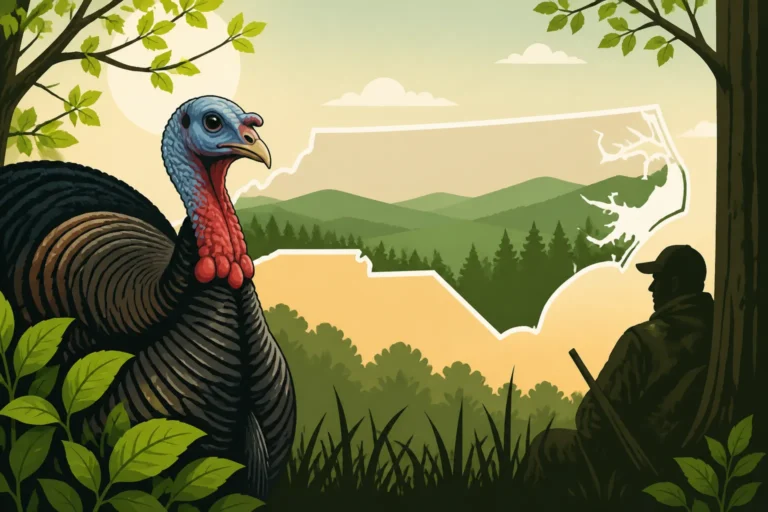
The anticipation leading up to North Carolina's statewide turkey opener in April can be absolutely palpable. Many hunters experience the frustration of sleepless nights, obsessing over scouting reports and weather forecasts, all while knowing that the early bird truly gets the worm on this high-pressure day. This guide aims to equip you with the knowledge and strategies to navigate the challenges of opening day, from understanding season rules to finding that elusive gobbler.
Understanding North Carolina's Spring Turkey Season Structure
North Carolina's spring turkey season is a cherished time for many, signaling the true arrival of warmer weather and the vibrant sounds of the woods. It kicks off with a dedicated youth weekend before the statewide opener for all hunters, usually falling on a Saturday in early to mid-April. This structure provides a fantastic opportunity for young hunters to get out there first, often resulting in a more relaxed experience before the adult pressure begins. It's a testament to the state's commitment to fostering the next generation of outdoors enthusiasts.
Key Dates and Bag Limits for Opening Day
Knowing the exact dates is, of course, paramount. The North Carolina Wildlife Resources Commission (NCWRC) sets these dates well in advance, and they're consistent across all zones of the state for spring gobbler hunting. Generally, the season runs for about five weeks, wrapping up in mid-May. For detailed information, it's always wise to review the current year's hunting regulations, specifically the section on North Carolina Spring Turkey Season Rules. The bag limit is typically generous enough for most hunters, allowing two gobblers for the entire season. However, there's a crucial detail: only one of those two birds can be harvested during the youth weekend if you're participating in that early opportunity. This ensures a fair distribution of harvest opportunities and keeps hunting pressure somewhat managed. Understanding the North Carolina Turkey Daily Bag Limit and these specific regulations is vital for legal and ethical hunting.
Permissible Hunting Methods and Equipment
When it comes to pursuing gobblers on opening day, North Carolina permits a range of traditional and effective methods. Shotguns are the firearm of choice for most, and there's a good reason for it: the spread of shot at close ranges can be forgiving when a gobbler is strutting and weaving. However, hunters must use shot sizes no larger than number 2. Many experienced turkey hunters swear by specialized turkey shotguns and chokes designed to deliver a tight pattern at extended ranges, giving them an edge when a bird hangs up just out of comfortable shotgun distance. Archery equipment, including compound bows and crossbows, is also perfectly legal and offers an exciting, close-quarters challenge. Regardless of your weapon choice, ensuring it's sighted in and you're proficient with it before heading afield is non-negotiable. Ethical hunting demands clean kills, and that starts with knowing your equipment and its limitations.
Scouting for Success Before the Opener
Opening day isn't a time for guessing games, especially when you're vying with other hunters for prime locations. Effective pre-season scouting is the cornerstone of a successful turkey hunt. It's about more than just finding turkey sign; it's about understanding their routines, identifying potential roosting sites, and pinpointing areas they frequent for feeding and strutting. This intelligence gathering doesn't just increase your odds; it also reduces the likelihood of encountering other hunters in your chosen spot, which is a common frustration on such a popular day.
Locating Roosting and Strutting Areas
Turkeys are creatures of habit, particularly when it comes to their roosts. They prefer large, mature trees that offer good visibility and protection from predators, often near water sources or along ridgelines. Before the season opens, dedicate early mornings and late evenings to listen for gobblers sounding off from the roost. A locator call, like an owl hooter or crow call, can often provoke a shock gobble without alerting the bird to your presence as a hunter. Once you pinpoint a roost, you can then focus on the areas below. Gobblers will typically fly down from the roost and move to an open area, like a field edge, a logging road, or a sparse timber patch, to strut and gather hens. Look for visible strut marks on the ground, wing drags, and droppings that indicate a preferred strutting zone. Knowing where North Carolina Gobblers Roost is key to setting up for that crucial first morning fly-down. Using a mapping application like GoHunt's platform can be incredibly useful here, allowing you to mark potential roost trees and strut zones, as well as identify key terrain features and access points on public and private land.
Identifying Travel Corridors and Food Sources
Beyond roost and strut zones, understanding how turkeys move across the landscape is critical. They'll use distinct travel corridors, often along creek bottoms, old logging roads, or subtle terrain breaks, to get from roosts to feeding areas and back again. Look for tracks, droppings, and scratchings in the leaf litter. Turkeys are omnivores, and their diet changes with the seasons. In early spring, they'll be keying in on fresh green-ups in fields, insects, and any lingering mast from the previous fall. Acorns, if available, are always a draw. Identifying these late-season food sources for North Carolina whitetails or early-season spots for turkeys means spending time walking the woods, especially in areas with a mix of mature timber and open understory. A well-scouted travel route or feeding area can give you a significant advantage, allowing you to intercept a bird if your initial fly-down setup doesn't pan out. Remember, the more intel you have, the better prepared you'll be to adapt when the birds inevitably don't read the script.
Opening Day Tactics for North Carolina Gobblers
The morning of the statewide opener is a unique blend of excitement and intense pressure. You're not just hunting a gobbler; you're also often contending with other hunters who have the same goal. Having a solid plan, while remaining flexible, is paramount. From your initial setup to how you call, every decision can make or break your hunt.
The Pre-Dawn Approach and First Setups
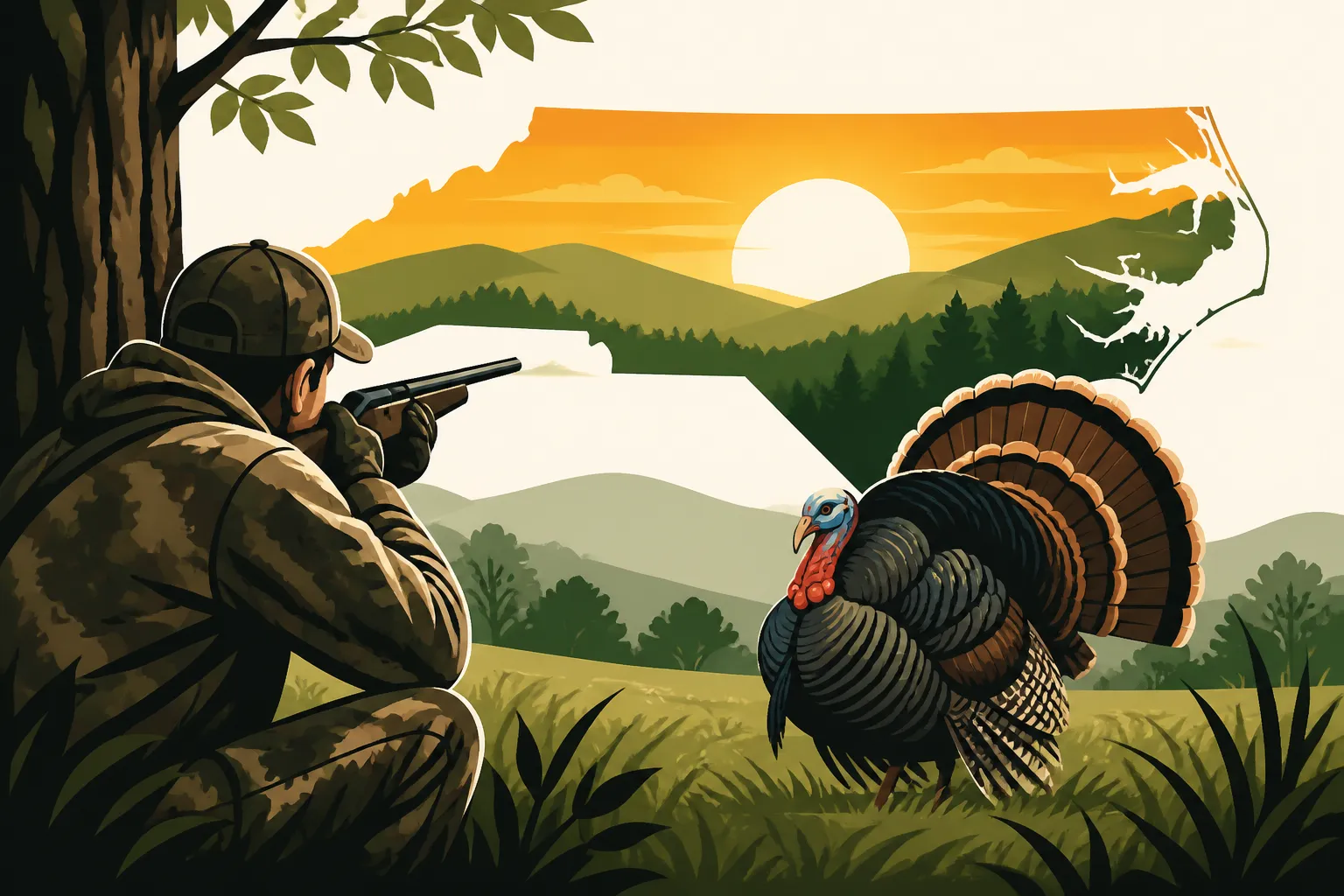
Your opening day truly begins long before legal shooting light. You need to be in your chosen spot, camouflaged and settled, at least an hour before sunrise. This means a quiet, stealthy approach in the dark, using a headlamp with a red or green light to preserve night vision. Many hunters will try to get as close to a known roost site as possible without spooking the birds. The goal is to be within range for a fly-down shot or to call the gobbler directly off the roost as he lands. Setting Up Against a Big Oak or other large, wide-trunked trees provides excellent cover and a natural backrest, which is crucial for staying still for extended periods. Always set up where you have a clear shot lane but also adequate cover. Think about your escape routes and how you'll retrieve a bird, especially on Public Hunting Land in North Carolina where navigating dense woods can be a challenge.
Once daylight breaks, it's time to listen. Let the woods wake up. The first gobble of the morning is pure magic. Resist the urge to call immediately. Listen to how the gobblers are sounding, where they are, and if any hens are with them. Often, a gobbler will sound off several times from the roost before flying down. Your first calls should be soft, subtle hen yelps or clucks, mimicking a hen just waking up and getting off the roost herself. The goal is to pique his interest, not to spook him by over-calling.
Effective Calling Strategies for Pressured Birds
On opening day, especially on heavily hunted North Carolina Game Lands, gobblers can be notoriously "call shy." They've heard it all, often from multiple hunters in a single morning. This means your calling strategy needs to be smart, subtle, and realistic. Over-calling is perhaps the biggest mistake new hunters make. Start with soft tree yelps, then transition to some basic yelps and clucks once he's on the ground. Mimicking a contented hen is often more effective than aggressive calling. Sometimes, silence is your best call. If a gobbler is heading your way, resist the urge to call again until he hesitates or changes direction. Let his curiosity drive him in.
Decoys can be a powerful tool, especially when combined with realistic calling. However, placement is everything, and hunters need to consider decoy placement for pressured North Carolina birds carefully. A single hen decoy, or a jake and a hen, can be very effective, but ensure they are positioned so the gobbler approaches from a direction that gives you a clear, ethical shot. Avoid placing them too close to your setup, as an approaching gobbler will focus on the decoys, potentially exposing your position. When choosing from the array of Turkey Calls Worth Carrying in North Carolina, a good slate or pot call offers versatility, allowing for both soft clucks and louder yelps, while a mouth call keeps your hands free for your gun or bow.
Adapting to Mid-Morning Lulls and "Run-and-Gun"
It's common for the early morning flurry of gobbling to die down as hens leave gobblers to attend to their nests. This mid-morning lull can be disheartening, but it's not the time to give up. This is when a more aggressive "run-and-gun" approach can pay off, especially on larger tracts of land. Instead of staying put, you actively move through the woods, stopping frequently to call and listen. This involves covering ground strategically, hitting known turkey travel corridors, field edges, and creek bottoms. Use locator calls every 15-20 minutes as you move, trying to provoke a shock gobble from a bird that might be alone and looking for company.
When you do get a response, don't rush in. Evaluate the situation, then quickly and quietly move into a good setup position before starting your calling sequence. The GoHunt app's mapping capabilities can be invaluable here, helping you navigate terrain quickly and efficiently to get into position. This tactic requires stamina and a willingness to adapt, but it's often how opening day birds are sealed later in the morning when others have packed it in. Remember, the woods are a dynamic environment, and the best hunters are those who can read the situation and adjust their strategy accordingly, whether that means Calling a North Carolina Gobbler Off the Roost or embarking on a long hike to find another one.
Post-Harvest Considerations for North Carolina Hunters
Successfully harvesting a gobbler on opening day is a moment of pure triumph, a culmination of all your scouting, preparation, and patience. But the work isn't over once the bird is on the ground. Proper handling and reporting are essential to comply with regulations and ensure your hard-earned wild game is cared for correctly.
Reporting Your Harvest Accurately
North Carolina has a mandatory harvest reporting system for all big game, and wild turkeys are no exception. After you've tagged your bird, you'll need to report it to the NCWRC. This can usually be done through their online portal, a dedicated mobile app, or by phone. It's a quick and simple process, but it's crucial for wildlife management. The data collected from hunter reports helps biologists monitor turkey populations, assess harvest rates, and make informed decisions about future season structures and bag limits. Providing accurate information, including the county of harvest, is vital to ensure the integrity of this data. Always report your harvest as soon as practical after taking the bird, typically before you leave the field or game lands.
Proper Field Care and Processing
Wild turkey meat is lean, flavorful, and a true delicacy. To ensure it makes it to your dinner table in prime condition, proper field care is essential, especially on a potentially warm April morning. The first step, immediately after harvest, is to cool the bird down. This means removing the entrails as soon as possible. Many hunters prefer to breast out the bird in the field, taking only the breast meat, legs, and thighs. This significantly reduces the weight you have to carry out of the woods and helps the meat cool faster.
If you plan to taxidermy the bird, you'll need to be more careful with the skin and feathers, but still prioritize cooling the carcass. Once the meat is removed, place it in a game bag or cooler with ice. Avoid letting the meat sit in standing water. Back at home, you can begin the process of butchering a wild turkey. If you're not planning to process it immediately, keep the meat on ice or refrigerate it, aiming to freeze or cook it within a few days. The sooner you get it chilled, the better the quality and safety of the meat will be.
A Note on Safety and Hunter Ethics
Hunting on opening day means sharing the woods, and safety must always be your top priority. Always assume another hunter is in the vicinity, even if you haven't seen any vehicles or heard other calls. Positive identification of your target is non-negotiable – never shoot at sound or movement. Wearing blaze orange is typically not required during turkey season in North Carolina while actively hunting, but it's a smart idea to wear it while walking in and out, especially if you're on public land or sharing property with other hunters. Store it in your vest and put it on your bird after the shot.
Beyond safety, consider the ethics of your hunt. Respect private property, even if you have permission, and be mindful of your impact on the land and the wildlife. If you encounter another hunter, a polite nod or a wave is usually sufficient. Remember, we're all out there to enjoy the natural beauty and challenge of the hunt. Let's make sure we leave a positive impression on our fellow outdoors enthusiasts and uphold the proud traditions of North Carolina hunting.
Disclaimer
The information provided in this guide is for general informational purposes only and does not constitute legal advice. Hunting regulations, seasons, and licensing requirements can change. Always consult the official North Carolina Wildlife Resources Commission regulations and local ordinances before engaging in any hunting activities. Adhere to all safety guidelines and best practices.