Cold-Weather Sitting Strategy in the Mountains
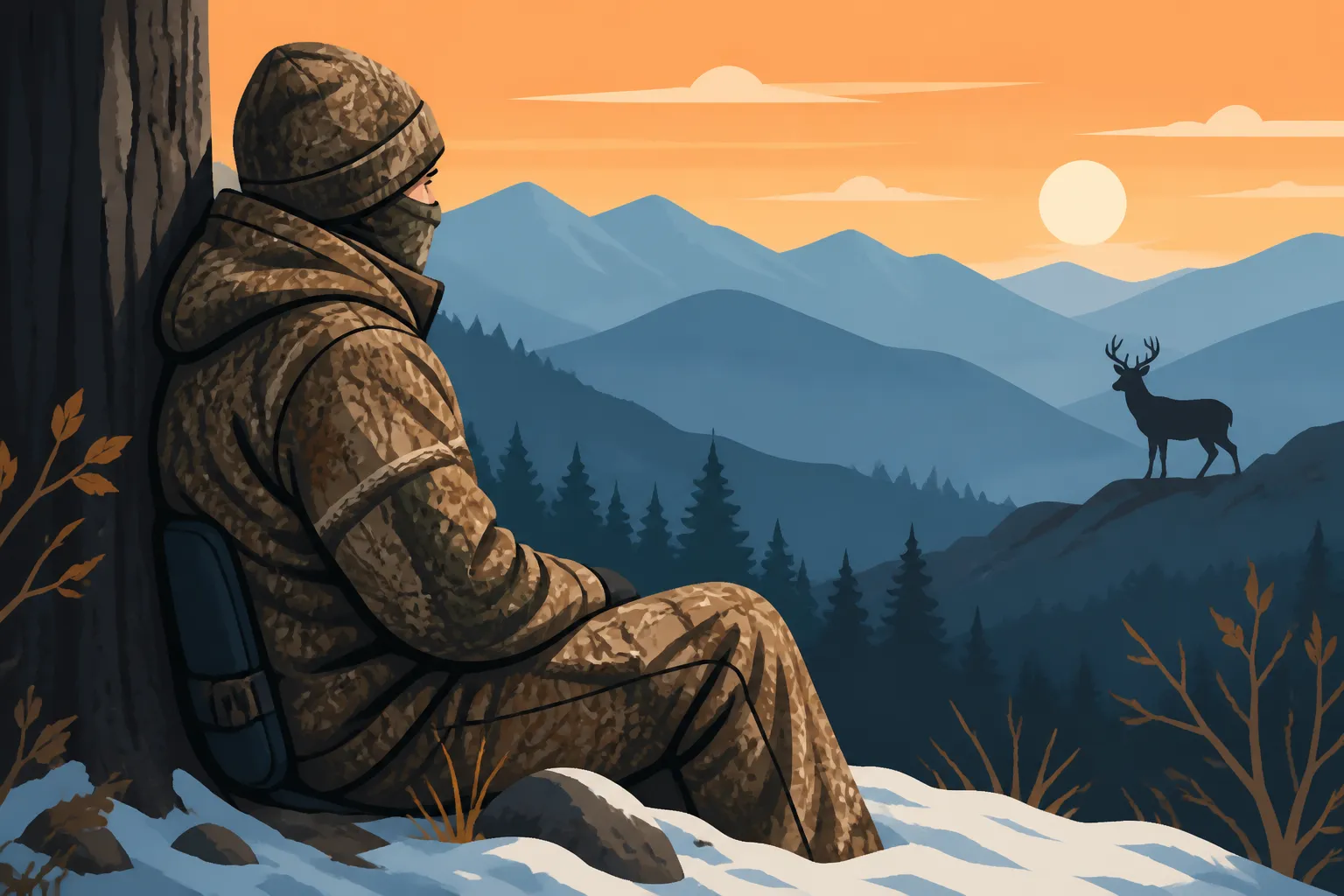
The crisp, biting air and frozen ground of a North Carolina mountain winter can be absolutely brutal on a hunter sitting still for hours. It’s a challenge many of us face, trying to stay warm enough to focus, but not so bundled that we can't move silently when that buck finally steps out. This guide dives deep into practical strategies and gear advice to help you master the art of cold-weather sitting, ensuring your comfort and success when hunting the high country.
Understanding Mountain Weather and Deer Behavior
Hunting the mountains of North Carolina in the bitter cold presents a unique set of challenges compared to other parts of the state. The elevation, topography, and even tree cover conspire to create conditions that demand respect and preparation. Without understanding these factors and how they influence deer, you’re often fighting an uphill battle.
The Unique Challenges of Appalachian Cold
When you're up in places like the Pisgah National Forest or the Nantahala National Forest, the air just feels different. The elevation alone can drop temperatures significantly compared to the foothills or Piedmont. For every 1,000 feet you climb, the air temperature can decrease by 3 to 5 degrees Fahrenheit. This means that a comfortable 40-degree morning in Asheville might be a frigid 25 degrees on a ridgetop in the Linville Gorge Wilderness.
Beyond temperature, wind becomes your absolute enemy. Mountain topography funnels and accelerates wind, creating wind chill factors that can make even a relatively mild day feel painfully cold. Ridgelines, saddles, and exposed benches are notorious for this. You might be perfectly comfortable in a sheltered cove, but step out onto an open face, and the wind can strip your body heat in minutes. Precipitation also varies; a light drizzle in the valley might be freezing rain or even snow higher up. Being caught unprepared for a sudden squall can turn a challenging hunt into a dangerous one, making meticulous weather monitoring crucial.
How Deer Adapt to Winter Conditions
Deer are incredibly resilient, but they don't enjoy being cold any more than we do. In sustained cold weather, their primary drivers become conserving energy, finding high-calorie food, and seeking thermal cover. This drastically alters their movement patterns from the early season. Instead of bedding on open, breezy ridgetops, you'll find them hunkering down in thick pine stands, dense rhododendron thickets, or deep laurel slicks, especially on south-facing slopes that catch more sunlight. These areas offer both protection from the wind and direct sunlight to warm them.
Food sources shift dramatically as well. Acorns might be long gone, buried under snow or eaten up. Deer will key in on browse, fallen mast, or persistent green growth in sheltered pockets. Creek bottoms with abundant evergreens and some leftover browse can be prime midday bedding and feeding areas. Understanding these shifts is key to successful Late-Season Food Sources for North Carolina Whitetails. Bucks, especially older ones, will move much less than during the rut, often only traveling between a secure bedding area and a nearby food source during the warmest parts of the day, or just before legal shooting light in the morning and after in the evening.
Essential Gear for Staying Warm and Effective
Staying warm isn't just about comfort; it's about safety and effectiveness. A shivering hunter can't hold a steady aim, nor can they sit still long enough for a wary mountain buck to approach. Building a robust cold-weather gear system is paramount for any successful hunt in the North Carolina mountains during the colder months.
Layering Systems That Actually Work
The key to cold-weather hunting is layering, but not just any layers. You need a system that allows you to adapt to fluctuating temperatures and exertion levels. It starts with your base layer, which should be made of moisture-wicking material like merino wool or a high-quality synthetic. This layer is crucial because it pulls sweat away from your body, preventing that clammy, chilling feeling that can set in once you stop moving. Avoid cotton at all costs; it absorbs moisture and loses all insulating properties when wet, turning into a cold, heavy rag.
Next comes your mid-layers, which provide the bulk of your insulation. Fleece, puffy synthetic jackets, or heavier merino wool pieces are excellent choices here. The number of mid-layers will depend on the forecasted temperature and your activity level. If you're hiking a long way to your stand, you might start with fewer, adding them once you cool down. Finally, your outer layer needs to be windproof and waterproof, offering a barrier against the elements. Look for quiet fabrics that won't rustle and spook deer. Many hunters find that a good quality wool outer layer excels for quietness and warmth, even when damp. For a deeper dive into materials, consider exploring the benefits of Wool Versus Synthetics in Mountain Cold.
Boots, Hands, and Head Protection
These three areas are heat loss hotspots, and neglecting them will quickly lead to discomfort. For your feet, forget uninsulated hiking boots. You need insulated, waterproof boots specifically designed for cold weather. Look for boots with at least 800-1200 grams of Thinsulate or an equivalent synthetic insulation. Ensure they are roomy enough to wear thick wool socks without constricting your feet, as tight boots restrict blood flow and lead to cold toes. Many seasoned mountain hunters swear by taller rubber boots for stream crossings and swampy areas, or dedicated hiking boots with excellent ankle support for steep climbs. Getting the right footwear makes a massive difference, as detailed in guides like Insulated Boots for All-Day Sits.
For your hands, a multi-layer approach is often best. Thin liner gloves provide dexterity for handling gear. Over these, wear a pair of insulated, waterproof gloves or, even better, a large, insulated hand muff that you can slip your hands into. Hand warmers placed inside gloves or a muff are a game-changer. For your head, a simple beanie or a balaclava made of wool or fleece is essential. You lose a significant amount of heat through your head, and keeping it covered helps retain warmth throughout your entire body.
The Right Pack for Cold-Weather Carry
Your pack isn't just for hauling gear; it's a mobile survival kit in cold mountain conditions. Choose a pack that's large enough to comfortably carry all your layers, especially the ones you shed during the hike in. Look for features like quiet zippers, durable fabric, and external straps for attaching extra layers or a treestand. A comfortable hip belt is crucial for distributing weight, especially on steep terrain.
Beyond your primary hunting tools, your cold-weather pack essentials should include: an extra pair of dry socks (a literal lifesaver), high-calorie snacks like trail mix or energy bars, a thermos of hot coffee or tea, a reliable headlamp with extra batteries, a first-aid kit, a small stove to boil water in an emergency, and navigation tools (GPS or a mapping app like GoHunt on your phone, with downloaded maps for offline use). Even a small, ultralight tarp or emergency blanket can provide critical shelter if you get stuck out longer than planned. For tips on maximizing your carry, check out resources like Packs for a Pisgah Forest Day Hunt.
Strategic Sitting Tactics for Mountain Cold
Even with the best gear, if your strategy isn't tailored to cold-weather mountain hunting, you'll still be fighting the elements and deer behavior. The key is to be smarter about where you sit, how you get there, and how you manage yourself while on stand.
Choosing the Right Stand Location
In the cold, deer are all about efficiency. They'll minimize travel and prioritize areas that offer both food and thermal cover. When scouting or setting your stand, think about south-facing slopes, as they receive the most direct sunlight and are often warmer. Look for thick, evergreen cover—pine thickets, rhododendron hells, or dense laurel patches—just off these sunny slopes. Deer will often bed in these dense areas and only move a short distance to browse or feed in a sheltered cove.
Wind is another critical factor. Instead of setting up on an exposed ridgeline, consider a saddle or a bench just off the ridgeline, on the leeward side of the prevailing wind. This offers some protection while still allowing you to intercept deer traveling through funnels. Creek bottoms can also be excellent, especially if they have good thermal cover and persistent green browse. These areas often create natural travel corridors for deer. Knowing how to interpret these natural features, as discussed in Reading a Ridge for Mountain Zone Deer, will significantly improve your chances. When using a mapping app like GoHunt, pay close attention to topography lines to identify these micro-terrain features.
Managing Your Scent and Movement
Cold air can feel heavy and still, often allowing scent to hang longer and travel further. This makes scent control even more critical than during warmer seasons. Shower with scent-free soap, use scent-free laundry detergent for your hunting clothes, and store them in airtight containers. Dress at your hunting location to minimize sweat buildup on the hike in.
Once on stand, movement needs to be minimal and deliberate. Every little twitch can catch a deer's eye in the stark winter woods. If you need to shift, do so slowly and methodically, taking advantage of any natural sounds like a gust of wind or a bird call to mask your movement. Avoid fidgeting or unnecessary adjustments to your gear. The silence of a cold winter day means every sound, no matter how small, carries further. Even the slightest crunch of leaves or squeak of a treestand can alert nearby deer. This is also where understanding Wind and Thermals on a Blue Ridge Slope becomes invaluable, as shifting thermals can betray your presence.
Shortening Your Approach and Exit
Long, strenuous hikes in the dark and cold are not only exhausting but can also lead to excessive sweating, which defeats the purpose of your layering system. In cold weather, prioritize stand locations that allow for a relatively easy and quiet approach and exit. Consider using established logging roads or old ATV trails for part of your entry, especially if they parallel your desired hunting area without disturbing it. If possible, avoid cresting ridges at dawn or dusk, as this can silhouette you against the sky.
Plan your routes using mapping tools like GoHunt to identify the most efficient and least disruptive paths. This isn't just about stealth; it's about conserving your own body heat and energy. A shorter, less strenuous walk means you'll arrive at your stand less sweaty and therefore warmer. The same principle applies to your exit; you want to get out quickly and safely, especially if you're navigating steep, icy terrain in the dark. While often discussed for flat land, the principles of Entry Routes Through Standing Soybeans can be adapted to choosing low-impact paths in mountainous terrain by focusing on natural depressions or sheltered corridors.
Maintaining Focus and Staying Alert
Long hours of sitting still in the cold can be mentally draining. Hypothermia, even mild forms, can dull your senses and reduce your ability to react. To combat this, set realistic expectations for the length of your sit. Sometimes, a quality three-hour sit in the core of deer movement is better than a miserable eight-hour sit where you're constantly fighting the cold. Take short breaks to stand up, stretch, and move your fingers and toes to promote circulation.
Bring high-energy snacks and a hot drink in a quality thermos. Sip on it slowly throughout your sit. Small, controlled movements to stay warm—like flexing your leg muscles or wiggling your toes—can help without creating excessive noise. Focus on scanning the woods, identifying subtle movements, and listening for the faint sounds of approaching deer. Having a clear idea of where deer are likely to travel, perhaps by marking potential paths on your GoHunt map during scouting, can help keep your mind engaged and alert.
Post-Harvest Considerations in the Cold
The moment of truth arrives, and you've harvested a deer in the cold North Carolina mountains. While the chill can be a blessing for meat preservation, it also introduces its own set of challenges, from field dressing with numb fingers to extracting a heavy animal from unforgiving terrain.
Field Dressing and Meat Care
Cold weather is generally excellent for venison preservation. The low temperatures inhibit bacterial growth, meaning you have a longer window to get your deer processed. However, field dressing itself can be an arduous task when your hands are numb and stiff. Carry several pairs of thin, surgical-style gloves under your insulated gloves. This way, you can remove your bulky outer gloves for better dexterity while keeping your hands relatively clean and still protected from the biting cold.
Work quickly but methodically to gut the deer. Get the entrails out as soon as possible to allow the carcass to cool internally. If you have any concerns about CWD, especially if you're hunting in or near counties like Surry or Wilkes, be mindful of specific regulations for handling and testing. Once field dressed, consider hanging the deer or propping it open to allow maximum airflow for cooling. For a detailed guide on this process, refer to Field Dressing a Deer in Cold Weather.
Extraction Challenges
Extracting a deer from steep, often icy or snowy mountain terrain is arguably the most physically demanding part of a cold-weather hunt. A deer that weighs 150 pounds can feel like 300 pounds when you're dragging it uphill through thick brush. If hunting alone, consider bringing a game cart or a heavy-duty deer sled. These can make a monumental difference, particularly if you have relatively flat sections or old logging roads to utilize. However, on truly steep and rocky ground, even a sled can be cumbersome.
If hunting with a partner, quartering the deer and packing it out in game bags is often the most efficient method, especially if the distance is significant or the terrain is brutal. This is where a good frame pack becomes invaluable. Before the season, scout potential extraction routes, especially those that avoid the steepest climbs. Think about routes that follow contours or gentle downhill slopes. In your GoHunt app, mark potential retrieval paths, especially those that might be more manageable with a heavy load. Having a detailed plan for Deer Sleds for Mountain Country or other extraction methods before you even pull the trigger can save you hours of grueling labor and potential injury.
Remember, safety is paramount. Don't rush or take unnecessary risks when moving a heavy animal through difficult terrain, especially in low light or icy conditions.
| Layer Type | Material Suggestions | Key Function | Cold (20-35°F) | Very Cold (0-20°F) |
|---|---|---|---|---|
| Base | Merino Wool, Synthetic | Wicks moisture, provides initial warmth | Lightweight to Midweight merino top/bottom | Midweight to Heavyweight merino top/bottom |
| Mid | Fleece, Synthetic Puffy | Insulation, retains body heat | Midweight fleece jacket, thin synthetic vest | Heavy fleece jacket, thick synthetic puffy jacket |
| Outer | Wool, Insulated Shell | Windproof, waterproof, additional warmth | Insulated, quiet softshell jacket & pants | Heavy insulated parka & pants (water/windproof) |
| Hands | Wool, Synthetic | Dexterity, insulation | Liner gloves + insulated gloves/muff | Liner gloves + heavy insulated mittens + hand warmers |
| Feet | Wool Socks, Insulated | Moisture-wicking, thermal barrier | Heavy wool socks + 800g insulated waterproof boots | Heavy wool socks + 1200g+ insulated waterproof boots |
| Head | Fleece, Merino | Retains body heat | Beanie or balaclava | Heavy balaclava + insulated beanie |
Disclaimer
The information provided in this guide is for informational purposes only and is not a substitute for proper hunter education, safety courses, or professional guidance. Always consult the latest North Carolina Wildlife Resources Commission regulations before hunting. Hunting involves inherent risks, and personal safety should always be your top priority.