Deer Sleds for Mountain Country
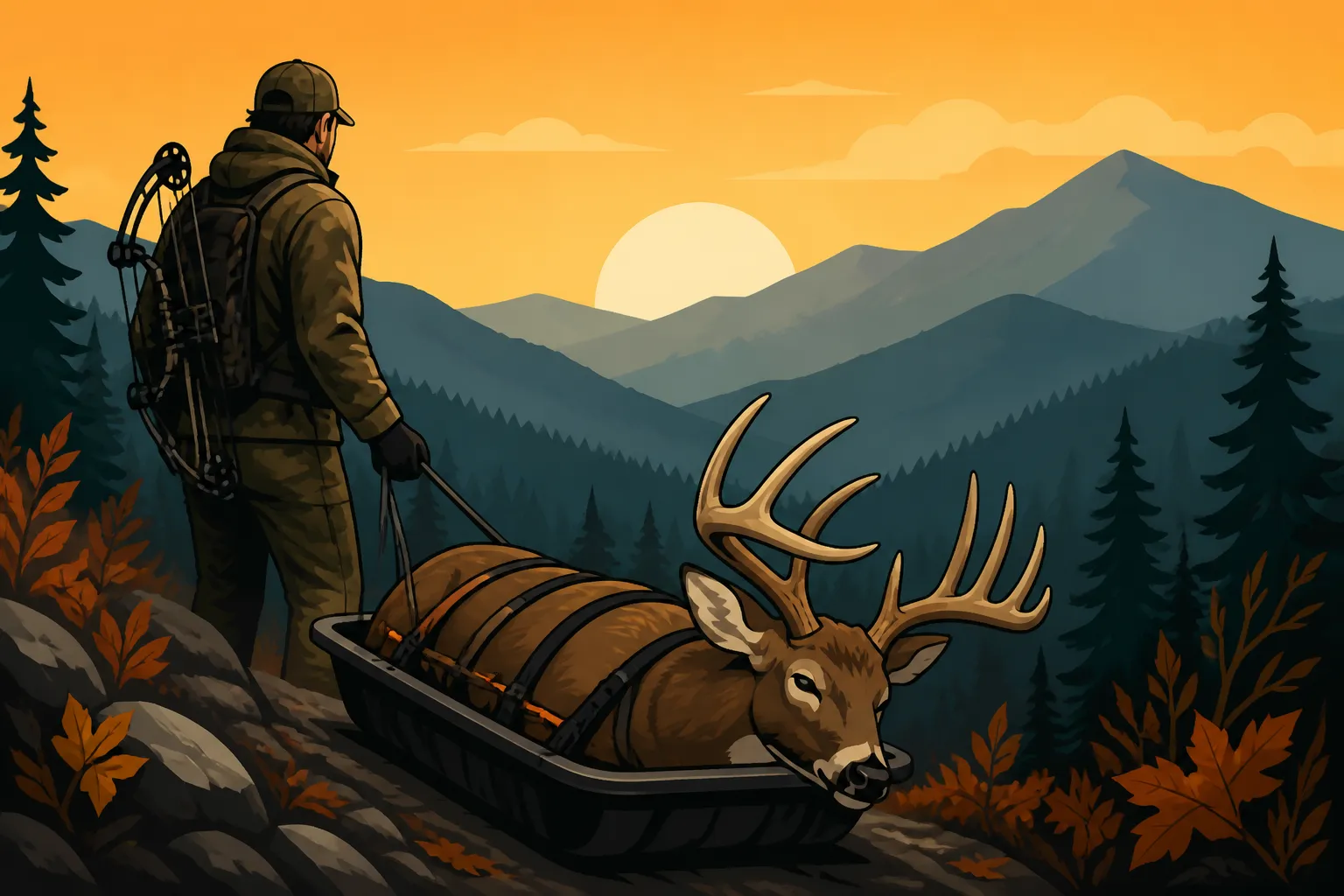
There are few things as humbling, or frankly, as soul-crushing, as dropping a deer deep in the steep, rugged terrain of North Carolina’s mountains. You’ve worked hard for your shot, the adrenaline has faded, and now the real work begins: getting that beautiful animal back to the truck. If you’ve ever wrestled a heavy buck over downed logs, through thick rhododendron hells, or up a punishing incline in Pisgah or Nantahala, you know the exhaustion and sheer pain involved. This guide is all about finding some relief in that struggle by understanding how deer sleds can become your best friend in mountain country.
The Mountain Hunter’s Dilemma: Why Dragging is a Beast
Hunting the Blue Ridge Mountains, whether it's the steep slopes of the Pisgah National Forest or the rugged hollers of Nantahala, offers some of the most challenging yet rewarding experiences in North Carolina. The deer are tough, the country is wild, and the views are breathtaking. But when you punch your tag, that breathtaking scenery often turns into a grueling obstacle course for recovery. It’s a reality every mountain hunter faces, and it’s why a good deer sled isn't just a convenience, it's often a necessity.
The Sheer Topography and Terrain Challenges
North Carolina’s mountains are famous for their dramatic elevation changes. What looks like a short walk on a map can quickly become a vertical climb or descent that tests your knees, lungs, and resolve. You might find yourself on a high elevation bench one minute, and then navigating a near-vertical drop into a laurel thicket the next. Dragging a 150-pound deer, let alone a mature buck pushing 200, across such varied terrain is a monumental task. The ground isn't just steep; it's often covered in loose rock, tangled roots, fallen timber, and slippery wet leaves. Every step is an effort, and controlling a heavy, inert mass adds a whole new layer of difficulty. It’s the kind of scenario where a five-hundred-yard drag can feel like five miles. You're not just pulling; you're often lifting, pivoting, and constantly battling gravity and friction.
The Energy Drain of a Mountain Recovery
Think about the physical toll. You've been up before dawn, hiked miles in, sat on stand for hours, experienced the adrenaline of the shot, and then the careful field dressing. Your body is already tapped. Now, imagine adding an hour or more of intense physical labor, pulling a dead weight uphill and over obstacles. The energy drain is profound. Dehydration can set in quickly, especially on warmer early season days, and muscles will cramp and fatigue. I’ve seen seasoned hunters, tough as nails, nearly collapse from exhaustion after a particularly brutal drag out of a deep cove. Without a way to reduce friction and distribute weight, you're not just dragging the deer, you're dragging yourself down with it. That kind of exhaustion can also lead to mistakes or injuries, which is the last thing you want miles from your truck.
The Value of Reducing Friction and Preserving Meat
Beyond the physical exertion, there's the practical aspect of preserving your hard-earned venison. Dragging a deer directly on the ground in warm weather exposes more of the carcass to dirt, leaves, and potential contaminants. It also creates more friction, tearing hide and flesh, especially around the shoulders and head. A deer sled lifts the carcass slightly, provides a smooth, low-friction surface, and can help keep the animal cleaner as you move it through the woods. This is especially important during those early archery season hunts when temperatures can still be quite warm, or even during milder late-season days. Reducing friction also means less effort for you, allowing you to move more quickly and get the meat cooled down faster. This is critical for meat quality, particularly if you've shot a deer late in the day and have a long haul back to the cooler.
Choosing the Right Deer Sled for North Carolina Mountains
Not all deer sleds are created equal, especially when you consider the specific demands of North Carolina’s mountain terrain. What works great on a flat, open field edge in the Piedmont might be a nightmare on a rocky, rhododendron-choked mountainside. You need something durable, maneuverable, and designed to minimize your effort.
Materials and Durability for Rugged Terrain
When it comes to deer sleds, the material is paramount. You'll typically find them made from various types of plastic, usually high-density polyethylene (HDPE). This material is chosen for its slickness, flexibility, and resistance to cold, cracking, and abrasion.
- Heavy-Duty Plastic (HDPE): This is the most common and often best choice for mountain hunting. Look for thicker gauges of plastic that can withstand impacts from rocks, stumps, and fallen trees. A thin, flimsy sled will quickly tear or puncture, especially if you're pulling a heavy deer over sharp rocks. The HDPE should have a certain amount of flexibility to conform to uneven ground without breaking, but also enough rigidity to maintain its shape and contain the deer. Some sleds feature molded ridges or channels that offer additional stiffness and help keep the deer centered.
- Reinforced Edges and Bottom: Pay close attention to the edges and the bottom of the sled. Some higher-quality sleds will have thicker, reinforced lips around the perimeter, or an extra layer of material on the bottom, particularly in high-wear areas. This adds to the longevity of the sled, preventing premature wear and tear from constant dragging over abrasive surfaces.
Design Features for Mountain Maneuverability
The shape and design of the sled also play a huge role in its effectiveness in the mountains. You’re not just pulling straight; you’ll be turning, navigating tight spaces, and potentially even sliding down steep sections.
- Tapered or V-Shaped Front: A V-shaped or tapered front end is essential. This design helps the sled glide over obstacles like small logs, rocks, and brush, rather than plowing into them. A blunt or flat front will catch and dig in, requiring you to constantly lift and reposition, which negates the whole purpose of the sled.
- Integrated Tie-Down Points: Look for multiple, reinforced tie-down points around the perimeter of the sled. These are crucial for securing your deer to prevent it from sliding off, especially on steep descents or when navigating sidehills. Strong grommets or molded-in loops are preferable to simple holes that can tear through. Using good quality rope or straps to secure the deer tightly is key.
- Tow Ropes and Handles: Most sleds come with a tow rope. While basic ropes work, consider upgrading to a thicker, comfortable rope or adding a T-handle or D-handle. This gives you a much better grip and reduces strain on your hands, especially when pulling for long distances with a heavy load. Some hunters even rig up shoulder harnesses, which distribute the weight across your back and shoulders, leaving your hands free for balance or to clear obstacles. This can be a game-changer on steep, long drags.
- Size and Capacity: Consider the size of deer you typically hunt. A larger sled can accommodate bigger deer and even gear, but it will also be more cumbersome to carry in and out empty. A good balance is often a sled that can comfortably fit a mature whitetail buck without being overly wide or long. Remember, you’ll likely be carrying this empty sled into your hunting area, so its packability and weight are also factors.
| Feature | Benefit for Mountain Hunting | Considerations |
|---|---|---|
| Heavy-Duty HDPE | Excellent durability, low friction, withstands cold. | Thicker plastic lasts longer; watch for thin, flimsy options. |
| Tapered/V-Front | Glides over obstacles, prevents plowing into ground. | Essential for navigating roots, rocks, and brush efficiently. |
| Reinforced Edges | Prevents wear and tear from abrasive terrain. | Extends the life of the sled; check high-contact areas. |
| Tie-Down Points | Securely fastens deer, preventing shifting or loss on hills. | Multiple, strong points are best; bring durable rope or straps. |
| Comfortable Rope | Reduces hand strain and fatigue during long pulls. | Upgrade to a thicker rope or add a T-handle/shoulder harness for comfort. |
| Right Size | Fits target game, not too bulky to carry in. | Balance capacity for deer with portability for the hunter. |
Techniques for Using a Deer Sled in Tough Terrain
Having the right sled is only half the battle; knowing how to use it effectively in North Carolina’s challenging mountain environment is the other. There's a bit of an art to it, and some smart techniques can save you a ton of sweat and keep you safer.
Strategic Route Planning and Obstacle Navigation
Before you even make the shot, and certainly before you start dragging, take a moment to assess your route back to the truck. This is where scouting, and even using mapping tools like those from GoHunt, can really pay off. Look for the path of least resistance. Sometimes the shortest distance isn't the easiest or even the quickest.
- Identify Natural Lanes: Scan the landscape for natural "lanes" – old logging roads, game trails, or even dry creek beds that might offer a more gradual descent or fewer obstacles than pushing straight through the brush. Sometimes, a slightly longer route that follows a contour line or a gentle ridge will be far less taxing than a direct line over a series of steep humps and hollows. Reading a Ridge for Mountain Zone Deer might give you ideas on identifying these natural lanes.
- Utilize Gravity Wisely: On descents, let gravity be your friend. Control the sled's speed with your rope, rather than fighting it. If it’s very steep, you might need a second person to act as a "brake" from behind, or even wrap the rope around a sturdy tree for a controlled descent. On ascents, look for switchbacks or zig-zag patterns to break up the grade. Straight uphill drags are incredibly draining.
- Teamwork and Obstacle Clearing: If you're hunting with a partner or a small group, teamwork is invaluable. One person can pull from the front while another lifts or guides from the rear, especially over downed trees or large rocks. Don't be afraid to take a few minutes to clear small obstacles from your path before you get to them. Removing a few branches or small rocks can prevent repeated hang-ups and save energy in the long run.
Securing the Deer and Maintaining Control
Properly securing your deer in the sled is critical for both efficiency and safety, particularly when navigating uneven ground or steep slopes. A shifting or falling deer can make an already tough job nearly impossible.
- Head First, Centered: Position the deer head-first in the sled. This allows the tapered front to do its job and provides a more aerodynamic drag. Center the deer's weight as much as possible within the sled. If the weight is off-balance, the sled will constantly want to flip or veer off course.
- Tight Tie-Downs: Use strong rope, paracord, or cam straps to secure the deer to the sled's tie-down points. Wrap the rope over the deer's body multiple times, cinching it down tightly. Pay special attention to the shoulders and hips, as these are the widest points and most prone to shifting. On a long, rough drag, it's wise to stop periodically and check your tie-downs. A loose deer will quickly become a headache, especially on steep sections of Hunting the North Carolina Mountains.
- Body Position and Leverage: When pulling, lean into the rope, using your body weight. Keep your back straight and lift with your legs if you need to clear an obstacle. On descents, try to position yourself slightly uphill from the sled, using your weight to control its speed. If you're on a severe sidehill, keeping the deer's weight on the uphill side of the sled can help prevent it from flipping over. This takes practice, but it's essential for maintaining control and minimizing effort.
Maximizing Efficiency and Staying Safe in the Mountains
Dragging a deer in the mountains is never truly "easy," but with the right gear and smart strategies, you can make it as efficient and safe as possible. These tips can help you avoid common pitfalls and ensure a successful, albeit tiring, recovery.
The Role of Supplemental Gear and Physical Preparedness
A deer sled is a fantastic tool, but it's part of a larger system of preparedness that makes mountain hunting recoveries more manageable. Your overall physical condition and the other gear you carry play significant roles.
- Sturdy Footwear: This might seem obvious, but rugged, ankle-supporting boots are non-negotiable. Boots for North Carolina Swamps and Ridges discusses this in detail, but for mountain country, you need exceptional grip for slippery leaves and rocks, and ample support to prevent twisted ankles when stepping on uneven ground while pulling a heavy load. A slip or fall when dragging a deer can be dangerous.
- Good Quality Pack: You'll need a solid pack to carry in your gear, including the collapsed or rolled-up sled if it's that type, along with your water, snacks, field dressing kit, and extra layers. When carrying a deer sled, make sure your pack is comfortable and doesn't add to the burden. Packs for a Pisgah Forest Day Hunt highlights how crucial a well-fitting pack is.
- Hydration and Nutrition: This cannot be stressed enough. Mountain hunting is physically demanding, and dragging a deer adds another level of exertion. Carry plenty of water and calorie-dense snacks. Stop frequently, take small sips, and refuel. You’ll be surprised how quickly you can become dehydrated and bonk when performing such heavy labor. It’s better to take a few extra minutes for a water break than to risk exhaustion or cramping miles from the truck.
- Physical Conditioning: While not "gear," being in decent physical shape before the season is your best asset for mountain hunting. Regular hiking, especially with a weighted pack, stair climbing, and strength training, will make a world of difference when it comes to those long, arduous drags out of steep hollers.
Post-Recovery Care and Maintenance
Once you've successfully wrestled your deer and sled back to the truck, the job isn't quite over. Proper care of your sled and yourself ensures it's ready for the next adventure and that you recover effectively.
- Sled Cleaning: Don't just toss your sled back in the truck. Deer blood, hair, and dirt can carry diseases and attract pests. As soon as possible, hose down your sled thoroughly, scrubbing it with a stiff brush and mild soap if necessary. Pay attention to any crevices or tie-down points where debris can accumulate. A clean sled lasts longer and is more sanitary for future use.
- Storage: Store your sled flat or rolled in a cool, dry place, away from direct sunlight. Extreme heat or cold, especially when exposed over long periods, can cause plastic to become brittle or warp, reducing its lifespan.
- Personal Recovery: You’ve earned it! Rehydrate, stretch, and refuel. Take a hot shower and rest. If you're feeling soreness, consider some gentle stretching or over-the-counter pain relief. Don't underestimate the physical toll of a mountain deer recovery; proper rest is crucial to bounce back for your next hunt. Many a hunter has hobbled around for days after a particularly tough drag. Remember that success in the mountains isn't just about the shot, but the responsible and safe recovery of your game.
Disclaimer
This article is for general informational purposes only and does not constitute professional advice. Laws, prices and regulations vary by location and change over time. Consult a qualified professional for guidance on your specific situation.