Rifle Cases for Travel to North Carolina
The thought of traveling with a firearm, especially when you're crossing state lines or heading into a new hunting zone in North Carolina, can be a real headache. There's this gnawing worry about whether you're following all the rules, if your precious rifle will arrive safely, and frankly, if you're going to accidentally get yourself into a sticky situation. This guide is here to untangle the complexities of transporting your hunting rifle, focusing on how to choose and use the right rifle case for a smooth, worry-free journey to your next North Carolina hunting adventure.
Understanding North Carolina's Firearm Transport Laws
Before you even think about packing that trusty deer rifle, it’s absolutely critical to understand the legal landscape. Navigating firearm laws can feel like walking through a minefield, with federal rules, state statutes, and even local ordinances all playing a part. The last thing any hunter wants is a preventable encounter with law enforcement because of a misunderstanding.
Federal vs. State Regulations for Transport
When you’re traveling interstate with a firearm, the Firearm Owners' Protection Act (FOPA) is your best friend. This federal law essentially protects law-abiding citizens from being prosecuted in states with stricter gun laws, as long as they are merely transporting the firearm from one place where it's legal to possess to another. The key here is "transporting" – your firearm must be unloaded, not readily accessible, and generally encased. This means it can't be sitting loaded on your passenger seat! However, FOPA isn't a get-out-of-jail-free card for every situation. You can't just stop off for a quick hunt in a state where your type of firearm isn't legal. The intent must be transport through the state to a legal destination.
North Carolina, like any other state, has its own set of rules that overlay these federal protections. For instance, while you might generally carry a loaded handgun in your glove compartment in North Carolina without a concealed carry permit (under the "vehicle exception"), a long gun needs different consideration. When you're transporting a rifle for hunting, the general rule is that it should be unloaded and encased. This isn't just about legality; it's about safety and common sense. Think of the varied terrains you might traverse, from busy interstates to quiet gravel roads leading to your deer stand. A properly cased and unloaded rifle ensures no accidental discharge and clearly signals your intent as a responsible hunter, not a threat.
Transporting Firearms in Vehicles
For most North Carolina hunters, vehicle transport is the primary method of getting their rifles to and from the woods. The law generally states that long guns should be transported in a secure manner. This typically means unloaded, and either in the trunk, in a gun rack, or openly displayed in the passenger area in a case. While open carry of a long gun in a vehicle might be legal, most hunters opt for a case to protect their investment and avoid alarming other drivers. A good, sturdy case also protects your rifle from bumps, jostles, and spills that can occur during a long drive to a remote hunting area.
Consider the route you're taking. If you're driving through heavily populated areas like Raleigh, Charlotte, or Greensboro, a discreet and secure case is always a wiser choice. It minimizes attention and reduces the chance of any misunderstanding. Even if you’re just running from home to your deer lease in Sampson County, having your rifle cased and unloaded prevents any quick, unplanned stops from becoming a legal issue. You'll want to check out the guidance on North Carolina Legal Firearms for Deer Hunting to ensure your rifle itself is compliant.
Air Travel and TSA Regulations
If your North Carolina hunting adventure involves flying, the rules become much stricter and are primarily governed by the Transportation Security Administration (TSA). This is where a robust, hard-sided rifle case isn't just recommended, it's absolutely mandatory. Your firearm must be unloaded, declared to the airline at check-in, and transported in a hard-sided container that is locked. The key here is that only you should retain the key or combination to the lock. The airline staff might inspect the contents in your presence, but they cannot keep the key.
Ammunition also has specific rules for air travel. It must be securely packed in a box or other container specifically designed to carry small arms ammunition, and placed within the same locked hard-sided case as the firearm, or in a separate hard-sided case. It can't be loose, in magazines, or in soft bags. Always check your specific airline's policies beforehand, as they can sometimes be more restrictive than TSA regulations. Missing one small detail can mean missing your flight and potentially your hunt, which is a frustration no one needs when heading to chase whitetails or bears in the Old North State.
Types of Rifle Cases for Different Travel Needs
Just like you wouldn't use a dove hunting shotgun for a bear hunt, you wouldn't use the same rifle case for a quick trip to the local range as you would for a cross-country flight. Understanding the different types of cases and their best applications is key to safe, compliant, and convenient travel.
Hard Cases: The Gold Standard for Protection and Compliance
When it comes to serious protection and compliance, especially for air travel or long-distance vehicle transport, a hard case is truly the gold standard. These cases are typically made from durable polymers, reinforced plastics, or aluminum, designed to withstand significant impact, crushing forces, and even harsh weather conditions. They often feature robust latches, padlock points, and sometimes even pressure equalization valves for air travel. Brands like Pelican, SKB, and other heavy-duty manufacturers come to mind. If you’re flying into North Carolina to hunt, say, the mountain bear zones or planning a lengthy trip across several states, a hard case is non-negotiable.
The security aspect is paramount. Hard cases are designed to be securely locked, preventing unauthorized access and meeting the stringent requirements of airlines and the TSA. Many come with pick-and-pluck foam or customizable foam inserts that conform perfectly to your rifle, preventing any movement during transit. This is crucial for protecting your optics and ensuring your rifle maintains its zero. While they can be bulky and heavy, especially with a rifle and accessories inside, many come with wheels, making airport navigation or moving gear from your truck to a camp in the Pisgah National Forest Hunting much easier. Investing in a quality hard case is an investment in the safety and longevity of your valuable firearm, protecting it from everything from baggage handlers to inclement weather.
Soft Cases: Convenience for Local and Vehicle Transport
Soft cases offer a more lightweight and convenient solution for many hunting scenarios, particularly for local travel or short drives. These cases are typically made from heavy-duty nylon, canvas, or other fabric materials, often with some internal padding. They're great for protecting your rifle from scratches, dust, and minor bumps when you're just driving down the road to a nearby hunting spot or transporting it to the local gun shop. If you're heading out for Squirrel Hunting North Carolina Bottomland Hardwoods or a quick morning hunt on private land in the Piedmont, a soft case is usually sufficient. They are easier to store, take up less space, and are generally less expensive than their hard-sided counterparts.
However, soft cases come with significant limitations. They offer minimal protection against heavy impacts or crushing, and they are generally not suitable for air travel as they don't meet the TSA's "hard-sided, locked container" requirement for firearms. While many soft cases have lockable zippers, this usually isn't considered sufficient security for air transport or even for leaving a firearm unattended in a vehicle for extended periods. When using a soft case for vehicle transport in North Carolina, always ensure your rifle is unloaded, and ideally, keep it out of sight in the trunk or a secure area of your vehicle. While a soft case might be perfect for tossing in the back of your truck for a short drive, it's not the case you want when the integrity of your rifle and compliance with strict regulations are on the line.
Hybrid and Discreet Cases: Blending In
In certain situations, hunters might opt for hybrid or discreet cases that offer a balance of protection and a low profile. Hybrid cases often combine the rigid structure of a hard case with the lighter weight and sometimes more flexible design of a soft case. They might feature a rigid frame with a soft exterior, offering better protection than a pure soft case without the full bulk of a traditional hard case. These can be a good middle-ground for vehicle travel where you want more protection but don't need the extreme durability of an airline-approved hard case.
Discreet cases are designed to look like something other than a gun case, such as a musical instrument case (guitar or keyboard), a breakdown sports equipment bag, or a specialized backpack. The primary advantage here is blending in, especially when transporting a rifle through urban areas or when you simply prefer not to advertise that you're carrying a firearm. While the goal is discretion, it's crucial that these cases still offer adequate protection for your rifle and, most importantly, can be securely locked to comply with transport laws. You can find quality options from brands that cater to tactical or outdoor gear, often with customizable interiors. While a GoHunt subscription might help you find new hunting spots, it's up to you to ensure your gear, including your case, is ready for transport, especially if you're aiming for a low-profile approach into sensitive areas.
Key Features to Look for in a Quality Rifle Case
Choosing a rifle case isn't just about hard or soft; it's about the details that ensure your rifle is protected, secure, and compliant. A good case can make all the difference in a long hunting season.
Security and Locking Mechanisms
The primary function of a rifle case, beyond protection, is security. When transporting a firearm, especially across state lines or through an airport, the ability to securely lock your case is non-negotiable. Look for cases with robust locking mechanisms and multiple padlock points. For air travel, ensure the case has provisions for TSA-approved locks if you plan on using those, but remember that for firearms, you should retain the key. Many hunters prefer to use their own heavy-duty padlocks, placing them through the designated padlock holes, ensuring only they have access.
Beyond the locks, the construction of the latches themselves is important. Are they sturdy, flush-mounted, and difficult to pry open? Reinforced hinges are another critical component, preventing the case from being easily forced open. For long guns, having at least two locking points is always a smart move. This isn't just about legality; it's about peace of mind, knowing that your valuable hunting tool is safe from theft or unauthorized access, whether it's in the bed of your truck while you grab a biscuit in Statesville or stowed in the belly of an airplane en route to a hunt.
Durability and Weather Resistance
North Carolina's weather can be unpredictable, from humid coastal mornings to freezing mountain nights. A quality rifle case needs to stand up to these conditions. Look for cases made from high-impact resistant polymers or aircraft-grade aluminum if you're going for maximum durability. These materials protect against drops, bumps, and the general wear and tear of hunting trips. If you're regularly hauling your gear to remote locations in the Nantahala National Forest Hunting or through thick pocosin swamps, durability is paramount.
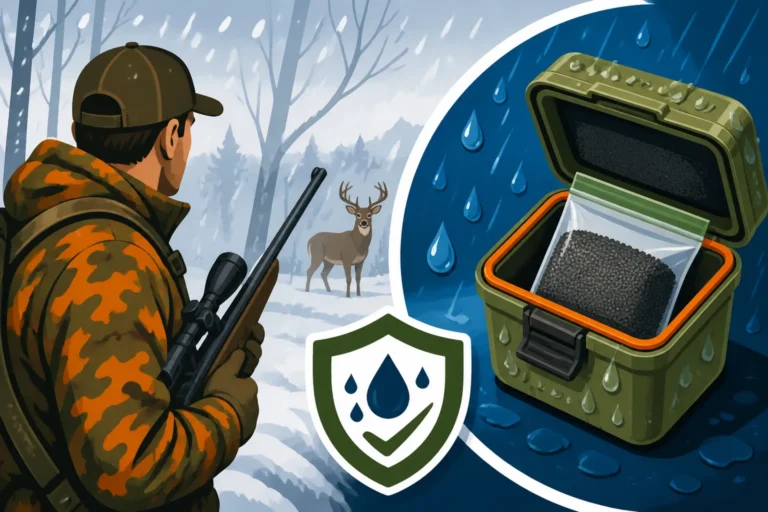
Weather resistance is equally vital. Many hard cases feature O-ring seals or watertight gaskets that create a protective barrier against moisture, dust, and grime. This is especially important for preserving the finish and internal components of your rifle, protecting it from North Carolina's often high humidity and sudden downpours. Imagine a rainy walk to your blind on a Hunting Coastal Plain Pocosin Swamps morning; a case that keeps your rifle bone dry is a game-changer. Even for soft cases used in vehicles, water-resistant fabrics can prevent a sudden shower from soaking your rifle on the way home from a successful hunt.
Interior Protection and Organization
A case is only as good as the protection it offers its contents. The interior of your rifle case is where the magic happens. Many hard cases come with layers of foam. "Pick-and-pluck" foam allows you to customize the fit for your specific rifle, creating a snug cradle that prevents movement. Even better, some cases offer custom-cut foam services where you send in your rifle's dimensions and get a perfectly tailored insert. This is crucial for maintaining the zero on your Rifle Scopes for Low-Light Mountain Coves and protecting other delicate components like slings and bipods.
Beyond foam, consider internal straps or compartments for organizing accessories. Space for extra magazines, a cleaning kit, optics, or even a small rangefinder can keep everything secure and prevent items from rattling around. For muzzleloaders, which often have longer barrels and require more accessories like powder and patches, a well-organized case can be a lifesaver. Ensuring your scope is properly padded and secured is especially important, as even a slight shift can throw off your accuracy when that trophy buck steps out.
Practical Tips for Stress-Free Rifle Transport
Even with the perfect rifle case, a little planning and common sense go a long way in ensuring a stress-free experience when traveling to hunt in North Carolina.
Documentation and Planning Ahead
Never leave home without proper documentation. This includes your North Carolina Hunting Licenses and What They Cost, any relevant permits, and proof of firearm ownership (such as a bill of sale, if available, or registration papers if required in your home state). While North Carolina generally doesn't require firearm registration, having serial numbers noted somewhere safe can be invaluable if your rifle is ever lost or stolen. It's also a good idea to know the specific hunting dates and rules for your target species; GoHunt is an excellent resource for scouting and understanding local regulations before you even pack a bag.
Beyond personal documents, do your homework on your travel route. If flying, review your airline's specific firearm and ammunition policies well in advance. If driving, briefly familiarize yourself with the firearm transport laws of any states you'll be passing through, even if FOPA offers protection. Having this information readily accessible can prevent delays and unnecessary stress. Thinking ahead about your destination, whether it's public land in Scouting North Carolina Public Land Before Season or a private lease you have Getting Private Land Permission in North Carolina, and knowing the rules there for firearm use will save you headaches.
Packing Ammunition Safely
Ammunition requires its own specific considerations for safe transport. For air travel, it must be in its original factory packaging or a sturdy container designed specifically for ammunition, like an MTM ammo box. It cannot be loose, in a magazine, or in a flimsy box. There are also weight restrictions for ammunition (typically 11 pounds gross weight per passenger for checked luggage, but always confirm with your airline). Ammunition should always be kept separate from the firearm itself when traveling by air, though it can be in the same locked hard-sided case.
For vehicle transport, while the rules are less rigid, it's still best practice to keep ammunition organized and separate from the firearm until you're ready to use it. Store it in a sturdy container to prevent accidental discharge and to protect the rounds from moisture or damage. Many hunters carry a separate small ammo box in their hunting pack for easy access once in the field, but for transport, keep it secured. This not only keeps you compliant with safety practices but also ensures your rounds are in optimal condition when it's time for that crucial shot.
Dealing with Unexpected Stops or Inspections
It's rare, but sometimes you might encounter an unexpected stop or inspection, whether it's at an airport, a vehicle checkpoint, or just a routine traffic stop. The most important thing is to remain calm, polite, and cooperative. If asked about firearms, calmly and clearly state that you are transporting an unloaded, cased firearm for hunting purposes. Have your documentation ready if requested. Do not attempt to retrieve your firearm from its case without explicit instruction from law enforcement.
The beauty of having a properly cased and secured rifle is that it often defuses potential concerns before they even arise. A clearly designated, locked rifle case typically signals responsible firearm ownership and intent. Knowing that you've followed all the federal and state guidelines, chosen the appropriate case for your travel method, and packed everything correctly will give you the confidence to navigate any situation smoothly. Focus on enjoying your Rifle Setups for North Carolina Deer Hunting and your time in the woods, not worrying about the journey there.
| Feature | Hard Case | Soft Case | Hybrid/Discreet Case |
|---|---|---|---|
| Primary Use | Air travel, long-distance vehicle transport, maximum protection | Local vehicle transport, range trips, light protection | Discretion, moderate protection for vehicle transport |
| Protection Level | Excellent (impact, crushing, water, dust) | Low to Moderate (scratches, minor bumps, light rain) | Moderate to Good (better than soft, not as robust as hard) |
| Security (Locking) | High (multiple padlock points, robust latches, TSA-compliant options) | Low (zippers usually lockable but easily compromised) | Varies (can be secured, but less visibly "locked" than hard cases) |
| Air Travel Suitability | Required (TSA compliant for firearms) | Not recommended/allowed for checked firearms | Not typically suitable unless it meets full hard case requirements |
| Vehicle Travel | Excellent (secure, durable, protects optics) | Good (convenient, lightweight) | Very Good (blends in, offers decent protection) |
| Weather Resistance | Excellent (often waterproof/dustproof with seals) | Minimal (some water-resistant fabrics, not sealed) | Varies (some offer good water resistance) |
| Weight/Bulk | High (can be heavy, takes up significant space) | Low (lightweight, easily stored) | Moderate (lighter than hard cases, more substantial than soft) |
| Cost | Higher investment | Lower investment | Moderate investment |
Disclaimer
This article is for general informational purposes only and does not constitute professional advice. Laws, prices and regulations vary by location and change over time. Consult a qualified professional for guidance on your specific situation.