Dove Hunting North Carolina Opening Weekend
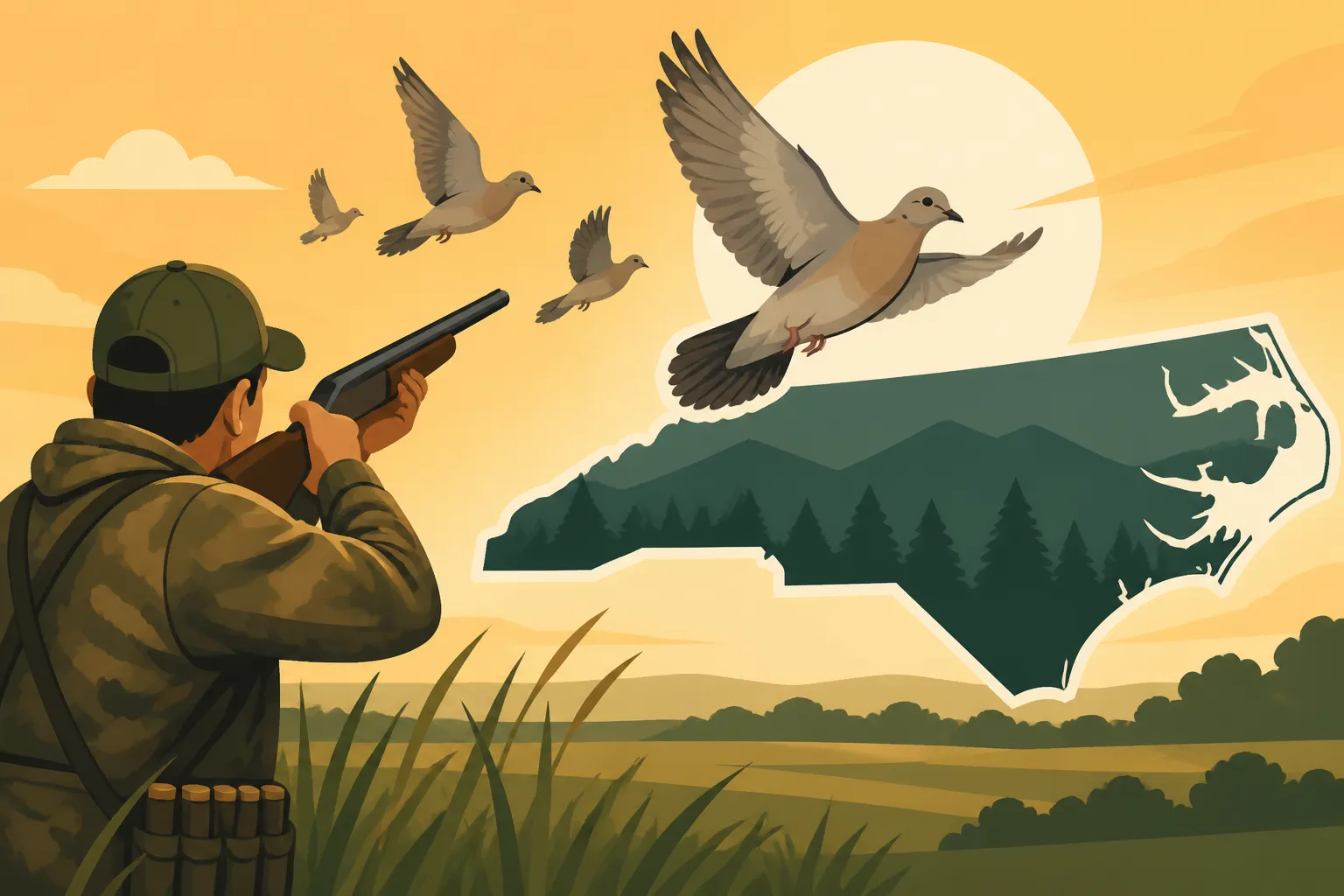
The anticipation leading up to North Carolina's dove hunting opener is a feeling most wingshooters know all too well. It’s a mix of excitement, hope, and a little bit of anxiety, especially when you think about the crowds and the sheer unpredictability of those fast-flying birds. That first Saturday of September can feel like a mad scramble, but with the right preparation and mindset, you can turn that chaos into a memorable, successful hunt. This comprehensive guide is here to help you navigate the complexities of dove hunting North Carolina's opening weekend, ensuring you're ready for whatever those fields throw your way.
Understanding North Carolina's Dove Season Structure
Before you even think about setting foot in a field, it's crucial to understand how North Carolina manages its dove season. It's not as simple as a single opening day and a continuous run; instead, the season is divided into several "splits," each with its own set of rules and nuances that can significantly impact your opening weekend strategy.
The Staggered Splits and Zone System
North Carolina’s dove season is typically broken into three distinct segments, or "splits," throughout the fall and early winter. The first split almost always kicks off on the first Saturday of September, making it the most anticipated and often the most crowded hunting day of the year for many wingshooters. While the opening day itself tends to be statewide, the subsequent splits and their exact dates can sometimes vary slightly by geographical zone within North Carolina. We have the Eastern, Central, and Western zones for various hunting seasons, and while doves are migratory birds, their management still considers these broad regions.
For opening weekend, the good news is that hunters across most of the state are generally starting at the same time. This creates a buzz, with countless managed public fields and private farmlands coming alive with activity. However, don't let the statewide opener lull you into complacency. It's always a smart move to double-check the North Carolina Wildlife Resources Commission (NCWRC) regulations each year, as dates can shift slightly due to calendar changes or biological considerations. The staggered nature of the splits means that after the initial flurry, birds can get pressured and move on, so making the most of that first weekend is paramount. Later splits, like the one in October or November, often see fewer hunters and different bird patterns, but opening weekend is truly its own beast.
Essential Licensing and Permits
Getting your licenses and permits in order is non-negotiable, and failing to do so can quickly turn a fun opening day into a costly headache. For dove hunting in North Carolina, you’ll need a few key pieces of paperwork. First and foremost, a valid North Carolina hunting license is required. This is your base credential, proving you've met the state's general hunting requirements. Beyond that, because doves are migratory game birds, you must possess a Migratory Bird Hunting Privilege, often referred to as your HIP (Harvest Information Program) certification. This isn't an actual paper permit you carry, but rather a certification that you've answered a few simple questions about your previous year's migratory bird hunting success (or lack thereof). It helps wildlife agencies gather crucial data for population management. You can often add this to your license purchase online or over the phone.
It's important to note that while the Federal Duck Stamp is required for hunting ducks and geese, it is not required for hunting doves. Don't get those confused! However, if you plan to hunt anything other than doves on the same outing, like deer during an overlapping season (which is unlikely on opening dove weekend), ensure you have all corresponding privileges, such as the North Carolina Big Game Privilege Requirements. The easiest way to ensure you're squared away is to purchase your license and privileges through the official NCWRC website or at a local tackle shop or Walmart. They can guide you through the process and ensure you have everything you need. Remember, wildlife enforcement officers are out in full force on opening weekend, so be prepared to present your credentials.
Scouting for Opening Weekend Success
You can have the fanciest shotgun and the best decoys money can buy, but if you're not in a field where doves want to be, you might as well be shooting at clouds. Successful dove hunting, especially on opening weekend, is almost entirely about location, location, location. This means putting in the legwork before the season even starts.
Identifying Prime Dove Habitat
Doves are creatures of habit, always looking for three things: food, water, and grit for digestion, often close to suitable roosting cover. Your scouting efforts should revolve around finding these critical elements. Doves primarily feed on small seeds, which is why agricultural fields are such magnets. Think about cut grain fields — especially wheat, millet, sunflowers, and corn. They love to pick up spilled grains after a harvest. Fields specifically planted for doves, often found on NCWRC game lands or private hunting clubs, are usually sown with sunflower, browntop millet, or dove proso millet. Even fields with abundant natural weed seeds, like ragweed or pokeberry, can be fantastic.
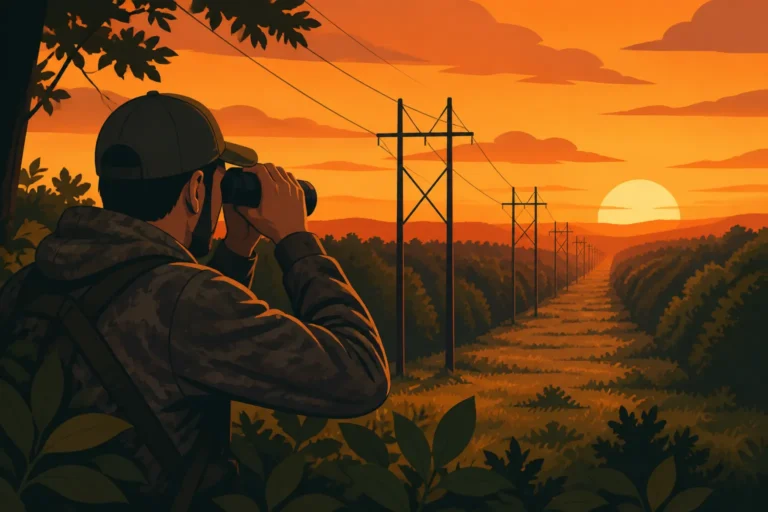
Beyond the dinner plate, doves need water daily. Look for ponds, creeks, drainage ditches, or even temporary puddles in field depressions. They prefer bare edges where they can land easily and quickly drink without fear of ambush. Finally, don't forget grit. Doves don't have teeth; they use small stones and grit in their gizzards to grind food. Sandy spots, gravel roads, or bare patches of ground near feeding areas will attract them. As for roosting, tall trees (often dead snags or pines with open branches) and power lines bordering fields are common spots. Observe flight paths between these elements and the feeding fields – these are your "X" factors. Without understanding these patterns, you’re just guessing.
Pre-Season Reconnaissance and Permissions
Scouting isn't just about knowing what to look for; it's about actively looking for it. A few weeks before opening day, start driving country roads, especially in areas known for agriculture or near public game lands. Bring a good pair of binoculars and spend some time glassing fields in the early morning or late afternoon. Look for actual doves. Are they flying into a particular field? Are they watering at a specific pond? Pay attention to how they enter and exit the field. Are there power lines nearby where they perch? This kind of Scouting North Carolina Public Land Before Season is invaluable.
If you’re targeting private land, this pre-season scouting is also your opportunity to secure permission. A friendly knock on a farmer’s door, asking permission well in advance of the season, can open up prime hunting opportunities. Most farmers are happy to allow responsible hunters on their land, especially if doves are raiding their crops. Make sure you understand North Carolina Posted Land Rules and always secure permission, preferably in writing, to avoid any misunderstandings. Tools like GoHunt or the NC Wildlife mobile app can be incredibly helpful during this phase. They offer detailed aerial maps and property lines, allowing you to identify potential fields and ownership, making it easier to pinpoint landowners to ask. Even on public land, these apps can show you the boundaries of managed dove fields and access points.
Field Selection and Setup Strategies
Once you’ve done your scouting, the next critical step is selecting the best field and setting up your position within it. This decision can be the difference between a limit of birds and an empty vest.
Public vs. Private Land Fields
North Carolina offers both public and private land opportunities for dove hunting, each with its own set of advantages and challenges. Public game lands managed by the NCWRC often have dedicated dove fields that are planted and maintained specifically for hunting. These fields are a fantastic resource, especially for hunters without private land access. They're usually well-marked, and the habitat is typically ideal. However, the downside is competition. Opening Weekend Crowds on North Carolina Public Land can be intense, with many hunters vying for the best spots. Some managed fields may even require an advanced permit or a lottery draw for opening day, so always check the specific regulations for the area you plan to hunt. If you choose a public field, arrive early to secure a good spot, and be prepared to share the field respectfully with other hunters.
Private land, on the other hand, offers the potential for less pressure and often more consistent hunting. If you’ve managed to secure permission from a landowner through Knocking on Doors in Piedmont Farm Country, you might have an entire field to yourself or share it with just a few trusted friends. These fields could be working farms with recently harvested crops, or smaller, unmanaged plots with natural weed growth. The key here is the relationship with the landowner and ensuring you respect their property and rules. Private fields give you more control over your setup and can often provide a more relaxed and enjoyable hunting experience, especially as the birds get wary on public land.
Optimizing Your Stand Location
Once you’ve picked your field, the next crucial decision is where to actually set up. Doves are creatures of routine, and on opening weekend, they’ll often be following predictable flight lines between their feeding grounds, watering holes, and roosting areas. Your goal is to intercept these flight paths. Spend some time observing the field on opening morning before the shooting starts, if possible. Watch for where birds are entering, where they’re concentrating, and how they’re flying. Are they hugging a tree line? Cutting across the middle? Using a specific corner?
Concealment is also key. Doves have excellent eyesight, and they’re incredibly wary, especially after the first few shots ring out. Look for natural cover like a brush pile, a fencerow, tall weeds, or the edge of a standing crop. You want to break up your silhouette. If natural cover is sparse, a simple hunting stool and some camouflage netting can work wonders. Some hunters even use pop-up ground blinds, but these need to be well-brushed in to look natural. When considering your spot, also think about the sun’s position. You want the sun at your back, if possible, to keep it out of your eyes and to silhouette incoming birds for easier identification and shooting. Lastly, be mindful of safe shooting lanes and make sure you have a clear field of fire without endangering other hunters or non-targets. Setting Up a Dove Field Before Opening Day is more than just picking a spot; it's about thinking like a dove and anticipating their movements.
Decoy Spreads and Calling Tactics
Effective dove hunting isn't just about finding birds and shooting straight; it's also about actively drawing them in closer. Decoys and calling can be incredibly effective tools, especially on opening weekend when birds are still relatively unpressured.
The Power of Decoys
Doves are social birds, and they are naturally attracted to other doves. This instinct makes decoys an absolute game-changer, especially for drawing birds closer for a better shot. There are several types of dove decoys, and a combination often works best. Stationary clip-on decoys, usually mounted on fences, branches, or even stakes in the field, mimic resting or feeding birds. They add realism to your spread. A good starting point is 6-12 of these, placed where you want birds to land.
However, the real "mojo" (pun intended) often comes from motion decoys, specifically spinning wing decoys like the Mojo Dove. These battery-operated decoys simulate a dove landing or taking off, and their rotating wings catch the light, drawing attention from a distance. A single spinning wing decoy can drastically increase your success rate, especially when paired with a few static decoys. Place your spinning wing decoy elevated slightly, perhaps on a pole, near your target landing zone. Arrange your stationary decoys in a loose "U" or "V" shape downwind of the spinner, leaving an open landing strip where you want the birds to come in. The idea is to create a realistic-looking flock that signals safety and an easy landing. Make sure your decoys are visible and strategically placed to intercept those flight paths you observed during scouting.
Effective Calling Techniques
While not as critical as calling for turkeys or ducks, a dove call can certainly add another layer to your strategy, particularly on opening weekend when birds might be a bit more curious. The primary sound you’ll be mimicking is the mournful "coo" of a dove. There are various styles of calls available, from simple push-button models to more advanced open-reed calls.
A dove call is generally used for two main purposes: to locate birds or to bring a hesitant bird closer. If you’re scouting or trying to pinpoint a flock in a distant field, a loud, clear coo can sometimes elicit a response, telling you birds are in the area. During the hunt, if you see a single dove or a small flock flying high or veering away, a series of soft, plaintive coos can sometimes grab their attention and convince them to swing by your setup. Don't overdo it; doves aren’t usually as responsive to aggressive calling as other species. A few realistic coos are usually enough. Listen to actual doves in the field to get a feel for their cadence and volume. The goal isn't to blast them with sound, but to gently suggest that there's a friendly flock below. Integrating a call, especially when doves are flying sparsely, can be just enough to tip the scales in your favor.
Essential Gear and Shotgunning Skills
Having the right equipment and knowing how to use it safely and effectively are paramount for a successful and enjoyable dove hunt on opening weekend.
Shotguns, Chokes, and Ammunition
For dove hunting, speed and scatter are your friends. Most hunters opt for 12-gauge or 20-gauge shotguns, though 28-gauge can also be effective with the right shot. A semi-automatic or over/under shotgun is popular due to quick follow-up shots, but a pump-action is perfectly capable. When it comes to chokes, you want something that offers a decent spread without being too wide. An Improved Cylinder or Modified choke is generally ideal for doves, as they typically offer the best balance for the ranges at which doves are shot – often 20 to 40 yards. A Full choke might be too tight, leading to missed opportunities, while a Cylinder choke might be too open for anything but very close shots.
Ammunition choice is equally important. You’ll want smaller shot sizes like 7.5 or 8. These smaller pellets create a denser pattern, increasing your chances of hitting a fast-moving target. Lead shot is perfectly legal for dove hunting in North Carolina. Always use a quality brand of shotgun shells; consistency in patterns and velocity is key. On opening weekend, you'll be shooting a lot, so consider buying a flat (10 boxes) of shells. It’s better to have too many than to run out. Remember, proper gun handling and safety should always be your top priority. Keep the muzzle pointed in a safe direction, keep your finger off the trigger until you’re ready to shoot, and always be sure of your target and what’s beyond it. Check out more details on Shotguns for North Carolina Grouse and Dove for broader upland bird shooting considerations.
Field Essentials and Safety Considerations
Beyond your shotgun and shells, a few key items will make your dove hunt much more comfortable and successful. A comfortable hunting stool or a five-gallon bucket (which doubles as shell storage) is essential for those long waits. A good shell bag or vest with plenty of pockets will keep your ammunition easily accessible and your spent hulls contained. Since North Carolina in early September is often hot and humid, hydration is crucial. Bring plenty of water. Sun protection – a wide-brimmed hat, sunscreen, and sunglasses – is also vital.
Safety cannot be overstated. Eye protection (shooting glasses) and hearing protection (earplugs or electronic ear muffs) are absolutely mandatory. Not only do they protect you from loud gunshots, but eye protection also guards against stray pellets or debris. While not explicitly required for doves, if you're on public land where other hunting might be occurring or just as a general safety practice, wearing some blaze orange can make you more visible to other hunters. Always announce your presence if other hunters approach your area. Another critical aspect is promptly retrieving downed birds. Not only is it ethical, but it prevents unnecessary waste and keeps the field cleaner. A good bird dog can be an invaluable asset here. Consider a small cooler with ice for your harvested doves, especially on warm days, to ensure the meat stays fresh. Dove Stools and Field Gear are more than just comforts; they are integral to a safe and enjoyable hunt.
Opening Weekend Etiquette and Challenges
Dove hunting on opening weekend is often a social affair, but with many people converging on the same fields, understanding and practicing proper etiquette is crucial. You'll also need to be prepared for the unique challenges that this early season hunt presents.
Managing Crowds and Hunter Etiquette
On public land, especially the well-known managed dove fields, opening weekend will likely be crowded. It’s part of the experience, but it also means hunters need to be extra mindful of each other. Arriving early to secure a good spot is a common tactic, but once you’re set up, respect other hunters' space. Establish clear shooting lanes to avoid accidental crossfire. A good rule of thumb is to avoid setting up within easy shotgun range of another hunter – give each other at least 50-75 yards if possible, and ideally more.
Communication is key. If someone sets up too close, politely explain your concerns. If a bird is downed near another hunter's position, make eye contact and signal before going to retrieve it. Nothing ruins a hunt faster than perceived disrespect or, worse, an unsafe situation. On private land, these issues are usually less pronounced, but if you’re hunting with friends, ensure everyone is aware of safe zones and shooting directions. Remember that you are an ambassador for hunters, and your actions reflect on all of us. Good manners and responsible behavior go a long way in ensuring a positive experience for everyone afield.
Dealing with Pressure and Weather
Doves are quick learners. After a day or two of heavy hunting pressure, they will change their patterns, fly higher, and become much warier. What worked on Saturday morning might not work on Sunday afternoon, or even later on Saturday if a field sees heavy shooting. Be prepared to adapt. This might mean adjusting your decoy spread, moving your stand location, or even switching to a different field if the birds have completely abandoned your original spot. Hunting Pressure on North Carolina Public Land is a very real factor. Sometimes, a field that was hot at sunrise can be dead by midday, only to pick back up as birds return for an evening feed.
North Carolina in early September typically means heat and humidity. This presents its own set of challenges. Stay hydrated throughout the day; dehydration can sneak up on you and quickly ruin a hunt. Dress in light, breathable clothing, preferably in camouflage or drab colors. Another critical consideration is meat care. Doves are small birds, and their meat can spoil quickly in warm temperatures. As soon as you retrieve a bird, put it on ice in a cooler. Many hunters field dress their birds (remove guts and sometimes breast out) immediately to cool them down faster. Having Game Bags for Warm September Days can also help keep your birds cool and clean on the way out of the field. Watch the weather forecast closely, not just for temperature but also for pop-up thunderstorms, which are common in the late summer. Seek shelter immediately if lightning is present.
| Feature | Public Game Lands (Managed Dove Fields) | Private Land (Permission Required) |
|---|---|---|
| Access | Open to anyone with required licenses and permits. | Requires explicit permission from landowner. |
| Crowd Levels | Often very crowded, especially on opening weekend. | Generally less crowded, can be exclusive to your group. |
| Field Management | Typically planted and maintained for optimal dove hunting. | Varies widely; can be working farms or unmanaged plots. |
| Cost | License fees only. | Potentially free with permission, or paid if leasing. |
| Flexibility | Limited in stand location due to other hunters. | More freedom to move and adapt strategy. |
| Pressure | Birds become pressured quickly due to high hunting volume. | Birds may be less pressured, depending on local activity. |
| Scouting | NCWRC often provides maps; still beneficial to scout in person. | Requires direct communication and scouting with landowner. |
| Etiquette | Crucial for safety and harmony due to proximity to other hunters. | Still important, but typically less complex with fewer people. |
Disclaimer
Hunting carries inherent risks, including injury and death. This guide is for informational purposes only and does not supersede local, state, or federal hunting regulations. Always consult the current North Carolina Wildlife Resources Commission regulations before hunting. Proper training, safety gear, and adherence to all laws are essential. The author and publisher assume no liability for accidents or injuries sustained while hunting.