Blue Ridge Escarpment Public Access
If you've ever gazed at the majestic Blue Ridge Mountains and dreamed of hunting its wild slopes, you know the allure. But the reality of public access on the Blue Ridge Escarpment in North Carolina can be a true head-scratcher. It’s a breathtaking landscape where the mountains fall sharply to the Piedmont, creating incredibly rugged terrain that tests even the most seasoned hunters. Finding where you can legally park, understanding the maze of public land, and simply navigating the sheer verticality can feel overwhelming. This guide is here to help you unravel the complexities of accessing and hunting this challenging, yet incredibly rewarding, region.
Navigating the Blue Ridge Escarpment's Public Hunting Access
The Blue Ridge Escarpment is a hunter's paradise and a puzzle all at once. It’s where the high peaks of the Blue Ridge Mountains abruptly drop off into the lower Piedmont, creating a dramatic landscape of steep slopes, deep ravines, and breathtaking views. However, this rugged beauty also presents significant challenges for hunters looking to access public land and pursue game. This guide will walk you through what to expect, how to find those elusive public access points, and the strategies you'll need to successfully hunt this unique North Carolina terrain.
Understanding the Blue Ridge Escarpment's Unique Landscape
This isn't your typical flatland hunting, not by a long shot. The Escarpment is defined by its dramatic elevation changes, often dropping thousands of feet in a relatively short distance. Imagine hiking for miles only to find yourself still on the side of a mountain, looking down into a chasm that feels like another world. This creates a fascinating mix of ecosystems, from high-elevation hardwood forests teeming with mast crops to lower-elevation mixed pines and dense rhododendron thickets that can swallow a hunter whole. For those of us who hunt here, it means varied cover, diverse food sources, and predictable (if you know how to read them) game travel corridors. It's a place where every ridge, every hollow, and every saddle can tell a story if you know how to listen and have the stamina to reach them.
The sheer steepness can be a shock if you're used to the gentler slopes of the Piedmont or the flat swamps of the Coastal Plain. What looks like a short distance on a map can easily be an hour-long, lung-busting climb, especially when you're loaded down with gear. This intense terrain naturally funnels deer, bears, and turkeys, but it also dictates your movement. You'll quickly learn that choosing your access point wisely isn't just about convenience or avoiding other hunters; it's about physical survival and ensuring you have enough energy left to actually hunt once you reach your spot. It's a truly wild corner of North Carolina that rewards meticulous preparation, physical fitness, and an ample dose of grit.
You'll find countless draws and finger ridges that spill down off the main escarpment. These geological features often create natural travel lanes for wildlife moving between bedding and feeding areas, offering prime ambush points. However, they can also hide dense pockets of mountain laurel and rhododendron that are nearly impenetrable, serving as secure bedding cover for wary game. Understanding these micro-features, often only visible on detailed topographical maps, is key to finding where game beds, feeds, and travels between the two. Expect significant differences in vegetation and game sign from one side of a ridge to the other, depending on sun exposure, moisture, and prevailing winds.
What Public Lands Offer Access to the Escarpment
Much of the prime hunting ground along the Blue Ridge Escarpment falls within the vast boundaries of the Pisgah National Forest and, to a lesser extent, portions of the Nantahala National Forest further west. These expansive tracts of federal land are managed for multiple uses, including hunting, and provide incredible opportunities for those willing to put in the effort. However, "public land" doesn't always mean easy access. Many areas are designated wilderness or roadless, requiring significant foot travel and a commitment to deep-woods hunting. Just getting to a good spot in Pisgah National Forest Hunting can be an all-day affair.
Within these National Forests, you'll also find smaller state-managed Game Lands, which often have specific rules or access points. It's crucial to understand which agency manages the specific piece of land you're looking at, as regulations can vary significantly. For instance, some Game Lands might have sign-in requirements or special permit hunts, while general National Forest land might be more open, albeit with its own set of federal regulations. Always double-check the local rules for the specific area you plan to hunt through the NC Wildlife Resources Commission website. North Carolina Game Lands are a fantastic resource, but their rules can sometimes differ from general National Forest rules, so don't assume.
Beyond the national forests, there are sometimes smaller, regional or county-managed tracts that offer access, but these are generally few and far between on the steep escarpment itself. More often, these are found at the base of the escarpment where the terrain begins to flatten out and population centers begin to appear. Always look for official signage and consult your maps to confirm land ownership before venturing out. The mosaic of public and private land, especially near the transition zones, can be incredibly confusing, making reliable mapping tools absolutely essential for staying legal and safe. Hunting the North Carolina Mountains demands this vigilance.
Finding and Utilizing Access Points in Rugged Terrain
One of the biggest frustrations for hunters on the Escarpment is simply getting into the hunting ground. Unlike the Piedmont, where field edges and old logging roads might abound, access here can be severely limited. Paved roads quickly give way to gravel, which then often dead-ends or turns into gated forest service roads. Learning to identify legal parking, legitimate trailheads, and walk-in access is a skill in itself, one that often requires more reconnaissance than the actual hunt.
Identifying Legal Parking and Trailheads
Many access points into the Escarpment's public lands are marked trailheads, often associated with popular hiking trails. While these are excellent starting points for getting into the woods, they also tend to be where the most human traffic occurs. Don't be surprised to share these initial stretches with hikers, dog walkers, and sightseers, especially on weekends and during pleasant weather. To find more secluded hunting, you'll often need to hike a significant distance away from these main arteries. Look for less obvious pull-offs or small, unmarked parking areas along lesser-used forest service roads that might offer a more direct route into deeper timber. Always park completely off the main road and ensure you're not blocking any gates, private driveways, or active logging operations.
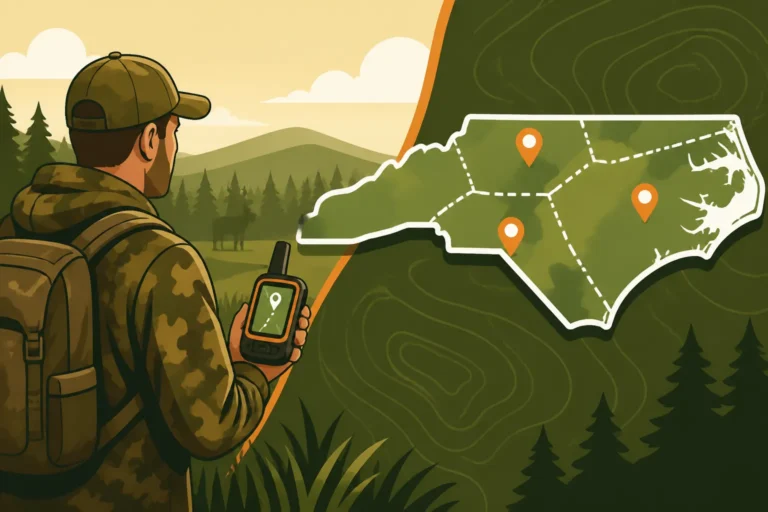
Sometimes, the best access isn't a marked trailhead at all, but rather an old, unmaintained logging road, an abandoned homestead clearing, or even a powerline cut that edges up against public land. These can be golden tickets to remote areas with significantly less hunting pressure, but they require careful scouting on detailed maps to ensure they are indeed public access and not encroaching on private property. A top-tier digital mapping tool like onX Hunt is invaluable here, showing property boundaries, public land ownership, and even gated roads that might otherwise be overlooked. Don't underestimate the benefit of a pre-season drive to visually confirm what your maps are telling you; satellite imagery isn't always current, and things change.
Remember that forest service roads can be seasonal, with gates closing certain sections during winter or wet periods to prevent damage. This can actually be a boon for hunters, as it creates vast roadless areas that see significantly less pressure, provided you're willing to walk the extra miles. These extended walks provide a natural filter, pushing out those unwilling to put in the effort. Always check with the local National Forest ranger district or the NC Wildlife Resources Commission for current road conditions and closures before planning a trip deep into the backcountry, as a blocked road can quickly derail your plans or add unexpected miles.
Leveraging Digital Mapping Tools and Topography
Gone are the days when a paper map and compass were your only friends in the woods. While those are still vital backup tools, digital mapping applications have revolutionized how we access and navigate public land, especially on complex terrain like the Escarpment. Apps like onX Hunt provide incredibly detailed property lines, high-resolution topographical maps, current satellite imagery, and even layers showing wilderness areas or specific game land boundaries, making it nearly impossible to accidentally trespass or get hopelessly lost. This level of detail is absolutely critical when you're dealing with the often-confusing patchwork of public and private land that often exists along the base of the Escarpment, where property lines can be arbitrary and hard to discern on the ground.
Understanding the topography displayed on these digital maps is your secret weapon for success. Look for saddles between ridges, natural benches on steep slopes, and the confluence of drainages – these are all key features that funnel animal movement and provide logical travel routes. Pay close attention to how elevation lines are spaced; tightly packed lines mean a steep, grueling climb, while wider spacing indicates a more gradual slope, which might be a better approach for your hunting strategy or a more likely game trail. Knowing how to interpret these lines can save you hours of wasted effort and conserve precious energy. Reading a Ridge for Mountain Zone Deer is a skill honed by spending countless hours with a topo map, both digitally and on paper.
Even with the best digital tools, always carry a physical map and a compass, and know how to use them proficiently. Batteries die, phones get dropped, and cellular signals disappear in the deep hollows and dense canopy of the Escarpment. Before you even set foot on the mountain, spend hours studying your maps, identifying primary and secondary access routes, potential escape routes, and key terrain features. Mark waypoints for your vehicle, potential water sources, and likely bedding areas. This meticulous planning is the foundational first step for a safe and successful hunt in this demanding landscape. Companies like GoHunt, while often focused on western states, also advocate for this kind of detailed digital preparation for any challenging hunt.
Effective Hunting Strategies for Escarpment Success
Hunting the Blue Ridge Escarpment isn't just about finding the land; it's about learning how to hunt it effectively. The steep terrain, dense cover, and often sparse game populations can test the patience and skills of even the most seasoned hunters. It's a game of persistence, smart movement, and keen observation. But for those who adapt to the mountains and embrace its challenges, incredible rewards await.
Scouting for Remote Deer and Bear Sign
Pre-season scouting on the Escarpment is less about cruising fields from your truck and more about pounding boots and climbing hills. You need to get out there and explore. Look for old logging roads, faint game trails running along contour lines, and benches on steep slopes where deer and bear might travel or bed. Focus on elevation changes; animals often use benches or the upper third of a ridge for bedding, seeking thermals to carry their scent away from potential predators below. Fresh scat, rubs, and tracks along these features are your primary clues that animals are in the area. You'll often find Scrape Lines Along a Logging Road or hidden benches, indicating regular use.
Don't overlook the importance of water sources. While water can seem plentiful in many areas, specific springs, seeps, or creek bottoms can act as magnets for wildlife, especially during drier periods or late in the season. Look for crossings, muddy tracks, and active feeding areas near these water sources. Also, identify natural food sources like acorns (oaks on higher slopes), wild grapes, and berry patches. Bear sign, like claw marks on trees or torn-up logs where they've dug for insects, will be evident around these food sources. The density of cover can make finding sign difficult, so be thorough and methodical in your searches, often moving slowly and scanning the forest floor.
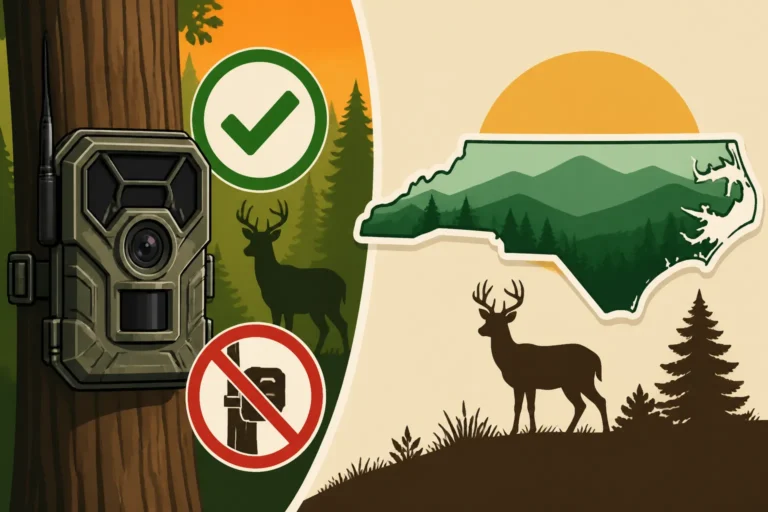
Consider setting up trail cameras in key funnels or along established game trails, especially if you're able to hike deep enough to place them without drawing attention from other hunters. Just be mindful of Trail Camera Rules on North Carolina Public Land, as regulations vary by specific management area. They can help you identify travel patterns, confirm species presence, and even estimate deer or bear populations in a given area. Remember, the deeper you go, the less human pressure you'll likely encounter, but also the further you'll have to drag out any game you harvest. This trade-off between effort and potential reward is a constant consideration in Escarpment hunting.
Utilizing Wind, Thermals, and Cover
On the Escarpment, understanding wind and thermals isn't just a good idea; it's non-negotiable for consistent success. As the sun rises, warm air pushes up the slopes (updrafts), and as it sets, cool air flows down into the hollows (downdrafts). Game animals use these air currents to their advantage, often bedding high to catch rising scents during the day and moving down into bottoms in the evenings when thermals are falling. Wind and Thermals on a Blue Ridge Slope are incredibly complex and localized, often swirling unpredictably in the deep hollows and steep ravines, making scent control an ongoing challenge.
Your approach path and stand placement must meticulously account for these thermals. You'll often need to arrive at your stand well before daylight to get into position while the thermals are still falling, or set up on a cross-slope where swirling winds are less likely to carry your scent directly to bedded animals. Dense rhododendron thickets and mountain laurel provide excellent cover for game and hunters alike. Use these natural barriers to break up your silhouette, conceal your movement, and approach unnoticed. You'll spend a lot of time "bushwhacking" through this stuff, so be prepared for noise and exertion.
The dense cover also means shot distances are generally much shorter than in open country, rarely exceeding 75-100 yards, and often being much closer. Be prepared for close encounters and quick, decisive shots. Practicing shooting from awkward positions, like kneeling or sitting on a steep slope, will pay dividends. This type of hunting often involves more still-hunting or slow-stalking than static stand sitting, constantly reading the terrain, listening for subtle sounds, and looking for subtle movements in the thick undergrowth. It’s physically demanding but incredibly rewarding when you connect with an animal in its natural, wild habitat, earned through sheer effort.
Essential Gear and Safety for Escarpment Hunters
Hunting the Blue Ridge Escarpment is a serious endeavor that requires serious preparation. The ruggedness of the terrain, combined with unpredictable weather and the sheer remoteness of many areas, demands specific gear choices and a strong, unwavering focus on safety. Taking shortcuts here can lead to dangerous situations.
Packing for Mountain Conditions: Footwear, Layers, and Navigation
Your boots are arguably your most important piece of gear when hunting the Escarpment. You need sturdy, waterproof boots with excellent ankle support and aggressive tread to tackle slick leaves, loose rocks, and endless steep climbs. Whether you choose leather, synthetics, or a hybrid, ensure they are well broken-in before your hunt to avoid debilitating blisters. Boots for North Carolina Swamps and Ridges might seem like an odd pairing, but the Escarpment can have surprisingly wet areas alongside its rocky, dry slopes, so waterproof is key. Investing in high-quality boots will save you from blisters, twisted ankles, and miserable, wet feet, making or breaking your hunt.
Layering is absolutely critical for managing your body temperature in the mountains. Days can start freezing cold in the predawn hours and warm up significantly by midday, or a sudden rain shower can drop temperatures rapidly. Start with a moisture-wicking base layer to pull sweat away from your skin, add an insulating mid-layer (fleece, down, or synthetic fill), and top it with a waterproof and windproof outer shell. Wool or high-quality synthetics are vastly preferred over cotton, which retains moisture and can chill you quickly. Don't forget a warm hat and gloves, even on milder days, as heat escapes quickly from your head and hands. Consulting a guide on Clothing for a North Carolina Late Season can be invaluable, as many principles apply here.
Beyond clothing, a reliable backpack is essential. It should be comfortable for long hikes and large enough to carry all your essentials: plenty of water, high-energy food, a comprehensive first-aid kit, game bags, a sharp knife, rope, a headlamp with extra batteries, and your extra layered clothing. Always carry multiple forms of navigation – your primary digital map app on a fully charged phone with a power bank, and a physical map and compass as backup. A personal locator beacon (PLB) or satellite messenger like a Garmin inReach is also highly recommended, as cell service is often non-existent in these truly remote areas, and a simple sprain can become a life-threatening situation.
Prioritizing Safety in Remote and Rugged Conditions
The remoteness and difficulty of the Escarpment terrain mean that safety must always be your absolute top priority. Never, ever head into these woods without letting someone know exactly where you are going, your planned route, and when you expect to return. This "float plan" is crucial in case of an emergency, allowing rescuers to narrow down a search area. While hunting alone is common, it significantly magnifies the risks; consider a hunting buddy for these particularly challenging areas, especially if you're new to them.
Be acutely aware of your physical limitations. Don't push yourself beyond what you're capable of, especially when carrying a heavy pack or, even more so, an animal. Fatigue can lead to mistakes, falls, or poor judgment. Carry enough water and high-energy snacks to fuel your body throughout the day, and don't skip meals. Dehydration and bonking (hitting the wall) are real risks on long, steep climbs, leading to impaired decision-making and physical collapse. If you start to feel genuinely exhausted, it's better to rest or call it a day than risk an injury miles from help.
Finally, proper weapon handling and ethical shot placement are paramount. In dense cover, identifying your target clearly and ensuring a safe backdrop for your shot is even more critical than in open country. If you harvest an animal, have a concrete plan for recovery, especially if it’s a bear or a large deer deep in a hollow. Tracking a Deer Through North Carolina Leaf Litter is a skill you might rely on heavily here, often requiring patience and careful observation. Field dressing and breaking down an animal for easier transport (the "gutless method") might be necessary if you're miles from your vehicle and facing a grueling pack-out. Remember, the hunt doesn't end until the meat is safely out of the woods and properly cared for.
Disclaimer
This article is for general informational purposes only and does not constitute professional advice. Laws, prices and regulations vary by location and change over time. Consult a qualified professional for guidance on your specific situation.