Best Public Ground for Coastal Waterfowl
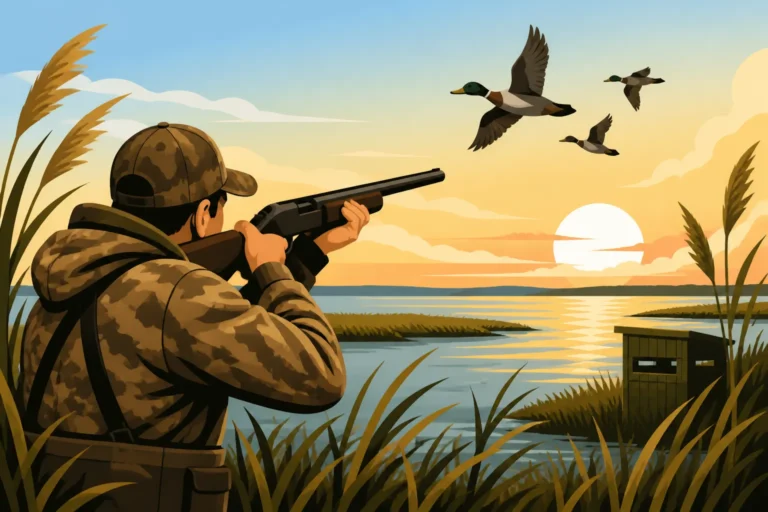
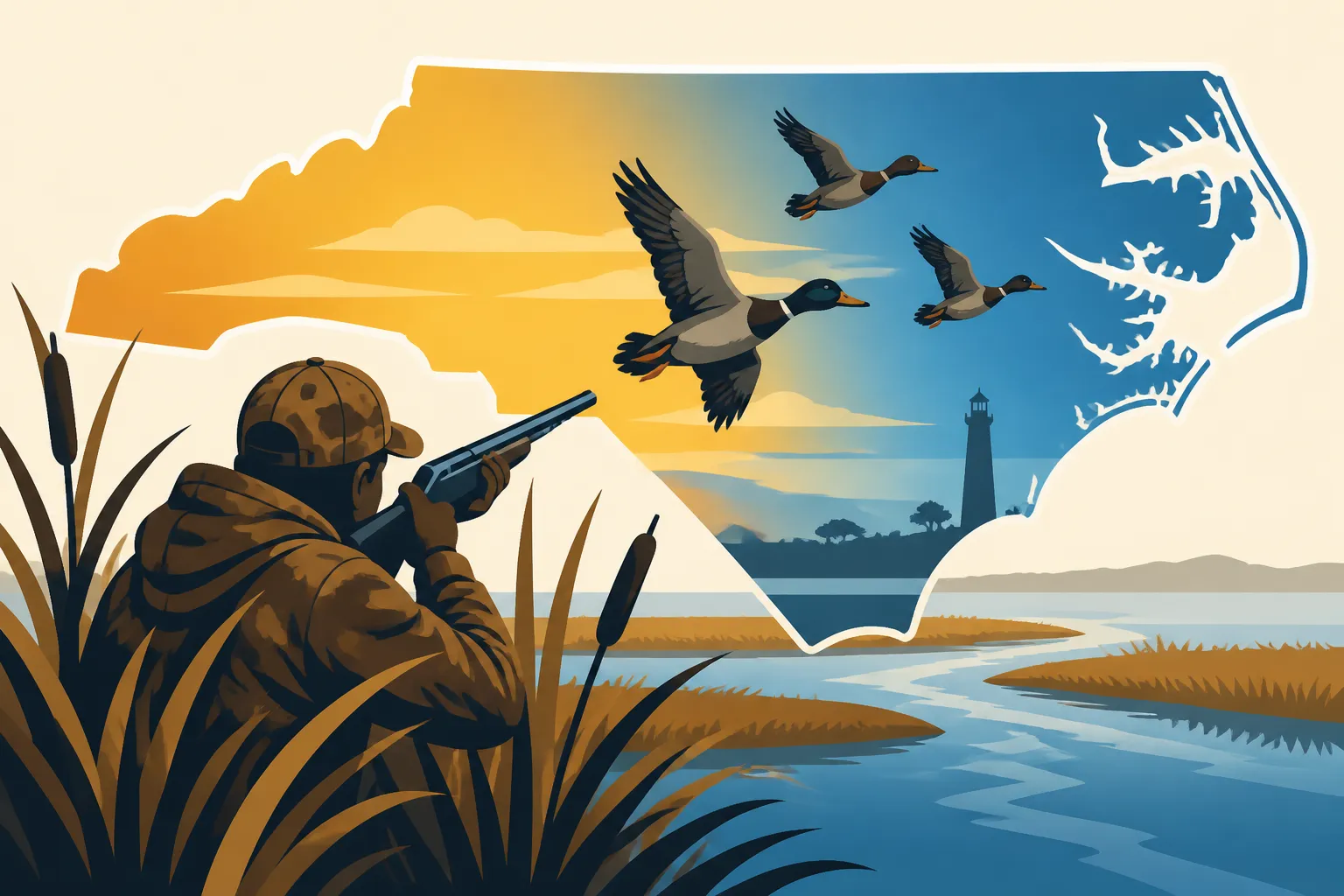
For those of us who live and breathe North Carolina hunting, the lure of the coast when duck season rolls around is undeniable. But let's be honest, finding quality public ground for waterfowl can feel like trying to find a needle in a haystack, especially with sprawling sounds, complex marsh systems, and ever-changing tides. It’s a completely different ballgame than hunting deer in the mountains or Piedmont. This guide will cut through the confusion, helping you identify and understand some of the absolute best public hunting areas along North Carolina's coast for ducks and geese, and how to successfully navigate them.
The Unique Challenge of Coastal Waterfowl Hunting in North Carolina
Hunting waterfowl along the North Carolina coast is a world apart from timber hunting a green tree reservoir or setting up on a small farm pond further inland. Here, you're often battling vast open water, salt marsh, brackish impoundments, and the sheer power of the Atlantic's influence. It's a truly wild experience, but it also comes with its own set of frustrations, from deciphering tide charts to finding navigable access points in seemingly endless wetlands. The sheer scale of it can be intimidating if you're not familiar with the lay of the land, and knowing where to start is half the battle.
Diverse Habitats Attract Diverse Birds
North Carolina's coastal region boasts an incredibly diverse array of habitats, which in turn draws a wide variety of waterfowl species. You'll find everything from broad, shallow sounds to intricate tidal creeks, dense pocosin swamps on the mainland, and managed impoundments. Each of these environments appeals to different birds, and understanding these preferences is key to choosing the right public ground.
For instance, the vast open waters of places like Currituck Sound are famous for drawing in diving ducks – species like canvasbacks, redheads, scaup, and buffleheads, which feed on submerged aquatic vegetation or small invertebrates. They need deep, open water to land and take off. In contrast, the shallower, often brackish marshes and impoundments might hold more dabbling ducks such as mallards, gadwalls, wigeon, and pintails, which tip up to feed on seeds and plant matter. Wood ducks, ever the timber ghosts, prefer the flooded timber and cypress swamps further inland along coastal rivers and creeks. And don't forget the Canada geese, which often frequent agricultural fields adjacent to larger bodies of water or the wide expanses of the sounds themselves. Knowing what kind of birds you’re targeting will help you narrow down your search for suitable public hunting ground.
Navigating Tides and Weather
One of the biggest factors that can make or break a coastal waterfowl hunt is the tide, especially in areas with direct connections to the ocean or extensive tidal marshes. Low tide can expose vast mudflats, leaving your boat stranded or ducks feeding far out of range. High tide can flood marsh edges, creating new opportunities or making blind placement challenging. You really need to understand the local tidal patterns, which can vary significantly even within a few miles.
Beyond tides, coastal weather is notoriously fickle. A calm, clear morning can quickly turn into a windy, choppy nightmare. Heavy winds can make decoy spreads dance uncontrollably, push birds into sheltered coves, and make boat travel dangerous. Being prepared for rapidly changing conditions, including strong winds, rain, and even unexpected fog, is paramount. This means having reliable rain gear, extra layers, and a boat that can handle rough water if you're venturing out into the sounds. Always check marine forecasts, not just general weather reports, before you head out.
Premier Public Hunting Areas for Coastal Waterfowl
North Carolina is blessed with numerous public hunting opportunities along its coast, from expansive Game Lands to federally managed National Wildlife Refuges. While access and regulations can differ greatly, these areas consistently offer some of the best waterfowl hunting experiences available. It just takes a little homework and grit to get into them.
Game Lands Along the Coast
North Carolina's Game Lands system includes several tracts specifically managed for waterfowl in the coastal region. These areas are often a mix of natural marshes, impoundments, and adjacent uplands. While some are draw-only, many offer general public access on a first-come, first-served basis, provided you have the proper licenses and permits, including a North Carolina Game Lands License Requirements.
- Holly Shelter Game Land: Located in Pender County, Holly Shelter is a vast expanse dominated by pocosin swamps, pine savannas, and some managed wetlands. While famous for bears, it also offers strong wood duck and some dabbler hunting opportunities, particularly along the edges of its various impoundments and cypress ponds. Access can be tricky, often requiring smaller boats or even just foot travel into the interior. Understanding the road system and water levels is crucial here.
- Croatan National Forest: While primarily known for its extensive pine and pocosin habitats in Craven, Carteret, and Jones counties, Croatan offers surprising waterfowl potential. Look for flooded timber areas, beaver ponds, and the edges of larger swamps. These spots are often overlooked by hunters focused on other game, meaning less pressure. It's a great spot for Hunting Coastal Plain Pocosin Swamps and jump-shooting wood ducks along creeks.
- Goose Creek Game Land: In Beaufort and Pamlico counties, this Game Land is a fantastic example of diverse coastal habitat. It features extensive marshes, open water bays, and some impoundments. It's a prime spot for both dabblers and divers, depending on the specific location. Access is usually by boat, so familiarity with shallow water navigation is a must.
- North River Game Land: Nestled in Carteret County, this area offers diverse marsh habitat connected to the North River. It's excellent for dabbling ducks and often sees a good number of geese. Boat access is standard, and understanding the ebb and flow of the tide here is critical for getting into position.
National Wildlife Refuges
North Carolina is home to several National Wildlife Refuges (NWRs) that offer world-class waterfowl hunting, though often with more stringent regulations and a quota system. These refuges are specifically managed to provide critical habitat for migratory birds, making them magnets for ducks and geese. You’ll definitely want to check the specific refuge regulations and draw periods well in advance of the season, as they can differ significantly from statewide rules.
- Mattamuskeet National Wildlife Refuge: Situated in Hyde County, Lake Mattamuskeet is the largest natural lake in North Carolina and a legendary waterfowl destination. The refuge manages impoundments and marsh habitat around the lake. Hunting is typically conducted via a draw system for designated blinds, offering incredible opportunities for a wide range of ducks and geese. It's definitely one to put on your bucket list, but be prepared for a competitive draw. For those lucky enough to get a spot, understanding Mattamuskeet Refuge Duck Blind Draws is essential.
- Pocosin Lakes National Wildlife Refuge: Also in Hyde and Tyrrell counties, Pocosin Lakes is another powerhouse for waterfowl. Its vast managed impoundments provide crucial wintering grounds. Similar to Mattamuskeet, hunting is often by permit or draw in specific zones, and scouting is key once you gain access. This refuge is known for attracting huge numbers of dabblers. Pocosin Lakes Refuge Waterfowl Access often involves specialized vehicles or boats due to the nature of the terrain.
- Alligator River National Wildlife Refuge: Located in Dare and Tyrrell counties, this refuge is perhaps most famous for its black bears, but it also provides excellent waterfowl hunting, particularly in its extensive impoundment system. Again, a permit or draw system is typically in place for specific hunting units. The combination of thick pocosin cover and managed wetlands makes for a unique hunting experience. Don't be surprised if you see a bear or two during your waterfowl hunt!
Other Noteworthy Areas
Beyond the designated Game Lands and NWRs, there are other vast stretches of public water and marsh that offer waterfowl hunting opportunities. These often fall under general statewide regulations but may require more self-sufficiency and scouting.
- Currituck Sound: The northern Outer Banks region, particularly Currituck Sound, is synonymous with waterfowl hunting history. While much of the prime ground is private, there are navigable waters where you can set up a spread, especially for diving ducks. Success here often depends on deep local knowledge, understanding specific channels, and having a boat capable of handling the open water. It’s an iconic spot for Waterfowl Hunting Currituck Sound and the Coast and Hunting Currituck Sound Diving Ducks.
- Coastal Rivers and Creeks: Many of North Carolina's coastal rivers and their tributaries, such as the Northeast Cape Fear, Black River, Trent, Neuse, and Roanoke, offer public access. Look for slow-moving sections with flooded timber, oxbow lakes, and beaver ponds. These are prime locations for jump-shooting wood ducks or setting up a small spread for dabblers. Access is typically via public boat ramps. Always be mindful of private property lines along these waterways, which you can easily identify using a tool like onX Hunt.
Planning Your Coastal Waterfowl Hunt
Successfully hunting North Carolina's coastal public grounds demands more than just showing up. It requires careful planning, scouting, and the right gear to combat the unique environment.
Scouting is Non-Negotiable
This can't be stressed enough: scouting is absolutely critical for coastal waterfowl. Unlike a small field where you can glass from a distance, these vast wetlands hide birds. Utilize mapping tools like onX Hunt to identify potential access points, study water depths (if available), and locate marsh edges, impoundment structures, or areas of submerged vegetation. This app has been a game-changer for me in identifying those crucial boundary lines and potential hot spots.
Beyond maps, "boots on the ground" or "keel in the water" scouting is a must. If possible, visit potential areas before the season opens. Look for signs of bird activity: droppings, feeding areas, and most importantly, actual birds. Pay attention to how birds use the landscape – where they fly, where they land, and what types of habitat they prefer under different conditions. Remember, waterfowl are creatures of habit, but they're also highly responsive to weather and hunting pressure.
Essential Gear for Coastal Hunting
The coastal environment can be harsh on gear and hunters alike. Come prepared!
- Reliable Boat and Motor: For most coastal public lands, a dependable boat is essential. Think shallow-draft vessels like jon boats or duck boats for navigating skinny water and marsh. A reliable motor, ideally with a backup, is non-negotiable. Don't forget safety gear: life vests, anchor, paddle, and navigation lights.
- Waders and Layered Clothing: You'll be spending time in the water and mud. Good quality waders are a must. Dress in layers, as mornings can be frigid and afternoons surprisingly warm, or vice-versa. Waterproof outer layers are crucial, as is a good quality hat and gloves. Waders for Sound-Side Marsh Hunting are a critical investment.
- Decoys: A decent spread of decoys, including both dabblers and divers depending on your target species and location, is important. Motion decoys can add realism and attract attention in open water. Remember, less is often more when it comes to packing them in and out, but sometimes a big spread is what it takes.
- Navigation Tools: A waterproof GPS unit or a reliable phone app like onX Hunt is vital. It's easy to get disoriented in vast marshes or on open water, especially in fog or low light. Mark your blind location, boat access, and any hazards.
- Blind Materials: Depending on the area, you might need to bring natural blind materials or a portable blind. Always check specific refuge or Game Land rules regarding blind construction. For instance, Layout Blind Hunting Coastal Plain Fields is a technique commonly used, but check rules regarding brushing them in.
| Public Area Name | Typical Species Targeted | Primary Access Method | Notes & Considerations |
|---|---|---|---|
| Holly Shelter Game Land | Wood Ducks, Mallards, Teal | Boat (small), Foot | Pocosin swamps, impoundments. Can be challenging access. |
| Croatan National Forest | Wood Ducks, Mallards, Teal | Boat (small), Foot | Flooded timber, beaver ponds. Less pressure, requires scouting. |
| Goose Creek Game Land | Dabblers (Mallards, Pintails), Divers | Boat (shallow-draft) | Extensive marshes, impoundments. Strong tides. |
| North River Game Land | Dabblers, Geese | Boat | Connected to North River. Tidal influence is significant. |
| Mattamuskeet NWR | Divers (Canvasbacks, Redheads), Dabblers, Geese | Draw System (Blind Hunting) | Legendary hunting, highly competitive draw. |
| Pocosin Lakes NWR | Dabblers (Mallards, Wigeon), Geese | Permit/Draw (Impoundments) | Managed impoundments. Often requires specialized vehicles. |
| Alligator River NWR | Dabblers, Wood Ducks | Permit/Draw (Impoundments) | Thick pocosin, bear country. |
| Currituck Sound (Open Water) | Divers, Sea Ducks, Geese | Boat (capable of open water) | Iconic, but much private. Focus on open, navigable water. |
Understanding Regulations and Permits
This is perhaps the most crucial planning step. North Carolina's waterfowl regulations can be complex, with different seasons, bag limits, and zones. You absolutely need to consult the current North Carolina Inland Fisheries and Game Commission (NCWRC) regulations digest. Pay close attention to:
- License Requirements: You'll need a basic hunting license, a North Carolina Migratory Bird Hunting License, and a Federal Duck Stamp. For Game Lands, a specific North Carolina Game Lands License Requirements is also usually required.
- Waterfowl Zones: North Carolina has specific waterfowl zones with differing season dates. Know which zone your chosen public ground falls into. You can find detailed information on North Carolina Waterfowl Zones and Seasons.
- Nontoxic Shot: Nontoxic shot is legally required for all waterfowl hunting throughout North Carolina. Make sure your ammunition is compliant.
- Blaze Orange: While not always required during the actual hunt in a blind, it's often wise to wear blaze orange when traveling to and from your hunting spot, especially on public lands where other hunters may be present. Always refer to North Carolina Blaze Orange Requirements for specifics.
- Refuge Specific Rules: If hunting an NWR, understand that their rules often supersede state regulations. These can include restrictions on boat types, motor size, blind construction, access times, and mandatory check-in/check-out procedures.
By approaching coastal waterfowl hunting with a plan, the right gear, and a solid understanding of the regulations, you'll be much more likely to have a safe, successful, and truly memorable experience on North Carolina's incredible public waters.
Disclaimer
This article is for general informational purposes only and does not constitute professional advice. Laws, prices and regulations vary by location and change over time. Consult a qualified professional for guidance on your specific situation.