Finding Access Near Wilmington
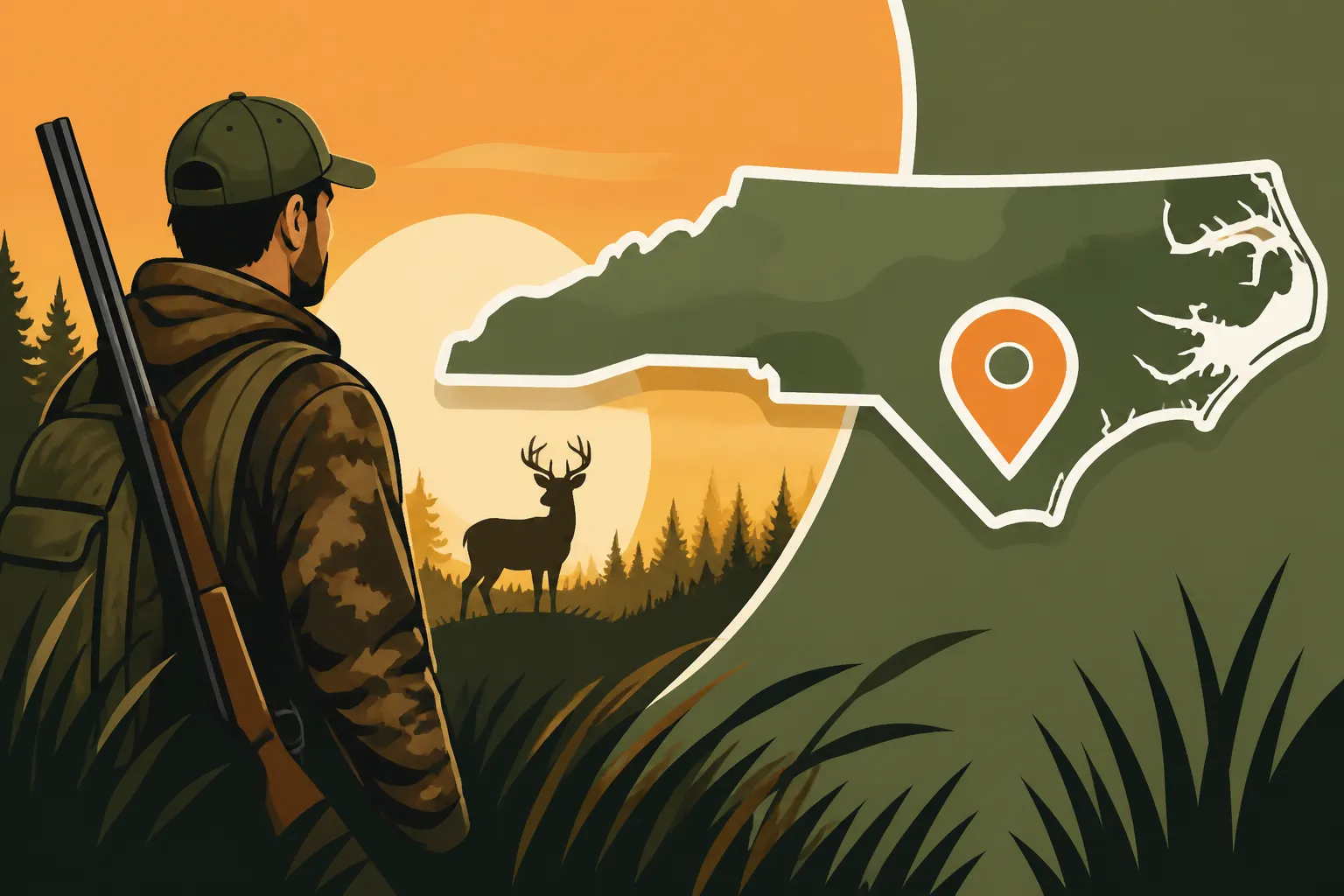
Finding good hunting spots near Wilmington, North Carolina, can feel like a real uphill battle. With the city's population booming and development sprawling outwards, many hunters find themselves wondering where all the wild places have gone. This guide is here to walk you through the unique challenges and rewarding opportunities for securing hunting access in and around the Wilmington area, from public game lands to the ever-elusive private property permission.
The Wilmington Hunter's Challenge: A Growing City's Dilemma
Let's be honest, living in a beautiful, growing coastal city like Wilmington has its perks, but for the avid hunter, it presents a significant challenge: where do you actually go hunting? It's not like living out in the mountains where national forests stretch for miles just a short drive away. Here, the landscape is changing fast, and finding quality hunting ground requires a different approach, a bit more patience, and often, a longer drive.
The Reality of Development Pressure
The rapid development around Wilmington, particularly in New Hanover and Brunswick counties, means that prime hunting land – private timber tracts, old farms, and even large undeveloped parcels – is constantly being converted into housing developments, shopping centers, and infrastructure. What might have been a reliable deer stand location a decade ago is now likely paved over or sprouting new homes. This constant encroachment not only reduces the available habitat for wildlife but also pushes existing game populations into smaller, more fragmented areas, increasing pressure on what little land remains. It's a frustrating reality to watch your traditional spots disappear, and it forces hunters to either adapt their strategies or travel further afield. This pressure also makes it harder to secure private land permission, as landowners who once welcomed hunters are now selling off their holdings or facing liability concerns.
The Scarcity of Close-Proximity Public Land
Unlike other regions of North Carolina blessed with vast national forests, the immediate vicinity of Wilmington simply doesn't have hundreds of thousands of acres of easily accessible public hunting land. While there are some fantastic public options, they often require a bit of a drive, and they tend to be concentrated in specific types of terrain, primarily coastal pocosins and wetlands. This means you can't just hop in your truck and be in a sprawling national forest in 15 minutes. The public lands that are available are often highly pressured, especially on opening day and weekends. Understanding this reality is the first step. You need to know where these areas are, what kind of hunting they offer, and what challenges you might face in terms of access and competition with other hunters. It's not impossible to find success, but it demands more planning and a willingness to explore.
Navigating Public Hunting Opportunities Near Wilmington
While the immediate proximity to Wilmington might be light on public hunting land, there are some excellent game lands and national wildlife refuges within a reasonable driving distance that offer diverse hunting experiences. These areas are managed by the North Carolina Wildlife Resources Commission (NCWRC) or the U.S. Fish and Wildlife Service, and they provide crucial habitat for deer, bear, turkeys, feral hogs, small game, and waterfowl.
Coastal Game Lands: Your Best Bet
For hunters in the Wilmington area, the state's coastal game lands are undoubtedly your best bet for consistent public access. These tracts are often expansive, though they can be physically demanding to hunt due to the dense vegetation and wetland characteristics. The two primary ones to focus on are Holly Shelter Game Land and Green Swamp Game Land, both of which are within a reasonable drive, typically 45 minutes to an hour from Wilmington, depending on which part of the tract you're trying to access.
-
Holly Shelter Game Land: Located largely in Pender and Onslow counties, Holly Shelter is a massive expanse of pocosin swamps, pine flatwoods, and bay thickets. It's renowned for its healthy deer and black bear populations, but it also holds good numbers of feral hogs, small game, and migratory birds. Hunting here is a true adventure, often requiring hip boots or waders, a good sense of direction, and a tolerance for thick cover. Access points are scattered, with a network of dirt roads and ATV trails (check regulations for permitted use) leading into various sections. You'll definitely want to study maps like those offered by onX Hunt or even the NCWRC's own resources to understand the layout. It's challenging, but the rewards can be significant, especially for those pursuing a trophy bear or a robust coastal whitetail. You can learn more about specific entry points and conditions by researching Holly Shelter Game Land Access.
-
Green Swamp Game Land: Situated primarily in Brunswick and Columbus counties, Green Swamp offers a different, yet equally challenging, coastal hunting experience. This area is characterized by its longleaf pine savannas, cypress swamps, and unique carnivorous plant communities. While it's known globally for its botanical diversity, it's also a fantastic place to hunt deer, bear, and hogs. Fire is a critical management tool here, so understanding recent burn rotations can be key to finding game. Like Holly Shelter, Green Swamp is dense and wet in places, demanding robust gear and a willingness to work hard. It's a place where hunters often find solitude if they're willing to venture away from the main access roads. For more detailed information on navigating this unique area, look into Green Swamp Game Land Access.
National Wildlife Refuges: Unique but Restricted
Beyond the traditional game lands, several National Wildlife Refuges (NWRs) in eastern North Carolina offer hunting opportunities, though they often come with more stringent regulations, shorter seasons, and typically require special permits or draw applications. While many are a bit of a longer drive from Wilmington, they can provide exceptional, low-pressure hunting experiences for those willing to put in the effort.
-
Refuge Draw Hunts: Refuges like Pocosin Lakes NWR or Alligator River NWR (further north and east) are famous for their large black bear populations and quality deer hunting. However, these hunts are almost exclusively managed through a lottery or draw system. This means you apply well in advance, and if selected, you get a specific timeframe and often a specific area to hunt. The odds can be tough, but the quality of hunting can be exceptional, with opportunities for truly large deer and bears that see less human pressure. These hunts are highly coveted for good reason. Always check the specific refuge website for their hunting regulations, application periods, and any required permits or fees, as they can differ significantly from statewide rules.
-
Understanding the Rules: Hunting on NWRs often involves a different set of rules than state game lands. For instance, specific weapon restrictions, limited access points, and mandatory check-in/check-out procedures are common. Some refuges might also have restrictions on the types of blinds or stands you can use, or even prohibit certain hunting methods. While not immediately adjacent to Wilmington, knowing about these opportunities and planning far in advance can open up some truly unique and rewarding hunting experiences that are well worth the extra drive and paperwork.
Understanding the Unique Terrain of Coastal Plain Hunting
Hunting the coastal plain near Wilmington is a world away from chasing deer in the mountains or turkeys in the Piedmont. The landscape dictates tactics, gear, and even your mindset. You're dealing with dense vegetation, often soggy ground, and a healthy dose of insects, but also a rich ecosystem that supports incredible wildlife.
Hunting Holly Shelter Game Land
Holly Shelter is a beast, plain and simple, but it’s a beast that offers incredible opportunities. Imagine miles of dense, nearly impenetrable thickets of gallberry, bay, and titi, interspersed with areas of slightly higher, dryer pine flatwoods. Water is almost always a factor; whether it's standing water in cypress sloughs or just extremely wet, boggy ground.
-
Tactics for the Pocosins: Still-hunting is extremely challenging here due to the noise of walking through thick, wet vegetation and the limited visibility. Instead, many successful hunters focus on natural funnels, pinch points, or slight elevation changes that deer and bear will use to navigate the dense cover. Look for old logging roads, drainage ditches, or the edges where one type of cover transitions into another. Tree stands are common, but ground blinds, often brushed in very heavily, are also effective given the dense cover. The key is patience and choosing ambush sites where game is forced to travel. Remember that game here often holds tight in the thick stuff, only moving when absolutely necessary. For a deeper dive, consider reading about Hunting Coastal Plain Pocosin Swamps.
-
Gear Considerations: Rubber boots, preferably hip boots or chest waders, are almost non-negotiable, even if it hasn't rained recently. A good compass and a GPS unit (or a reliable mapping app like onX Hunt on your phone, with downloaded maps for offline use) are essential, as it's incredibly easy to get turned around in the featureless pocosins. Bug spray is your best friend, especially during the warmer early seasons. A sturdy drag rope or a game cart with large, wide wheels will be invaluable if you're lucky enough to tag an animal, as dragging through the thick, wet terrain is exhausting. Also, be aware of venomous snakes; stay vigilant and wear appropriate footwear.
Exploring Green Swamp Game Land
Green Swamp, while also coastal, offers a slightly different feel than Holly Shelter, primarily due to its longleaf pine ecosystem and the active role of prescribed burning in its management. It's still dense and often wet, but the longleaf stands can offer more open understories in places, particularly after a burn.
-
Fire as a Factor: Prescribed fire is used extensively in Green Swamp to maintain the longleaf ecosystem and improve wildlife habitat. Understanding the burn schedule can be crucial. Freshly burned areas, while initially devoid of cover, often experience a flush of new growth that attracts deer and other animals within weeks or months. Conversely, areas that haven't burned in a long time can become incredibly thick, providing sanctuary for game. Your scouting should involve looking for these habitat transitions and trying to predict how game will use them.
-
Finding the Game: Deer and bear in Green Swamp will utilize the varied cover. Look for sign along the edges of pine savannas where they meet denser baygalls or cypress swamps. Creek bottoms and drains can also serve as travel corridors. Like Holly Shelter, still-hunting can be tough, but not impossible in the more open, recently burned pine areas. Focus on ambush strategies, utilizing the unique habitat features. When mapping your hunt with tools like GoHunt, pay attention to the different vegetation types and potential bedding or feeding areas based on recent habitat management activities. Bear are particularly fond of the dense thickets and will move through the more open areas, especially in search of acorns or other mast when available.
The Art of Securing Private Land Access
While public lands offer reliable access, private land often holds higher concentrations of game due to less hunting pressure and more consistent food sources. However, getting permission can be challenging, especially near a growing population center like Wilmington. It takes persistence, politeness, and a good reputation.
Knocking on Doors: A Traditional Approach
This is the tried-and-true method, but it requires courage and a thick skin. Not every door will open, but every "yes" is golden.
-
Making a Good Impression: Always dress neatly, present yourself politely, and be respectful of their property and time. Approach landowners during non-peak hours, not on a Sunday morning or late in the evening. Have a clear, concise request: "I'm a local hunter, and I'm looking for a safe place to hunt deer (or whatever species). Would you consider allowing me to hunt on your property?"
-
What to Offer: Don't just ask for access; offer something in return. This could be helping with chores around the property, mending fences, clearing brush, or offering some of the harvested game meat. Many landowners appreciate help with nuisance animals like North Carolina's Year-Round Feral Hogs that might be damaging crops or property. Emphasize safety – assure them you are responsible, carry insurance (if you have it), and will respect their land, livestock, and boundaries. Provide your contact information and references if they ask. Building a relationship is key; it's often more about trust than just hunting access. Remember, landowners are often inundated with requests, so differentiate yourself by being genuinely helpful and reliable.
-
Starting Small: Don't necessarily target huge farms right away. Sometimes, smaller woodlots or neglected parcels, even those bordering residential areas, can hold surprisingly good numbers of deer, especially if they offer thick cover. These smaller tracts might be overlooked by other hunters and could be a fantastic "in" for building a relationship with a landowner.
Hunting Leases and Clubs: Investing in Access
For those who can afford it, joining a hunting club or leasing private land offers a more consistent and often higher-quality hunting experience, albeit with a financial commitment.
-
Joining a Hunting Club: Hunting clubs are prevalent across North Carolina, especially in the coastal plain. These clubs typically lease large tracts of timber company land or private farms, and members pay annual dues for access. This can be a great way to gain access to well-managed land, share resources like food plots and stands, and enjoy a sense of camaraderie. However, clubs vary wildly in their rules, culture, and hunting pressure. Some are very relaxed, while others have strict management plans. Research clubs thoroughly, ask about their rules, member limits, and typical game harvest. Be upfront about your expectations and make sure the club's philosophy aligns with yours.
-
Leasing Your Own Land: Leasing your own tract, either individually or with a small group of trusted friends, provides the most control. You decide the rules, the management strategies, and the hunting pressure. Lease prices can vary dramatically based on location, habitat quality, and size, so always do your homework. Timber companies are often the largest lessors of hunting land in the coastal plain. Look for postings online or inquire directly with local timberland managers. Be prepared for a formal agreement, often requiring liability insurance. While it's an investment, it can provide consistent, quality hunting close to home if you find the right property. Many hunters consider this option after years of struggling to find consistent private land access.
| Private Land Access Method | Pros | Cons | Best For |
|---|---|---|---|
| Knocking on Doors | Free or low-cost; builds relationships | High rejection rate; time-consuming; less consistent | New hunters; those on a budget; community-minded |
| Hunting Clubs | Shared costs; established land; social aspect | Rules & politics; variable pressure; annual fees | Social hunters; consistent access; managed land |
| Private Land Lease | Full control; consistent quality; private | Significant financial investment; liability concerns | Experienced hunters; groups; dedicated management |
Essential Tools and Mindset for Wilmington Area Hunters
Hunting near Wilmington demands a particular set of tools and a resilient mindset. The terrain, climate, and public land characteristics mean you need to be prepared for everything from dense cover to heat and humidity.
Mapping and Scouting for Success
In the coastal plain, where visibility can be limited and terrain often looks similar across miles, advanced mapping tools are indispensable. Gone are the days of just a paper map and compass, though a basic understanding of navigation is still crucial.
-
Digital Mapping Apps: Tools like onX Hunt and GoHunt are game-changers for identifying public/private land boundaries, understanding property lines, and scouting remotely. You can layer satellite imagery, topographical maps, and even specific game land boundaries to identify pinch points, bedding areas, travel corridors, and access routes. Before you even set foot in the woods, you can mark potential stand sites, plan entry and exit routes, and identify key habitat features. This is particularly valuable when Scouting With the NC Wildlife App or exploring new game lands where ground features can be disorienting. Using these apps to download maps for offline use is crucial, as cell service can be spotty in many remote coastal areas.
-
On-the-Ground Scouting: Nothing beats boots on the ground, especially in this dense environment. Look for fresh tracks, rub lines, and scrape lines along logging roads or subtle ridges. Pay attention to water sources and potential bedding cover. During the off-season, concentrate on finding old sign, determining primary travel routes, and locating mast trees or other food sources. Even without game cameras (check game land rules, as some restrict them), you can learn a tremendous amount by simply walking and observing. Early season scouting can also help you pinpoint where the best food sources are, which will shift as the seasons progress. This kind of diligent effort is what separates successful hunters from those who just wander into the woods.
Adapting to Coastal Conditions
The coastal plain environment presents unique challenges that influence gear choices and hunting strategies. Being prepared for these conditions will make your hunt much more comfortable and effective.
-
Wet and Buggy: As mentioned, rubber boots or waders are a must. The ground is often saturated, and you'll encounter standing water. Humidity is typically high, and bugs, especially mosquitoes and ticks, can be relentless from early archery season into late fall. Good quality bug spray with DEET or permethrin-treated clothing is not optional; it's essential for preventing discomfort and potential tick-borne illnesses. Layering light, moisture-wicking clothing is also key for managing the heat and humidity of early and mid-season hunts. When it comes to Hunting Coastal Plain Pocosin Swamps, expect to get wet and embrace it.
-
Dense Cover and Limited Visibility: Unlike open hardwoods, the thick vegetation of the coastal plain means shots are often close-range, and visibility can be severely limited. This means ethical shot placement is paramount, and you might need to adjust your gear. Shotguns with slugs or heavy buckshot, or rifles sighted in for shorter distances, are common. For archers, a setup optimized for tight quarters is ideal. Blaze orange visibility is also critical here. Even with bright colors, it can be hard to see other hunters, so always be aware of your surroundings and make your presence known, especially on public land during gun season.
Key Considerations and Regulations
Before heading out, it's vital to be intimately familiar with North Carolina's hunting regulations. Ignorance of the law is never an excuse, and rules can vary by county, game land, and even by specific refuge.
Species and Seasons
Near Wilmington, you'll primarily be targeting white-tailed deer, black bears, and feral hogs. Small game like squirrels and rabbits are also abundant, and waterfowl hunting can be excellent on nearby sounds and impoundments.
-
Deer: North Carolina has a varied North Carolina Deer Season Structure Explained, with zones dictating season dates. The Wilmington area falls within the Coastal Plain zone, which typically has an earlier opening for archery and muzzleloader, followed by a generous gun season. The deer population here is robust, and while deer might not grow the massive antlers seen in some other states, they offer fantastic hunting opportunities. Always check the current NCWRC regulations for precise dates, bag limits, and reporting requirements.
-
Bear: North Carolina boasts some of the densest black bear populations in the Southeast, and the coastal plain is a stronghold. Bear hunting is a serious endeavor, with specific seasons and often high tag costs (especially for non-residents). Many hunters pursue bears with hounds, where permitted, or by still-hunting or sitting over natural food sources. Be aware of the specific bear management zones and rules, as they can be complex.
-
Feral Hogs: North Carolina Feral Hog Regulations mean they are fair game year-round on private land with landowner permission. On public game lands, they are generally considered a nuisance species and can be harvested during any open hunting season for other species with the proper license. Hogs can be incredibly destructive, so removing them is often welcomed by landowners. Their nocturnal habits and dense cover preferences make them a challenging but rewarding quarry.
-
Waterfowl and Small Game: The proximity to the coast means excellent waterfowl opportunities, particularly for ducks on impoundments, rivers, and the sounds. Familiarize yourself with North Carolina Waterfowl Zones and Seasons and federal migratory bird regulations. Squirrels and rabbits are plentiful in many areas, offering a fun, accessible hunt for new hunters or those looking for a different challenge.
Blaze Orange and Safety in High-Pressure Areas
Safety should always be your number one priority, especially when hunting public lands that might see significant pressure from other hunters.
-
Blaze Orange Requirements: North Carolina has strict North Carolina Blaze Orange Requirements during certain seasons, particularly for gun deer season. This usually means wearing a minimum amount of blaze orange (or blaze pink) that is visible from 360 degrees. Always err on the side of caution and wear more than the minimum. Even during archery season when blaze orange isn't always mandatory, many hunters choose to wear a vest for increased visibility, especially if hunting near a gun season overlap or in popular areas. This simple act can prevent serious accidents.
-
Communicating with Others: When hunting public land, it's not uncommon to encounter other hunters. Be courteous, respectful, and communicate clearly. If you see another hunter, acknowledge them. If you're planning a drive or moving through a dense area, make your presence known. Sharing the woods safely ensures everyone has a positive experience and helps maintain a good reputation for hunters as a whole. Always be aware of your backdrop, know your target and what is beyond it, and unload your firearm when crossing obstacles or getting in and out of vehicles. A cautious and considerate approach goes a long way.
Disclaimer
This article is for general informational purposes only and does not constitute professional advice. Laws, prices and regulations vary by location and change over time. Consult a qualified professional for guidance on your specific situation.